The Quiet Backbone of Modern Material Handling: An Overview of Belt Driven Conveyors
For industries ranging from mining to food production, a belt driven conveyor isn't just another piece of equipment — it’s a lifeline. Globally, efficient movement of goods plays a vital role in keeping factories humming, supply chains intact, and humanitarian relief on time. Understanding these conveyors means knowing how industries achieve speed and reliability while keeping costs down and environmental impact manageable. So, why does the humble conveyor belt matter on a global scale? Because every great supply chain, from remote mineral mines in Africa to sprawling warehouse distribution centers in Europe, depends on them.
Why Belt Driven Conveyors Hold Global Importance
According to data from the International Organization for Standardization (ISO) and the World Bank, industrial automation and smart manufacturing sectors are expected to grow by over 7% annually worldwide through 2030. Much of this growth rides on the back of efficient transport technology — and conveyors are key. About 60% of all heavy materials moving in industrial plants globally rely on belt driven conveyors, helping reduce human labor, improve safety, and speed up operations.
Yet, the challenge remains: industries need conveyors that balance durability, cost, and adaptability to different environments. This makes belt driven conveyors not simply machines, but problem solvers addressing everything from harsh outdoor weather to sensitive package handling.
What Exactly Is a Belt Driven Conveyor?
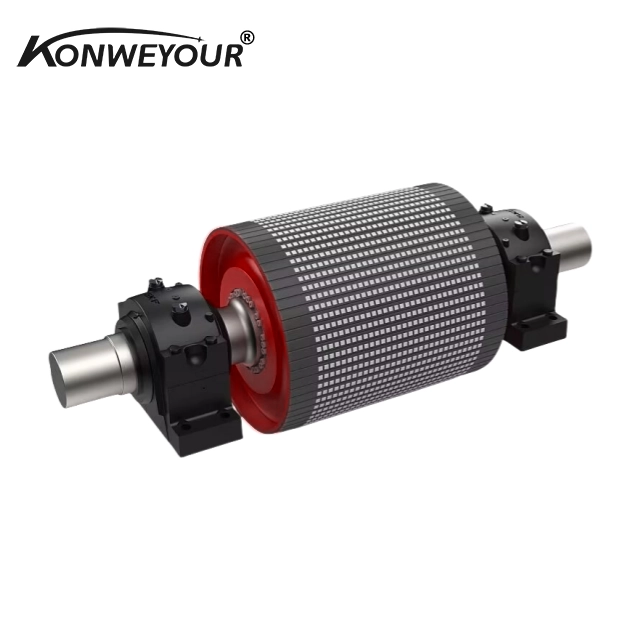
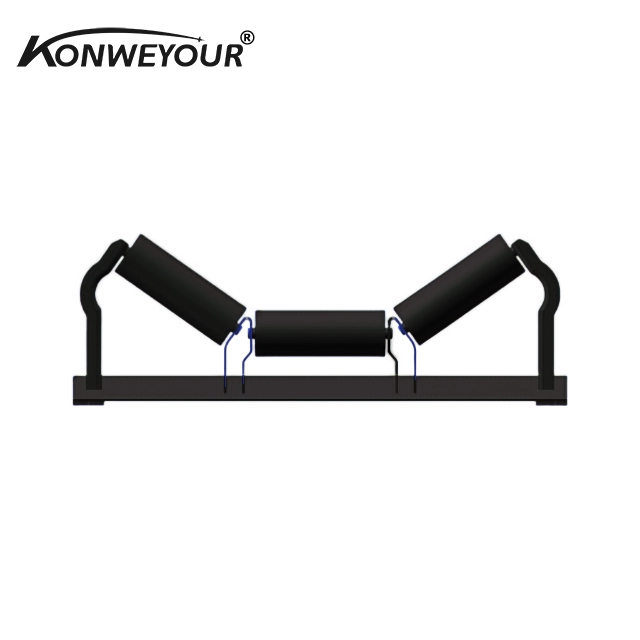
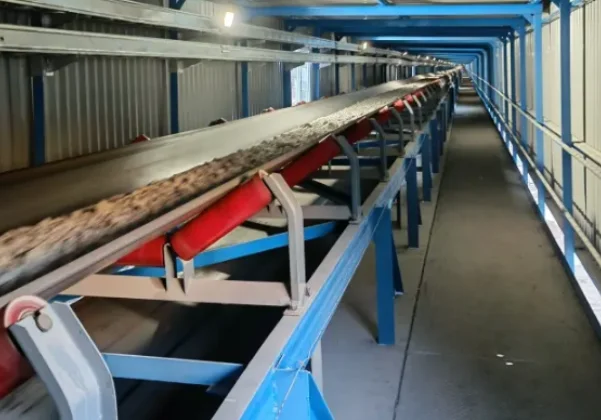
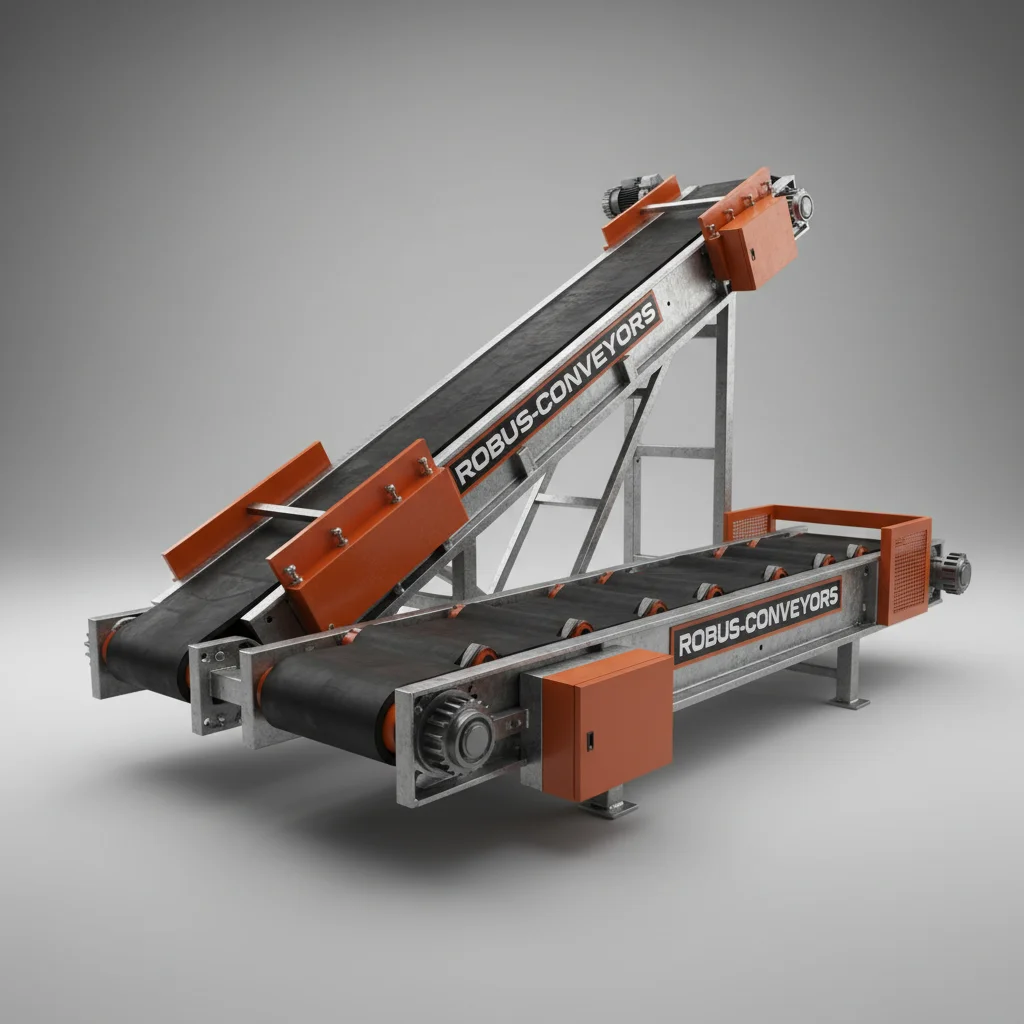
At its core, a belt driven conveyor is a mechanical system that uses a continuous belt looped over pulleys to transport materials from one point to another. Typically powered by an electric motor, the belt moves products smoothly across various distances — whether it’s piles of coal, boxes of consumer goods, or fragile packages in a fulfillment center.
Its simplicity belies its importance. It’s the kind of device that, without much fanfare, reduces lifting injuries, speeds up workflow, and makes mass production possible. In humanitarian zones as well, conveyors are crucial for rapid distribution of relief supplies — think of aid packages moving swiftly through a warehouse after a natural disaster.
4 Core Components Driving Belt Driven Conveyors
Durability
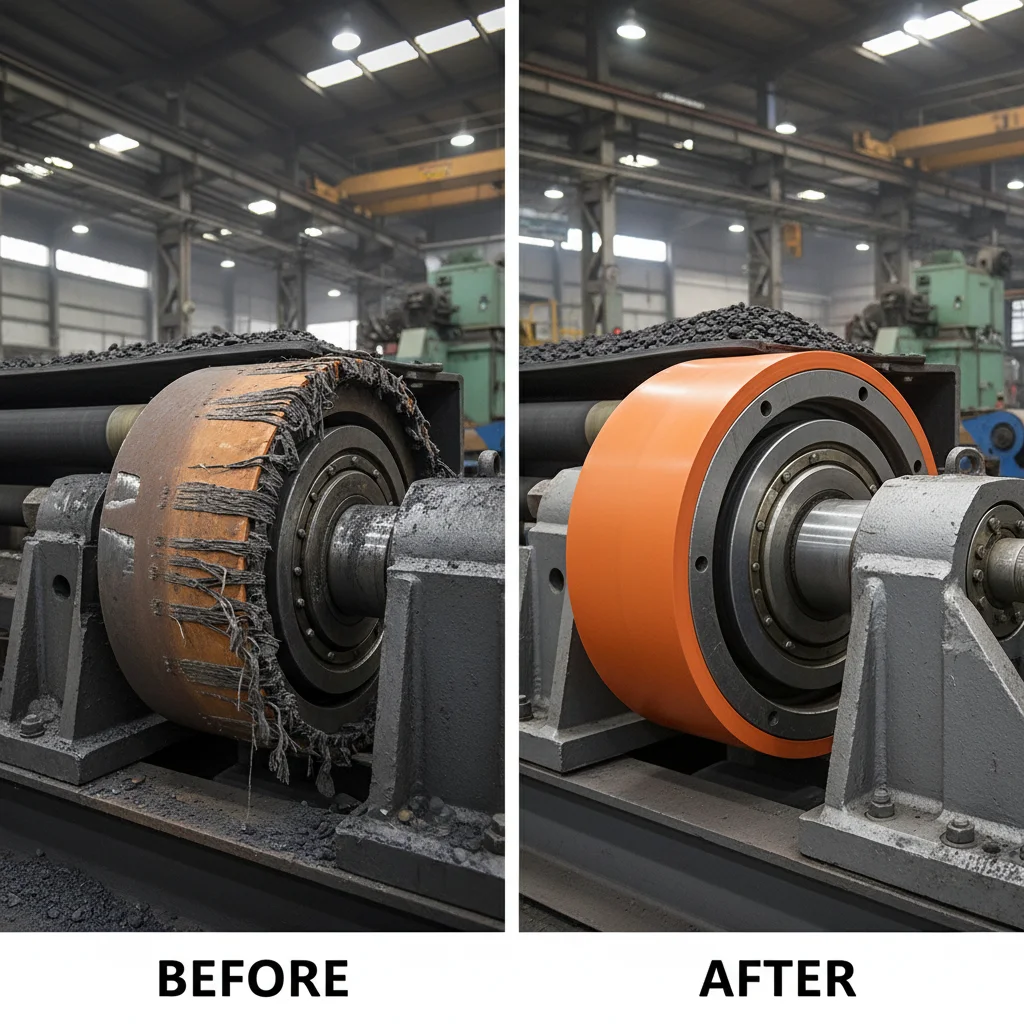
The conveyor belt must withstand heavy loads, constant abrasion, and varying environmental conditions. Materials range from rubber composites for medium-duty tasks to steel-reinforced fabrics for heavy industry.
Scalability
One of the neat things about these conveyors is how modular and scalable they are. From compact units moving small packages to sprawling systems stretching hundreds of meters, they grow with your operation.
Cost Efficiency
Operational costs comprise power consumption, maintenance, and downtime. Designers focus on energy-efficient motors and low-friction belt materials, cutting expenses and extending equipment life — saving thousands annually for large plants.
Safety Features
Modern belt driven conveyors often integrate emergency stops, guards, and sensors to prevent accidents and product spillage — a must-have in high-velocity environments.
Customizability and Integration
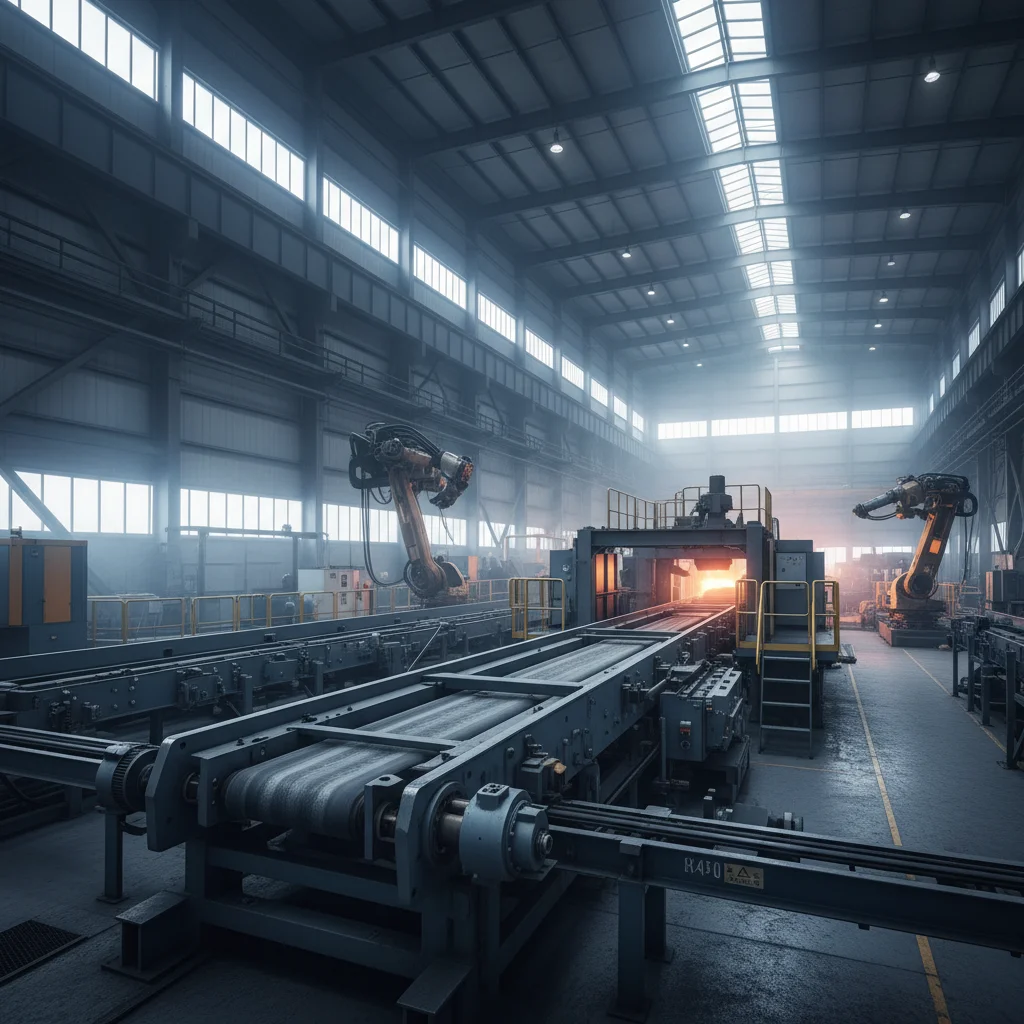
Conveyors often plug directly into existing production lines or robotics systems. Tailored designs accommodate unique angles, widths, speeds, and even specialized surface textures for grip or delicate handling.
In short: a well-chosen belt driven conveyor marries robust design with operational flexibility — making it central to countless industries worldwide.
Applications Spanning the Globe
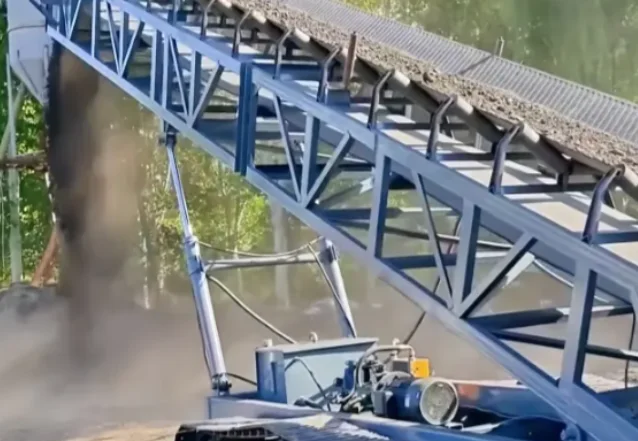
- Mining and Mineral Processing: The Australian Outback’s remote operations rely heavily on rugged belt driven conveyors to haul raw ore to processing centers, reducing costly truck haulage.
- Food and Beverage: European and North American plants handle delicate packaging lines with conveyors designed to minimize vibration and contamination risk.
- Disaster Relief Logistics: After recent earthquakes in Southeast Asia, belt driven conveyors helped NGOs expedite sorting and distribution of tons of aid material — crucial when every minute counts.
- Manufacturing and Assembly: Automotive factories in Germany incorporate conveyors into automated lines, seamlessly moving parts through hundreds of steps.
The geographical diversity of belt driven conveyor use underscores how industry needs and local challenges shape their designs and deployment.
Advantages and Long-Term Value of Belt Driven Conveyors
Frankly, these conveyors are not just machines; they’re workhorses that promote safety by keeping workers away from heavy manual handling and repetitive strain. Operationally, they cut downtime thanks to fewer breakdowns compared to alternatives like roller conveyors. From a sustainability standpoint, their energy-efficient motors and long lifespan mean less frequent replacement and lighter environmental footprints.
On the emotional side — yes, sometimes industry folks get sentimental — reliable conveyors build trust between partners and employees. Knowing your materials won’t get “stuck in the system” lends a reliability that spreads from the factory floor straight to client satisfaction metrics.
Looking Ahead: Trends and Innovations in Belt Driven Conveyor Technology
Digital transformation is creeping in with conveyor systems increasingly equipped with IoT sensors for predictive maintenance. Imagine a belt that 'tells' maintenance crews it’s wearing out before a costly breakdown — that's starting to happen.
Material innovation also leads the pack. New polymers and belt composites improve durability while slashing weight and energy consumption. Green energy initiatives encourage conveyor setups powered in part by onsite solar — reducing the carbon footprint further.
Automation is another game changer. Conveyor systems now often integrate with robotic arms and AI-driven sorting, accelerating throughput in warehouses and factories alike. The industry is moving from simple material movers to intelligent, adaptive enablers.
Challenges: What Holds Belt Driven Conveyors Back?
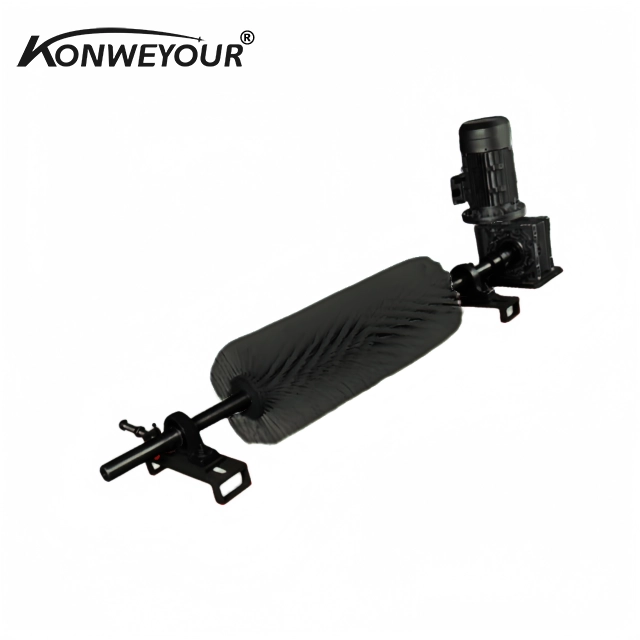
Of course, no solution is without flaws. Dust and debris can impede belt performance, and harsh environments like extreme heat or corrosive chemicals challenge durability. Plus, installation can be complex in retrofit situations or cramped layouts.
Experts recommend tailored maintenance schedules, careful belt material selection, and modular design to ease troubleshooting. New sealing and cover technologies help manage contamination issues. Many engineers say embracing condition-monitoring tech will be key to overcoming future hurdles.
Frequently Asked Questions About Belt Driven Conveyors
- What are the main advantages of belt driven conveyors compared to roller conveyors?
- Belt driven conveyors typically handle a wider variety of materials and can transport bulk goods efficiently over longer distances. They often provide smoother movement for delicate items and have fewer points of failure than multiple rollers.
- How do I choose the right belt material for my application?
- Consider load weight, environmental exposure (heat, chemicals), and product type. For heavy-duty mining, reinforced rubber belts are common; for food-grade, FDA-approved PVC belts are often used for hygiene.
- Can belt driven conveyors be customized for non-standard dimensions?
- Yes. Most manufacturers offer customizable widths, lengths, and belt surface options to fit specific industrial requirements or assembly line configurations.
- How long is the typical lifespan of a belt driven conveyor?
- With proper maintenance, these conveyors often last 10-20 years. Durability depends on operational load, environment, and upkeep.
- Are there eco-friendly options available?
- Definitely. Many conveyors now feature energy-efficient motors, belts made from recycled materials, and designs that optimize power use — all adding up to greener operations.
Product Specification Table
| Specification |
Standard Model |
Heavy Duty Model |
Food Grade Model |
| Belt Width |
600 mm |
1200 mm |
800 mm |
| Max Load Capacity |
500 kg/m |
1500 kg/m |
300 kg/m |
| Belt Material |
Rubber composite |
Steel-reinforced rubber |
Food grade PVC |
| Motor Power |
2 kW |
7 kW |
1.5 kW (Sanitary rated) |
| Speed |
1.0 m/s |
1.5 m/s |
0.8 m/s |
Vendor Comparison Snapshot
| Feature |
JT Conveyor |
Global Belt Inc. |
ConveyPro Solutions |
| Customization Level |
High |
Medium |
Low |
| Energy Efficiency |
>15% Savings |
Standard |
Standard |
| After-sales Support |
24/7 Global |
Business Hours Only |
Online Support |
| Price Range |
$$$ |
$$ |
$ |
| Specialty Industries |
Mining, Food, Logistics |
Automotive, Packaging |
General Manufacturing |
In Conclusion: Why Investing in Belt Driven Conveyor Systems Is Smart Business
To sum it up, belt driven conveyors are more than just belts and pulleys. They embody decades of engineering refinement and ongoing innovation, offering scalable, reliable, and increasingly green solutions to the global industrial and humanitarian sectors. The systems feel built for both the immediate job and future challenges — a conveyor that moves materials efficiently also moves progress forward.
If you're ready to bring dependable, adaptable conveyor technology to your operation, explore the options at belt driven conveyor experts who understand both nuance and scale.
References:
1. ISO, https://www.iso.org
2. World Bank Data, https://data.worldbank.org
3. Wikipedia: Conveyor Belt, https://en.wikipedia.org/wiki/Conveyor_belt