What Is a Snub Pulley Belt Conveyor and Why It Matters
If you’ve ever watched a conveyor belt quietly doing its thing—moving tons of material in factories, mines, or ports—you might not have noticed the humble snub pulley tucked away in the system.
Despite its unassuming appearance, the snub pulley belt conveyor plays a critical role in ensuring that materials move smoothly, safely, and efficiently across countless industries around the world. Understanding this component is more than a technical curiosity; it’s a gateway to optimizing bulk material transport, improving sustainability, and even supporting humanitarian efforts.
The global bulk handling market is expected to grow steadily, largely driven by mining, agriculture, and manufacturing sectors.[1] Given that, knowing what goes into a snub pulley belt conveyor could help you cut downtime, reduce costs, or scale operations smarter—and that’s just scratching the surface.
The Global Context of Snub Pulley Belt Conveyors
On a macro level, conveyor systems are indispensable in handling materials quickly and reliably across continents. From the bustling container yards of Singapore to the sprawling iron mines of Australia, these systems keep goods—and economies—moving.
But here’s what often gets overlooked: conveyor belts need effective tensioning and tracking to avoid premature wear or dangerous failures. That’s where the snub pulley comes into play. The International Organization for Standardization (ISO) includes design guidelines suggesting snub pulleys improve belt wrap angle, which in turn boosts friction and reduces slippage.[2]
In real terms, a faulty or absent snub pulley can halt an entire operation. I’ve seen plants lose hours because belts slipped or needed constant realignment. That damages efficiency, hurts the bottom line, and can cause serious safety risks due to unexpected malfunctions.
^ Mini takeaway: In a world obsessed with efficiency and sustainability, the small-scale engineering of snub pulley belt conveyors quietly ensures big-picture reliability worldwide.
What Exactly Is a Snub Pulley Belt Conveyor?
To put it simply, a snub pulley belt conveyor is a conveyor system equipped with a specific pulley—called a snub pulley—that increases the contact between the belt and the drive pulley. This arrangement enhances grip, minimizes belt slippage, and promotes smoother material transport.
Think of the snub pulley as a careful helper, gently “snubbing” or pushing the belt against the drive pulley, so it’s less likely to slip when the belt is under heavy load or inclined angles.
This system isn’t just industrial jargon. With global demand for faster, high-capacity, and energy-efficient transport growing, snub pulley conveyors address key challenges in sectors ranging from mining raw materials to handling agricultural products, and even delivering construction materials in disaster zones.
Key Features that Define Performance
1. Durability and Material Choice
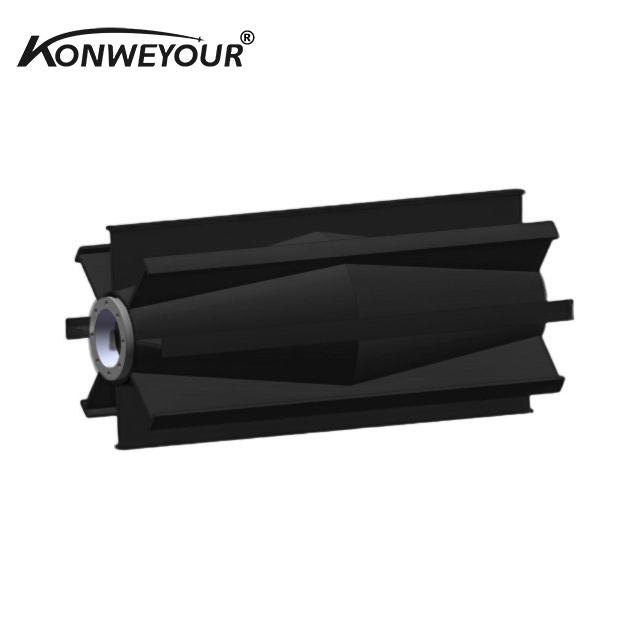
Snub pulleys are often crafted from corrosion-resistant steel or alloys backed by rubber lagging to improve belt grip and reduce wear. Durable construction ensures they withstand harsh environments—from salty seaports to dusty mines—without frequent replacements.
2. Scalability and Customization
Modern snub pulley conveyors come in different sizes—small for light applications, giant for bulk ore movement. Some manufacturers offer modular designs that can be tailored to belt width, load capacity, and environmental needs.
3. Cost Efficiency Through Reduced Maintenance
By preventing belt slippage, snub pulleys reduce the risk of belt wear and tear, which cuts down downtime and costly repairs. That pays off especially in large-scale operations where hours lost translate to significant revenue hits.
4. Safety and Compliance
Properly installed snub pulleys contribute to safer work environments by minimizing unexpected belt failures. They help companies comply with safety standards set by organizations like OSHA and ISO, a must in heavy industries.
5. Energy Efficiency
More grip means less energy wasted overcoming belt slip. Over time, this can reduce the carbon footprint of conveyor-driven operations—something more companies are taking seriously these days.
^ Mini takeaway: These features aren’t just specs on a sheet—they’re practical game-changers when it comes to reliable, sustainable material handling.
Real-World Applications of Snub Pulley Belt Conveyors
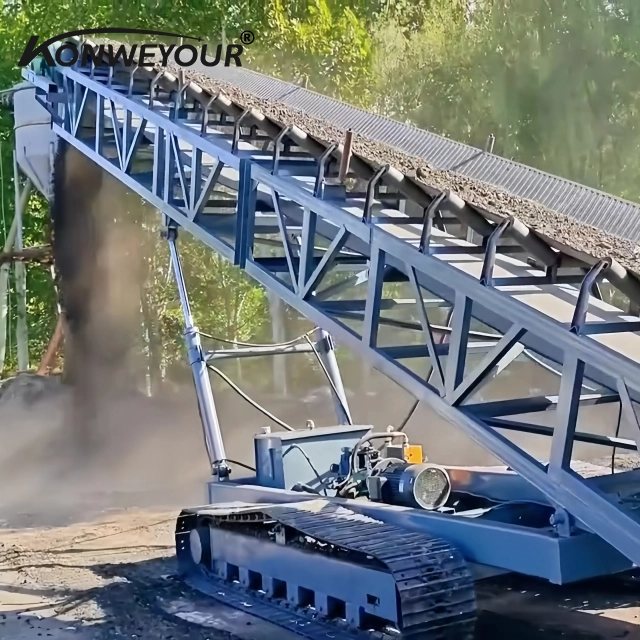
- Mining: Mines in Chile and Canada rely on snub pulley conveyors to transport ores safely over steep inclines. This helps containment of dust and boosts operational tempo.
- Agriculture: Grain elevators in the US and Europe utilize snub pulleys in conveyor belts to handle heavy loads without slippage, preserving crop quality.
- Ports and Shipping: Snub pulleys ensure smooth loading/unloading of bulk cargo at sea terminals, reducing spillage and damage risks.
- Disaster Relief & Construction: In remote or post-disaster zones (think after a typhoon in Southeast Asia), mobile snub pulley belt conveyor setups move building materials quickly and safely—critical when time is of the essence.
Snub Pulley Belt Conveyor Advantages: Beyond the Basics
Sure, they keep belts from slipping. But their benefits ripple further:
- Cost Savings: Lower maintenance, fewer unscheduled stoppages, and better energy use add up.
- Sustainability: Longer-lasting belts and pulleys reduce waste and resource consumption.
- Reliability & Trust: Operators feel confident; downtime uncertainty drops.
- Safety and Human Impact: Fewer accidents mean safer workplaces and happier teams.
- Innovation: A snub pulley might seem old-school, but it’s foundational for new automated and smart conveyor systems integrating sensors and IoT.
Product Specifications: Typical Snub Pulley Belt Conveyor
| Specification |
Value / Description |
| Pulley Diameter |
200 - 1200 mm (varies by belt width) |
| Material |
Carbon steel with rubber lagging |
| Belt Width Compatibility |
400 mm to 2000 mm |
| Maximum Load Capacity |
Varies; up to 2000 tons/hour |
| Operating Temperature Range |
-20°C to +60°C |
| Common Applications |
Bulk handling, mining, agriculture, industrial conveyance |
Comparing Top Snub Pulley Conveyor Vendors
| Vendor |
Customization |
Typical Lead Time |
Price Range |
Notable Features |
| ConveyLift Co. |
Highly Customizable |
6-8 weeks |
$$$ (Mid-High) |
Advanced rubber lagging options, IoT-ready |
| GlobalPulley Systems |
Standard Models + Some Options |
4-6 weeks |
$$ (Moderate) |
Robust steel construction, reliable warranties |
| EcoTrack Solutions |
Medium Customization |
8-10 weeks |
$$ (Moderate) |
Eco-friendly materials, renewable energy focus |
Innovations Shaping the Future of Snub Pulley Belt Conveyors
Honestly, it’s fascinating how even a mechanical staple like the snub pulley is evolving. Engineers are integrating sensor technology that monitors belt tension and wear in real-time. Digital twin modeling helps predict failures before they happen, saving precious hours.
On the materials front, newer composites and eco-friendly rubbers are replacing traditional rubber lagging, cutting down environmental impact. Green energy integration—like solar-powered conveyors—also pairs naturally with energy-saving snub pulley designs.
Automation is another growing area. Snub pulley systems are becoming smarter, adapting dynamically to varying loads and environmental conditions. The conveyor setups of tomorrow feel less like cogs and more like responsive systems.
Common Challenges and How Experts Tackle Them
Despite sophistication, snub pulley systems aren’t perfect. Slippage can still occur if pulleys aren’t properly aligned or lagging wears out. Dust and debris sometimes clog pulley bearings, leading to premature failure.
Experts recommend routine inspections, use of sealed bearings, and application of lagging materials best suited for specific materials transported. Some companies now offer modular snub pulleys for quick field replacements—cutting downtime drastically.
Specialized coatings also extend service life in corrosive environments, a must-have in coastal or chemical plants.
Frequently Asked Questions About Snub Pulley Belt Conveyor
- Q: How does a snub pulley differ from a return pulley?
A snub pulley increases the wrap angle of the belt on the drive pulley, improving friction and reducing slippage. A return pulley, on the other hand, supports the unloaded belt on the return side of the conveyor system.
- Q: Can snub pulleys be retrofitted into existing conveyor systems?
Yes, many snub pulley belt conveyor setups can be retrofitted with snub pulleys to improve performance, but it’s important to assess the system layout to ensure compatibility and optimal placement.
- Q: What materials are best for lagging on snub pulleys?
Rubber lagging is common for general-purpose use, but in abrasive or wet conditions, ceramic or polyurethane lagging may provide better durability and slip resistance.
- Q: How often should snub pulleys be maintained or replaced?
Maintenance frequency depends on operating conditions but generally includes bearing inspection every 3-6 months and lagging replacement every few years depending on wear.
Conclusion: Why Investing in a Snub Pulley Belt Conveyor Pays Off
Wrapping up, the snub pulley belt conveyor may be a small part of a larger system, but it’s key to smoother, safer, and more efficient bulk material handling globally. Its contribution isn’t headline news, but it’s the kind of detail that separates average operations from world-class ones.
By choosing quality snub pulley conveyors—whether customized, modular, or eco-friendly—you’re investing in reliability, cost savings, and a greener, smarter future.
Want to learn more or discuss your specific needs? Feel free to visit our trusted partner site: snub pulley belt conveyor.
References
- Statista - Conveyor Systems Market
- ISO Standards for Conveyor Belt Systems
- Wikipedia - Conveyor Belt