The Unsung Workhorse: Understanding the Telescopic Belt Conveyor Mechanism
If you’ve ever watched packages glide effortlessly from a delivery truck onto a warehouse floor, or seen heavy goods moved through a busy factory line, chances are a telescopic belt conveyor mechanism was at work. Although it may sound like a mouthful, this tech marvel plays a quietly crucial role in global logistics and industries. Simply put, it helps move items quickly, safely, and efficiently — anywhere from post-disaster relief zones in Asia to sprawling European ports. Understanding this mechanism isn’t just for engineers; it shapes how economies keep humming, how humanitarian efforts scale up in emergencies, and how sustainability pushes supply chains forward.
Mini takeaway: Telescopic belt conveyors are essential backstage heroes in global movements of goods — making everything from daily deliveries to disaster relief smoother and faster.
Global Context: Why Telescopic Belt Conveyor Mechanisms Matter Today
We live in a world arguably more connected and fast-paced than ever. According to the United Nations Statistics Division, the global trade volume reached over $22 trillion as of recent years, growing steadily. Moving physical goods efficiently is thus a colossal challenge — especially when time-sensitive items or bulky cargo are involved. That’s where the telescopic belt conveyor mechanism steps in. It tackles the problem of limited dock space, labor costs, and the often inevitable delays in loading and unloading trucks and containers.
This solution gains even more prominence in regions where infrastructure is constrained or in situations like humanitarian aid delivery, where speed and safety make a life-or-death difference. The International Organization for Standardization (ISO) has indirectly influenced the development of these systems by pushing quality and safety standards in materials handling. Without telescopic conveyors, efficiency often suffers — often with pricey consequences.
Mini takeaway: With global trade surging and infrastructure sometimes lagging, telescopic belt conveyors fill vital gaps, optimizing logistics under pressure.
What Exactly Is a Telescopic Belt Conveyor Mechanism?
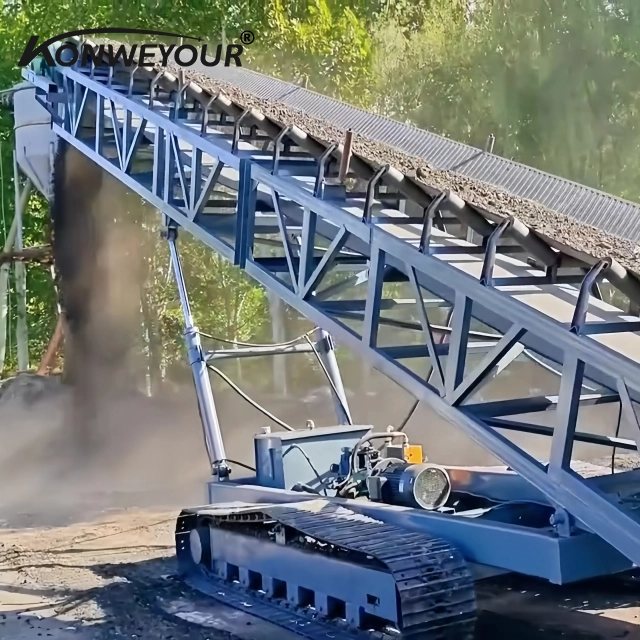
In plain language, a telescopic belt conveyor mechanism is a movable conveyor with extendable sections, much like a telescope or an accordion. It’s designed so that the belt can slide out from a parked position — often on a loading dock — directly into a truck or cargo container, reducing manual labor and speeding up loading processes.
Imagine traditional conveyor belts: they’re usually fixed in place. The telescopic mechanism adds flexibility — it’s portable, can adjust length quickly, and handle varying load sizes. This adaptability links it to modern industry needs — warehouses want quick turnaround, and humanitarian agencies require rapid deployment. Oddly enough, this simple extend-and-retract idea solves a surprisingly complex logistics headache.
Mini takeaway: Telescopic conveyors extend traditional conveyors’ reach and agility, making them perfect for the dynamic needs of shipping, manufacturing, and emergency logistics alike.
Core Components That Bring It All Together
1. Extendable Frames
The backbone of the mechanism — these steel or aluminum frames telescope out, usually powered by electric motors, hydraulic systems, or manual means. Their design balances strength with weight, allowing for smooth extension and retraction.
2. Conveyor Belt Material
Often made from durable rubberized or modular plastic, the belt needs to resist wear while still providing adequate friction. Depending on use-case (food, heavy cargo, hazardous materials), specs change.
3. Drive Mechanism
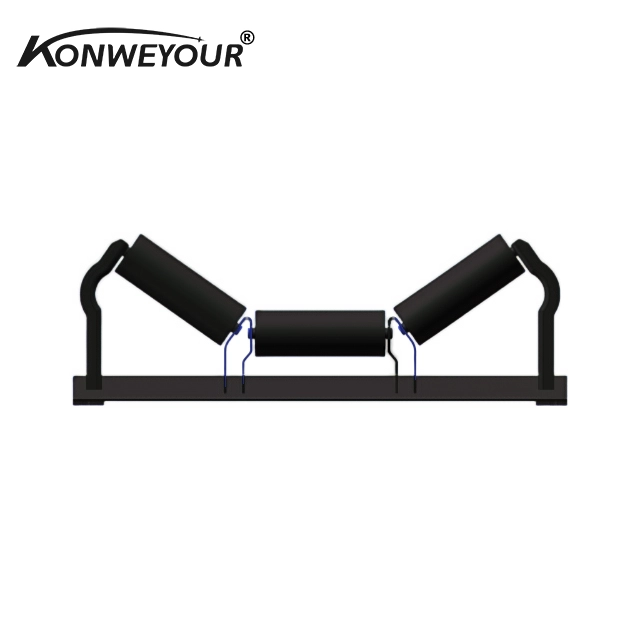
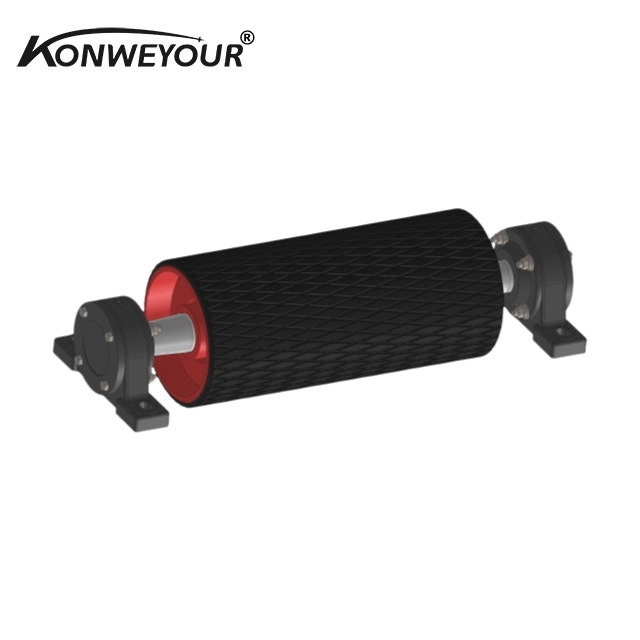
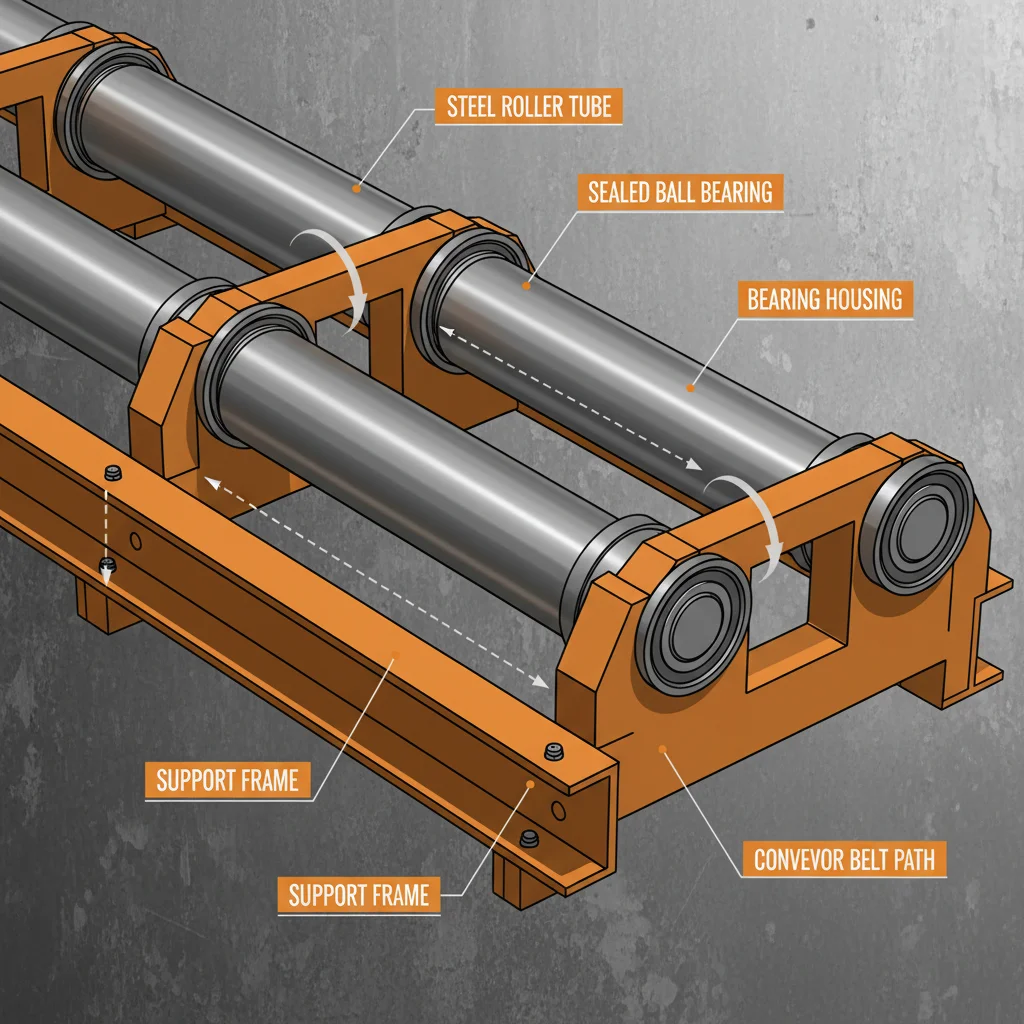
The heart of mobility, including rollers, motors, and control systems that govern belt speed and extension length. Many systems integrate smart sensors for safety and operational efficiency.
4. Support and Safety Features
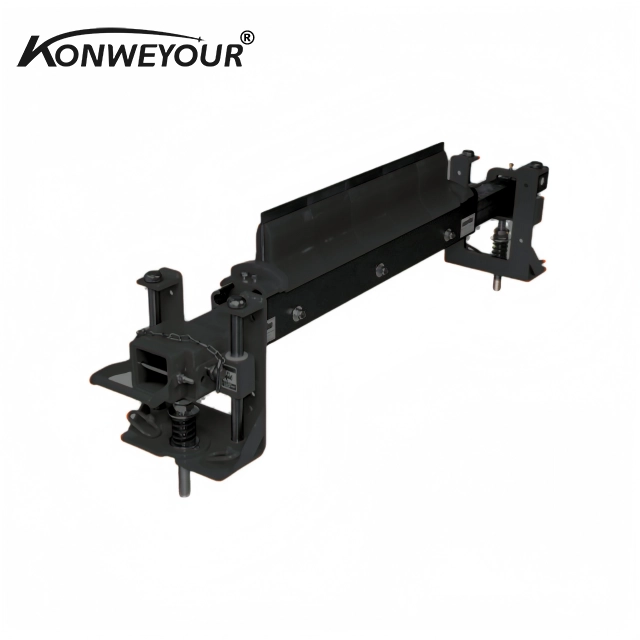
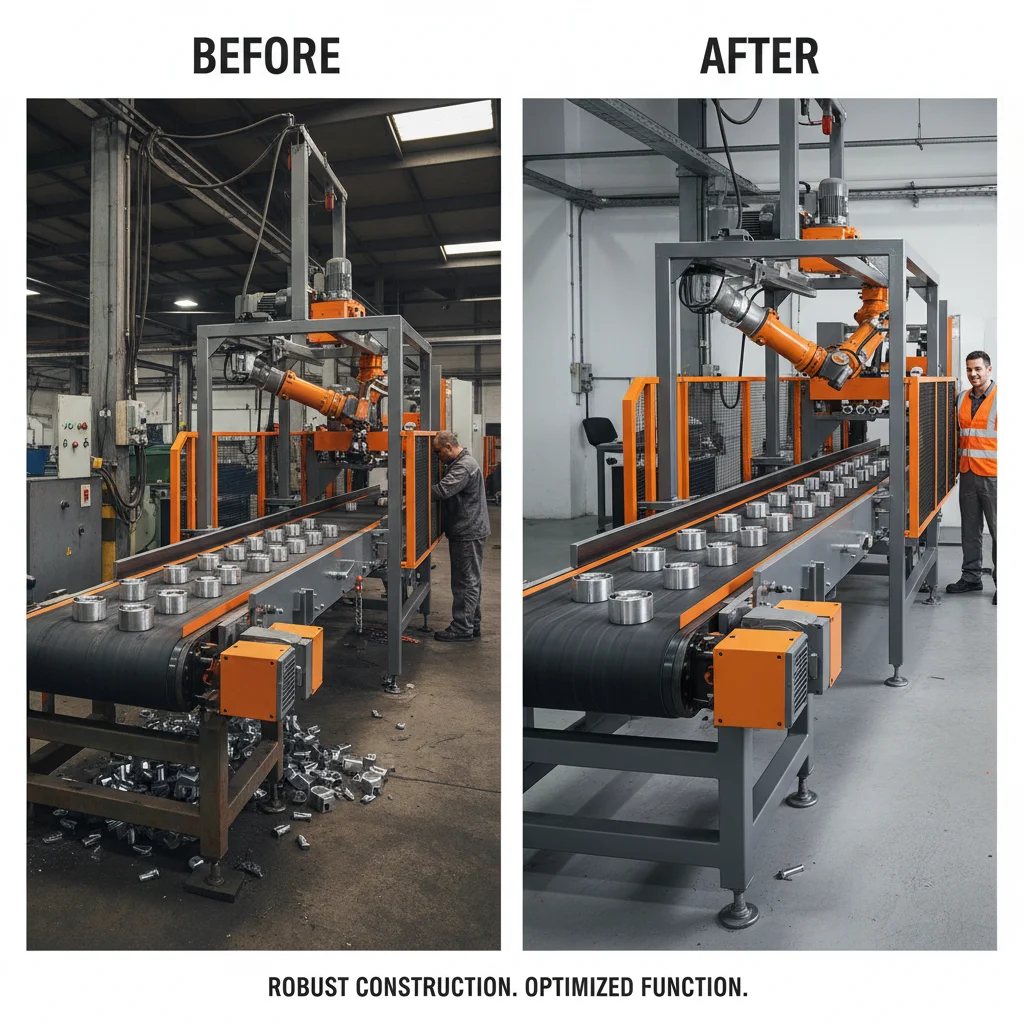
Telescopic conveyors come with adjustable legs, brakes, and safety guards. These components ensure stability and protect operators, especially in busy or hazardous environments.
5. Control Panel and Automation
Modern units often have digital control panels, remote operation capability, and automated speed adjustment that sync with warehouse management software.
Mini takeaway: Each piece — from extendable frames to smart controls — works in harmony to make telescopic belt conveyors robust, adaptable, and safe.
How the Telescopic Belt Conveyor Mechanism Serves the World
From bustling Hong Kong ports to remote mining sites in Botswana, these conveyors find their niche. Airports use telescopic conveyors to offload luggage quickly; large distribution centers like Amazon warehouses rely on them to streamline parcel movement. In disaster relief settings, such as after the 2010 Haiti earthquake, aid organizations deployed similar systems to speed up the distribution of vital supplies.
Even in developing regions, where infrastructure can be basic, these mechanisms help reduce human strain, speed up operations, and lower injury risk. Industries spanning automotive assembly, food and beverage packaging, and e-commerce fulfillment swear by their efficiency gains.
Typical Telescopic Belt Conveyor Basic Specifications
| Feature |
Specification |
Notes |
| Length (extended) |
8 - 15 meters |
Varies by model |
| Belt Width |
500 - 1000 mm |
Standard widths common |
| Load Capacity |
up to 1500 kg |
Depending on belt and frame |
| Speed |
10 - 20 m/min |
Adjustable speed controls |
| Power Supply |
Electric (230-400 V) |
Some battery-powered options |
Mini takeaway: These specs give a rough idea of what to expect — light-to-heavy loads, flexible lengths, and technologies that keep the belt moving smooth and safe.
Advantages & Long-Term Value of Telescopic Belt Conveyor Systems
- Cost Efficiency: Reduces reliance on manual labor, cuts loading time, and lowers injury risks — which saves money in the long haul.
- Scalability: Can adjust to varying cargo sizes and environments, from small warehouses to vast docks.
- Sustainability: Some newer models incorporate energy-efficient motors and recyclable materials.
- Social Impact: Improves workplace safety and dignity by easing heavy manual tasks.
- Reliability: Proven technology with decades of iterative improvements.
Frankly, it feels like a win-win for businesses, workers, and the planet. The emotional side — knowing workers are safer, quicker, and less exhausted — adds goodwill that’s hard to quantify but very real.
Vendor Comparison: Leading Telescopic Conveyor Providers
| Vendor |
Max Length (m) |
Load Capacity (kg) |
Automation Level |
Price Range (USD) |
| JT Conveyor |
15 |
1500 |
High (smart controls) |
$15,000 - $25,000 |
| ConveyorWorks Inc. |
12 |
1200 |
Medium (semi-automatic) |
$12,000 - $20,000 |
| Global Load Solutions |
10 |
1000 |
Basic (manual control) |
$9,000 - $15,000 |
Future Trends: What’s Next for Telescopic Belt Conveyor Mechanisms?
Automation and integration with AI and IoT platforms are accelerating. Some engineers I’ve chatted with expect fully autonomous telescopic conveyors that communicate with truck telematics to optimize docking and unloading before drivers even arrive.
Moreover, green energy adoption is on the rise — solar-powered or energy-recovery motors could make these systems carbon-neutral soon. Materials science is contributing too: lighter, stronger alloys and more recyclable belts mean less environmental footprint. Digital twins and simulation software are helping manufacturers design more efficient and durable units, cutting prototyping costs drastically.
Mini takeaway: As factories embrace Industry 4.0, telescopic belt conveyors will evolve from simple mechanical helpers to smart, sustainable workhorses.
What Challenges Do Users Face? And How Are They Solved?
Common issues relate to maintenance complexity, upfront costs, and adapting to irregular cargo sizes. Collapsed segments can sometimes jam, and rough handling can wear belts out prematurely.
Innovative solutions include modular designs that simplify part replacement, predictive maintenance powered by sensors, and flexible belt materials that can handle odd-shaped goods. Training and after-sales support also play a big role. Many companies offer customized conveyors tailored specifically to customer needs — reducing those headaches dramatically.
Frequently Asked Questions About Telescopic Belt Conveyor Mechanism
- Q: How quickly can telescopic belt conveyors be deployed at a new site?
A: Deployment time varies, but many models can be assembled and operational within hours thanks to modular design and simple controls. This efficiency is crucial for time-sensitive operations like disaster relief.
- Q: Are these conveyors safe to operate around people?
A: Yes, modern telescopic conveyors are equipped with safety guards, emergency stop features, and sensors to minimize accidents. Operators should still follow standard safety protocols, though.
- Q: Can telescopic conveyors handle heavy or oversized cargo?
A: They are designed for a wide range of loads—typically up to 1500 kg—and can be customized to accommodate oversized items. However, extremely irregular or heavy cargo might require specialized solutions.
- Q: What kind of maintenance do these mechanisms need?
A: Regular inspection of belts, rollers, and motors is recommended. Newer models include predictive maintenance sensors that alert operators before breakdowns, minimizing downtime.
- Q: How eco-friendly are telescopic belt conveyors?
A: Advances in materials and motors make many systems increasingly sustainable. Some companies even offer solar-powered options and recyclable belt materials to reduce environmental impact.
Conclusion: Why Embrace the Telescopic Belt Conveyor Mechanism?
In the grand scheme, telescopic belt conveyor mechanisms represent a blend of simplicity and sophistication — a tool that makes logistics better, faster, and safer. Whether you’re handling international imports or rushing aid to vulnerable populations, these conveyors prove indispensable. They cut costs, save time, and preserve human effort, ultimately making global supply chains more resilient.
Curious to see how this mechanism can transform your operation? Explore our telescopic belt conveyor mechanism offerings here, and join the many industries who’ve already benefitted.
Final thought: It’s one of those things you never notice until it’s missing — and suddenly, you realize just how much smoother the world runs with it.
References
- United Nations Statistics Division
- International Organization for Standardization (ISO)
- Wikipedia: Conveyor belt