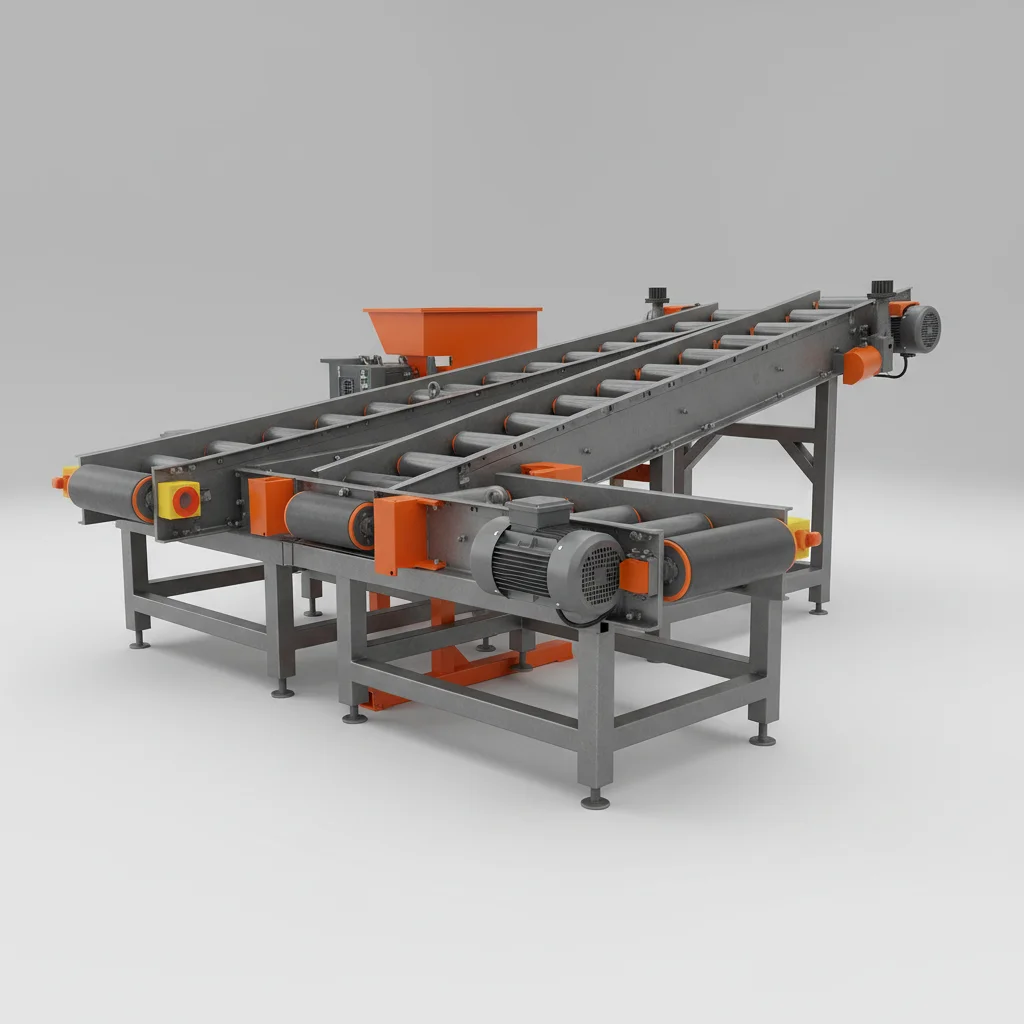
Understanding Flexible Belt Conveyors: Why They Matter Worldwide
Flexible belt conveyors might not be the headline grabbers of industrial technology, but their quiet efficiency is what keeps factories humming, supply chains moving, and humanitarian aid flowing across challenging terrains. Globally, as industries expand and logistics become more complex, the need for adaptable, reliable conveyor systems grows exponentially. The ability to customize conveyor pathways—bending around corners, adjusting length on-the-fly, or easily relocating—means operations can be more efficient, cost-effective, and responsive to changing demands.
In short, understanding flexible belt conveyors reveals how modern production and distribution tackle real-world constraints, from tight urban factory floors to disaster zones with no accessible roads. Plus, knowing their benefits points to smarter investment in infrastructure, sustainability, and workforce safety.
Why the World Needs Flexible Belt Conveyors
Industrial automation is booming—according to the International Federation of Robotics, global robot installations are expected to reach over 700,000 units annually by 2025. Parallel to this, material handling systems like flexible belt conveyors are integral in maintaining smooth flow without bottlenecks.
The World Bank estimates that the global logistics market will top $13 trillion by 2027, underscoring the colossal volume of goods moved daily. Flexible conveyors step in to solve challenges such as limited space, varying product sizes, and quick changeovers—often in environments where fixed conveyors simply wouldn’t cut it.
Plus, emerging markets and humanitarian organizations benefit. In disaster scenarios or refugee camps, where infrastructure is makeshift and needs change rapidly, these conveyors move essentials like food or medical supplies efficiently, sometimes in settings where vehicles can’t reach.
What Exactly Is a Flexible Belt Conveyor?
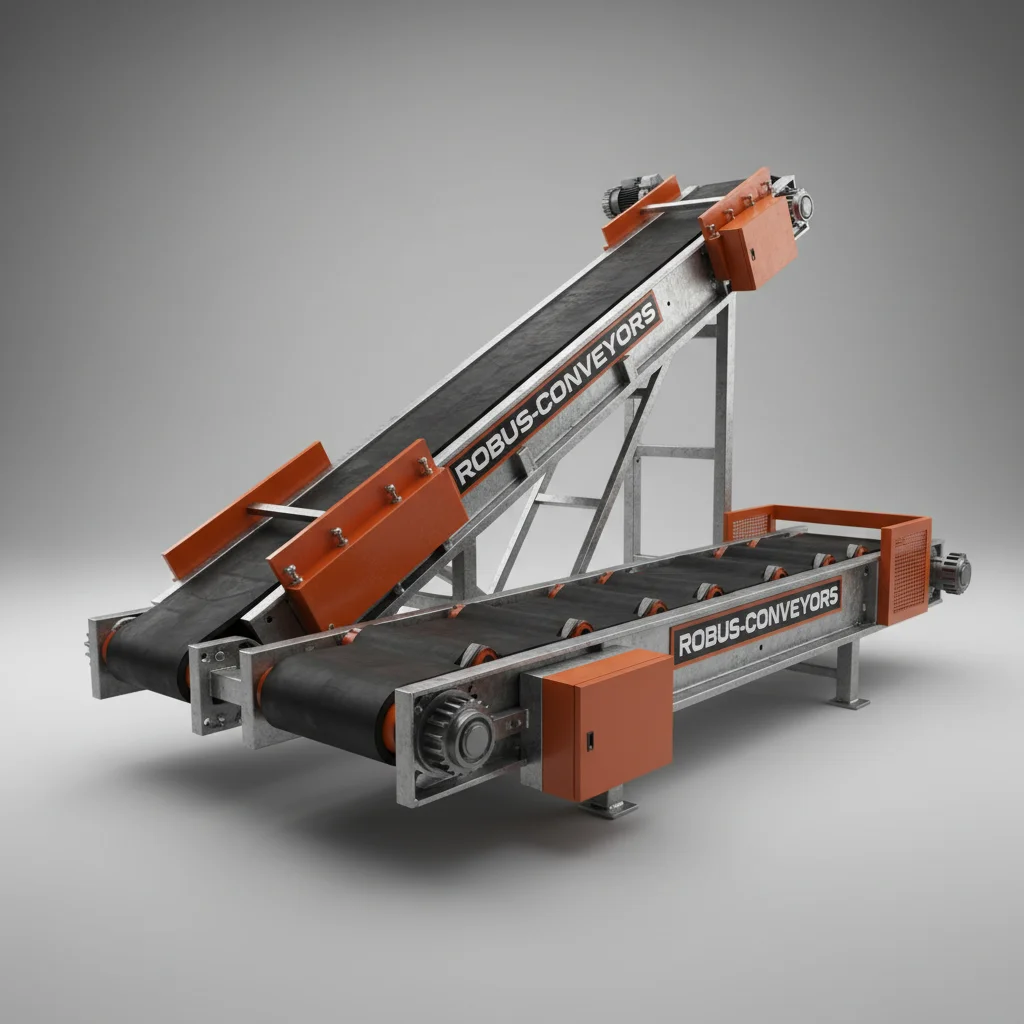
At its core, a flexible belt conveyor is a type of conveyor designed with modular sections linked together, allowing it to curve, bend, and adjust length according to the task at hand. Unlike traditional rigid conveyors, these systems can snake around obstacles or fold up for storage.
Imagine a conveyor that can stretch like a spring, wrap through warehouse aisles, or retract when not in use—that’s the essence of flexibility here. They typically come with a powered belt or roller system that can handle a variety of goods, from small packages to bulkier boxes.
This adaptability is crucial not only in automated factories but also in fast-paced shipping hubs or emergency relief operations where space, time, and logistics are all at a premium.
Mini Takeaway:
Flexible belt conveyors blend clever mechanics with user-friendly design, bridging the gap between rigid solutions and real-world challenges.
Key Components That Make Flexible Belt Conveyors Work
Durability and Material Quality
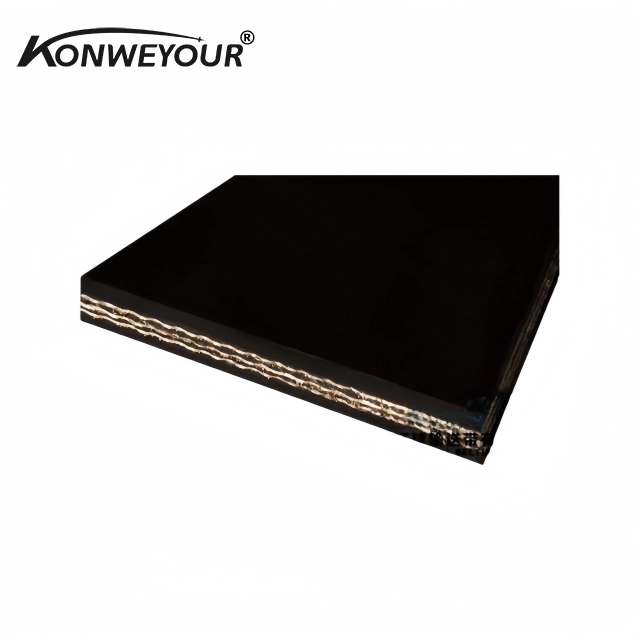
Many engineers swear by conveyors built from high-grade steel frames combined with wear-resistant belts or modular plastic elements. This mix ensures longevity—even under continuous operation or harsh conditions.
Modularity and Scalability
The key selling point is modular design. Add, remove, or curve sections—allowing plants to scale conveyors in step with production volume or layout changes. This flexibility often saves thousands in redesign costs.
Ease of Mobility
With caster wheels or foldable frames, flexible conveyors can be shifted between lines or stored away during off-peak times, maximizing floor space efficiency.
Power and Control Systems
Most models incorporate variable speed motors and easy-to-use control interfaces, giving operators fine control over throughput—a lifesaver in mixed-product environments.
Safety Features
Because conveyors can rearrange quickly, safety guards, emergency stops, and sensors are vital to prevent accidents during operation or repositioning.
Compatibility with Automation
Modern flexible belt conveyors increasingly support integration with robotic arms, sensors, and warehouse management software, enhancing their role in Industry 4.0 setups.
Mini Takeaway:
Flexible belt conveyors are all about balance—sturdy enough for industrial use, yet nimble enough for dynamic spaces.
Typical Flexible Belt Conveyor Specifications
| Parameter |
Range / Value |
Notes |
| Length |
2m to 20m |
Expandable via modules |
| Width |
300mm to 1,200mm |
Varies with product size |
| Belt Speed |
0.1 to 2 m/s |
Variable speed control |
| Weight Capacity |
Up to 150 kg/m |
Model dependent |
| Power Source |
Electric (110-240V) |
Standard in most models |
| Curve Angle |
0° to approx. 90° per section |
Determines pathway flexibility |
Where Flexible Belt Conveyors Change the Game
If you travel industrial zones from North America to Southeast Asia, you'd see flexible belt conveyors handling tiny electronics, food products, or packaged goods. The convenience of quickly adjusting conveyor pathways means warehouses in dense urban areas can optimize limited space.
A cool example comes from a Southeast Asian shipping hub where conveyor lines need daily re-routing based on unpredictable cargo arrivals. Another story worth telling is from an NGO operating in earthquake-hit regions of Nepal. Since roads are frequently impassable, flexible conveyors moved relief supplies from drop zones to camp areas that trucks couldn't reach — a reminder that technology often finds its deepest purpose in crisis.
In manufacturing, sectors such as pharmaceuticals, automotive assembly, and food packaging all benefit, often partnering with providers that can customize flexible belt conveyor systems to their exact needs.
Mini Takeaway:
The flexible belt conveyor is truly an unsung hero, adapting fluidly whether in factory chaos or global aid delivery.
Long-Term Advantages of Investing in Flexible Belt Conveyors
- Cost Efficiency: Modular setups reduce installation and reconfiguration costs. Moving a conveyor line once was costly and time-consuming; now it’s like rearranging furniture.
- Sustainability: Durable materials and reusability mean less waste compared to disposable solutions.
- Improved Safety: Fewer manual handling needs reduce workplace injuries.
- Operational Reliability: Smooth, continuous movement enhances throughput and reduces downtime.
- Emotional Impact: Workers feel a measure of control and dignity when processes run smoothly—less chaos, more pride.
Frankly, the best investments aren’t always the flashiest. Flexible conveyors represent innovation balanced with day-to-day pragmatism.
On the Horizon: Trends Shaping the Future of Flexible Belt Conveyors
Looking forward, several exciting developments are reshaping these conveyors:
- Smart Sensors & IoT Integration: Real-time monitoring of belt wear, load balancing, and predictive maintenance to avoid costly interruptions.
- Eco-Friendly Materials: Biodegradable belts and recyclable frames reduce environmental impact.
- Automation Compatibility: Integration with automated guided vehicles (AGVs) and robotic pickers for seamless workflows.
- Energy Efficiency: Use of low-power motors and regenerative braking systems to lower operational costs.
All this contributes to a future where flexible belt conveyors won’t just adapt physically but digitally too — smart, responsive, and sustainable.
Overcoming Common Challenges
Of course, nothing is perfect. Common issues include belt slippage in tight curves, maintenance complexity for long conveyor runs, and upfront costs that can be intimidating. Manufacturers are solving these problems through improved belt materials that offer better grip, modular electronics that simplify troubleshooting, and leasing models that reduce initial outlays.
Moreover, many operators adopt hybrid systems blending flexible conveyors with fixed lines, finding the sweet spot for performance and budget.
Comparing Leading Flexible Belt Conveyor Vendors
Vendor Comparison Overview
| Vendor |
Customization |
Warranty |
Service Network |
Typical Lead Time |
| Alpha Convey |
High (modular kits) |
3 years |
Global |
6-8 weeks |
| BeltFlex Solutions |
Medium (standard models) |
2 years |
Europe & Asia |
4-6 weeks |
| ConveyTek |
High (custom engineering) |
5 years |
North America |
8-12 weeks |
FAQ: Practical Questions About Flexible Belt Conveyors
- Q1: How quickly can a flexible belt conveyor system be deployed in a new facility?
- Deployment time varies but typically ranges from a few hours for small setups to several days for complex lines. The modular nature means no heavy construction is required, allowing rapid installation—sometimes within a day.
- Q2: What types of products can flexible belt conveyors handle?
- These conveyors are versatile—handling everything from small parcels and food items to boxes and light industrial parts. However, extremely heavy or very hot materials may require specialized conveyor types.
- Q3: Are flexible belt conveyors energy-efficient?
- Modern models incorporate energy-saving motors and control systems. Energy use is generally lower than fixed systems that require more extensive infrastructure and longer operational hours.
- Q4: Can flexible belt conveyors be safely operated in food processing areas?
- Yes, many flexible conveyors use FDA-compliant materials and are designed for easy cleaning, meeting strict hygiene standards.
- Q5: How do I maintain a flexible belt conveyor?
- Regular inspections, belt tension adjustments, and lubrication of moving parts are standard practices. Because of their modular design, individual sections can be serviced or replaced without shutting down the entire line.
Wrapping Up: Why Flexible Belt Conveyors Are a Smart Choice
Flexible belt conveyors are more than just conveyor belts that bend. They represent a shift towards adaptable, efficient, and human-centered material handling that meets the demands of global industries and humanitarian efforts alike. From saving precious time in manufacturing to delivering hope in crisis zones, their value can't be overstated.
For those interested in upgrading or exploring flexible conveyor solutions, I highly recommend visiting https://www.jtconveyor.com where you’ll find a great mix of products tailored for diverse applications.
In the end, the best technology is one that quietly blends into daily life yet makes a pronounced impact. Flexible belt conveyors do just that – and more.
References
- International Federation of Robotics
- World Bank Logistics Data
- Wikipedia Conveyor Belt Overview