Understanding Air Supported Belt Conveyor Systems and Their Global Impact
If you’re involved in bulk material handling or industrial logistics, you’ve probably heard the buzz around air supported belt conveyors. But what is it that makes these systems increasingly essential around the world? And why are engineers and facility managers alike turning to this type of conveyor technology more often?
At its core, the air supported belt conveyor is a clever solution designed to move materials smoothly, efficiently, and with minimal wear. It addresses critical challenges in industries ranging from mining to food processing, and even humanitarian operations. Understanding these conveyors can mean the difference between costly downtime and seamless, energy-efficient operations — not to mention better safety and lower maintenance costs.
In a world where every fraction of efficiency counts, learning about air supported belt conveyors offers real operational and strategic advantages.
Why Air Supported Belt Conveyors Matter on a Global Scale
Material handling is the backbone of modern industry. According to the International Organization for Standardization (ISO), efficient conveyor systems reduce energy consumption, lower emissions, and improve workplace safety globally. The World Bank estimates that hundreds of billions of tons of bulk materials are moved annually — and every gain in conveyor efficiency translates into millions in saved costs and fewer accidents.
However, many traditional conveyor systems suffer from high maintenance due to friction and component wear. That’s where the air supported belt conveyor concept shines. By reducing mechanical contact, these conveyors help extend operational life and cut energy use. In regions with remote industrial zones, such as parts of Africa and Australia, or in emergency relief logistics, reliable conveyor infrastructure can literally make or break operations under challenging conditions.
So, What Exactly Is An Air Supported Belt Conveyor?
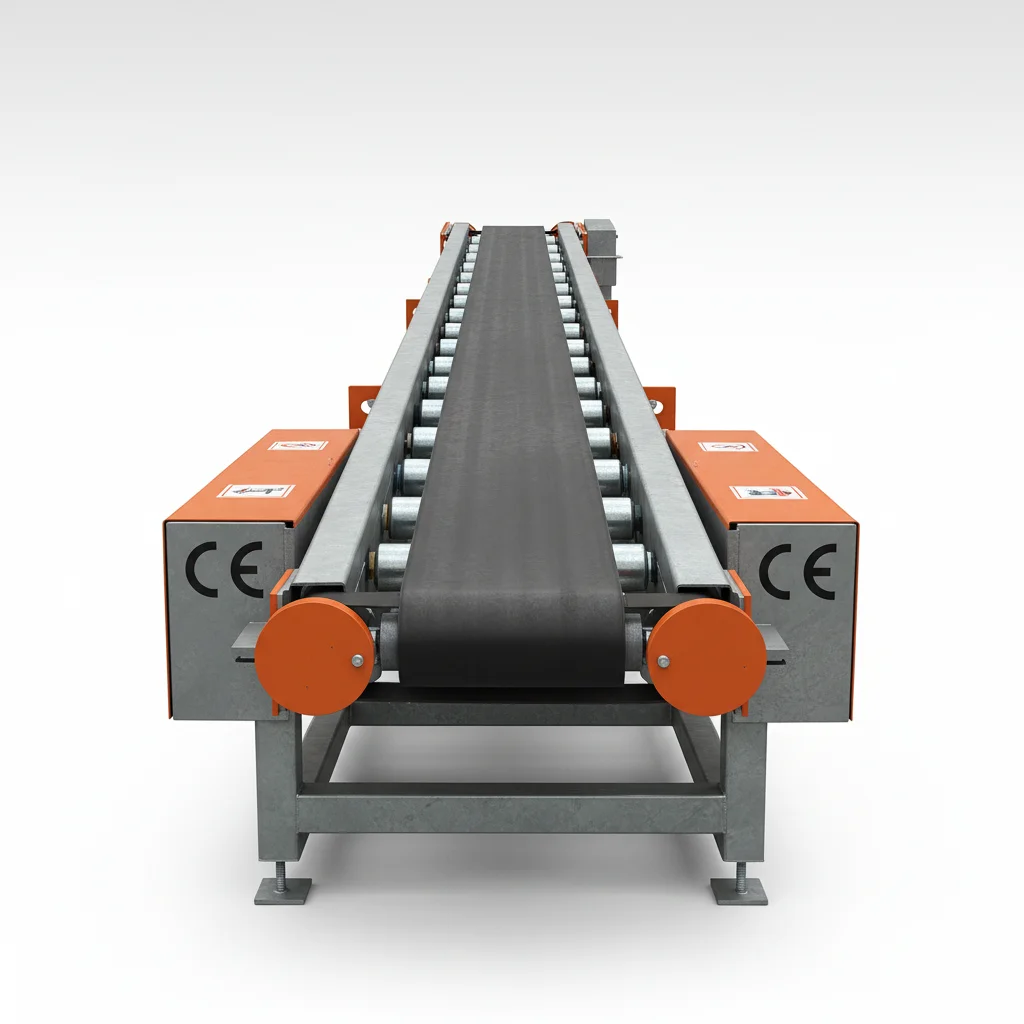
Simply put, an air supported belt conveyor is a belt conveyor system where the belt essentially floats on a cushion of air. Unlike traditional rollers or slider beds, it uses a thin film of pressurized air delivered through special plenum chambers underneath the conveyor belt. This cushion supports the belt and load, drastically reducing friction and wear.
Imagine skating on an air hockey table; the puck glides smoothly without touching the surface directly. Similarly, materials are transported on the conveyor belt without much direct mechanical contact with supporting parts. This high-tech glide provides efficiency and reduces downtime for maintenance.
Its roots lie in modern industrial needs — particularly where sustainable and low-maintenance equipment is a priority — but the principle carries great potential in humanitarian contexts too, where fast deployment and resilience are key.
Key Features That Define Air Supported Belt Conveyor Systems
1. Durability Through Minimal Contact
By removing physical rollers and replacing them with air cushions, wear on belts and equipment parts is significantly cut down. This means longer belt life and lower replacement costs. Many engineers report maintenance intervals stretching months or even years longer versus traditional conveyors.
2. Energy Efficiency
Less friction means less power required. Although compressors or blowers power the air cushion, overall energy used tends to be much lower. This efficiency aligns with ISO standards pushing for greener industrial practices worldwide.
3. Quiet Operation
Fewer moving mechanical parts can result in far less noise pollution—particularly important in urban or sensitive environments.
4. Scalability and Customization
Systems can be tailored to different belt widths, load capacities, and lengths. Whether you’re transporting light agricultural products or heavy ores, the air supported conveyor system can be tuned to your needs.
5. Reduced Dust and Contamination
The smooth operation also helps limit dust generation — a key factor for food and pharmaceutical industries with strict cleanliness standards.
6. Simplicity of Installation and Maintenance
Fewer mechanical parts mean easier inspection routines and faster troubleshooting — which is priceless in industries where downtime is expensive.
Mini Takeaway: Air supported belt conveyors offer reduced wear, energy savings, and quieter operation — benefits that pay off across a spectrum of industries worldwide.
Where Are Air Supported Belt Conveyors Making a Real Difference?
Globally, these systems have found their place across:
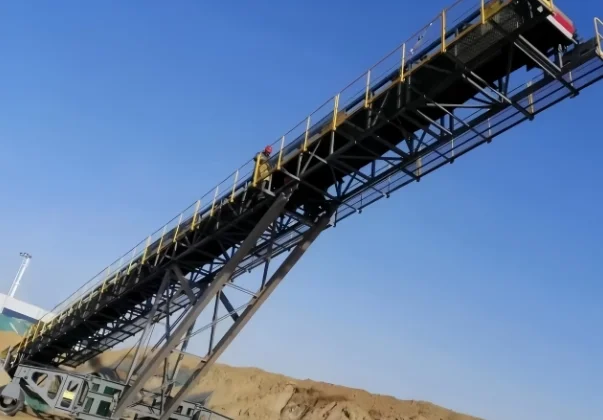
- Mining and Quarrying: Remote or harsh environments like the Australian Outback leverage them to reduce equipment failures and maintenance travel costs.
- Food and Agriculture: European and North American factories adopt them for dust control and preservation of delicate products.
- Humanitarian Aid and Disaster Relief: Often overlooked, emergency logistics teams use portable conveyor modules for rapid deployment of supplies in post-disaster zones.
- Ports and Bulk Terminals: In Asia and South America, busy bulk material terminals use them to increase throughput without downtime or lengthy rebuilds.
For example, in post-earthquake relief in Nepal, temporary conveyor setups using air supported technology sped up debris removal and aid distribution, reducing dangerous manual labor on unstable slopes.
Advantages and Long-Term Value of Air Supported Belt Conveyors
Beyond just operational efficiency, these conveyors deliver:
- Cost Savings: Fewer belt replacements, less downtime, lower energy bills.
- Environmental Benefit: Reduced power consumption and dust emissions support sustainability goals.
- Worker Safety: Reduced noise and fewer moving parts mean less risk of injuries.
- Reliability: You can count on continuous operations even in rough climates, fostering trust from partners and clients alike.
Frankly, from the perspective of facility managers, it feels like investing once and gaining reliability for years, with almost a “set it and forget it” vibe.
Future Trends Shaping Air Supported Belt Conveyor Technologies
What’s next?
- Green Energy Integration: Solar-powered blowers and compressed air systems aim to make these conveyors even more eco-friendly.
- Smart Sensing & IoT: Embedded sensors provide real-time monitoring of air cushion pressure, belt tracking, and maintenance alerts — preventing failures before they happen.
- Advanced Materials: New polymers and composites are being tested for belts and air chambers to improve lifespan under harsh conditions.
- Automation Compatibility: Integration with automated loading and unloading equipment makes systems more adaptive and reduces human error.
All pretty exciting if you appreciate subtle engineering refinements that save real dollars and headaches over time.
Overcoming Challenges in Air Supported Conveyor Deployment
Like any specialized tech, challenges exist:
- Initial Setup Cost: These systems aren’t the cheapest upfront, though payback is usually quick.
- Compressor Dependence: Air source reliability is critical; backup systems are recommended.
- Training Requirement: Staff must understand the unique maintenance needs versus traditional conveyors.
Innovations such as modular compressors, remote diagnostics, and comprehensive training programs have helped mitigate these issues. Many companies also opt for hybrid systems combining air-supported sections with traditional roller conveyors for optimized cost and performance.
Technical Specifications at a Glance
| Specification |
Typical Range / Value |
Notes |
| Belt Width |
300 to 2400 mm |
Customizable per load requirements |
| Load Capacity |
Up to 3000 kg/m |
Depends on belt strength & air pressure |
| Air Pressure |
0.5 to 1.5 bar |
Maintains belt lift and stability |
| Energy Consumption |
15-40% less than roller conveyor |
Varies based on load and length |
| Noise Level |
55-65 dB |
Considerably quieter than rollers |
Vendor Comparison: Choosing the Right Air Supported Belt Conveyor Supplier
| Feature |
JT Conveyor Co. |
AirGlide Systems |
Streamline Conveyors |
| Customization Options |
High (custom widths & materials) |
Medium (standardized models) |
Low (limited configurations) |
| Energy Efficiency |
Top-tier (industry-leading tech) |
Good |
Average |
| After-Sales Support |
24/7 global service |
Business hours only |
Limited |
| Lead Times |
4-6 weeks |
6-8 weeks |
8+ weeks |
| Price Level |
Mid-high |
Mid |
Low |
Frequently Asked Questions About Air Supported Belt Conveyors
Q1: How does an air supported belt conveyor reduce maintenance compared to traditional rollers?
Because the conveyor belt floats on a thin layer of pressurized air instead of rolling on many moving rollers, there’s significantly less mechanical wear. This reduces belt damage and the need to replace rollers or clean mud and dust buildup regularly.
Q2: Can air supported belt conveyors handle heavy or abrasive materials?
Yes, these conveyors are designed for a wide range of materials, including heavy ores and abrasive grains. The system’s compressed air pressure can be adjusted to provide stable support despite load weight or grain shape.
Q3: What power source is required for the air cushion system?
Typically, electrically powered compressors or blowers supply the compressed air needed. Many facilities integrate these with existing power grids, though solar or backup diesel options exist for remote locations.
Q4: How does an air supported belt conveyor improve workplace safety?
By reducing noise and vibration and eliminating pinch points caused by rollers, it lowers injury risks. Plus, minimal dust generation improves respiratory conditions, especially important in mining or food industries.
Q5: Are these conveyors suitable for cold or harsh environments?
Absolutely. Since they have fewer mechanical parts exposed to wear or freezing, they often outperform traditional conveyors in extreme weather. Plus, some vendors offer cold-resistant belts and sealed air plenums.
Wrapping Up: Why Consider Air Supported Belt Conveyors?
After spending time with the idea of air supported belt conveyors, I keep coming back to their quiet brilliance: pushing hard against the friction and downtime that plague so many industries today. They bring cost savings, greener operations, and safety improvements that are no small matter.
If your operation requires reliable, long-lasting, energy-smart material handling, it’s worth checking out the options at JT Conveyor. Where traditional conveyors stumble in wear and cost, this type of technology glides forward — sometimes quite literally on air.
In the end, these conveyors aren’t some far-off invention; they’re quietly changing how bulk materials move around the world — and I suspect their role is only going to get bigger.
References & Inspiration
- International Organization for Standardization (ISO)
- World Bank - Infrastructure & Logistics Reports
- Wikipedia – Conveyor Belt Technology