Understanding the Flat Belt Conveyor: A Quiet Hero of Modern Industry
It’s funny how some technology just slips by unnoticed — yet shapes the very fabric of global industry and commerce. The flat belt conveyor is exactly that kind of hero. Simple, reliable, and ubiquitous, flat belt conveyors underpin the smooth flow of goods, materials, and even humanitarian aid across continents. But why should we care about this humble conveyor type? Well, aside from moving products seamlessly, it plays a pivotal role in efficiency, cost management, and adapting to diverse global challenges from manufacturing plants in Germany to disaster relief supply lines in Southeast Asia.
Why Flat Belt Conveyors Matter in the Global Context
Worldwide, logistical efficiency—or the lack of it—can make or break industries. According to the World Bank, supply chain inefficiencies cost businesses an estimated 11% of revenue annually. Enter the flat belt conveyor: a sleek, efficient solution that moves everything from parcels at Amazon warehouses to raw materials in heavy industries. The International Organization for Standardization (ISO) also sets quality benchmarks for conveyor reliability, recognizing their critical role in safety and sustainability. But there’s a growing challenge: as demand surges, conveyors must handle heavier loads, faster speeds, and variable conditions — all while being energy efficient and adaptable to digital controls.
That’s the big picture. Without reliable conveyors, industries risk delays, accidents, and costing hard-earned profits. And ironically, some of the most exciting innovations in supply chains depend on mastering even these “old school” components.
What Exactly Is a Flat Belt Conveyor?
At its simplest, a flat belt conveyor is exactly what it sounds like: a continuous flat belt that runs over pulleys to transport items from one place to another. Think of it like a treadmill but designed to carry goods instead of people. These belts often feature materials like PVC, rubber, or fabric to provide ruggedness or grip depending on the use case. It’s a versatile design — from moving fragile electronics across assembly lines to bulkier objects like cartons or packages.
Beyond just factory floors, flat belt conveyors also pop up in humanitarian contexts — for example, speeding the distribution of relief packages after earthquakes or floods, where quick, reliable transport means lives saved. In these cases, simplicity, durability, and ease of deployment become crucial.
Core Components and Key Factors That Make Flat Belt Conveyors Work
1. Durability: Built to Last
Flat belts must resist abrasion, stretching, and environmental pressures — think dust, moisture, or heat. Materials like reinforced rubber offer both elasticity and toughness, extending lifespan while minimizing downtime. Many engineers say that a well-chosen belt cuts maintenance headaches significantly.
2. Scalability and Customization
One of the coolest things about flat belt conveyors: you can configure them for short or long runs, curved or straight lines, and varying load weights. This scalability is why they fit so many industries. Plus, modular frames and adjustable speeds make them flexible for evolving production needs.
3. Cost Efficiency and Energy Consumption
Flat belt conveyors typically require less energy than some alternatives, especially when optimized for low-friction designs and efficient motors. For companies watching energy bills or aiming to meet ISO 50001 energy standards, this can be a game changer.
4. Maintenance and Reliability
Flat belts are generally easier to maintain than more complex conveyor types. Regular inspections and occasional belt replacements are usually enough to keep them humming. Predictive maintenance with sensors is becoming more popular, cutting unexpected stoppages further.
5. Safety Features
Modern conveyors integrate safety guards, emergency stops, and intelligent sensors. Protecting workers while keeping the flow unbroken is a delicate balance but one that flat belt systems manage well.
Mini Takeaway:
Choosing the right flat belt conveyor means balancing durability, customization, cost, and safety—all factors that shape day-to-day reliability, especially when scaling operations or adapting to unforeseen challenges.
Where Flat Belt Conveyors Really Shine Around the World
From dense automotive factories in Germany to sprawling e-commerce fulfillment centers in the USA, flat belt conveyors are everywhere. But less obvious is how they serve in diverse, sometimes surprising contexts:
- Post-Disaster Relief: Quick setup conveyor lines help sort and distribute supplies efficiently in places like Nepal or Puerto Rico.
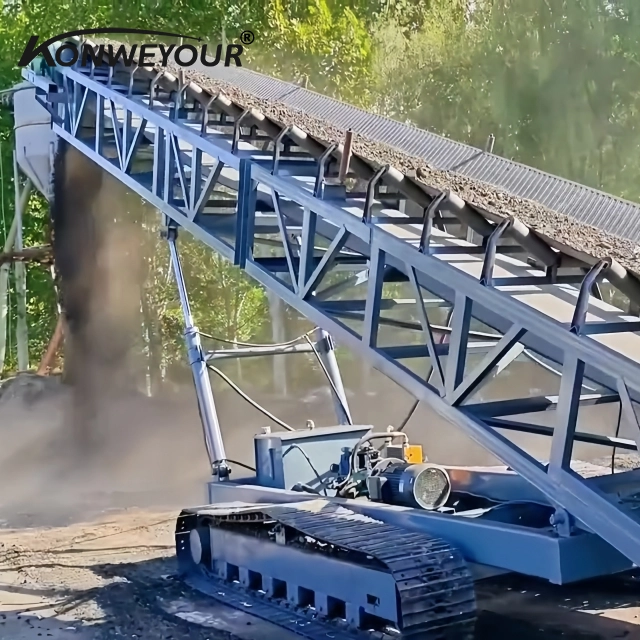
- Remote Mining Sites: Harsh environments require belts with extreme durability and often special coatings to transport ores safely.
- Agriculture: Conveyors are used to move bulk grain, fruits, and processed goods, for example in grain export terminals in Australia.
- Airport Baggage Systems: Ensuring luggage moves quickly and safely—a crucial efficiency factor worldwide.
Oddly enough, the conveyor’s universal design fits so many different sectors — that’s part of its quiet power.
Product Specification Table: Typical Flat Belt Conveyor Model
| Specification |
Details |
| Belt Material |
PVC with reinforcing fabric |
| Belt Width |
300mm - 1200mm (customizable) |
| Belt Speed |
0.1 - 3.0 m/s |
| Load Capacity |
Up to 150 kg/m |
| Frame Material |
Powder-coated steel or stainless steel |
| Drive Type |
Electric motor (variable frequency drive) |
| Typical Applications |
General material handling, packaging, sorting |
Comparing Leading Flat Belt Conveyor Vendors
| Vendor |
Customization |
Energy Efficiency |
Pricing |
After-Sales Support |
| JT Conveyor Tech |
High (custom lengths, motor types) |
Excellent (low-friction belts) |
Mid-range |
24/7 technical support |
| Global Convey Systems |
Medium (standard modules only) |
Good |
Higher |
Business hours support |
| SpeedFlow Conveyors |
Low (mostly fixed models) |
Fair |
Budget |
Limited, online only |
Why Flat Belt Conveyors are Worth the Investment
When you start factoring in cost savings from energy efficiencies, lower downtime, and ease of maintenance, flat belt conveyors quickly prove their worth. Many companies share how investments here ripple out: safer workspaces, faster project turnarounds, and less frustration over logistics hiccups.
Beyond the dollars, there’s an emotional payoff — trusting your conveyor means trusting that your business flow won’t falter. Innovation is also part of the deal, with newer materials and IoT-enabled sensors bringing smart monitoring. So, in the bigger scheme of things, flat belt conveyors help protect not just products, but also human dignity by safeguarding jobs and ensuring safety.
The Road Ahead: Future Trends & Innovations
Looking forward, the flat belt conveyor is not standing still. Here’s what’s shaping its future:
- Eco-friendly Materials: Biodegradable and recycled materials are entering belts to appeal to sustainability goals.
- Automation and IoT: Conveyor systems will increasingly talk to factory management software, enabling predictive maintenance and dynamic speed adjustment.
- Energy Harvesting: Some vendors are experimenting with regenerating energy during braking phases to reduce power bills.
- Modularity and Rapid Deployment: Conveyors designed for quick setup and reconfiguration to suit agile manufacturing or relief operations.
Challenges That Still Need Attention – and How To Overcome Them
Of course, conveyors are not magic. Belt wear and tear still cause planned downtime, and initial costs can be a stumbling block for small businesses. Handling very uneven or bulky loads may require design tweaks. Plus, integration with newer digital systems can be bumpy for facilities stuck with legacy infrastructure.
Yet, many solutions exist: adopting predictive maintenance tools, investing in belt quality checks, and working with experienced suppliers (like JT Conveyor) can smooth over these wrinkles. Training workers and layering in safety protocols also make a big difference. It feels like the whole ecosystem needs a gentle push towards smarter, more connected conveyors to keep pace.
FAQ: Practical Questions About Flat Belt Conveyors
Q1: How do I choose the right belt material?
A: Your choice depends on the goods you're moving and environmental conditions. For example, rubber belts work well with abrasive or oily materials, while PVC belts suit lightweight, dry goods. Always consider temperature, moisture, and chemical exposure in your selection.
Q2: Can flat belt conveyors be used outdoors?
A: Yes, but they require special weather-resistant belts and corrosion-proof frames. Some models come with UV-resistant coatings and sealed electronics to endure harsh conditions.
Q3: What maintenance does a flat belt conveyor need?
A: Routine maintenance includes belt inspections for wear, checking pulley alignment and tension, cleaning to prevent debris buildup, and lubrication of moving parts. Some facilities integrate sensors for predictive upkeep.
Q4: How does speed affect conveyor performance?
A: The speed has to match your load type and production needs. Too fast can cause spillage or damage; too slow may bottleneck operations. Variable frequency drives help fine-tune speed dynamically.
Q5: Are flat belt conveyors environmentally friendly?
A: Modern flat belts are increasingly designed for energy efficiency and made from recyclable materials. Combined with energy-saving motors, they support sustainability initiatives.
Wrapping It Up: Why Flat Belt Conveyors Remain a Smart Choice
In the end, flat belt conveyors are a quiet backbone supporting everything from daily manufacturing to global humanitarian efforts. Their blend of simplicity, flexibility, and continuous evolution means they’re not just yesterday’s invention but tomorrow’s workhorse. If you’re considering upgrading or expanding your material handling, a high-quality flat belt conveyor, like those from JT Conveyor, might just be that reliable partner you need.
Feel free to explore more — sometimes, it’s the small stuff that keeps the world turning.
References:
- World Bank Logistics Performance
- ISO Safety and Quality Standards for Conveyors
- Wikipedia: Conveyor Belt Overview