Understanding Small Powered Belt Conveyors: Why They Matter Globally
When you think about moving materials efficiently, big factories or sprawling warehouses might come to mind first. But often, the real game-changers are small powered belt conveyors, these nimble devices quietly powering productivity across industries worldwide. From sorting parcels in e-commerce hubs to aiding humanitarian relief efforts in hard-to-reach areas, understanding these compact conveyors unlocks a deeper appreciation of how modern supply chains and workflows stay nimble and efficient.
Globally, the demand for streamlined material handling solutions is only rising. According to the International Organization for Standardization (ISO), automation and mechanization help reduce labor risk and increase throughput in logistics and manufacturing. Small powered belt conveyors stand right in the middle of these trends — bringing just enough muscle without the bulk of massive conveyor lines.
In short: learning about these conveyors isn’t just about hardware. It’s about the future of work, safety, and sustainability across sectors and continents.
The Global Landscape: How Small Conveyors Tackle Big Challenges
Numbers have a way of telling stories, don’t they? The World Bank reports that global manufacturing output is expected to grow steadily over the next decade, with Asia and Africa showing sharp increases. These markets especially benefit from flexible, cost-efficient material handling equipment, like small powered belt conveyors.
But here’s the catch: in developing regions, infrastructure limits often make it tough to deploy large conveyor systems, let alone maintain them. Small powered belt conveyors solve this problem by being modular and portable — they can be set up quickly, even in remote or temporary work sites.
They're not just tools for industry giants. Plenty of NGOs and humanitarian organizations turn to these compact conveyors for rapid-response logistics after disasters — when speed and reliability can literally save lives.
Small Powered Belt Conveyors: What Are They, Really?
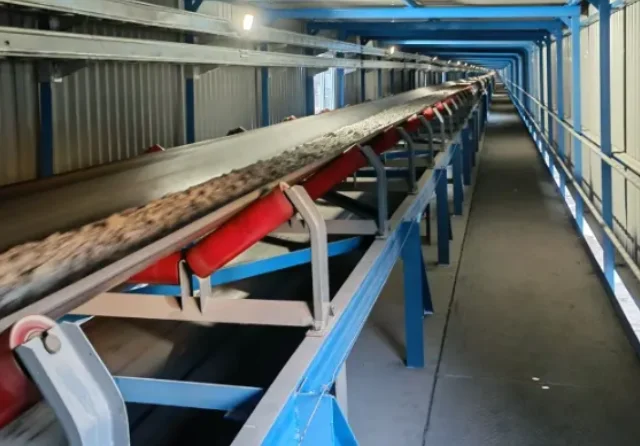
At its core, a small powered belt conveyor is a mechanical system featuring a continuous belt driven by a motor to move materials—think boxes, bags, or parts — from one point to another. Unlike their oversized cousins, these conveyors prioritize agility and adaptability over sheer volume.
Imagine a suitcase on a moving walkway — that’s roughly how these conveyors move goods, just on a smaller, more tailored scale. Their modest size often means they can be wheeled into place or integrated into existing lines without major space rewiring.
In modern industry, they’re indispensable for light assembly lines, packing stations, and sorting centers. Meanwhile, in humanitarian settings, they help with efficiently refueling supply chains for food, medical supplies, or construction materials.
Key Features That Define Small Powered Belt Conveyors
1. Durability and Build Quality
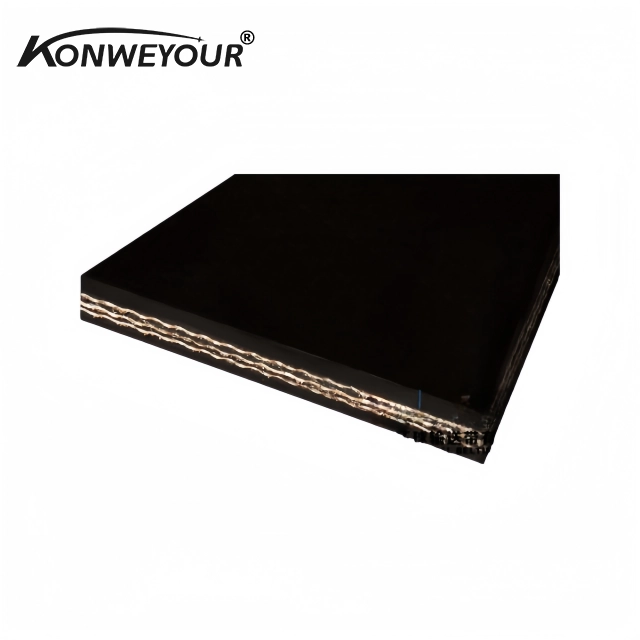
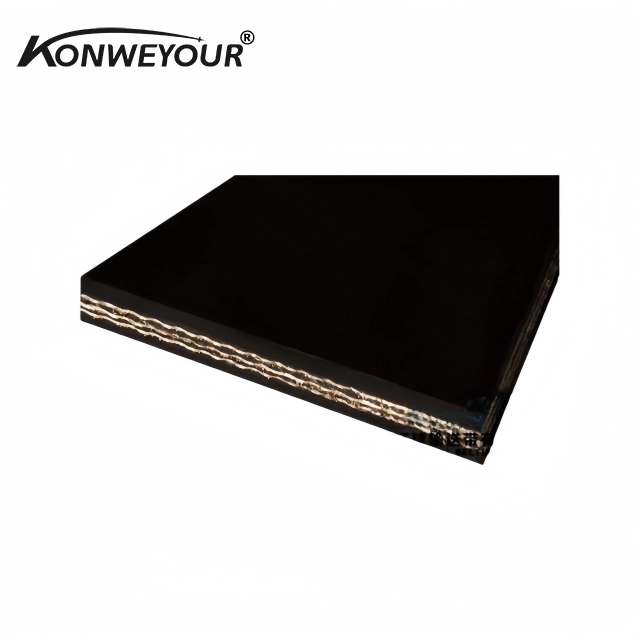
It’s no use deploying conveyors that break down when the stakes are high. These units typically feature corrosion-resistant frames—often steel or aluminum—and belts designed to handle wear without tearing. Many engineers I’ve talked to say that a well-built conveyor can operate seamlessly for years with minimal maintenance.
2. Scalability and Modularity
One nice aspect is how these systems can stack or link together, creating longer runs or different configurations on the fly. In practice, this means a warehouse can start with a few units and expand as demand grows, without replacing existing equipment.
3. Energy Efficiency and Power Options
Flexibility in powering these conveyors matters. Some models rely on standard AC motors, others use battery packs or solar panels — especially important in remote areas where grid power is unreliable.
4. Cost Efficiency
From upfront purchase price to operating costs, these conveyors are designed to be affordable yet reliable. For smaller businesses or NGOs, this balance is often a make-or-break factor.
5. Ease of Maintenance
Parts that wear out — like belts, pulleys, and motors — are generally designed for quick replacement. This cuts downtime, and frankly, reduces headache and lost profits.
Mini Takeaway
All these features make small powered belt conveyors incredibly versatile — a toolbox piece that fits almost anywhere.
How Small Powered Belt Conveyors Make an Impact Worldwide
If you ever visited a bustling distribution center, you’d notice compact conveyors zip around packages at amazing speeds. In regions like Southeast Asia and Eastern Europe, many small to mid-sized manufacturers rely on these conveyors because infrastructure isn’t suited for massive automated lines yet.
In a different vein, relief agencies use these conveyors in post-disaster zones. For instance, after the 2010 Haiti earthquake, makeshift distribution hubs deployed small powered conveyors to move supplies faster across damaged roads and warehouses.
Mining operations in remote areas of Australia also depend on these conveyors — often solar-powered — to transport minerals from one point to another efficiently, and safely.
Mini Takeaway
Whether in remote industrial zones or disaster areas, these conveyors prove their worth in varied environments.
Advantages and Long-Term Value
- Cost Savings: Reduced labor costs and fewer manual handling injuries.
- Sustainability: Energy-efficient motors and materials that last longer.
- Reliability: Proven technology with predictable maintenance cycles.
- Social Impact: Safer work environments and quicker relief logistics.
- Innovation & Trust: Building confidence through proven modular solutions.
Frankly, there's something reassuring about machines that quietly work in the background, day after day, without constant supervision or breakdowns.
Product Specifications at a Glance
| Specification |
Typical Value |
Notes |
| Belt Width |
200–600 mm |
Adaptable to small items |
| Conveyor Length |
1.2–3 meters |
Modular sections possible |
| Motor Power |
0.25–0.75 kW |
Variable speed controls |
| Speed Range |
0.1–1 m/s |
Adjustable to task |
| Power Options |
AC, DC, Solar |
Flexible deployment |
| Weight |
30–80 kg |
Portable models available |
Comparing Leading Small Conveyor Vendors
| Vendor |
Price Range |
Key Features |
Warranty |
| JT Conveyor |
$1500–$4000 |
Modular, energy-efficient, easy maintenance |
2 years |
| FlexiMove |
$1200–$3500 |
Lightweight, portable, variable speed |
18 months |
| ConveyPro |
$1800–$4500 |
Solar options, rugged frame |
2 years |
The Horizon: Trends and Innovations in Small Powered Belt Conveyors
Innovations are pouring in, especially around green energy and automation. Battery technology improvements allow small conveyors to operate longer off-grid, supporting operations in places that literally sit outside the electrical map.
Moreover, IoT (Internet of Things) integration is growing. Sensors help predict maintenance needs well before failures occur. I recently saw a setup where smart conveyors communicated with a warehouse management system, adjusting speeds dynamically based on order flow.
Another trend: eco-friendly belt materials made from recycled or biodegradable components, responding to increasing demands for sustainable manufacturing. Honestly, it feels like these conveyors are set to become not just smart but conscious.
Current Challenges and How Experts Are Tackling Them
Despite their usefulness, small powered belt conveyors aren't perfect. Common issues include:
- Wear and tear in harsh environments
- Power supply inconsistencies in remote zones
- Limited load capacity compared to larger systems
To counter these, companies focus on using more durable materials, hybrid power solutions (solar plus grid), and modular designs that let users add units in parallel to increase capacity when needed. Plus, many vendors now provide remote diagnostic tools — a real boon for operators miles away.
FAQ: Your Practical Questions About Small Powered Belt Conveyors
- Q1: How easy is it to install small powered belt conveyors in existing setups?
- A1: Most small conveyors are designed with plug-and-play modularity, allowing quick installation without major infrastructure changes. They often come with adjustable legs and connectable sections to fit specific layouts.
- Q2: Can small powered belt conveyors be used outdoors?
- A2: Yes, but with caveats. Models with weather-resistant coatings and sealed motors are recommended for outdoor use. Solar-powered units are especially useful where grid power is unavailable.
- Q3: What maintenance is required to keep these conveyors running smoothly?
- A3: Routine checks include belt tension and alignment, motor lubrication (if needed), and cleaning of debris. Many units offer tool-free access for quick part replacements, minimizing downtime.
- Q4: Are these conveyors customizable for unique industry needs?
- A4: Absolutely. Vendors typically offer options like specialized belt materials, variable speeds, and integration with sensors or safety guards, tailoring conveyors to task demands.
- Q5: How do small powered belt conveyors compare cost-wise to manual handling?
- A5: While initial investment is higher than manual labor, conveyors reduce long-term costs by improving throughput, reducing injury risk, and lowering operational delays — making them smart bets for sustained efficiency.
Conclusion: Why Small Powered Belt Conveyors Deserve Your Attention
It’s easy to overlook the humble conveyor in the grand theater of logistics and manufacturing. Yet, small powered belt conveyors quietly deliver huge value — from improving job safety to enabling supply chains in some of the most challenging settings on Earth.
If you’re curious about how these versatile conveyors could fit your operation, or want to explore small powered belt conveyors tailored for your needs, just hop onto their site. Sometimes, the best upgrades come in small packages.
References
- International Organization for Standardization - Automation and Robotics
- World Bank Data - Manufacturing Output
- Wikipedia - Conveyor Belt