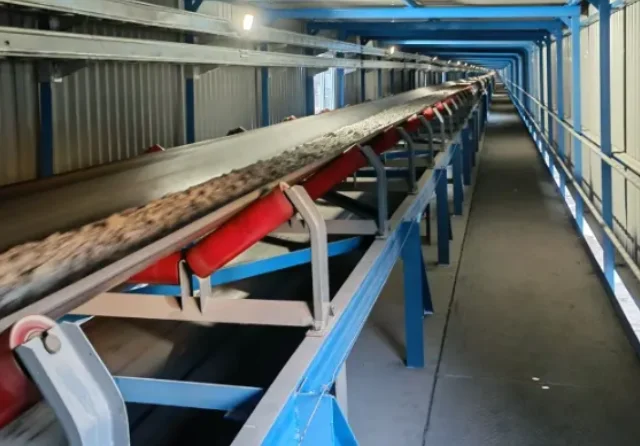
The Stainless Steel Screw Conveyor: A Quiet Workhorse in Modern Industry
When you think of industrial machinery, flashy motors or giant cranes might come to mind—but often, the real heavy lifters are simpler, gnarly bits like the stainless steel screw conveyor. This humble device plays a critical role in moving bulk materials smoothly and safely through countless industries worldwide. Understanding its design, benefits, and innovations isn’t just technical trivia; it opens a window into efficient manufacturing, clean food processing, and even disaster relief efforts.
Why Stainless Steel Screw Conveyors Matter Globally
Global industries are racing to improve efficiencies while reducing contamination risks and environmental impacts. According to the International Organization for Standardization (ISO), standards for equipment in food, chemical, and pharmaceutical sectors emphasize hygiene and durability — exactly where stainless steel shines. The World Bank notes that reliable bulk material handling equipment plays a crucial role in agricultural supply chains especially in developing regions, reducing waste from spoilage and contamination.
Yet, many facilities struggle with material degradation, food safety hazards, and escalating maintenance costs. Enter the stainless steel screw conveyor — a simple but elegant solution addressing these challenges by offering long service life, corrosion resistance, and gentle handling.
What Exactly Is a Stainless Steel Screw Conveyor?
Put simply, this conveyor consists of a rotating helical screw blade (the “flighting”) inside a cylindrical or trough-shaped housing, typically made from stainless steel alloys. As the screw turns, it transports bulk materials—powders, grains, granules—along the housing's length.
The choice of stainless steel is critical for resisting corrosion, ensuring hygienic transport of food ingredients or chemicals, and standing up to harsh cleaning regimes. These conveyors are vital in industries like food production, pharmaceuticals, wastewater treatment, and even mining.
Mini takeaway:
- The stainless steel screw conveyor is the backbone for hygienic, corrosion-resistant bulk transport in many critical industries worldwide.
Key Features That Drive Their Utility
Durability and Corrosion Resistance
Stainless steel resists oxidation and chemical attack, making these conveyors invaluable in food processing or chemical plants where contamination or rust could ruin products or equipment.
Scalability and Customization
From small laboratory setups to massive industrial plants, screw conveyors can be tailored. Whether you need horizontal or inclined transport, sealed troughs or open tops, a wide variety of specs fit the bill.
Cost Efficiency and Maintenance
Though initial investment might be higher than carbon steel, stainless steel systems slash downtime and repair costs. Their easy-to-clean surfaces reduce labor-heavy sanitation processes.
Safe and Hygienic Operation
FDA-compliant stainless grades and polished surfaces meet stringent food safety criteria. No crevices where bacteria can hide, and simple designs speed cleaning.
Energy Efficiency
Many modern designs focus on reducing power draw while maintaining consistent throughput, which helps minimize operational costs in energy-conscious plants.
Material Compatibility
Excellent for handling sticky, abrasive, or corrosive materials—ingredients common in pharmaceuticals or waste treatment sectors.
Mini takeaway:
- Durability, hygiene, flexibility, and energy savings make stainless steel conveyors a no-brainer for many industries.
Where Are Stainless Steel Screw Conveyors Making a Difference?
You’ll find these conveyors in plants around the globe. In Europe, they dominate food mills and breweries where cleanliness is king. In Southeast Asia, chemical and fertilizer plants depend on them for safe, reliable handling.
On the humanitarian side, organizations like the United Nations have used them in temporary water treatment facilities in disaster areas to move sludge safely. Remote mining operations in Australia rely on stainless steel conveyors that withstand harsh, corrosive environments without frequent part swaps.
Even burgeoning biofuel plants in North America appreciate the mix of durability and low contamination risk when moving organic feedstocks.
Mini takeaway:
- Stainless steel screw conveyors serve diverse global industries and even humanitarian projects by moving materials safely and efficiently.
Specifications at a Glance
| Specification |
Typical Value / Range |
| Material Grade |
304, 316, 316L Stainless Steel |
| Diameter Range |
100 mm – 900 mm |
| Length |
Up to 30 meters (customizable) |
| Motor Power |
0.25 – 30 kW (depending on size) |
| Temperature Range |
-20°C to 350°C |
| Incline Angle |
Up to 30 degrees |
| Surface Finish |
Mill, Polished, Electro-polished |
Vendor Comparison: Choosing the Right Stainless Steel Screw Conveyor Partner
| Feature / Vendor |
JT Conveyor |
SteelFlow Ltd. |
Global Screw Systems |
| Material Grades Offered |
304, 316L |
304, 316 |
316L, Duplex Stainless |
| Custom Lengths |
Yes, up to 30m+ |
Limited to 20m |
Yes, up to 25m |
| Sanitary Design |
FDA-compliant options |
Standard hygienic |
Available on request |
| Lead Time |
4–6 weeks |
6–8 weeks |
5–7 weeks |
| Automation Integration |
Available |
Basic |
Advanced |
| Warranty |
2 years |
1 year |
2 years |
Advantages & Long-Term Value
Time and again, engineers tell me the bottom line is less downtime and better product safety. Stainless steel conveyors minimize contamination risks, which is non-negotiable in food and pharma. Plus, they stretch maintenance intervals, saving money and grief.
There's also an emotional win here—workers feel safer handling clean, well-designed equipment. No grimy rust patches or erratic material spills. That sense of dignity, especially in settings like humanitarian aid or food banks, is priceless.
Looking Ahead: Trends and Innovations
It’s fascinating to see how these conveyors are getting smarter. The integration of sensors for real-time monitoring—tracking wear, temperature, or blockages—is catching on in Industry 4.0 environments. Imagine predicting when the conveyor needs servicing before a costly breakdown.
Meanwhile, greener manufacturing is pushing for new stainless grades that reduce environmental impact without sacrificing strength. Lightweight designs and variable-speed motors improve energy efficiency. I occasionally browse specs thinking, “This stuff is boring, but you can really innovate quietly in here.”
Challenges & Smart Solutions
Not everything’s perfect. Stainless steel screw conveyors can be pricey upfront, and improper design might lead to material degradation or clogging. Also, transporting sticky or fibrous materials sometimes requires tweaks that not every vendor offers.
Experts recommend collaborating early with suppliers who understand your material properties and operational needs to customize conveyor design—like choosing the right pitch, diameter, or surface finish. Additionally, modular designs that allow quick disassembly help with cleaning complex materials.
FAQ: Your Stainless Steel Screw Conveyor Questions Answered
- What industries benefit most from stainless steel screw conveyors?
- Food processing, pharmaceuticals, wastewater treatment, chemical plants, agriculture, and mining are among the main users. The material's corrosion resistance and hygienic surfaces make them ideal for industries where contamination risks or harsh conditions prevail.
- How do you prevent material clogging in these conveyors?
- Proper design is key — choosing the right screw pitch, diameter, and rotation speed based on material characteristics. Some processes use special coatings or variable speed drives to reduce sticking and bridging.
- Are stainless steel screw conveyors easy to clean?
- Yes. Smooth, polished surfaces minimize material buildup, and many are designed to be easily disassembled for thorough sanitation—especially important in food and pharma sectors.
- How long does a typical stainless steel screw conveyor last?
- With proper maintenance and suitable material selection, they can last 10+ years, sometimes decades in less aggressive environments. Longevity depends on usage, load, and maintenance routines.
- Can these conveyors handle inclines?
- Yes, most systems can operate at inclines up to 30°, though careful design ensures consistent flow without backsliding or clogging.
Conclusion: Why Stainless Steel Screw Conveyors Are Worth the Investment
It’s oddly satisfying to realize how such a straightforward machine quietly underpins so many critical global supply chains. Durable, hygienic, efficient—these conveyors help industries grow smarter and safer. Whether you’re moving grains halfway across the world or treating waste in disaster zones, the stainless steel screw conveyor is a reliable partner.
If you’re intrigued and want an expert-made solution, visit our website and explore how the right stainless steel screw conveyor can transform your operation.
References & Further Reading
- Wikipedia: Screw Conveyor
- ISO Standards for Food Equipment
- United Nations Humanitarian Efforts