Understanding Pulley Conveyor Systems: Essential Insights for Global Industries
When it comes to the backbone of modern material handling, few systems match the efficiency and versatility of the pulley conveyor. It’s a simple concept on the surface — a belt, pulleys, and a motor working together to transport goods — but don’t let that fool you. Globally, pulley conveyors power factories, warehouses, ports, and even humanitarian relief efforts, moving enormous volumes with precision and reliability. In this article, we’ll dive into what pulley conveyors really are, why they matter so much today, and how they’re shaping industries across continents.
Global Context: Why Pulley Conveyors Matter Worldwide
As the pace of global trade keeps accelerating — the World Bank estimates international trade grew over 4% annually in recent years — efficient methods of material movement are more crucial than ever. According to the International Organization for Standardization (ISO), supply chain efficiency is a key component to economic growth, and minimal downtime in material transport drives productivity.
However, challenges such as labor shortages, energy concerns, and supply chain disruptions put pressure on manufacturers to adopt automated, robust systems. Pulley conveyors effectively address these challenges by enabling continuous, low-energy transport with minimal manual intervention.
What Is a Pulley Conveyor?
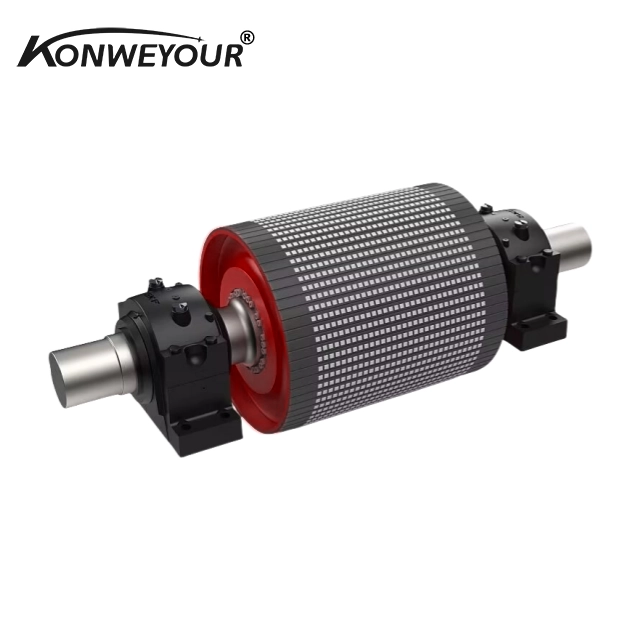
At its core, a pulley conveyor is a mechanical system where one or more rotating pulleys drive a continuous belt that carries materials from one point to another. Think of it like a conveyor belt you’ve seen in airports or factories, supported and moved by strategically placed pulleys that maintain tension and reduce friction.
In industries, this translates to machinery that can move anything from tiny electronics to massive coal shipments. On a broader humanitarian level, pulley conveyors help in disaster zones by quickly moving supplies through rough terrain, sometimes in improvised layouts. Their modular nature allows quick setup and scaling.
Core Components and Key Factors
1. Durability and Material Selection
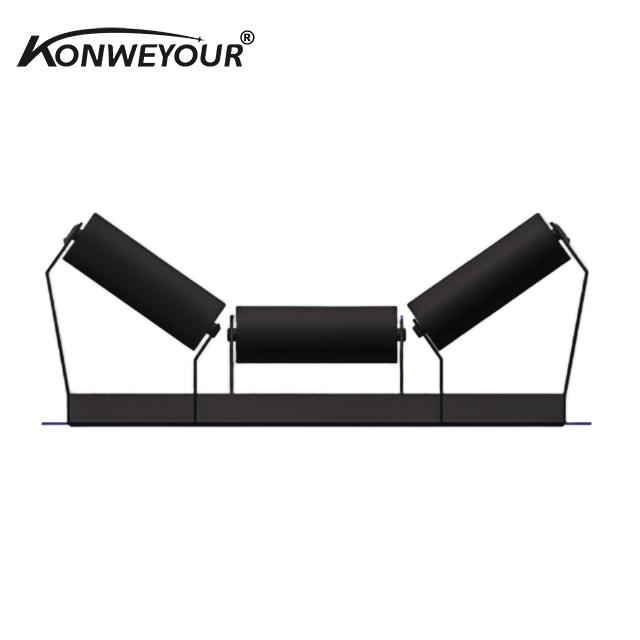
Pulleys must withstand constant friction and environmental conditions. Most are made from cast iron, steel, or sometimes aluminum for lighter applications. The choice impacts maintenance cycles and lifespan — steel pulleys are common in heavy industries for their toughness.
2. Belt Type and Width
The conveyance belt, usually made from rubber, PVC, or fabric with embedded layers, determines what you can transport and how efficiently. Wide belts move bulk materials; narrow belts suit lighter or precision products.
3. Scalability and Customization
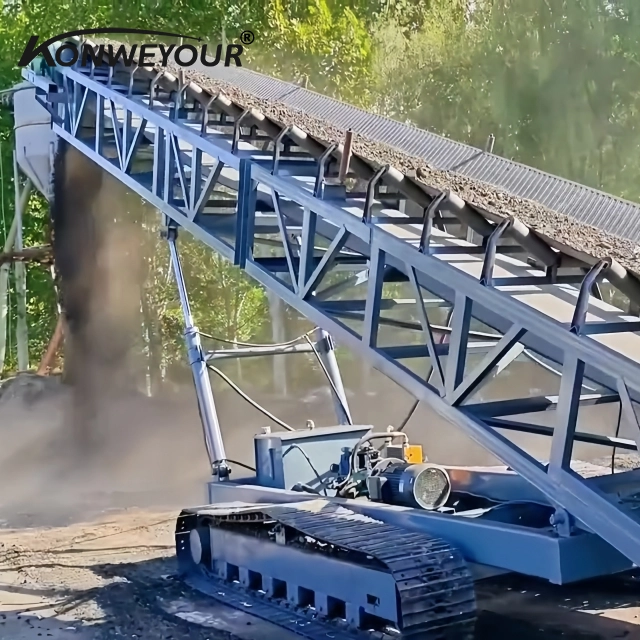
Pulley conveyors come in scalable designs — from short, straight lines to complex curves and inclines. This flexibility means they fit into small manufacturing cells or sprawling logistic centers.
4. Cost Efficiency and Energy Consumption
Compared to forklifts or manual labor, pulley conveyors reduce operational costs long-term. Energy-efficient motors and intelligent controls can cut power usage significantly.
5. Safety Features
Modern pulley conveyors incorporate emergency stops, guards around pulleys, and sensors to detect jams or overloads, mitigating workplace accidents.
Pulley Conveyor Typical Specifications
| Specification |
Range |
Notes |
| Belt Width |
300 mm – 2000 mm |
Customized to material size |
| Pulley Diameter |
100 mm – 1200 mm |
Depends on conveyor length & tension |
| Motor Power |
0.5 kW – 15 kW |
Adjustable for load & speed requirements |
| Speed Range |
0.5 m/s – 4 m/s |
Optimized for product type |
| Load Capacity |
50 kg/m – 2000 kg/m |
Varies by belt and pulley strength |
Global Applications & Use Cases
From the mines of South Africa to the sprawling logistics hubs in Europe, pulley conveyors have a presence everywhere. Oddly enough, they’re also pivotal in disaster aid logistics, where quick, scalable conveyance can make the difference between timely aid delivered or delayed.
- Mining Industry: Bulk material transport for minerals and coal globally.
- Food and Beverage: Hygienic conveyors in Europe and North America for packaging lines.
- Humanitarian Aid: Temporary conveyor setups in remote areas to distribute supplies efficiently.
- Automotive Manufacturing: Assembly line transport synchronized with production schedules worldwide.
- Ports and Shipping: Loading and unloading cargo containers quickly and safely.
Advantages and Long-Term Value
At first glance, the idea of a pulley conveyor feels so basic — but back it with proper engineering and it turns into a powerhouse for cost savings and reliability. Companies often see reduced labor costs and fewer product damages. There’s also an environmental angle: conveyor systems can use electric motors optimized for minimal power draw, contributing to greener manufacturing.
On a human level, conveyors provide safer working conditions by reducing manual lifting and repetitive tasks. This translates to higher morale and fewer injuries — a win-win for employers and employees alike.
Emerging Trends and Innovations in Pulley Conveyors
With Industry 4.0 in full swing, pulley conveyors aren’t just simple belts anymore. Sensors track belt tension, wear, and load in real-time, feeding data into predictive maintenance systems that help avoid costly downtime. Smart motors adjust speeds to match production needs dynamically.
Environmentally, companies are experimenting with low-friction coatings and belts made from recycled materials. There's also a growing interest in solar-powered conveyor setups for remote or off-grid sites.
Common Challenges and Expert Solutions
Despite their utility, pulley conveyors face some drawbacks: belt slippage, alignment issues, or wear and tear from abrasive materials. Regular maintenance and choosing high-quality pulleys can mitigate these concerns. Engineers advise using modular components for quick replacement and employing tension monitoring systems.
Vendor Comparison: Leading Pulley Conveyor Providers
| Feature |
JT Conveyor |
Global ConveyTech |
FlexiMove Systems |
| Customization Options |
High – tailored designs |
Medium – standard models |
Low – limited variants |
| Energy Efficiency |
Advanced motor controls |
Basic motor usage |
Moderate efficiency |
| Global Support |
24/7 multilingual support |
Regional offices only |
Limited international presence |
| Price Range |
Mid to high |
Low to mid |
Low |
Frequently Asked Questions About Pulley Conveyors
- How durable are pulley conveyors for heavy industrial use?
- They are built to last, especially when constructed with steel pulleys and heavy-duty belts. Proper selection based on load and environment ensures several years of reliable service with routine maintenance.
- Can pulley conveyors be customized for unusual layouts?
- Absolutely. One of their strengths is modularity — curves, inclines, and different belt widths can be designed to fit complex floor plans without major overhauls.
- What maintenance is required to keep a pulley conveyor running smoothly?
- Regular belt inspections, pulley alignment checks, lubrication of bearings, and monitoring belt tension are key. Many modern systems also include sensors to alert operators to potential issues.
- Are pulley conveyors energy efficient compared to other transport methods?
- Yes, they generally consume less energy than forklifts or trucks over short distances, especially when fitted with variable frequency drives and optimized motors.
- Where can I find reliable pulley conveyor vendors?
- Consider vendors with proven track records and global support like JT Conveyor. Look for customization options and after-sales service to ensure long-term satisfaction.
Conclusion: Why Invest in a Pulley Conveyor?
In real terms, pulley conveyors are more than just moving belts — they're a vital, proven solution that enables industries and humanitarian efforts to function efficiently and sustainably. Their durability, scalability, and cost-effectiveness make them a smart investment for anyone looking to optimize material handling.
If you’re exploring options or want expert guidance, visit JT Conveyor for trusted, high-performance pulley conveyor solutions tailored to your needs.
Mini takeaway: A pulley conveyor is a deceptively simple yet powerful tool that continues to support vital global operations by moving materials efficiently, safely, and sustainably.
References:
- World Bank – Trade overview
- ISO Standards for conveyor systems
- Wikipedia – Conveyor belt technology