Understanding Pipe Conveyor Rollers: A Comprehensive Guide
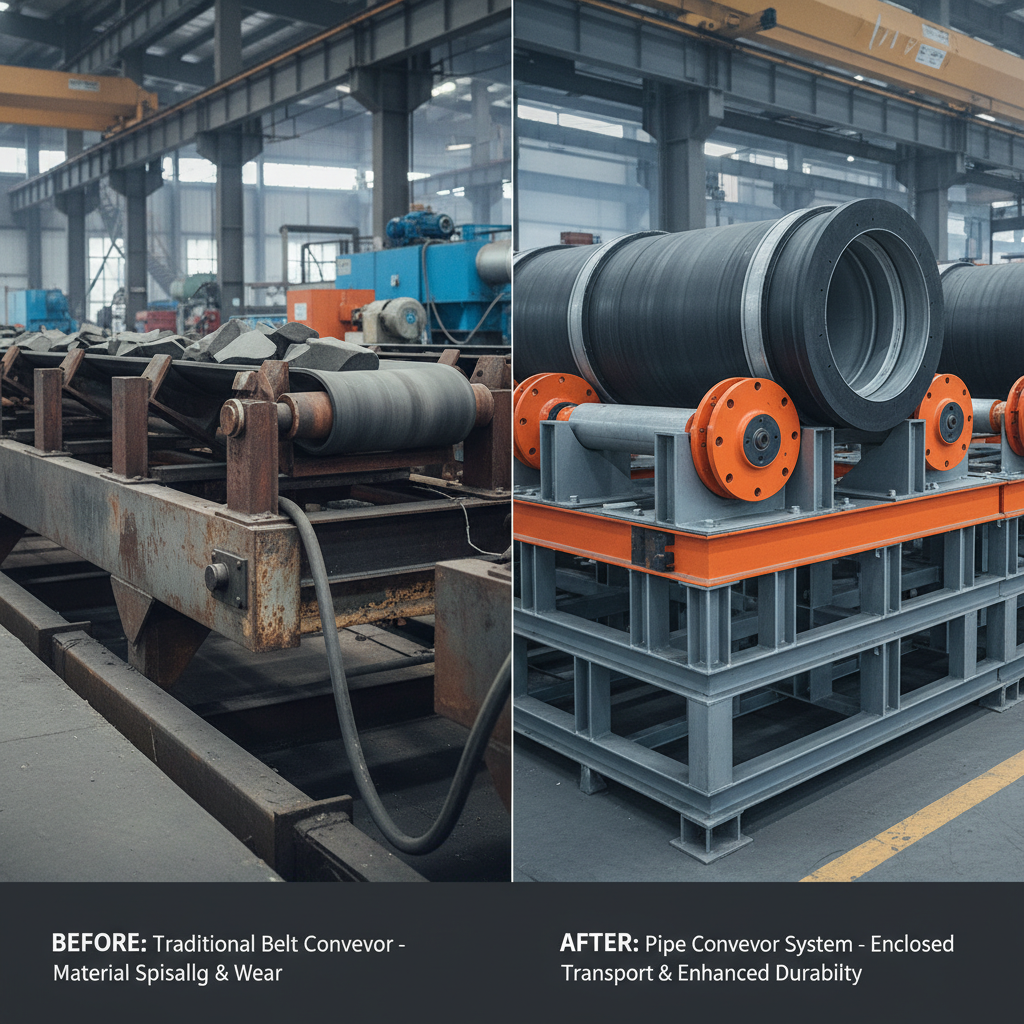
Pipe conveyor rollers are essential components in material handling systems, particularly those utilizing pipe conveyors. These rollers facilitate the smooth and efficient transport of bulk materials within a fully enclosed pipe. Choosing the right rollers is crucial for optimizing system performance, minimizing maintenance, and ensuring longevity. This article will delve into the different types of pipe conveyor rollers, their applications, maintenance, and factors to consider when selecting them. A well-maintained roller system translates directly to cost savings and improved operational efficiency.
Types of Pipe Conveyor Rollers
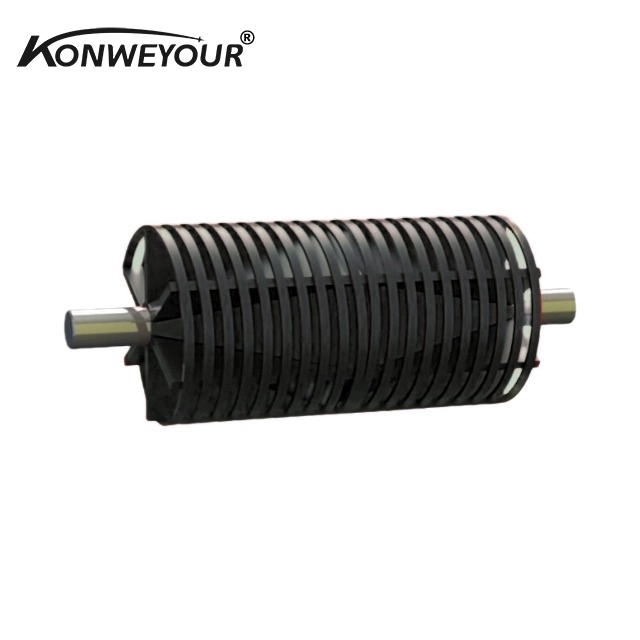
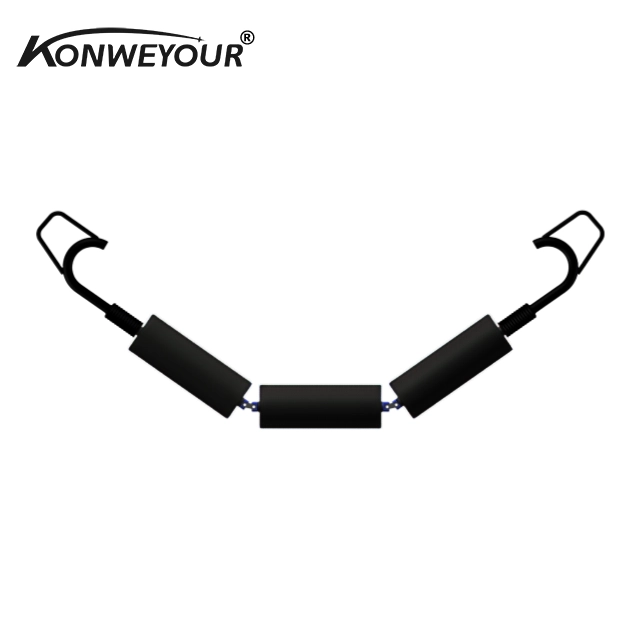
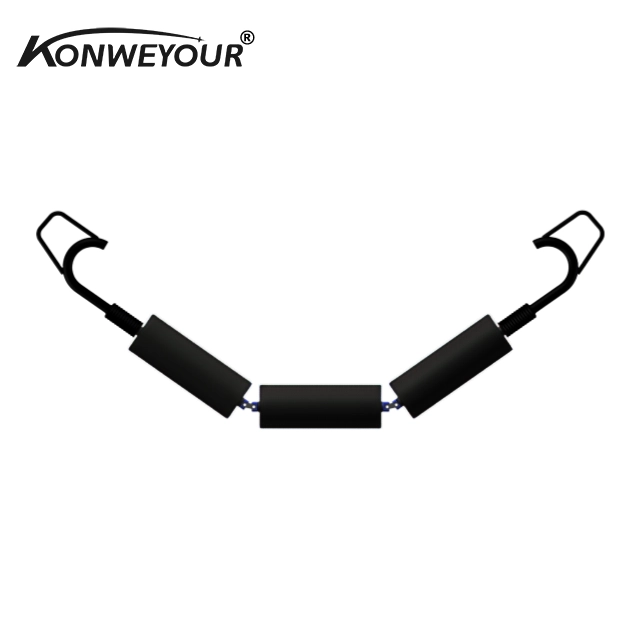
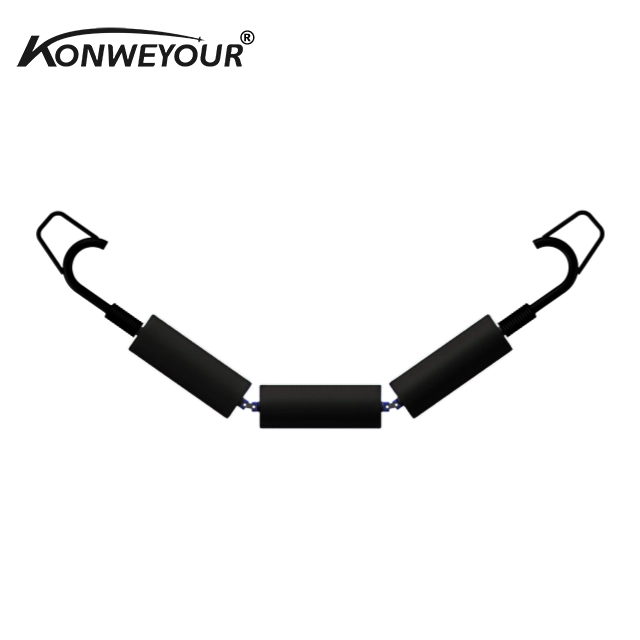
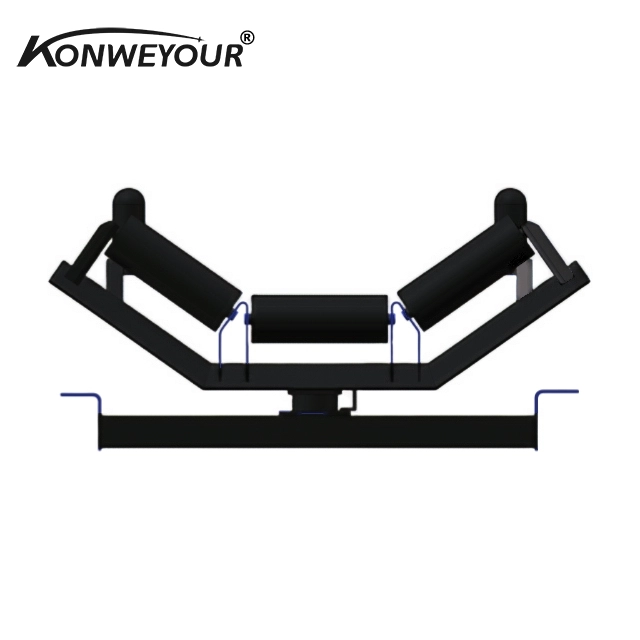
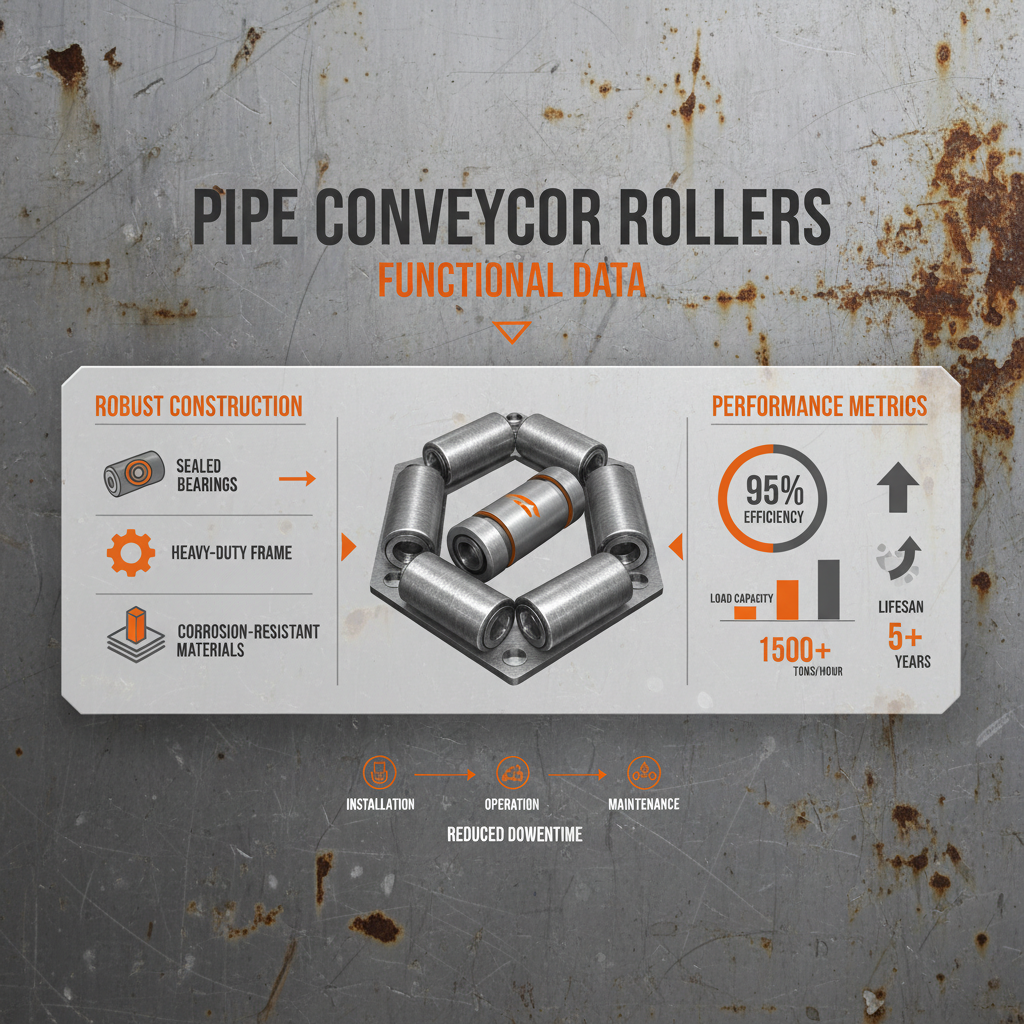
Pipe conveyor rollers aren’t one-size-fits-all. Several types exist, each designed for specific roles within the conveyor system. These include carrying rollers, return rollers, and transition rollers. Carrying rollers directly support the pipe and the material within it. Return rollers support the returning section of the pipe. Transition rollers are used at loading and unloading points to guide the pipe smoothly onto and off the conveyor. Beyond these core types, you'll find specialized rollers like self-aligning rollers, which adjust to misalignment, and impact rollers, designed to absorb heavy loads. Selecting the correct type is dependent on the material being conveyed, the conveyor’s angle, and the overall system design. JT Conveyor offers a wide range of these rollers to suit various applications.
Key Takeaway: Correct roller selection is fundamental to the performance and longevity of a pipe conveyor system.
Materials Used in Pipe Conveyor Roller Construction
The materials used in manufacturing pipe conveyor rollers are crucial for determining their durability and performance. Common materials include carbon steel, stainless steel, and specialized polymers. Carbon steel rollers are cost-effective and suitable for general-purpose applications. Stainless steel rollers offer superior corrosion resistance, making them ideal for handling abrasive or corrosive materials, or in harsh environments. Polymer rollers are lightweight and have excellent wear resistance, commonly used in applications requiring low friction. The choice of material should align with the specific materials being conveyed and the operating environment. JT Conveyor utilizes high-quality materials to ensure optimal performance and longevity.
Material Comparison:
• Carbon Steel: Cost-effective, general purpose.
• Stainless Steel: Corrosion resistant, durable.
• Polymer: Lightweight, low friction, wear resistant.
Key Considerations When Selecting Pipe Conveyor Rollers
Selecting the appropriate pipe conveyor rollers requires careful consideration of several factors. These include the material being conveyed (size, density, abrasiveness), the conveyor’s capacity, the operating environment (temperature, humidity, exposure to chemicals), and the conveyor's inclination angle. The load capacity of the rollers must exceed the expected maximum load. Furthermore, the rollers’ diameter and spacing impact conveyor performance; smaller diameters and closer spacing provide better support for fine materials. Regularly assessing these factors ensures optimal system operation and minimizes the risk of premature failure.
| Factor |
Consideration |
| Material Density |
Higher density requires rollers with greater load capacity. |
| Abrasiveness |
Abrasive materials necessitate wear-resistant roller materials (e.g., stainless steel, polymer coatings). |
| Conveyor Angle |
Steeper angles require rollers with higher friction surfaces to prevent slippage. |
| Operating Environment |
Corrosive environments demand corrosion-resistant materials. |
Maintenance and Lifespan of Pipe Conveyor Rollers
Regular maintenance is crucial for extending the lifespan of pipe conveyor rollers and preventing costly downtime. This includes routine inspection for wear, damage, and proper lubrication. Lubrication reduces friction, minimizing wear and ensuring smooth operation. Monitoring bearing temperatures can indicate potential issues. Replacing worn rollers promptly prevents further damage to the system. The typical lifespan of a pipe conveyor roller varies based on operating conditions, load, and material quality, but with proper maintenance, they can reliably operate for several years. JT Conveyor provides expert advice and support on roller maintenance.
Choosing the Right Supplier: JT Conveyor
Selecting a reputable supplier is paramount when procuring pipe conveyor rollers. JT Conveyor is a leading provider of high-quality rollers, offering a comprehensive range of options to suit diverse needs. We prioritize quality, durability, and customer satisfaction. Our experienced engineers can assist you in selecting the optimal rollers for your specific application, ensuring peak performance and long-term reliability. We provide expert technical support and prompt delivery to keep your operations running smoothly.
Conclusion: Optimizing Performance with Quality Pipe Conveyor Rollers
Investing in high-quality pipe conveyor rollers from a trusted supplier like JT Conveyor is a critical step toward optimizing your material handling system. By carefully considering your application’s requirements, prioritizing regular maintenance, and choosing the right partner, you can ensure reliable performance, reduced downtime, and long-term cost savings.
Frequently Asked Questions (FAQs)
What is the typical lifespan of a pipe conveyor roller?
The lifespan of a pipe conveyor roller typically ranges from 5 to 10 years, depending on factors like load, material abrasiveness, environmental conditions, and maintenance practices. Regular inspection and lubrication can significantly extend the roller’s operational life. Ignoring wear and tear or neglecting lubrication will drastically reduce lifespan and can lead to unexpected failures, causing costly downtime. Replacing rollers proactively, based on condition monitoring, is a recommended practice.
How often should I lubricate my pipe conveyor rollers?
The lubrication frequency depends on the operating conditions and the type of lubricant used. Generally, rollers should be lubricated every 3-6 months. In dusty or harsh environments, more frequent lubrication may be necessary. Always follow the lubricant manufacturer's recommendations. Proper lubrication minimizes friction, reduces wear, and extends the roller’s lifespan. JT Conveyor can provide recommendations on appropriate lubricants and lubrication schedules.
What are the signs that a pipe conveyor roller needs replacement?
Several signs indicate a roller needs replacement, including excessive noise, visible wear or damage (cracks, dents, corrosion), difficulty in rotation, bearing failure, and increased vibration. If a roller is consistently overheating, it's a strong indication of bearing failure. Ignoring these signs can lead to further damage to the conveyor system and potential safety hazards. Regular inspections are crucial for identifying these issues early on.
Can JT Conveyor assist with roller selection for my specific application?
Absolutely. JT Conveyor specializes in providing tailored solutions for material handling needs. Our experienced engineers can analyze your application requirements, including the material being conveyed, conveyor capacity, and operating environment, to recommend the optimal type and specification of pipe conveyor rollers. We offer a free consultation service to help you make the right choice.