



Operators in the Kenyan mining and power sectors face unique environmental and technical obstacles that compromise throughput.
High particulate matter in Kenyan mining environments causes rapid wear on conveyor components, leading to frequent unplanned downtime and increased replacement costs for rollers and belts.
Reliance on fragmented spare parts from multiple vendors often results in misalignment and mechanical stress, reducing the overall lifespan of the mine conveyor structures.
Inefficient drive systems and high rolling resistance in older installations lead to spiraling electricity costs, which significantly impact the operational margins of large-scale material transport.
Remote site locations in Kenya make the procurement of specialized conveyor transfer systems components difficult, extending the duration of critical system failures.
Poorly designed transfer points and inadequate belt cleaning result in significant coal or ore loss, creating safety hazards and increasing cleaning labor requirements.
The lack of unified adherence to international standards like CEMA or DIN in local installations often leads to suboptimal performance and difficulty in system upgrades.
We provide holistic solutions that transform material handling from a cost center into a competitive operational advantage.
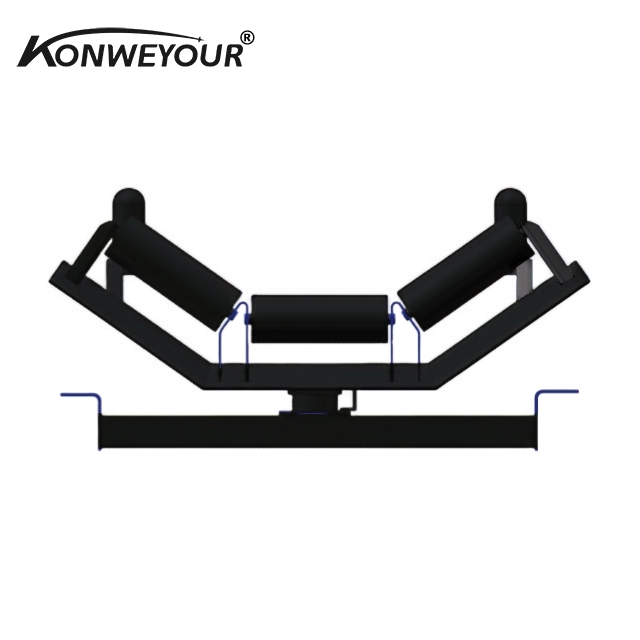
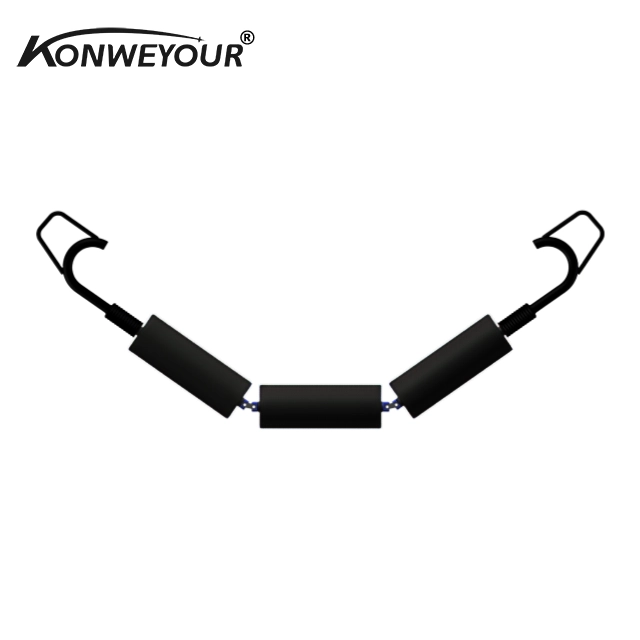
Using high-grade alloys and specialized coatings for idlers and rollers, we minimize friction and wear, directly extending the service life of equipment in harsh Kenyan climates.
Our ability to manufacture to CEMA, DIN, JIS, and GB standards ensures that every component integrates seamlessly, eliminating mechanical stress and misalignment.
By optimizing pulley geometry and reducing rolling resistance, our systems lower the torque required for transport, significantly reducing kilowatt-hour consumption per ton.
Providing a complete range of pulleys, belts, and impact beds ensures a single-source supply chain, reducing procurement complexity for remote Kenyan sites.
Advanced belt cleaners and impact beds prevent material carry-back and spillage, ensuring a cleaner environment and maximizing the recovered volume of mined materials.
Collaborations with top research institutes allow us to implement intelligent monitoring, enabling predictive maintenance and reducing unplanned downtime.


Our global footprint is backed by rigorous certifications and flexible production capabilities.
Analyzing the intersection of geological demand and industrial infrastructure.
Kenya's industrial sector is characterized by a strong reliance on bulk material handling for mining, port operations, and the building materials industry. In the mining regions, the geography often dictates the need for long-distance coal mine conveyor systems that can withstand undulating terrain and varying atmospheric conditions. The current market is transitioning from basic mechanical transport to more integrated systems that prioritize reliability over the lowest initial cost, driven by the need to stabilize output in critical mineral extraction.
Recent trends indicate a surge in demand for energy-efficient systems as operational costs rise. There is a noticeable shift toward the adoption of intelligent monitoring and high-performance conveyor components that reduce friction and maintenance intervals. Kenyan operators are increasingly seeking partners who can provide not just equipment, but full-lifecycle support, from customized design based on international standards (CEMA/DIN) to the consistent supply of precision spare parts.
While the opportunity for modernization is vast, constraints such as remote logistics and the need for specialized technical expertise persist. The outlook for the Kenyan market is positive, with a growing emphasis on sustainable mining practices. The ability to implement low-consumption, long-life industrial transportation ecosystems will be the primary differentiator for operators looking to optimize their ROI while meeting stringent environmental and safety regulations.
From simple belts to intelligent, energy-efficient transportation ecosystems.
The industry has shifted from selling individual rollers to providing complete conveyor transfer systems. This ensures that every part of the material flow is optimized, reducing bottlenecks and mechanical failures.
The introduction of high-durability polymers and specialized alloys in idlers has drastically reduced the frequency of replacements in abrasive environments, shifting the focus toward long-term reliability.
Modern systems now prioritize energy recovery and reduced carbon footprints, utilizing lightweight yet strong materials to lower the energy required for bulk material movement.
Driving efficiency through technology and sustainable engineering.
Moving from reactive to proactive care using sensors to monitor roller vibration and belt tension, reducing emergency shutdowns in mining sites.
Shift toward recyclable and low-friction materials that reduce the environmental impact of equipment manufacturing and disposal.
Designing conveyor system modules that can be quickly replaced or expanded without dismantling the entire line.
Developing heavier-duty pulleys and belts capable of handling increased volumes to meet the rising output demands of Kenyan ports.
The integration of these trends is driving a fundamental change in how bulk materials are moved. The emphasis is shifting from raw power to precision control. By combining modular architecture with predictive maintenance, companies can achieve a state of "continuous flow," where the conveyor system is no longer a potential point of failure but a seamless bridge in the production chain. This is particularly critical for operations dealing with abrasive materials like coal and ore, where small technical improvements lead to massive cumulative savings.
Furthermore, the adoption of global standards allows for a more fluid exchange of technology. When a Kenyan mine utilizes CEMA-compliant components, they are not just buying a part; they are investing in a globally recognized performance benchmark. This transparency in technical specifications simplifies the auditing process, improves safety compliance, and ensures that the facility is prepared for future technological upgrades without requiring a complete overhaul of the existing infrastructure.
How our solutions adapt to specific Kenyan operational environments.
In remote mining areas, the primary challenge is dust and heat. By deploying high-reliability rollers and heat-resistant belts, operators can maintain constant throughput. The use of integrated conveyor components reduces the need for frequent technician visits, ensuring that material reaches the processing plant without interruption despite the harsh environment.
Port environments in Kenya deal with high humidity and salt corrosion. Our solution involves using corrosion-resistant pulley coatings and heavy-duty impact beds. This prevents the belt from sagging under heavy loads and ensures that bulk cargo is transferred efficiently from ships to inland transport, maximizing port turnaround time.
These plants require precision in material mixing and transport. Implementing standardized transfer systems ensures that raw limestone and additives are moved without cross-contamination. High-precision idlers maintain belt tracking, which prevents edge wear and reduces the labor required for manual belt alignment.
Reliability is non-negotiable for power generation. By installing advanced belt cleaners and high-strength pulleys, these facilities eliminate coal spillage that can cause fire hazards. The system ensures a steady feed to the boilers, optimizing combustion efficiency and reducing the downtime associated with cleaning the conveyor galleries.
Handling organic bulk materials requires a focus on hygiene and preventing material buildup. Our customized conveyor systems utilize smooth-surface pulleys and efficient transfer points to ensure grain is moved without damage or waste, supporting Kenya's agricultural export infrastructure.
Illustrative perspectives on the impact of precision conveying equipment.
Typical mining operations often struggle with rapid roller failure due to abrasive dust. Implementing a standardized set of high-performance idlers and impact beds generally results in a noticeable reduction in unplanned downtime and a more stable material flow across long-distance transfer points.
In port logistics, the transition to CEMA-compliant pulleys and belts allows for better synchronization between loading equipment and conveyors. This reduces material spillage at the transfer zones, which is critical for maintaining safety and efficiency in high-volume cargo terminals.
For power plants, the focus is on zero-failure feeding systems. The use of precision-engineered belt cleaners and high-tension pulleys ensures that fuel delivery is consistent, removing the need for manual cleaning cycles and reducing operational risks associated with coal dust accumulation.
A legacy of precision engineering in industrial conveying.
Hebei Juntong Machinery Manufacturing Co., Ltd. was founded with a core focus on the professional design, manufacturing, sales, and installation of bulk material handling and conveying equipment.
Launched the first series of high-performance conveyor systems, which gained strong recognition for quality and reliability, establishing a firm foothold in the industrial market.
Began exploring overseas markets, successfully exporting the first batch of products to Southeast Asia, marking the start of the company's global expansion strategy.
Implemented advanced manufacturing technologies and modernized production lines, significantly increasing annual capacity and improving efficiency in precision part fabrication.
Successfully expanded exports to over 40 countries across Asia, Europe, Africa, the Americas, and the Middle East, becoming a trusted global supplier of conveyor equipment.
Continued investment in R&D to develop energy-efficient and eco-friendly conveyor solutions, ensuring the company meets the evolving needs of global industrial clients.



Technical and operational answers for industrial decision-makers.
Adhering to international standards like CEMA or DIN ensures dimensional accuracy and mechanical compatibility. In the Kenyan market, this prevents the common issue of "component mismatch," where parts from different vendors do not align perfectly, causing premature belt wear and increased vibration. Using standardized parts allows operators to simplify their spare parts inventory and ensures that replacements fit perfectly, reducing the time required for maintenance and increasing overall system reliability.
Energy efficiency is achieved by reducing the rolling resistance of idlers and optimizing the pulley geometry. When friction is minimized, the electric motors require less torque to move the same volume of material, leading to a direct decrease in electricity consumption. Additionally, high-efficiency systems often incorporate better belt tracking, which reduces energy waste caused by belt misalignment and friction against the conveyor frame. For high-tonnage operations, these savings accumulate into significant annual cost reductions.
The most critical components are impact beds and belt cleaners. Impact beds provide structural support at the loading point, preventing the belt from sagging and creating gaps where material can leak. Belt cleaners (scrapers) remove residual material from the belt surface before it reaches the return run, preventing "carry-back" that accumulates under the conveyor. Together, these components ensure that bulk materials like coal or ore remain on the belt, reducing waste and improving site safety.
Yes, customization is essential for coastal environments. We employ corrosion-resistant coatings on pulleys and specialized sealings on rollers to prevent salt air and moisture from penetrating the bearings. Furthermore, we select belt materials that resist degradation from UV exposure and high humidity. This site-specific engineering ensures that equipment deployed in areas like Mombasa maintains the same lifespan as those in drier inland regions, reducing the frequency of corrosive failures.
While frequencies vary by load, a typical high-load system requires daily visual inspections of belt tracking and weekly checks of belt cleaner tension. Monthly audits should focus on idler rotation and pulley wear. However, the transition to precision-engineered components and the use of predictive monitoring allows operators to move away from fixed schedules toward "condition-based maintenance," where parts are replaced based on actual wear indicators, thereby optimizing labor and reducing unnecessary part replacements.
The first step is a comprehensive technical audit to identify the primary failure points—whether they are due to wear, misalignment, or energy inefficiency. Once the bottlenecks are identified, we recommend a phased upgrade: first replacing critical wear components (idlers and pulleys) with standardized, high-performance versions, followed by the installation of efficiency-boosting tools like impact beds and advanced cleaners. This phased approach minimizes operational downtime while providing immediate improvements in throughput and reliability.
Whether you are managing a remote mine or a busy port terminal, the right conveying technology is the difference between operational bottlenecks and seamless throughput. Our team provides the technical expertise and precision manufacturing needed to build a long-life, low-consumption transportation ecosystem tailored to your specific Kenyan site conditions. Discuss your technical requirements with us today to receive a customized solution.
Request a Consultation

