

Explore our comprehensive range of heavy-duty conveyor system components designed for the most demanding extraction and processing environments.
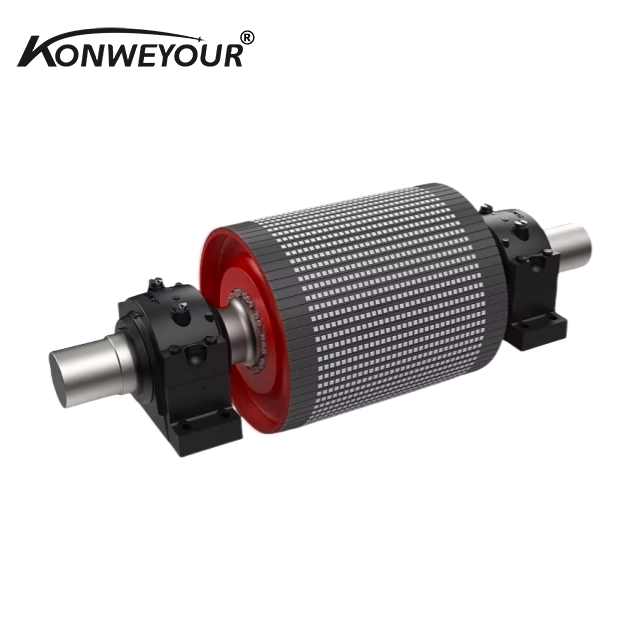
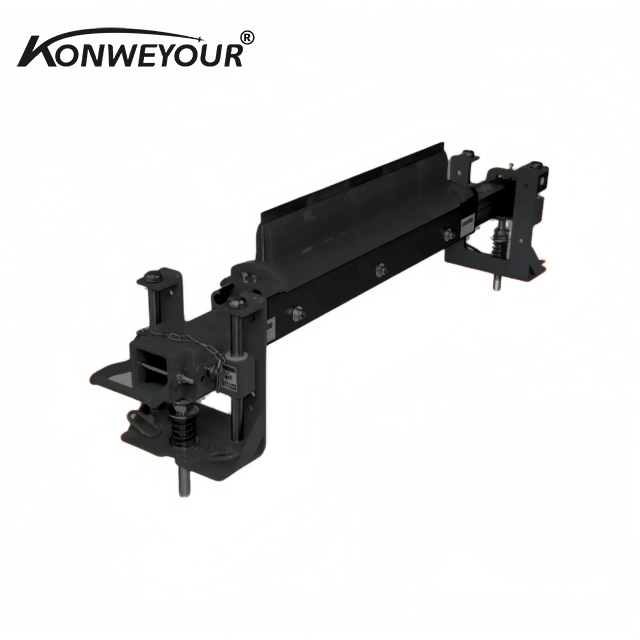

Analyzing the technical requirements and operational challenges of the Polish heavy industry landscape.
Poland's industrial geography, particularly in regions known for coal and mineral extraction, requires equipment that can withstand significant load variations and abrasive materials. The local infrastructure demands highly durable mine conveyor setups that minimize downtime in deep-shaft or open-pit operations.
Local procurement priorities have shifted toward energy-efficient systems that reduce the total cost of ownership. Engineering teams in Poland increasingly seek conveyor transfer systems that integrate seamless transition points to reduce material spillage and dust emission, aligning with stricter EU environmental regulations.
Compliance with DIN and ISO standards is non-negotiable for Polish industrial operators. The need for precision-engineered conveyor components—such as high-impact rollers and specialized pulleys—is critical to ensuring the longevity of continuous transport lines under heavy cyclic loading.
Tracing the transition from traditional mechanical transport to intelligent conveying ecosystems.
Four key dimensions driving the next generation of material handling in Europe.
Reducing manual intervention through automated tensioning and smart start-stop sequences.
Utilizing wear-resistant, eco-friendly polymers for belt cleaners and idlers to extend service life.
Tightening tolerances in coal mine conveyor components to eliminate vibration and noise.
Shifting from off-the-shelf parts to site-specific designs based on material density and angle of repose.
The next five years will likely see a convergence of mechanical reliability and digital oversight. For the Polish market, the focus will move beyond mere capacity toward "intelligent throughput," where the system autonomously adjusts speed based on real-time load sensors.
This evolution will fundamentally change procurement logic, as operators begin to value life-cycle efficiency and carbon footprint reduction over initial acquisition cost, favoring suppliers who offer verified energy-saving certifications.
Practical implementations of conveying technology across diverse industrial sectors in Poland.
Implementing heavy-duty coal mine conveyor systems designed for high-humidity environments and abrasive carbonaceous materials to ensure stable ore flow to the surface.
Deployment of high-capacity belt conveyors with impact beds at loading points to handle large crushed stone fragments without damaging the belt fabric.
Utilizing large-scale conveyor transfer systems to move dry bulk materials from storage silos to ship loaders with minimal dust emission.
Integrating specialized rollers and pulleys to transport clinker and limestone in high-temperature environments where standard components would fail.
Designing enclosed belt systems with precision belt cleaners to prevent fuel leakage and maintain clean operational zones in energy production facilities.
A journey of innovation in bulk material handling and global system integration.
Hebei Juntong Machinery Manufacturing Co., Ltd. was established with a core focus on the design, manufacturing, and installation of bulk material handling equipment.
Successfully expanded operations into Southeast Asia and eventually to over 40 countries across Europe, Africa, and the Americas, adopting multiple global standards including CEMA and DIN.
Achieved deep integration of industry and academia, establishing technology laboratories to pioneer energy-efficient and intelligent conveyor solutions with ISO9001, CE, and TÜV certifications.
Precision-manufactured spare parts and full-system assemblies tailored for durability and efficiency.
Expert answers to common questions regarding industrial conveyor procurement and implementation.
Prioritize components with high-hardness surface treatments. For abrasive materials, select rollers with reinforced shells and belt cleaners made of high-grade polyurethane to maximize wear life and reduce replacement frequency.
Yes, our manufacturing process is flexible and complies with multiple national and international standards, including DIN, CEMA, JIS, and GB. We provide full technical documentation to ensure seamless integration into European projects.
Key factors include the material's angle of repose, the required throughput volume, and the mitigation of impact stress at the transfer point. Using impact beds and optimized chute geometries can significantly reduce belt wear.
Absolutely. We specialize in customized designs that account for specific incline angles, belt tension requirements, and structural constraints of the mine shaft to ensure safe and continuous material transport.
Energy reduction can be achieved by replacing old idlers with low-rolling-resistance rollers, optimizing belt tension, and upgrading to high-efficiency motors with variable frequency drives (VFD).
We hold authoritative certifications including CE, SGS, BV, TÜV, and ISO9001, ensuring that all our products from precision spare parts to complete systems meet rigorous quality and safety standards.
Connect with our engineering team to develop a customized, high-efficiency transportation ecosystem tailored to your specific regional and technical requirements.
Contact Us Now