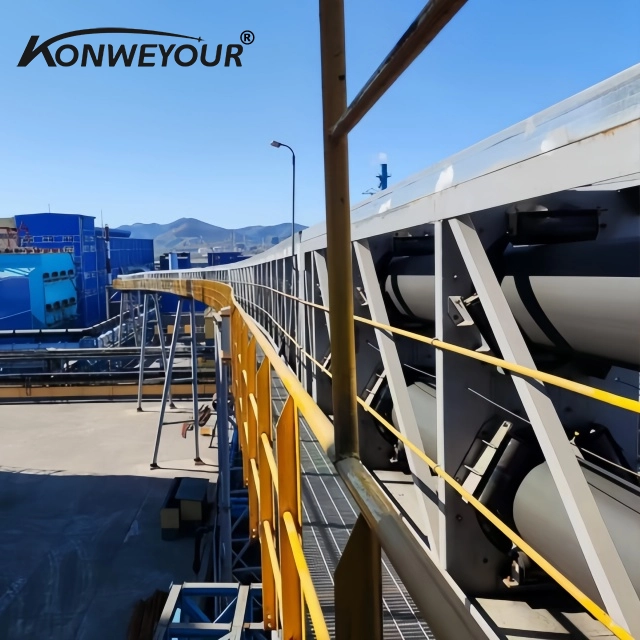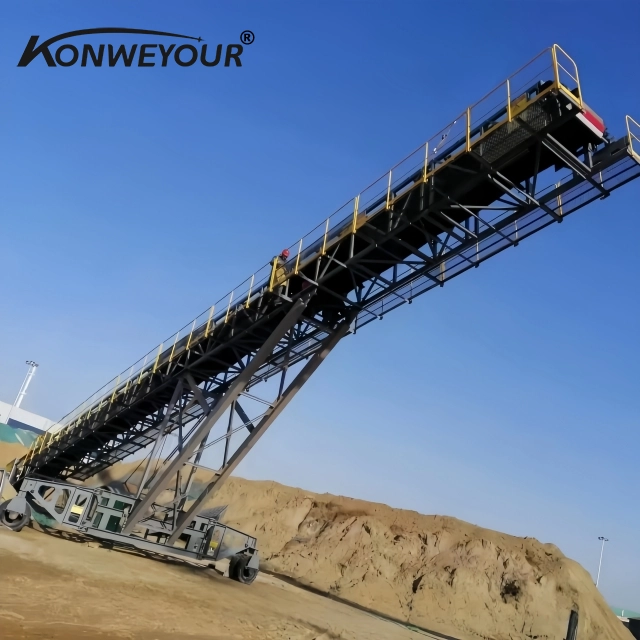



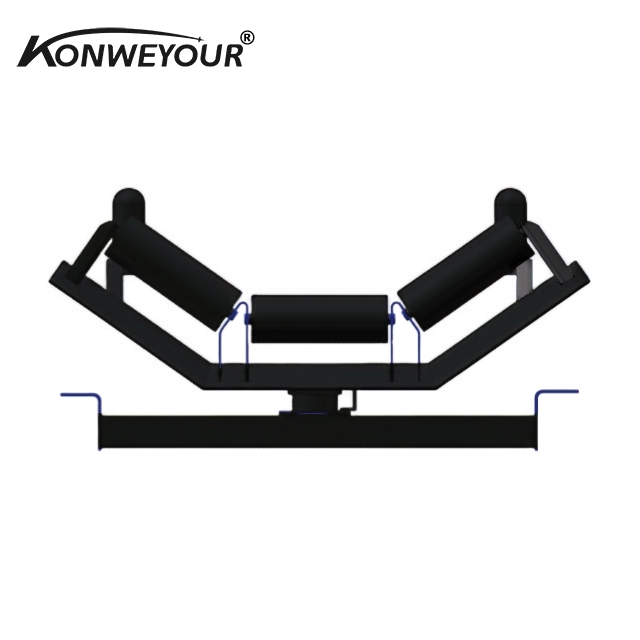
Hungary's industrial framework, particularly in the northern and eastern regions, relies heavily on the efficient movement of raw materials. The geographical terrain and the presence of diverse mineral deposits necessitate a robust mine conveyor infrastructure that can handle variable loads while maintaining energy efficiency. As the country integrates more deeply into the European automotive and manufacturing supply chains, the demand for seamless, automated material flow between processing units has become critical.
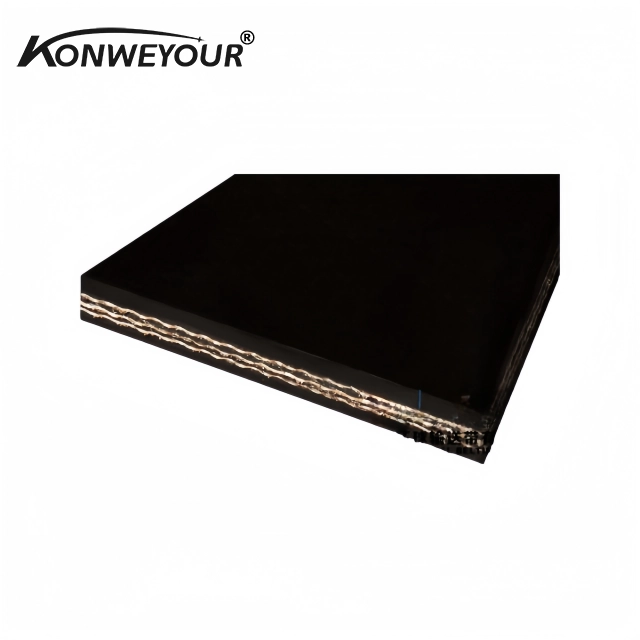
In the energy sector, the reliance on domestic resources requires specialized coal mine conveyor systems that are resistant to abrasive dust and fluctuating humidity. The primary challenge for local operators is reducing downtime caused by component wear. By utilizing high-grade conveyor components such as impact beds and specialized idlers, enterprises can significantly extend the lifecycle of their transportation lines and lower the total cost of ownership.
Current market shifts in Hungary show a strong trend toward the modernization of legacy systems. Companies are moving away from simple transport toward integrated conveyor transfer systems that allow for precise sorting and redirection of materials. This transition is driven by the need for higher throughput and stricter adherence to EU environmental and safety regulations, requiring equipment that balances high mechanical strength with low energy consumption.