



The industrial sector in the United States demands extreme resilience due to diverse geographical conditions and rigorous safety standards. For operations involving heavy minerals and energy resources, implementing a robust conveyor system is not merely about transport, but about maintaining a continuous supply chain under variable climatic stress and high-tonnage requirements. The reliance on high-capacity infrastructure makes the choice of equipment pivotal to overall site productivity.
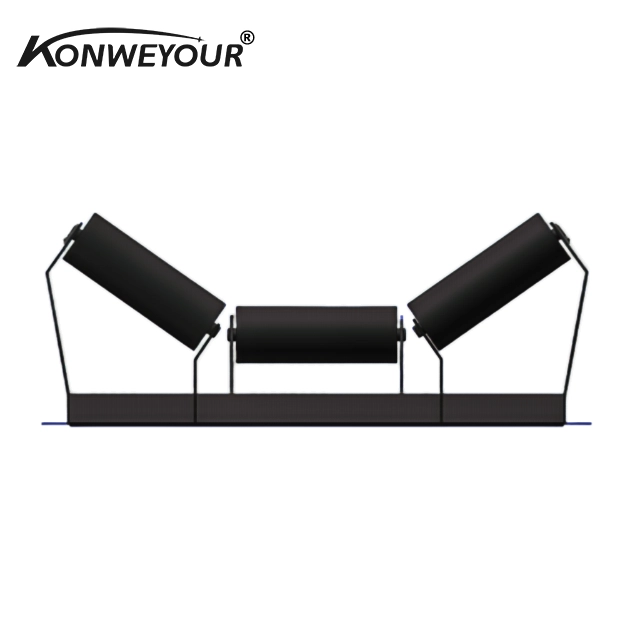
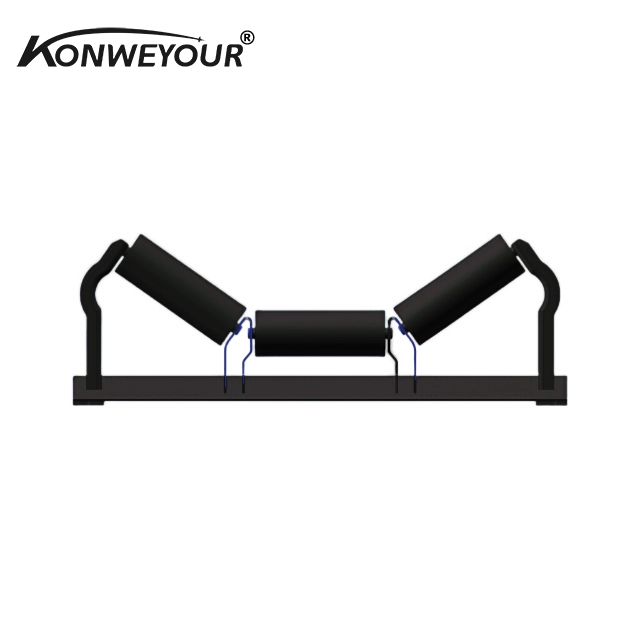
In the extraction sector, the demand for a specialized mine conveyor has evolved toward systems that can handle abrasive materials while minimizing energy consumption. US operators are increasingly prioritizing the integration of high-grade conveyor components, such as reinforced idlers and impact beds, to prevent belt misalignment and premature wear, which are common pain points in large-scale open-pit and underground operations.
Current market shifts indicate a move toward intelligent monitoring and sustainable engineering. Companies are moving away from reactive maintenance, instead investing in advanced conveyor transfer systems that reduce material spillage and dust emissions. This transition is driven by a commitment to environmental compliance and the need to lower the total cost of ownership through precision manufacturing and standardized technical specifications like CEMA.