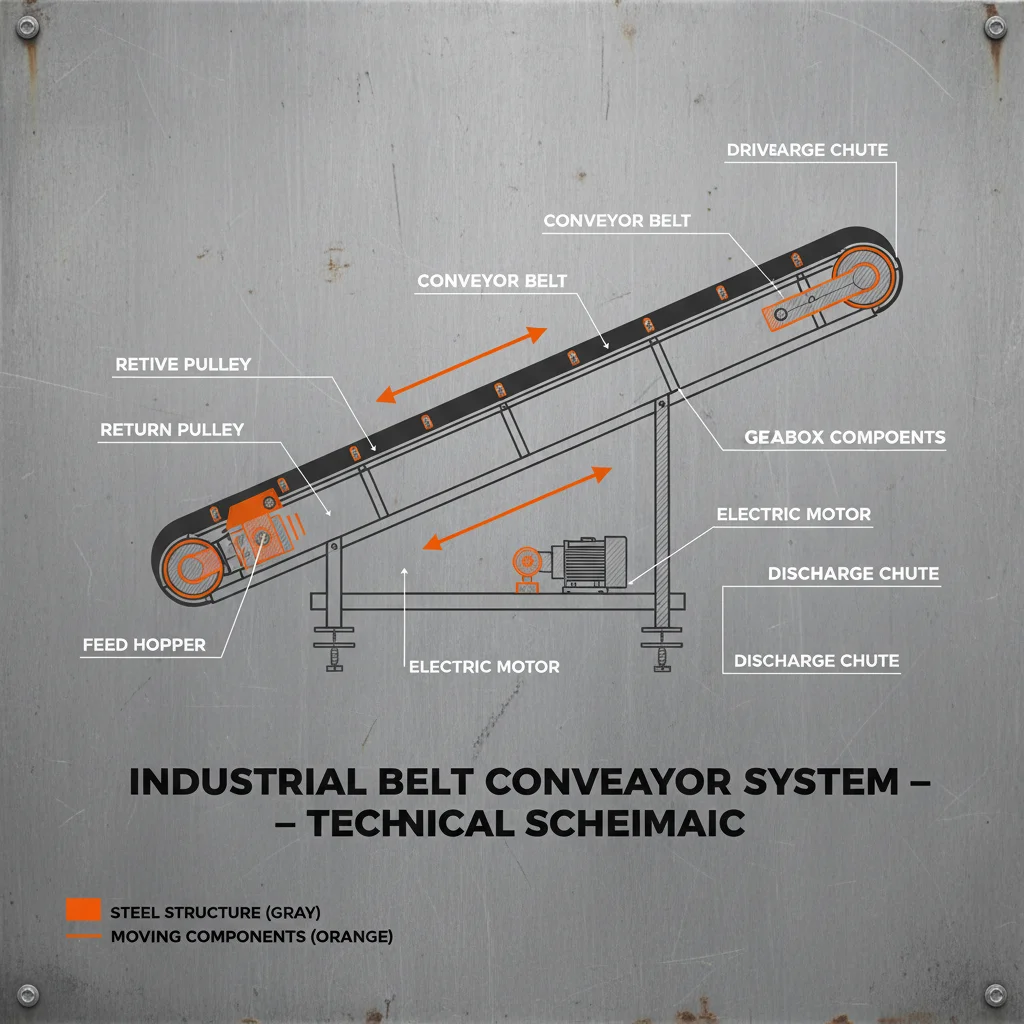
In the fast-paced world of industrial automation, conveyor structure design serves as the critical backbone for operational efficiency. Whether it is transporting raw minerals in a mine or sorting parcels in a logistics hub, the integrity of the supporting framework determines the lifespan of the entire system and the safety of the personnel operating it. A well-engineered structure doesn't just hold a belt; it manages tension, mitigates vibration, and optimizes the flow of materials.
Globally, the demand for more robust and flexible material handling solutions has surged as industries move toward "Industry 4.0." From the massive overland conveyor systems used in Australia's mining sector to the intricate tubular belt conveyors in European factories, the emphasis has shifted from mere functionality to total cost of ownership (TCO). Modern conveyor structure design now integrates advanced metallurgy and ergonomic principles to ensure that systems can operate 24/7 with minimal downtime.
Understanding the nuances of structural engineering in conveyors allows businesses to reduce energy consumption and prevent catastrophic mechanical failures. By focusing on the synergy between the conveyor frame, the pulley alignments, and the belt tensioning systems, companies can achieve a seamless transition of materials. This guide explores the essential elements of professional design, ensuring your facility achieves maximum throughput with unmatched reliability.
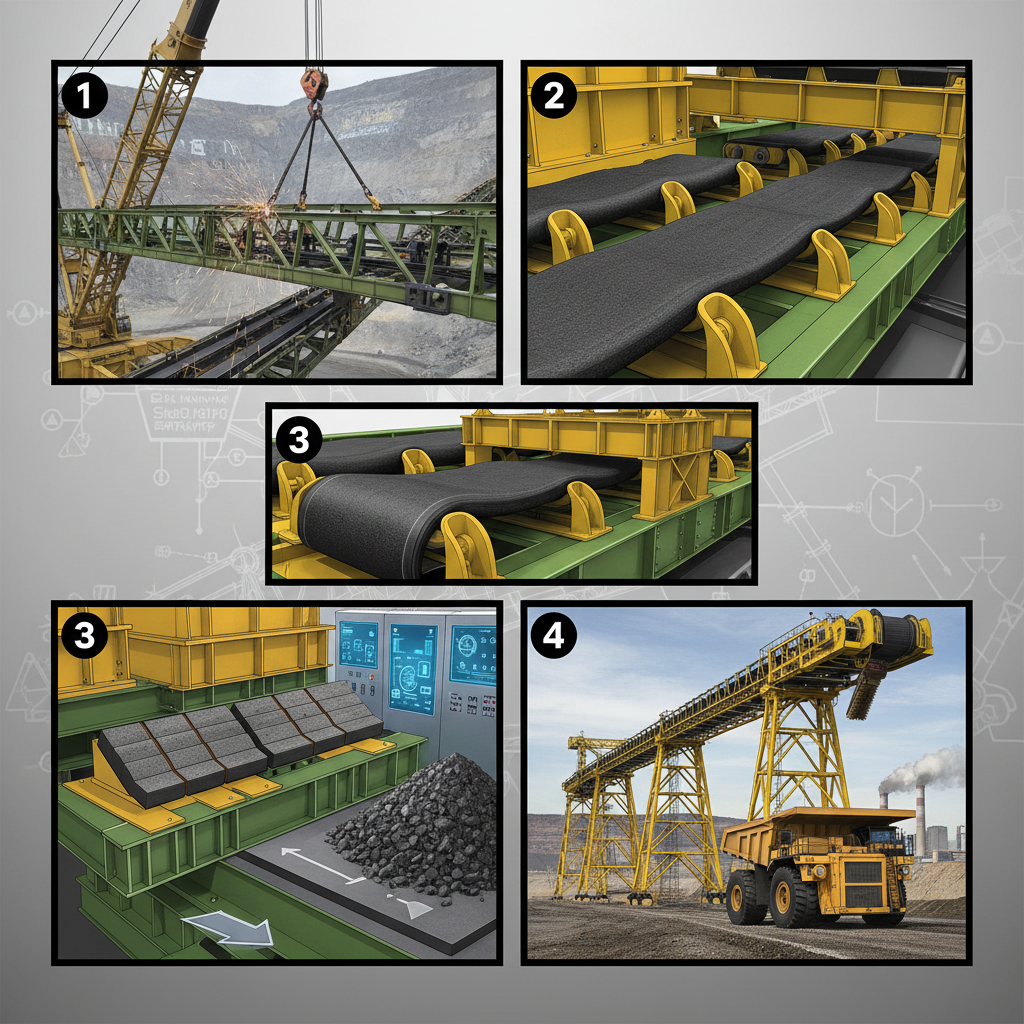
Global Industry Context of Conveyor Structure Design
On a global scale, the material handling industry is under immense pressure to increase throughput while adhering to stricter ISO safety standards. According to recent industrial benchmarks, structural failures in conveyor systems account for a significant percentage of unplanned downtime in the mining and manufacturing sectors. This makes the precision of conveyor structure design not just a technical requirement, but a financial imperative for enterprises aiming for global competitiveness.
The challenge often lies in balancing the weight of the structure with its load-bearing capacity. Over-engineering leads to unnecessary material costs and difficult installations, while under-engineering risks structural collapse or excessive belt drift. By leveraging advanced simulation software, engineers can now predict how a structure will react to varying loads and environmental stresses, ensuring that the framework provides a stable platform for components like Conveyor Rollers and Impact Beds.
Defining Modern Conveyor Structure Design
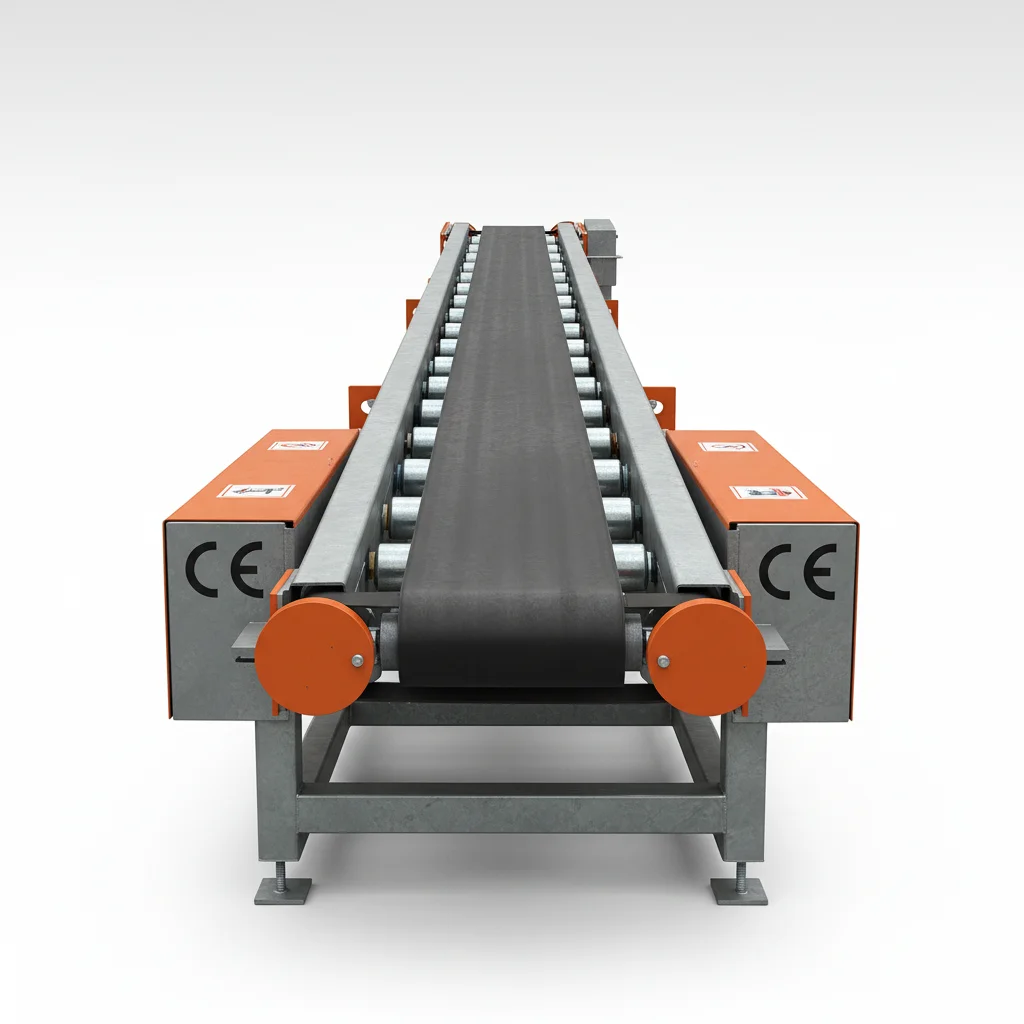
At its core, conveyor structure design is the process of engineering the physical support system—the chassis, trusses, and mounting brackets—that houses the moving parts of a conveyor. It involves a complex calculation of static and dynamic loads, considering the weight of the material, the tension of the belt, and the centrifugal forces acting on the pulleys. It is the invisible architecture that ensures a belt remains centered and a motor runs without excessive vibration.
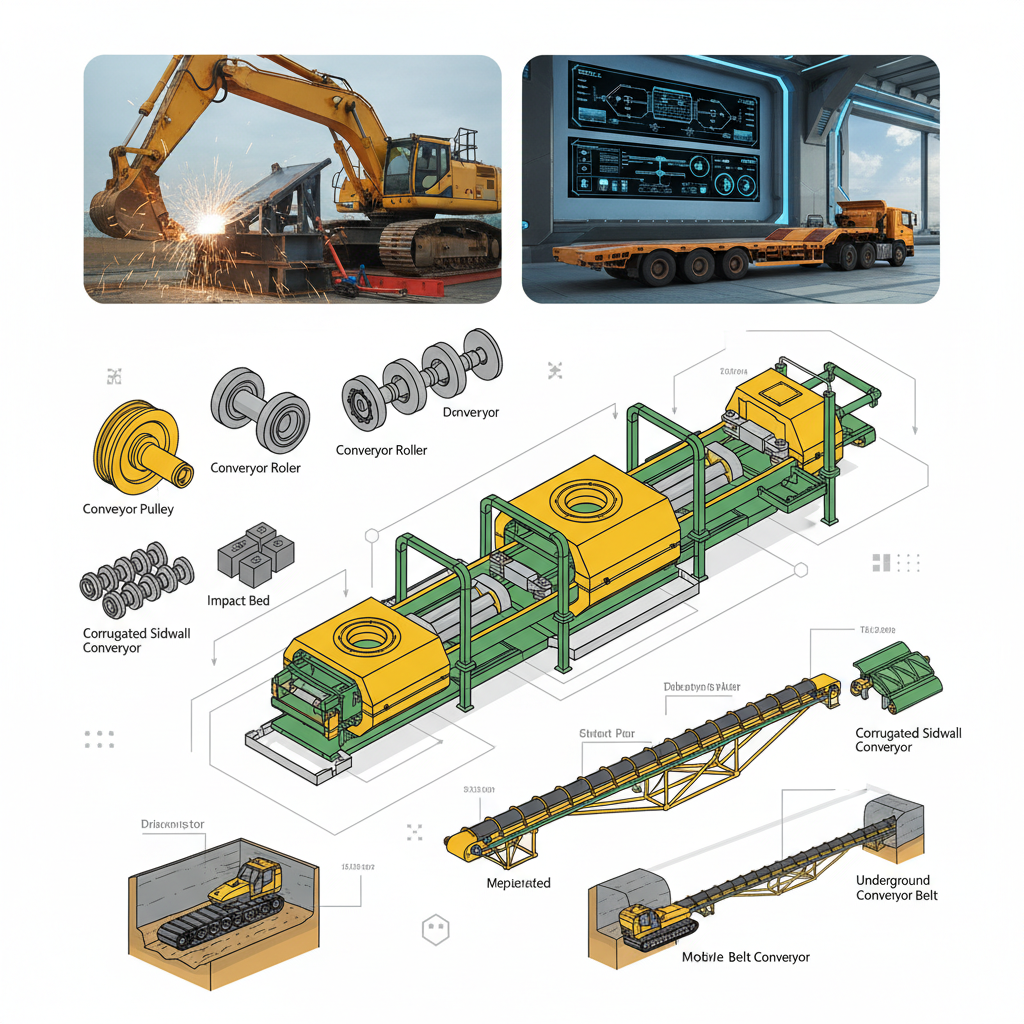
In the context of modern industry, this design process has evolved from simple steel beams to modular, scalable systems. Today, structural design is deeply integrated with the specific needs of the material being moved; for example, a Corrugated Sidewall Conveyor requires a vastly different structural support than a standard Overland Belt Conveyor due to the vertical loads and unique tensioning requirements.
Beyond the technical specifications, structural design addresses humanitarian and safety needs. By incorporating guards, walkways, and ergonomic access points into the primary structure, companies protect their workforce from hazardous moving parts. A human-centric approach to design ensures that maintenance is safer and more efficient, reducing the risk of workplace accidents in high-intensity industrial environments.
Core Components for Structural Integrity
The success of any conveyor structure design begins with the selection of the primary frame. Whether using C-channel steel, hollow structural sections (HSS), or specialized aluminum alloys, the frame must resist twisting and bending under maximum load. This foundation supports all subsequent components, ensuring that the Conveyor Pulley and drive units remain perfectly aligned over long distances.
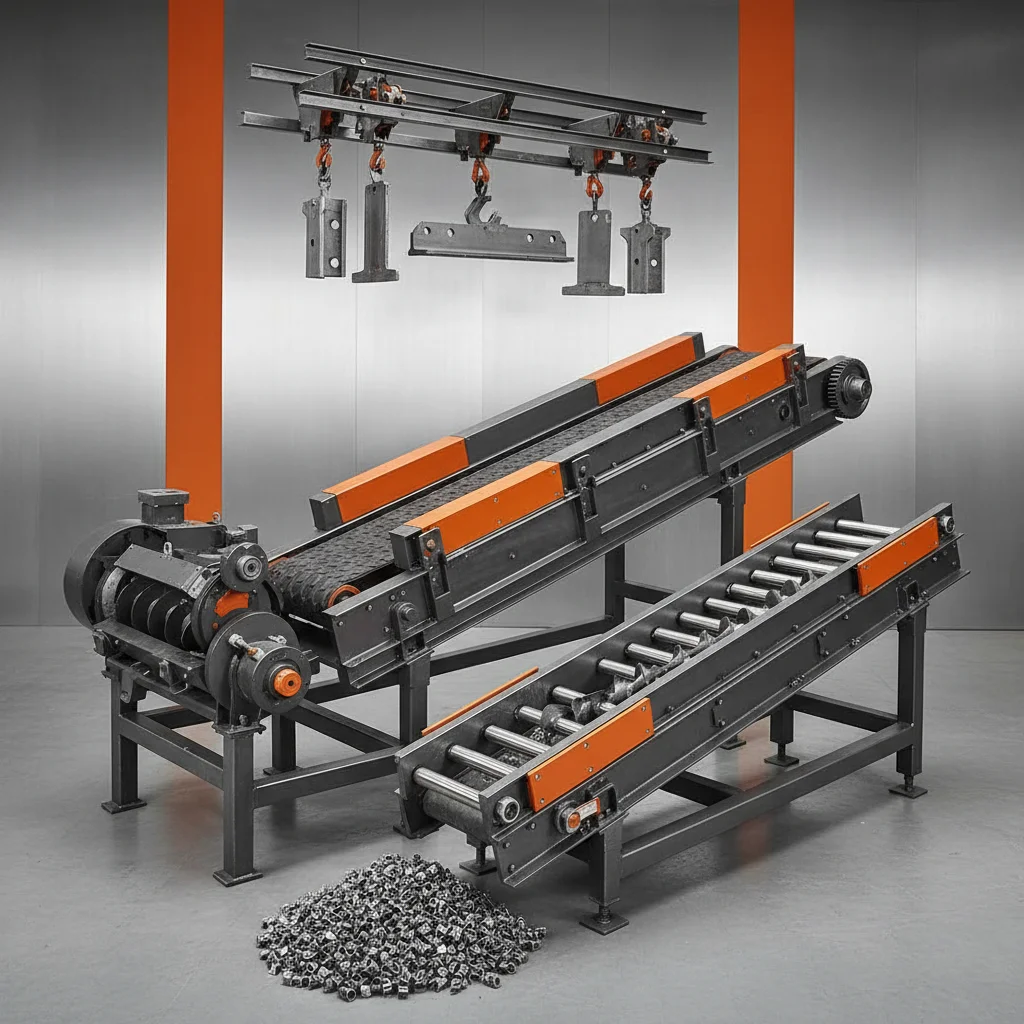
Crucial to the structural longevity is the integration of support pedestals and adjustable mounting brackets. These allow for precise leveling and alignment, which is essential to prevent belt misalignment. In a professional conveyor structure design, these components are designed to absorb vibrations from the motor and rollers, preventing fatigue cracks in the welds over time.
Finally, the inclusion of Impact Beds and specialized bracing provides the necessary reinforcement at high-stress points, such as loading zones. By strategically strengthening the structure where materials first hit the belt, engineers prevent the "sagging" effect that often leads to material spillage and belt wear. This holistic approach ensures that the entire system operates as a single, cohesive unit rather than a collection of loosely connected parts.
Key Factors for High-Performance Design
Achieving a high-performance conveyor structure design requires a careful balance of four primary factors: durability, scalability, cost-efficiency, and maintainability. Durability is ensured through the use of corrosion-resistant coatings and high-grade steel, especially for underground conveyor belts exposed to moisture. Scalability allows a plant to expand its capacity without rebuilding the entire framework, utilizing modular sections that can be bolted together.
Cost-efficiency is not about using the cheapest materials, but about optimizing the distribution of strength. By placing reinforcement only where the stress concentrations are highest, designers reduce the total weight of the system without compromising safety. This approach not only lowers the initial procurement cost but also reduces the shipping and installation expenses, making the overall project more viable.
Performance Metrics for Conveyor Structure Design Methods
Global Applications and Real-World Use Cases
In real-world applications, conveyor structure design varies wildly based on the environment. In remote industrial zones, such as the lithium mines of South America, structures must be designed for rapid assembly and high resistance to extreme temperature fluctuations. Here, modular "bolt-together" designs are preferred over site-welded structures to reduce the need for specialized labor in isolated regions.
Conversely, in urban logistics centers in Asia and North America, the focus shifts to space optimization. Vertical and inclined conveyor structure design allows facilities to utilize ceiling height, incorporating complex curves and transitions that require precise torsion calculations to keep the belt tracking correctly. These systems often integrate with automated sorting software, necessitating a structure that can handle the rapid start-stop cycles of high-speed sorting.
Long-Term Value and Sustainability Benefits
The long-term value of an optimized conveyor structure design manifests in significantly lower maintenance costs. When a structure is perfectly aligned, the wear on Conveyor Belts and Belt Cleaners is reduced by up to 30%. This longevity extends the replacement cycle of expensive components, directly impacting the company's bottom line and reducing industrial waste.
From a sustainability perspective, efficient structural design reduces the energy required to move materials. A structure that minimizes friction and prevents belt sag allows the motor to operate at peak efficiency, lowering the carbon footprint of the facility. Furthermore, using recyclable steel and sustainable coatings aligns with global ESG (Environmental, Social, and Governance) goals, making the operation more attractive to investors.
Beyond the logic of cost and energy, there is a psychological benefit: trust. When a system operates smoothly without rattling or unexpected failures, it fosters a sense of reliability and safety among the workforce. This trust in the infrastructure allows operators to focus on productivity rather than worrying about equipment failure, creating a more positive and stable working environment.
Future Trends in Conveyor Engineering
The future of conveyor structure design is leaning heavily toward the integration of "Smart Structures." We are seeing the emergence of frameworks embedded with IoT sensors that can detect structural fatigue or misalignment in real-time. This allows for predictive maintenance, where a technician is alerted to a loose bolt or a warping beam before it leads to a system shutdown.
Additionally, the adoption of additive manufacturing (3D printing) for complex structural joints is beginning to take hold. This allows for organic, topology-optimized shapes that provide maximum strength with minimum material usage—shapes that were previously impossible to manufacture via traditional milling or casting. This shift toward "light-weighting" will further increase energy efficiency and reduce installation times.
Finally, the move toward green energy is influencing material choices. We are seeing an increase in the use of bio-based composites and high-strength recycled alloys in the structural frames. These innovations ensure that the next generation of conveyor systems is not only more efficient but also fully circular in its lifecycle.
Analysis of Structural Design Approaches and Their Impact
| Design Approach |
Material Efficiency |
Installation Speed |
Lifespan Expectancy |
| Standard Steel Frame |
Medium |
Moderate |
15-20 Years |
| Modular Bolt-On |
High |
Very Fast |
12-15 Years |
| Heavy-Duty Welded |
Low |
Slow |
25+ Years |
| Aluminum Alloy |
Very High |
Fast |
10-12 Years |
| Topology Optimized |
Maximum |
Moderate |
20+ Years |
| Hybrid Composite |
High |
Fast |
18-22 Years |
FAQS
Precision ensures that all rollers and pulleys are perfectly parallel. Even a slight misalignment in the structural frame can cause the belt to drift, leading to edge fraying and premature wear. A precise design eliminates these stresses, extending the life of the belt and reducing the frequency of costly replacements.
Yes, provided they are engineered correctly. Modern modular conveyor structure design uses high-strength fasteners and precision-machined joints that can match the load capacity of welded frames. The advantage is the ability to replace specific damaged sections without cutting into the rest of the system.
Environment is a deciding factor. For corrosive environments (like chemical plants or coastal areas), galvanized steel or stainless steel is required. For underground mines, focus is placed on high-impact resistance and ease of assembly in confined spaces, often favoring reinforced modular steel.
Common signs include excessive vibration during operation, visible sagging between support legs, repeated belt misalignment despite adjustments, and the appearance of hairline cracks in welds or joint fatigue. Early detection through structural audits can prevent total system collapse.
A poorly designed structure can cause belt sag or friction due to misalignment, forcing the motor to work harder to move the same load. An optimized design reduces these parasitic losses, lowering the kWh per ton of material moved and reducing overall operating costs.
Absolutely. Many facilities use structural reinforcement kits, such as adding support bracing or upgrading to high-performance impact beds at loading points. This allows you to increase the load capacity or stability of an older system without the downtime of a full reinstall.
Conclusion
In summary, conveyor structure design is far more than just building a frame; it is a strategic investment in the operational stability of an industrial facility. By prioritizing precision, selecting the right materials for the specific environment, and integrating modern modularity, businesses can drastically reduce downtime, enhance worker safety, and lower their total cost of ownership. From the selection of the primary chassis to the integration of smart IoT sensors, every detail contributes to a more efficient and sustainable material handling process.
Looking ahead, the convergence of additive manufacturing and predictive analytics will continue to redefine what is possible in structural engineering. We encourage plant managers and engineers to move away from "one-size-fits-all" frameworks and embrace customized, data-driven designs that evolve with their production needs. Investing in high-quality structural design today is the only way to ensure your facility remains competitive and resilient in the face of tomorrow's industrial challenges. Visit our website for more professional solutions: www.jtconveyor.com