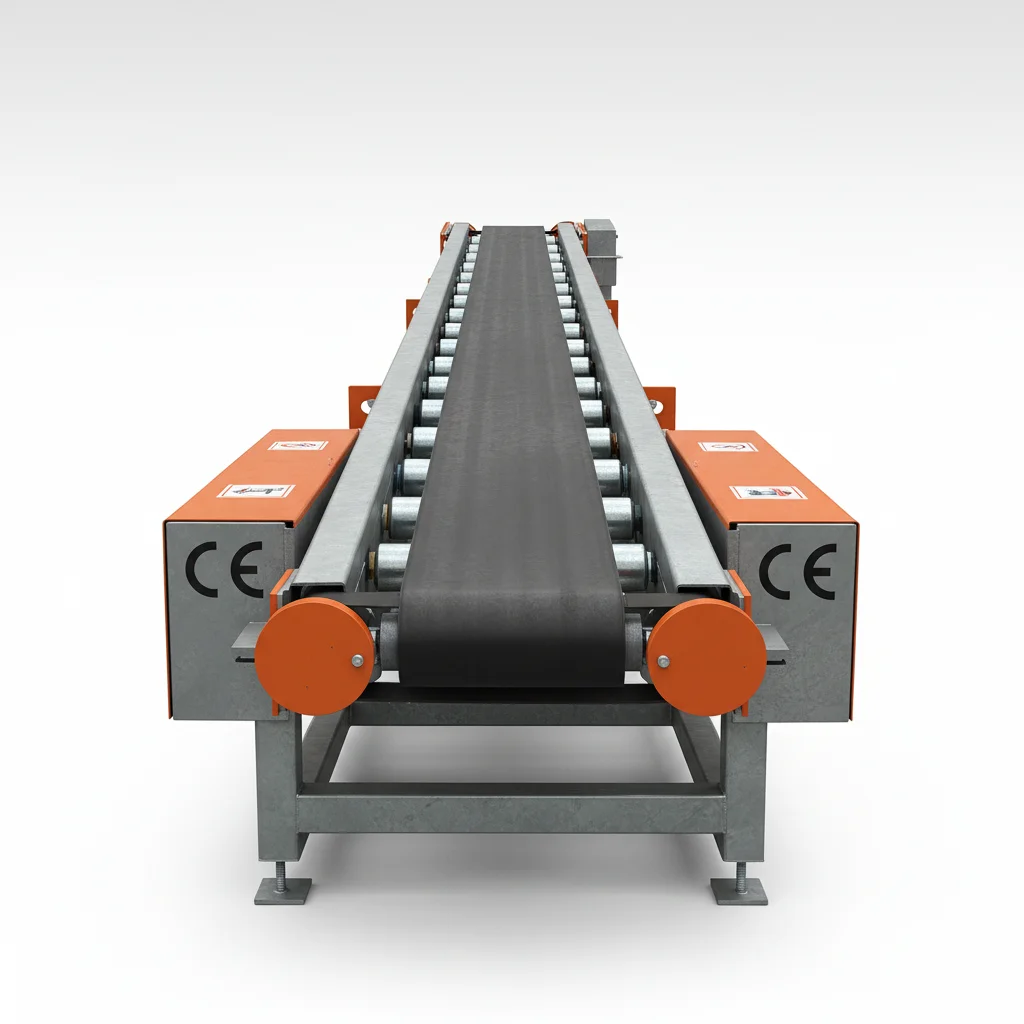
Selecting the right conveyor belt material for sale is a critical decision that directly impacts the operational efficiency, longevity, and safety of any industrial material handling system. Whether you are managing a high-capacity mining operation or a precision food processing line, the interaction between the belt material and the transported commodity determines the frequency of downtime and the overall cost per ton of material moved.
In the global landscape of continuous conveying, the shift toward high-performance polymers and reinforced composites has revolutionized how industries approach wear and tear. By understanding the chemical and physical properties of various materials—ranging from standard rubber to specialized polyurethane—operators can significantly reduce energy consumption and minimize the environmental footprint of their logistics infrastructure.
Ultimately, the goal of sourcing premium conveyor belt material for sale is to balance initial procurement costs with long-term durability. This guide provides a comprehensive deep dive into the technical specifications, application scenarios, and innovative trends that define modern belt selection, ensuring your facility maintains peak productivity with minimal maintenance interruptions.

Global Relevance of Conveyor Belt Material Selection
On a global scale, the demand for robust conveyor belt material for sale is driven by the relentless growth of the mining, cement, and logistics sectors. According to ISO standards for belt conveyors, the failure of a single belt component can lead to catastrophic production halts, costing large-scale enterprises thousands of dollars per hour. In emerging economies, the rapid expansion of infrastructure projects has put a premium on materials that can withstand extreme climatic variations and abrasive loads.
The challenge lies in the diversity of materials being transported—from caustic chemicals and hot clinker to delicate food products. This variety necessitates a sophisticated approach to material science, where the belt must act as more than just a carrier; it must serve as a protective barrier and a friction-optimized surface. Consequently, the industry is seeing a shift toward tailored material blends that optimize the trade-off between elasticity and tensile strength.
Defining High-Performance Conveyor Belt Materials
When discussing conveyor belt material for sale, we are referring to the composite layers—typically consisting of a carcass (the strength member) and a cover (the wear layer)—that form the belt. The cover is often made from rubber (SBR, NBR), Polyvinyl Chloride (PVC), or Polyurethane (PU). These materials are engineered to resist specific threats such as abrasion, oil penetration, heat, or impact, ensuring that the belt maintains its structural integrity under constant load.
In modern industrial contexts, the "material" also encompasses the integrated components like the Polyurethane (PU) Primary Belt Cleaners. These cleaners are essential because the best belt material in the world will still suffer from "carryback"—material that sticks to the belt after discharge. By utilizing PU blades that conform to the belt surface, industries can prevent material buildup and extend the operational life of the belt material itself.
From a humanitarian and economic perspective, the availability of affordable, high-grade conveyor belt material for sale allows for more efficient resource extraction and food distribution in remote regions. By reducing the energy required to move bulk goods over long distances (Overland Conveyors), these materials contribute to lower carbon emissions and more sustainable global supply chains.
Core Factors Driving Material Durability
The first pillar of durability for any conveyor belt material for sale is Abrasion Resistance. In mining and quarrying, the constant friction from jagged rocks can shred standard rubber. High-grade materials use specialized polymers that distribute the impact energy, preventing deep cuts and surface pitting, which in turn reduces the frequency of belt replacements.
Secondly, Chemical and Oil Resistance is paramount in industrial processing. Many belts encounter lubricants or corrosive chemicals that can cause the rubber to swell or crack. By choosing a nitrile-based or PU-enhanced conveyor belt material for sale, operators ensure that the belt remains chemically inert, maintaining its tension and grip even in the presence of aggressive solvents.
Finally, Tensile Strength and Scalability define how a belt handles heavy loads over long distances. The internal fabric or steel cords provide the skeletal strength, while the outer material protects these cores. A well-engineered belt material allows for seamless scaling—meaning the same material quality can be applied to a short plant conveyor or a massive underground conveyor system without sacrificing performance.
Comparative Analysis of Material Efficiency
To understand the value of different options for conveyor belt material for sale, one must look at the performance metrics regarding wear rates and energy efficiency. While traditional rubber belts offer excellent initial costs, specialized polyurethane and steel-cord materials often provide a lower Total Cost of Ownership (TCO) due to their extended lifespans and lower stretching coefficients.
The efficiency of a belt is not just about the material itself, but how it interacts with components like the conveyor pulley and rollers. A material with the correct coefficient of friction reduces "slip," which means the motor consumes less electricity to move the same volume of material, directly impacting the facility's bottom line.
Material Performance Rating for Conveyor Belt Material for Sale
Industrial Applications and Global Use Cases
The application of premium conveyor belt material for sale varies wildly across regions. In the heavy-industrial zones of Australia and Brazil, steel-corded belt materials are the gold standard for overland conveyors, moving iron ore across vast terrains. These materials are chosen for their immense strength and ability to withstand the crushing weight of bulk minerals without significant elongation.
Conversely, in European and North American food processing plants, there is a high demand for FDA-approved PU and PVC conveyor belt materials. These materials are non-toxic, easy to sanitize, and resistant to the fats and oils common in food production. In these settings, the focus shifts from sheer strength to hygiene and precision, ensuring that the conveyor system does not contaminate the product.
Long-Term Value and Operational Advantages
Investing in high-quality conveyor belt material for sale yields tangible long-term benefits that go beyond simple durability. One of the most significant advantages is the reduction in unplanned downtime. When a belt fails, the entire production chain stops. High-performance materials, paired with accessories like Polyurethane Primary Belt Cleaners, ensure that debris is removed efficiently, preventing the "belt gouging" that often leads to premature failure.
From a safety perspective, superior materials reduce the risk of belt snaps or slippages, which can be hazardous in underground conveyor environments. This reliability fosters a culture of trust among workers and operators, knowing that the equipment is stable and predictable.
Furthermore, there is a strong sustainability angle. Durable materials mean fewer belts end up in landfills every year. By extending the lifecycle of the belt from 2 years to 5 years through better material selection, a company significantly reduces its industrial waste and the carbon footprint associated with manufacturing and transporting new rubber.
Future Innovations in Conveying Technology
The future of conveyor belt material for sale is leaning heavily toward "Smart Materials." We are seeing the integration of embedded sensors within the belt carcass that can detect rips or overheating in real-time. This digital transformation allows for predictive maintenance, where a technician can replace a small section of the belt before a total failure occurs.
Sustainability is also driving the development of bio-based polymers. Researchers are exploring ways to create high-strength belts from recycled plastics and organic resins, reducing the reliance on petroleum-based rubber. These green materials aim to match the performance of traditional options while offering a circular economy approach to manufacturing.
Additionally, the move toward automation is requiring materials with lower rolling resistance. As conveyors become faster and more autonomous, the interaction between the belt material and the conveyor roller becomes a focal point for energy saving. New low-friction coatings are being developed to minimize heat buildup and power consumption.
Technical Analysis of Modern Conveyor Belt Materials
| Material Type | Primary Application | Wear Resistance | Service Life (Years) |
|---|
| Polyurethane (PU) | Food & Pharmaceuticals | Very High | 5-8 |
| SBR Rubber | General Purpose Cargo | Medium | 2-4 |
| Steel Cord | Heavy Mining/Overland | High | 10-15 |
| PVC Vinyl | Light Industrial/Packaging | Low-Medium | 3-5 |
| Nitrile (NBR) | Oil & Grease Handling | High | 4-7 |
| EP Fabric | Aggregate & Sand | Medium-High | 5-9 |
FAQS
For abrasive environments like mining or quarrying, you should prioritize materials with high Shore A hardness and reinforced carcasses. Steel-cord belts or high-grade rubber blends (SBR/NBR) are recommended. Additionally, pairing these materials with a Polyurethane Primary Belt Cleaner is crucial to remove abrasive grit that would otherwise act like sandpaper on your belt surface.
Yes, in most industrial applications. While PU (Polyurethane) conveyor belt material for sale typically has a higher upfront cost, its superior wear resistance, flexibility, and resistance to oils and chemicals mean it lasts significantly longer than PVC. This reduces the frequency of replacements and minimizes production downtime, leading to a lower total cost of ownership.
Carryback is the material that remains stuck to the belt after it has been discharged at the head pulley. If not removed, this material builds up on return rollers and pulleys, causing the belt to mistrack and creating uneven wear on the conveyor belt material. Using high-performance PU belt cleaners effectively eliminates carryback and protects the belt's structural integrity.
Not necessarily. Outdoor systems are exposed to UV radiation and extreme temperature fluctuations, which can cause standard rubber to crack (ozonolysis). For outdoor use, you must ensure the conveyor belt material for sale is UV-stabilized and rated for the specific temperature range of your region to prevent premature degradation.
Inspection frequency depends on the load, but for heavy-duty operations, a weekly visual check is recommended. Look for signs of cover wear, longitudinal rips, or fraying at the edges. Regular maintenance of your belt cleaners and pulleys can extend the life of your belt material by preventing the conditions that cause accelerated wear.
Steel-cord belts are designed for high-tension, long-distance, and heavy-load applications. They are not suitable for conveyors with tight radii or frequent flexing (like small modular conveyors), as the steel cords can fatigue and break. For those applications, EP (Polyester/Nylon) fabric belts are a much better choice.
Conclusion
Selecting the optimal conveyor belt material for sale is a multifaceted process that requires a balance of material science, operational requirements, and financial planning. From the abrasion-resistant skins of mining belts to the hygienic surfaces of PU food-grade belts, the right material ensures that the conveyor system operates as a seamless artery of production rather than a point of failure. By integrating high-performance materials with essential cleaning components, industries can achieve unprecedented levels of efficiency and durability.
Looking forward, the integration of smart sensors and bio-polymers will continue to redefine the standards of the conveying industry. We encourage operators to move beyond the "lowest initial price" mindset and embrace a lifecycle-value approach to belt procurement. By investing in premium materials today, you are securing the reliability of your infrastructure for the next decade. For more information on high-quality belt solutions, visit our website: www.jtconveyor.com