
Jun. 13, 2026
In the fast-paced world of material handling, the efficiency of your production line often depends on the smallest components. lightweight conveyor rollers have emerged as a game-changer for industries seeking to reduce energy consumption and increase operational speed. By minimizing the rotational inertia and overall system weight, these specialized rollers allow for smoother acceleration and reduced wear on drive motors. Whether you are managing a warehouse, a packaging plant, or a food processing facility, understanding the advantages of lightweight materials can lead to significant cost savings and improved throughput.

Traditional steel rollers are durable, but their sheer mass can be a liability in high-speed applications. Moving to lightweight conveyor rollers significantly reduces the "dead weight" of the conveyor system. This reduction translates directly into lower energy requirements for the motor to start and stop the belt, which is critical for start-stop frequent cycles. Additionally, lightweight rollers are often more resistant to corrosion and easier to install or replace, reducing downtime during maintenance intervals. For businesses focusing on sustainable operations, the energy efficiency gained from reducing system mass is a primary driver for adoption.
Efficiency Gain: Reducing roller weight can decrease the energy needed for initial acceleration by up to 15-20%, depending on the total number of rollers in the system.
The secret behind the performance of lightweight conveyor rollers lies in advanced material science. While steel was once the only option, modern engineering introduces high-strength polymers, aluminum alloys, and reinforced composites. For instance, PVC and HDPE rollers provide excellent chemical resistance and are ideal for wash-down environments. Meanwhile, aluminum rollers offer a perfect middle ground—providing the rigidity of metal with a fraction of the weight. These materials are designed to maintain structural integrity under specific load capacities while ensuring the system remains agile.
Common Material Benefits:
• Aluminum: High strength-to-weight ratio, naturally corrosion resistant.
• Engineered Plastics: Low noise, waterproof, and non-conductive.
• Composite Wraps: Extreme durability with minimal mass.
Choosing between lightweight conveyor rollers and heavy-duty steel rollers depends entirely on your load profile. For light-to-medium duty parcels, the lightweight option is superior due to its agility and cost-effectiveness. However, for heavy industrial mining or automotive chassis lines, steel remains necessary. The table below highlights the key technical differences to help you make an informed decision based on your specific operational needs.
Where do lightweight conveyor rollers truly shine? The most prominent application is in e-commerce fulfillment centers, where millions of small packages are moved daily. The reduced friction and weight allow for faster sorting speeds. They are also indispensable in the pharmaceutical and food industries, where stainless steel or plastic lightweight rollers prevent contamination and withstand rigorous cleaning protocols. Furthermore, in aerospace assembly, where precision and minimal vibration are required, these rollers provide a stable yet agile transport medium.

When sourcing lightweight conveyor rollers, it is essential to look at the technical specifications to ensure they match your load requirements. Factors such as diameter, wall thickness, and bearing type play a critical role in the roller's lifespan. Most lightweight rollers utilize precision ball bearings or polymer bushings to minimize rolling resistance. Below is a typical specification table for a standard industrial lightweight roller series.
To maximize the return on investment for your lightweight conveyor rollers, a proactive maintenance schedule is key. While they are designed for durability, debris accumulation in the bearings can increase friction and negate the benefits of the lightweight design. Regular cleaning with compressed air and periodic lubrication of the axles can extend the life of the rollers by years. Additionally, ensuring that the conveyor belt is properly tensioned prevents uneven wear on the roller surfaces, maintaining a smooth flow of goods.
Implementing lightweight conveyor rollers is more than just a material change; it is a strategic move toward operational excellence. By reducing energy costs, decreasing noise pollution, and improving system responsiveness, these rollers provide a competitive edge in modern logistics. Whether you are building a new system or retrofitting an existing one, focusing on weight reduction without sacrificing strength is the path to a more sustainable and efficient warehouse. Choose quality, choose efficiency, and elevate your material handling today.
Not necessarily. While steel is harder, modern engineered polymers and aluminum alloys used in lightweight conveyor rollers are designed specifically for the loads they carry. In many cases, plastic rollers actually last longer in corrosive or wet environments where steel would rust and seize. The key is matching the material to the environment; for standard packaging loads, lightweight rollers offer an exceptional lifespan with minimal maintenance.
In most cases, yes. Most lightweight conveyor rollers are manufactured to standard industrial dimensions. As long as the shaft diameter and the overall roller length match your existing frame specifications, the swap is a direct replacement. We recommend auditing your current load capacity to ensure the new lightweight rollers can handle your maximum package weight to prevent bowing or deformation.
Energy savings vary based on the length of the conveyor and the frequency of starts and stops. However, by reducing the total mass of the rolling surface, you reduce the torque required from the motor. For a large-scale facility with kilometers of conveyors, this can lead to a noticeable reduction in monthly electricity costs. Additionally, the reduced strain on the drive belt and motor often leads to lower replacement costs for these expensive components, creating a dual financial benefit.
Absolutely. In fact, they are often preferred. Many lightweight conveyor rollers are made from FDA-approved plastics or high-grade aluminum that does not flake or rust. This makes them ideal for food processing, where hygiene and easy cleaning are mandatory. Their non-porous surfaces prevent bacterial growth and can withstand the caustic chemicals used in industrial cleaning agents, making them safer and more durable than traditional painted steel.
Mar 11,26
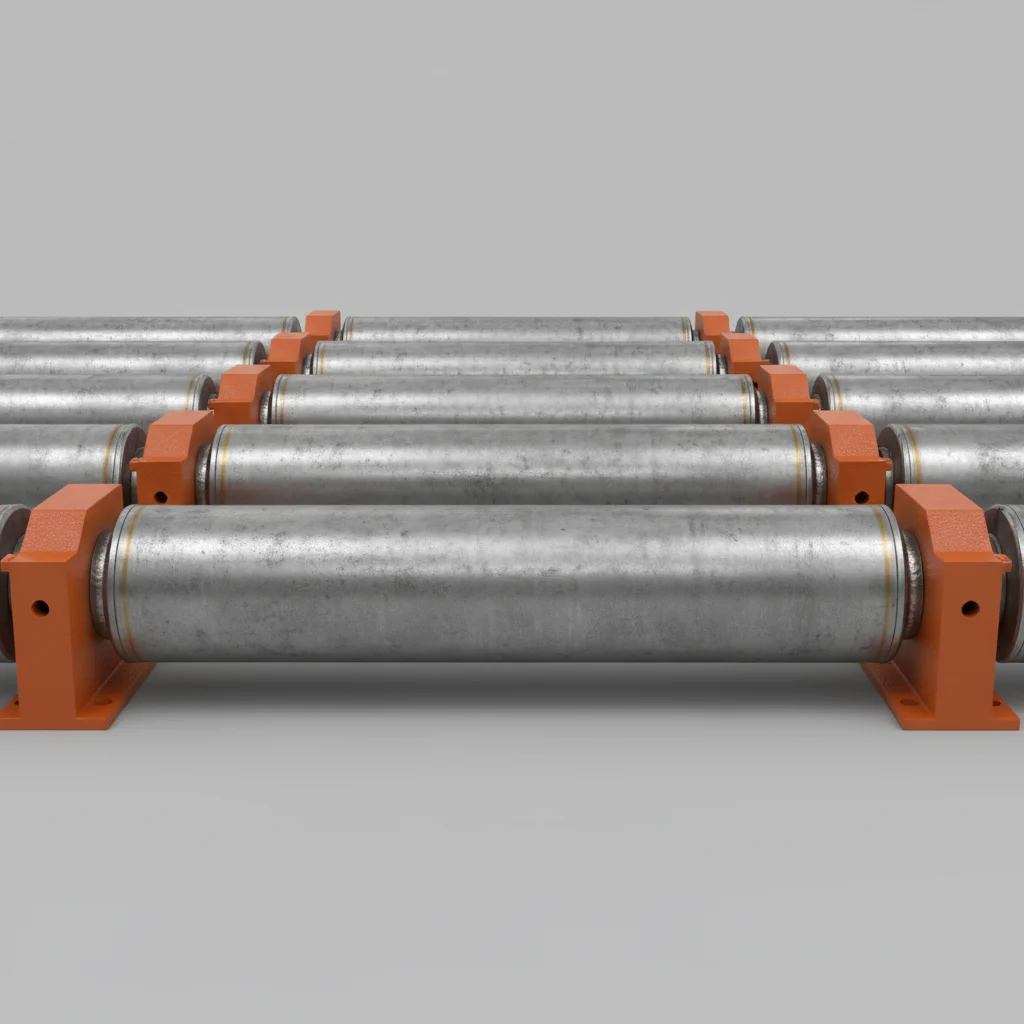
Comprehensive Guide to Steel Conveyor Rollers for Efficient Material Handling

Jun 08,26
High Quality Industrial Gravity Conveyor for Sale Online
Mar 09,26
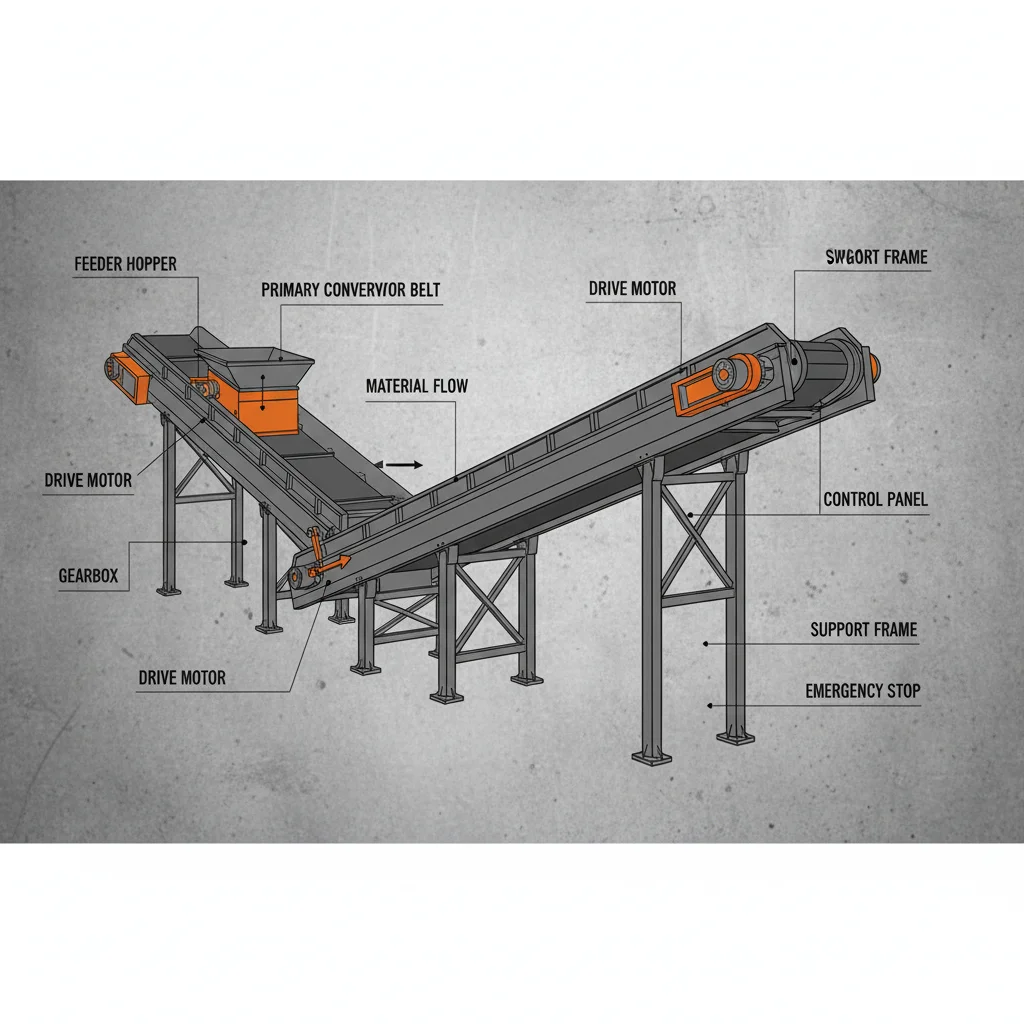
Optimizing Manufacturing Efficiency with Advanced Factory Conveyors
Nov 07,25
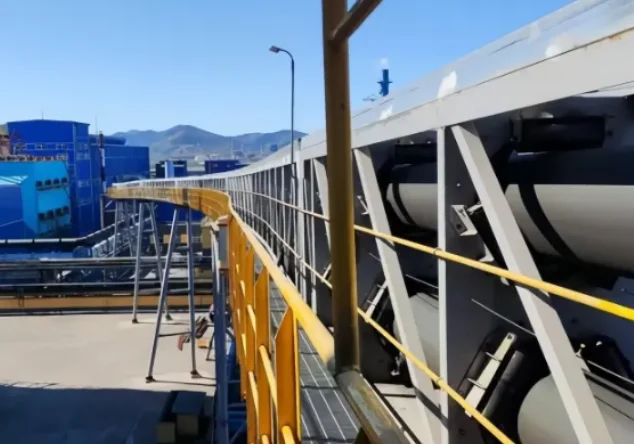
Elevating Operations with Advanced Coal Mine Conveyor Belt Systems
In the demanding world of subterranean and open-pit mining, the efficiency and safety of material transport are paramount.
Dec 05,25
Durable Belt Conveyor Idlers for Industrial Applications | JT Conveyor

Oct 28,26
Top Engineering Guide for Mining Conveyor Manufacturers
SUBSCRIBE NEWSLETTER