The modern industrial landscape relies heavily on the seamless movement of materials, where the efficiency of a conveyor system often determines the overall productivity of a facility. From massive mining operations to precision logistics hubs, the ability to transport bulk materials without interruption is a cornerstone of global trade and manufacturing. Understanding the nuances of these systems allows operators to maximize throughput while minimizing operational risks.
However, one of the most persistent challenges in material handling is belt misalignment, which can lead to catastrophic failure, material wastage, and increased safety hazards. When a belt drifts from its center, it creates friction against the structure, wearing down the edges and causing expensive downtime. This is where specialized components, like the Self Aligning Roller with Automatic Belt Tracking, become indispensable for maintaining system integrity.
By integrating intelligent tracking mechanisms, companies can transform a standard conveyor system from a passive mechanical chain into an active, self-correcting asset. This shift not only extends the lifespan of the conveyor belt but also ensures that operational costs are kept low through reduced maintenance and eliminated spillage, providing a sustainable edge in competitive industrial environments.

Global Impact of Advanced Conveyor Systems
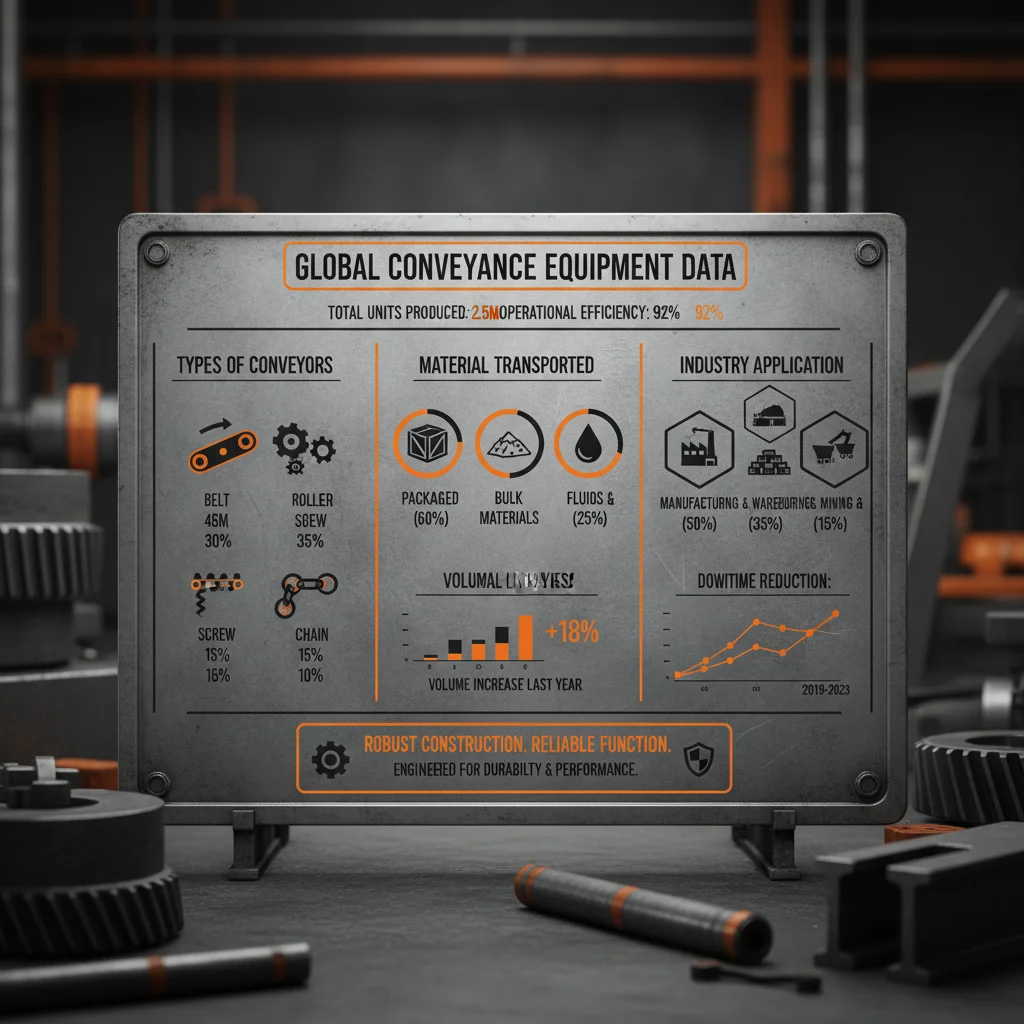
On a global scale, the demand for efficient bulk material handling has surged, driven by the expansion of mining in South America and the logistics boom in Asia. A robust conveyor system is no longer just a convenience but a critical infrastructure requirement. According to industrial standards and ISO guidelines, reducing downtime in material transport can increase overall plant efficiency by up to 15%, making the precision of belt tracking a high-priority objective for engineers worldwide.
The economic ripple effect of system failure is significant; a single misaligned belt in a high-capacity mine can result in thousands of dollars of lost revenue per hour. By implementing self-aligning rollers, industries are moving toward a "zero-intervention" model where the equipment manages its own stability. This evolution reduces the reliance on manual adjustments and minimizes the risk of workplace accidents associated with belt corrections during operation.
Defining the Role of Automatic Belt Tracking
Automatic belt tracking refers to the integrated mechanical process of detecting a conveyor belt's deviation from its intended path and applying a corrective force to return it to center. In a complex conveyor system, belts naturally tend to wander due to uneven loading, structural warping, or wear and tear. The Self Aligning Roller acts as the "brain" of the mechanical alignment, utilizing a pivoting mechanism to steer the belt back without requiring the system to stop.
From a technical perspective, this mechanism is essential for maintaining the structural health of the entire assembly. When a belt tracks correctly, the load is distributed evenly across the rollers and idlers, preventing localized stress points. This stability is crucial for humanitarian and industrial projects alike, where reliability in remote regions—such as deep-pit mining or overseas ports—is paramount to maintaining supply chains.
Ultimately, automatic tracking is about the synergy between durability and precision. By combining high-strength steel construction with precision bearings, these rollers ensure that the correction process is smooth and low-friction. This prevents the "hunting" effect (where the belt swings wildly from side to side) and instead provides a dampened, stable centering motion that protects the belt's edges from fraying.
Core Components for System Stability
The foundation of any high-performing conveyor system lies in its components. The Self Aligning Roller is engineered with a specialized self-adjusting mechanism that continuously monitors the belt's position. When the belt shifts, the roller rotates to an angle that guides the belt back to its centerline, ensuring that the operation remains safe and uninterrupted.
Durability is ensured through the use of high-strength steel and corrosion-resistant coatings. These materials allow the roller to withstand the harshest industrial environments, from the abrasive dust of a quarry to the humid conditions of a chemical plant. Precision bearings are integrated to minimize friction, which directly reduces the energy required to move the belt and lowers the frequency of maintenance.
Furthermore, compatibility is a key factor. These rollers are designed to integrate seamlessly with various belt widths and load capacities. Whether it is a light-duty logistics line or a heavy-duty mining setup, the ability of the conveyor system to adapt to different material types—from ores to packaged goods—makes this component a versatile asset for any facility manager.
Industrial Applications and Performance Metrics
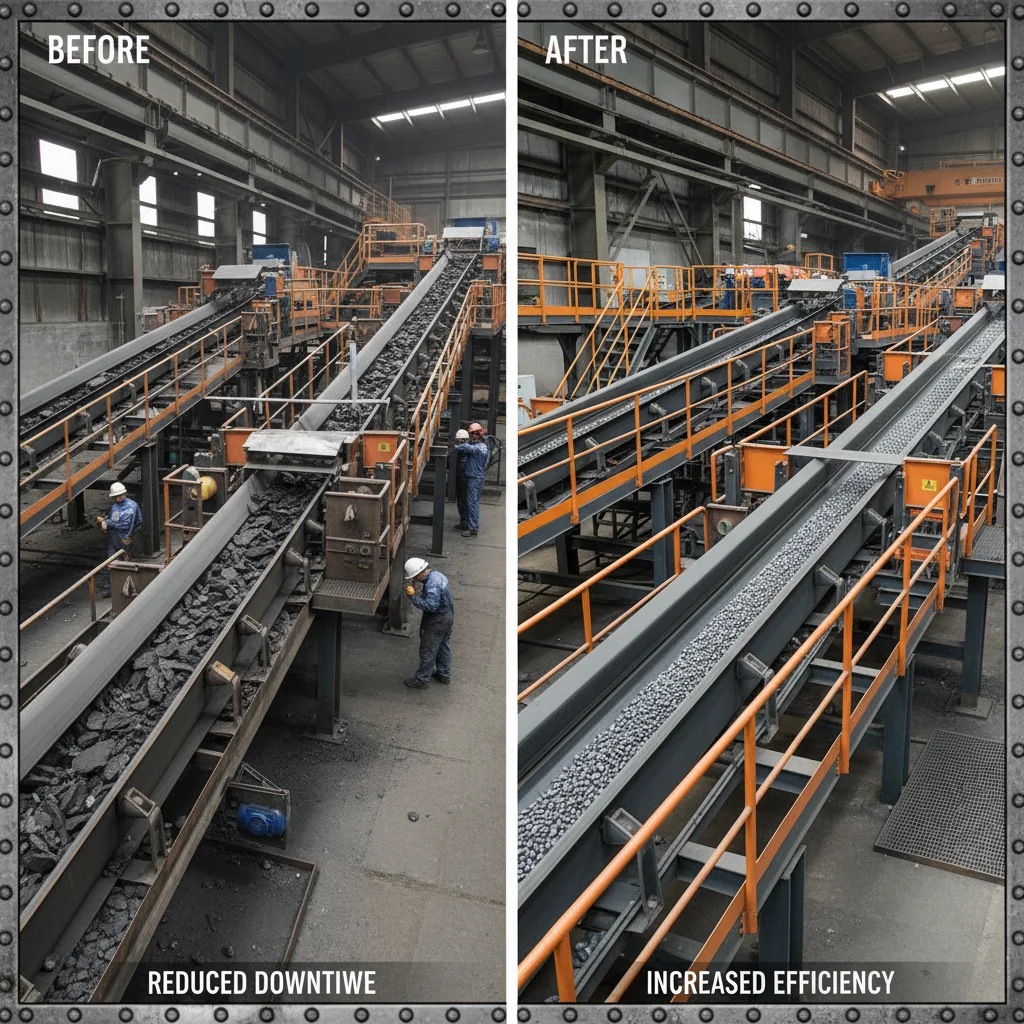
The application of self-aligning rollers varies across industries, but the goal remains the same: maximizing uptime. In the mining sector, where belts can stretch for kilometers, automatic tracking prevents the massive material spillage that occurs when a belt drifts. In manufacturing and logistics, it ensures that fragile packages are not damaged by rubbing against the side frames of the conveyor system.
To quantify the impact, we look at performance metrics such as belt lifespan extension and the reduction in manual intervention hours. Systems equipped with automatic tracking consistently show lower rates of belt edge wear, which translates directly into a lower Total Cost of Ownership (TCO) over the life of the equipment.
Operational Efficiency Rating by Component Type
Tangible Advantages of Self-Aligning Technology
The most immediate benefit of integrating self-aligning rollers into a conveyor system is the dramatic reduction in material spillage. When a belt deviates, the load often tips over the side, leading to waste and hazardous cleanup operations. By maintaining a precise center, these rollers ensure that 100% of the material reaches its destination, enhancing the overall profitability of the operation.
Beyond the financial gains, there is a significant safety and psychological advantage. Maintenance teams are no longer required to perform dangerous manual adjustments on live belts, which reduces the risk of entanglement accidents. The reliability of the system fosters a sense of trust among operators, knowing that the conveyor system is designed to handle deviations autonomously, allowing them to focus on higher-value supervisory tasks.
Future Innovations in Material Handling
The future of the conveyor system is trending toward "Intelligent Conveying." We are seeing a convergence of mechanical self-alignment and digital monitoring. Future iterations of aligning rollers may include embedded IoT sensors that transmit real-time alignment data to a central control room, allowing for predictive maintenance before a belt ever reaches a critical deviation point.
Sustainability is also driving innovation. The use of lightweight, high-strength composite materials is beginning to replace traditional steel in some applications, reducing the rotational inertia of the rollers and lowering the energy consumption of the drive motors. This alignment with "Green Industry" policies makes the system not only more efficient but also more eco-friendly.
Furthermore, the integration of AI-driven load balancing will allow the conveyor system to adjust its tracking parameters based on the density and moisture content of the material being moved. This level of automation will virtually eliminate the "human error" component of conveyor setup and maintenance.
Overcoming Common Tracking Challenges
Despite the advantages of automatic tracking, challenges like severe structural warping or extreme overloading can still cause issues. The solution lies in a holistic approach to conveyor system design. Expert insight suggests that self-aligning rollers should be placed strategically—typically every 30 to 50 meters—to provide consistent correction across the entire length of the belt.
Another common limitation is the buildup of material on the roller itself, which can interfere with the pivoting mechanism. To overcome this, the latest designs incorporate specialized coatings and "easy-clean" geometries that prevent material adhesion. Regular inspection of the precision bearings remains essential to ensure that the roller can pivot freely.
Ultimately, the transition from reactive maintenance to proactive alignment is the most effective strategy. By investing in high-quality, self-correcting components, operators can shift their focus from "fixing the belt" to "optimizing the flow," ensuring that the conveyor system becomes a silent, efficient partner in their production process.
Comparison of Conveyor Tracking Solutions and Their Impact
| Tracking Method | Maintenance Frequency | Belt Wear Rate | Efficiency Score |
|---|
| Manual Adjustment | Very High | High | 4/10 |
| Fixed Idlers | Medium | Medium | 6/10 |
| Self-Aligning Roller | Low | Low | 9/10 |
| Automatic Tracking System | Very Low | Very Low | 10/10 |
| Hybrid Mech-Electronic | Low | Low | 9/10 |
| Traditional Flat Rollers | High | High | 3/10 |
FAQS
The roller is mounted on a pivoting axle. When the belt drifts to one side, it applies pressure to the roller, causing it to rotate to a specific angle. This angle creates a resultant force that gently pushes the belt back toward the center of the conveyor system without needing to stop the machinery.
Yes, they are specifically manufactured with high-strength steel and precision bearings to withstand extreme loads. Their durable construction and corrosion-resistant coatings make them ideal for the abrasive and harsh environments typical of mining and bulk material handling.
Indirectly, yes. By preventing belt misalignment, you reduce the friction between the belt and the conveyor structure. Additionally, the precision bearings used in these rollers minimize rolling resistance, leading to a more efficient conveyor system that requires less power to maintain speed.
Replacement intervals depend on the environment, but because they reduce belt edge wear and operational stress, they often outlast standard rollers. Regular inspections of the bearings and pivot points are recommended every 6-12 months to ensure maximum effectiveness.
Not at all. They are designed for wide compatibility and can usually be swapped in for standard rollers without requiring major structural changes to your current conveyor system. This makes them a cost-effective upgrade for existing facilities.
While they correct most operational drifts, they cannot fix fundamental structural errors (like a conveyor frame that is physically crooked). They are designed to handle dynamic misalignment, ensuring the belt stays centered during active transport.
Conclusion
In summary, the integration of Self Aligning Rollers with Automatic Belt Tracking is a strategic investment that addresses the most critical vulnerability of any conveyor system: belt misalignment. By combining high-strength materials with a smart, self-correcting mechanical design, these components drastically reduce material spillage, extend belt longevity, and minimize costly operational downtime. From the precision of the bearings to the durability of the steel, every aspect is engineered to ensure that bulk material handling is safe, efficient, and sustainable.
Looking forward, the evolution of material handling will continue to move toward automation and intelligence. Adopting self-aligning technology today prepares your operation for this future, providing a stable foundation upon which further digital transformations can be built. For those seeking to optimize their throughput and lower their maintenance overhead, upgrading to an intelligent tracking solution is the most logical step toward industrial excellence. Visit our website: www.jtconveyor.com