Jul. 01, 2026
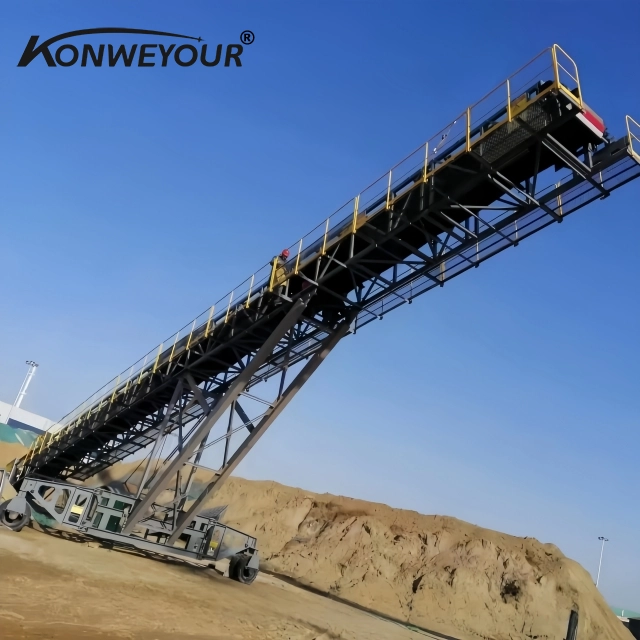
In the modern industrial landscape, the efficiency of material movement can determine the overall profitability of an operation. High-performance conveyor transfer systems serve as the backbone of bulk material handling, bridging the gap between extraction and processing. By utilizing a modular architecture, these systems allow enterprises to transport ores, coal, and aggregates across expansive and challenging terrains with minimal friction. Whether you are managing a large-scale mining site or a busy port terminal, implementing a scalable transfer solution ensures that operational throughput is maximized while reducing the total cost of ownership. This guide explores the technical superiority and strategic advantages of adopting modular overland solutions.

The core strength of modern conveyor transfer systems lies in their modular design. Unlike traditional fixed-structure conveyors, modular systems are composed of pre-fabricated components that can be rapidly deployed and reconfigured. This approach significantly shortens project lead times and allows for seamless scalability. By integrating advanced automatic alignment tracking and energy-optimized drive systems, these conveyors maintain a stable material flow even in the harshest industrial environments. The use of high-grade, corrosion-resistant materials ensures that the system can withstand continuous heavy-duty loads without premature wear.
Technical Highlight: Modular scalable designs allow for "Plug-and-Play" expansion, meaning the conveyor length can be increased without replacing the existing drive motor or structural frame.
Achieving high throughput requires more than just a strong belt; it requires precision control. Advanced conveyor transfer systems now incorporate intelligent drive optimization that adjusts belt speed and tension based on real-time load requirements. This not only prevents belt slippage and material spillage but also drastically reduces power consumption. By minimizing friction through optimized roller alignment and low-resistance belt compounds, operators can achieve a significant reduction in energy costs per ton of material transported, directly enhancing the long-term ROI of the facility.
When evaluating the investment in new conveyor transfer systems, it is essential to compare modular technology against traditional on-site builds. Traditional systems often suffer from extensive installation timelines and high maintenance costs due to their rigid structures. In contrast, modular systems offer rapid deployment and the ability to swap components with minimal downtime. The following table illustrates the stark difference in operational metrics between the two approaches.
Operating conveyor transfer systems across varying elevations requires a dynamic approach to structural layout. Modular systems utilize advanced tensioning and belt tracking to prevent drifting, which is the primary cause of material spillage and mechanical failure. Furthermore, integrated safety mechanisms—including emergency stop buttons and real-time overload sensors—ensure that personnel are protected and equipment is safeguarded against catastrophic failure. This combination of safety and adaptability makes them ideal for mining and power generation sectors where the geography is often unpredictable.

To ensure a seamless integration into existing workflows, it is critical to understand the technical parameters of the conveyor transfer systems. From the material compatibility to the installation method, every detail is engineered for durability. Below are the standard specifications for our long-distance modular overland series, designed to meet the rigorous demands of the heavy-industry sector.
Investing in high-efficiency conveyor transfer systems is no longer just an operational upgrade—it is a strategic necessity for competitiveness in the global market. By combining modular flexibility with energy-efficient drive technologies, companies can significantly reduce downtime and operational costs. Whether navigating harsh terrains or expanding production capacity, the modular overland approach provides the stability and scalability required for long-term success. Optimize your material flow today for a more sustainable and profitable tomorrow.
The modular design enables faster installation and easier transportation of components to remote or difficult-to-reach sites. Unlike traditional monolithic structures, modular systems allow operators to expand or reconfigure the layout without replacing the entire system. This flexibility means that as your production needs grow, your conveyor can grow with you, reducing the need for expensive new capital expenditures and minimizing operational interruptions during upgrades.
Modular conveyor transfer systems are engineered with advanced tracking and tensioning mechanisms that allow the belt to maintain stability on inclines. The structural frame can be adjusted dynamically to suit different geographic obstacles, and high-friction belt materials can be employed to prevent material rollback. This ensures a consistent, secure flow of bulk materials regardless of the site's topography.
Maintenance is significantly simplified due to the modular nature of the system. Instead of extensive on-site repairs, worn-out components can be swapped quickly with pre-fabricated spares, resulting in low-downtime modular access. Regular maintenance focuses on belt alignment checks, lubrication of the drive system, and monitoring sensors. Many of our systems also support predictive maintenance, where wear-and-tear analysis helps schedule replacements before a failure occurs.
Energy efficiency is achieved through a combination of optimized drive technologies and friction reduction. Precision control systems adjust the power output based on the current load, preventing energy waste during low-capacity periods. Additionally, the use of low-rolling-resistance rollers and high-efficiency motors ensures that the energy used is focused on material transport rather than overcoming mechanical resistance. This leads to a lower carbon footprint and reduced utility costs.
Dec 03,25
Comprehensive Guide to Conveyor System Parts: Components, Applications & Trends
Dec 07,25
Reliable Conveyor Parts Manufacturers for Industrial Systems
Dec 05,25
Understanding Motorized Conveyor Pulleys: Benefits, Applications & Market Trends
Motorized Conveyor Pulleys is a key solution in the industry, specifically within material handling and bulk processing sectors. This article explores how https://www.jtconveyor.com supports professionals with durable, high-performance products, and explains why this product is an ideal choice for businesses in these sectors.
Feb 18,26
Essential Guide to Belt Conveyor Material Handling Equipment and Global Applications

Jun 25,26
Industrial Efficiency with Overhead Monorail Conveyor Systems
Dec 07,25
Conveyor Parts Suppliers: Insider Tips & Vendor Comparison
SUBSCRIBE NEWSLETTER