In the complex world of heavy industrial logistics, the efficiency of material transport depends heavily on the precision of the equipment used. For those involved in manufacturing conveyors, the challenge is not just moving bulk materials from point A to point B, but doing so with absolute stability and minimal waste. Ensuring that a conveyor belt remains perfectly aligned is critical to preventing operational shutdowns and protecting expensive infrastructure from premature wear.
Globally, the demand for high-capacity bulk handling has surged, particularly in the mining and cement sectors, where millions of tons of abrasive materials are processed daily. According to industrial standards, belt misalignment is one of the leading causes of unscheduled downtime, often resulting in significant financial losses. This systemic challenge has led to the development of advanced tracking components designed to automate the centering process and reduce human intervention.
By integrating specialized components like the 3 Roll Garland Roller, companies specializing in manufacturing conveyors can significantly enhance the reliability of their systems. These engineered solutions transform the way bulk materials are handled, moving beyond simple transport to a high-precision operation that maximizes ROI and operational safety.

The Mechanics of Precision Belt Tracking
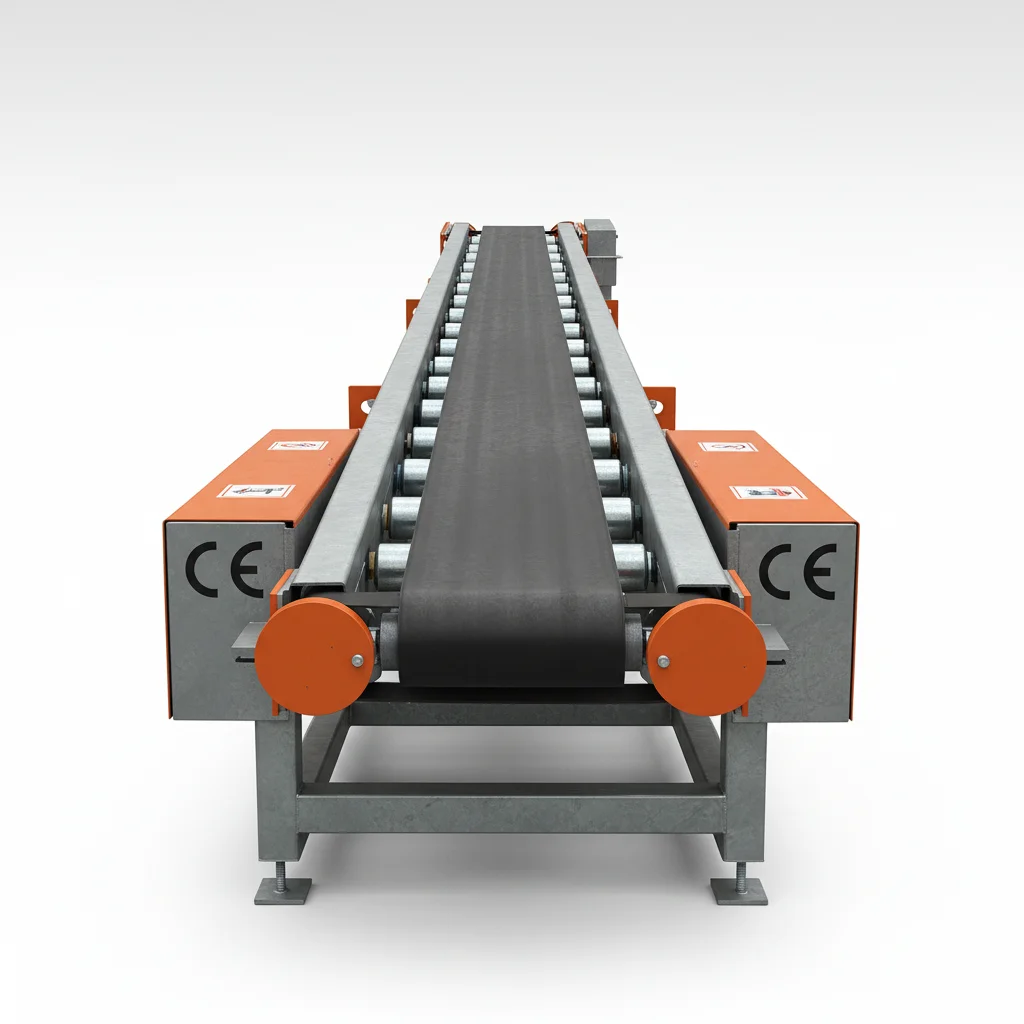
The 3 Roll Garland Roller employs a specialized triangular configuration designed to address the inherent tendency of conveyor belts to drift. In large-scale systems, even a slight deviation in belt alignment can lead to material spillage and severe edge fraying. By creating a natural centering effect, these rollers automatically guide the belt back to its midline without requiring constant manual adjustment from operators.
This self-centering mechanism is essential for those involved in manufacturing conveyors who prioritize seamless material flow. By eliminating the problematic drift associated with standard rollers, the garland assembly ensures that the load remains centered, which not only protects the belt but also reduces the cleanup labor required for spilled bulk materials in industrial environments.
Engineering Resilience for Heavy-Duty Loads
To withstand the brutal conditions of mining and quarrying, these rollers are constructed from high-strength industrial steel. The choice of material is critical because the components are subjected to continuous pressure and the abrasive nature of materials like crushed stone, ore, and cement. A reinforced steel frame prevents deformation under extreme loads, ensuring the triangular geometry remains intact.
Complementing the structural steel are precision-engineered, low-friction bearings. These bearings are the heart of the roller's efficiency, reducing rotational resistance and minimizing the energy required to move the belt. By lowering friction, the system reduces heat buildup and wear, which are the primary drivers of component failure in high-capacity conveyor systems.
Furthermore, a corrosion-resistant coating is applied to every assembly to protect the steel from moisture, chemicals, and oxidative stress. This layer of defense is vital for installations in outdoor or underground environments where humidity and corrosive dust can quickly degrade untreated metal, thereby extending the overall service life of the tracking system.
Impact of Garland Rollers on Operational Life
The integration of high-performance tracking components is a game-changer for the longevity of the entire system. When we analyze the process of manufacturing conveyors, the cost of the belt itself is often one of the highest expenditures; therefore, preventing edge damage is a primary economic goal.
By utilizing a 3-roll garland design, the system effectively eliminates the friction-induced wear that occurs when a belt rubs against the conveyor structure. This means that manufacturing conveyors equipped with these rollers experience significantly slower belt degradation, reducing the frequency of costly belt splicing and replacement operations.
Ultimately, this leads to a dramatic reduction in unplanned downtime. When the belt stays centered, the risk of catastrophic failure—such as the belt slipping off the pulley—is virtually eliminated, allowing plants to maintain a consistent throughput and meet strict production deadlines.
Performance Comparison of Tracking Systems
Comparing standard rollers to the 3 Roll Garland Roller reveals a stark difference in operational efficiency. Standard rollers typically require frequent manual intervention to correct drift, which involves stopping the system and adjusting the frame. In contrast, the garland system provides an automatic solution that adapts to the belt's movement in real-time.
This shift from reactive to proactive tracking reduces the total cost of ownership. While the initial investment in high-strength steel and precision bearings may be higher, the long-term savings in labor and replacement parts far outweigh the upfront costs.
Efficiency Metrics for Bulk Material Tracking
Global Applications in Bulk Material Handling
These high-performance components are deployed in the most demanding environments across the globe. In the mining sectors of Australia and Canada, where iron ore and coal are transported over vast distances, garland rollers ensure that overland conveyors operate without interruption despite varying load weights and environmental stresses.
Similarly, in the cement and quarrying industries of Southeast Asia and Europe, these rollers manage the movement of abrasive limestone and clinker. Their ability to maintain belt alignment in dusty, high-impact zones makes them indispensable for maintaining a steady flow of raw materials to kilns and crushers.
Innovations in Conveyor Component Maintenance
Modern maintenance has shifted toward lifecycle tracking and predictive analytics. Instead of replacing rollers on a fixed schedule, operators now monitor bearing wear patterns to optimize replacement cycles. This data-driven approach ensures that components are replaced only when necessary, further reducing the cost of ownership for those managing large-scale conveyor networks.
Automated scheduling for lubrication and inspection has also become standard. By integrating maintenance alerts into a central management platform, facility managers can prevent the onset of friction-related failures before they cause a system shutdown, ensuring that the 3 Roll Garland Roller continues to perform at peak efficiency.
Quality assurance protocols have also evolved. Rigorous testing for steel strength and bearing precision is conducted before any assembly leaves the factory. This ensures that every component can handle the heavy-duty industrial grade loads it was designed for, providing peace of mind to global logistics operators.
ROI Analysis of Advanced Garland Rollers
The return on investment for upgrading to a 3 Roll Garland system is measured by the reduction in total operational expenditure (OPEX). When compared to standard rollers, the garland system drastically lowers the rate of edge wear, which means belts last significantly longer. For a large-scale mining operation, extending the life of a conveyor belt by even 20% can save hundreds of thousands of dollars in materials and labor.
Furthermore, the reduction in downtime creates a direct increase in revenue. Every hour a conveyor is offline represents lost tonnage. By automating the centering process, companies eliminate the need for frequent manual adjustments, maximizing the overall uptime of the material handling system.
When considering the long-term value, the combination of high-strength industrial steel and precision bearings minimizes the frequency of replacement. This leads to a lower lifecycle cost per ton of material moved, making it the most economically viable choice for heavy-duty industrial applications.
Comparison of Standard vs. 3 Roll Garland Roller Investment Value
| Performance Metric | Standard Roller | 3 Roll Garland Roller | ROI Impact |
|---|
| Belt Tracking | Manual/Frequent | Automatic/Self-Centering | High Labor Saving |
| Edge Wear Rate | High/Accelerated | Minimal/Protected | Extended Belt Life |
| Maintenance Cost | High Replacement | Low Frequency | Reduced OPEX |
| Operational Uptime | Moderate | Maximum | Increased Throughput |
| Durability | Standard Steel | Reinforced Industrial Steel | Lower Capital Risk |
| Overall Efficiency | Basic | Optimized | Maximum ROI |
FAQS
The triangular arrangement of the three rollers creates a natural centering effect. When the conveyor belt begins to drift to one side, the geometry of the rollers applies a corrective force that guides the belt back to its proper alignment automatically, eliminating the need for manual adjustments.
It is specifically engineered for heavy-duty applications in the mining, cement, and bulk material handling industries. These sectors deal with abrasive materials and high load capacities where belt stability is critical to avoiding costly downtime.
We utilize high-strength industrial steel for the structure, paired with precision-engineered low-friction bearings. To combat harsh environments, a specialized corrosion-resistant coating is applied, ensuring the rollers can withstand moisture and abrasive dust.
Yes, significantly. By preventing belt misalignment and subsequent edge damage, it reduces the frequency of belt replacements and eliminates the labor hours previously spent on manual tracking adjustments, leading to a lower total cost of ownership.
Absolutely. The reinforced steel construction and heavy-duty bearing sets are specifically designed to manage extreme industrial loads, ensuring the system remains stable even when transporting the heaviest bulk materials in the mining sector.
By ensuring smooth rotation and precise belt tracking, the design reduces friction and prevents system jams. This creates a more consistent material flow and lowers energy consumption, which directly increases the throughput of the entire conveyor system.
Conclusion
The 3 Roll Garland Roller represents a critical advancement for those involved in manufacturing conveyors, offering a sophisticated solution to the age-old problem of belt misalignment. By combining a strategic triangular design with high-strength industrial steel and precision bearings, this component effectively eliminates belt drift, protects the conveyor belt from edge wear, and drastically reduces unplanned downtime in heavy-duty bulk material handling.
Looking forward, the integration of such precision components is no longer a luxury but a necessity for achieving operational excellence in mining and cement industries. To maximize the ROI of your infrastructure, we recommend prioritizing automated tracking solutions that reduce manual labor and extend the lifespan of your conveyor belts. For more information on optimizing your system, visit our website: www.jtconveyor.com