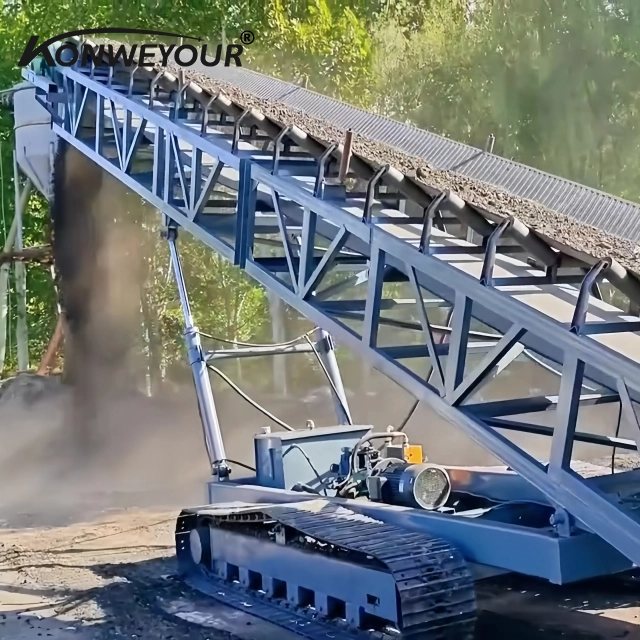
I’ve walked more docks than I can count, and, to be honest, the fastest wins I see in loading and unloading come from telescopic conveyors. E‑commerce parcels, mixed pallets, even bagged grain—everyone’s chasing the same thing: fewer touches, safer workflows, and predictable cycle times. That’s exactly where the Mobile Belt Conveyor With Telescopic Boom has been quietly becoming a staple.
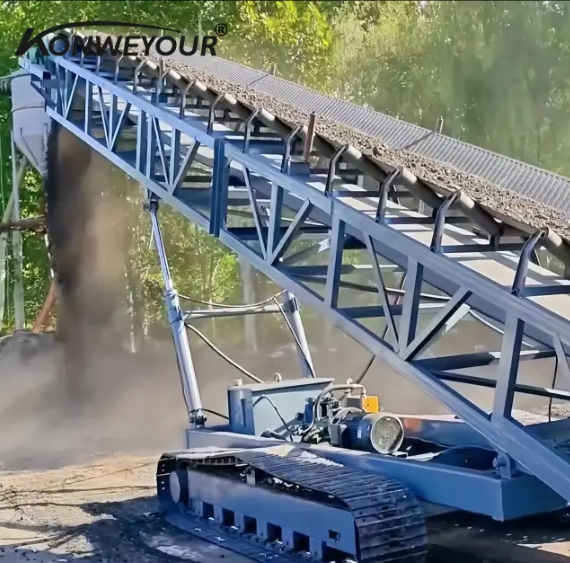
What it is and where it fits
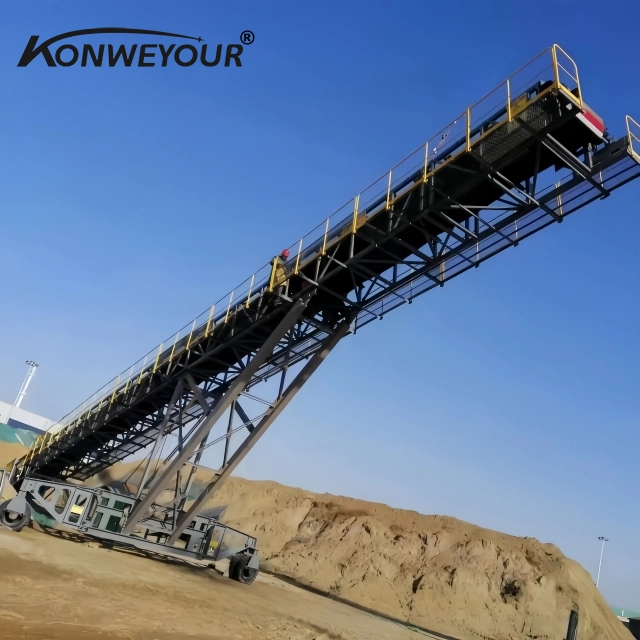
Think adjustable reach into trailers, containers, or bulk bays, with mobility to redeploy between doors. In fact, many customers say the simple ability to nose into the far corner of a 40' box trims 20–35% off load times. Industries? 3PLs, CEP hubs, manufacturing kitting lines, agri-bulk, and ports—especially where dock positions and cargo types change by the hour.
Snapshot specifications (typical build)
| Parameter |
Spec (≈ typical) |
| Belt width | 600–1000 mm |
| Telescopic stages / reach | 2–4 stages; up to 12–18 m reach |
| Conveying speed | 0.2–0.6 m/s (VFD adjustable) |
| Capacity | 50–100 kg/m (real-world use may vary) |
| Incline/height | Hydraulic height adjust, ±12° |
| Power | 5.5–15 kW, 3‑phase 380–480 V |
| Noise | ≤72 dB(A) |
| Ingress rating | IP54 drive enclosure |
| Service life | 30,000–50,000 h with standard maintenance |
Build, process, and testing (how it’s made)
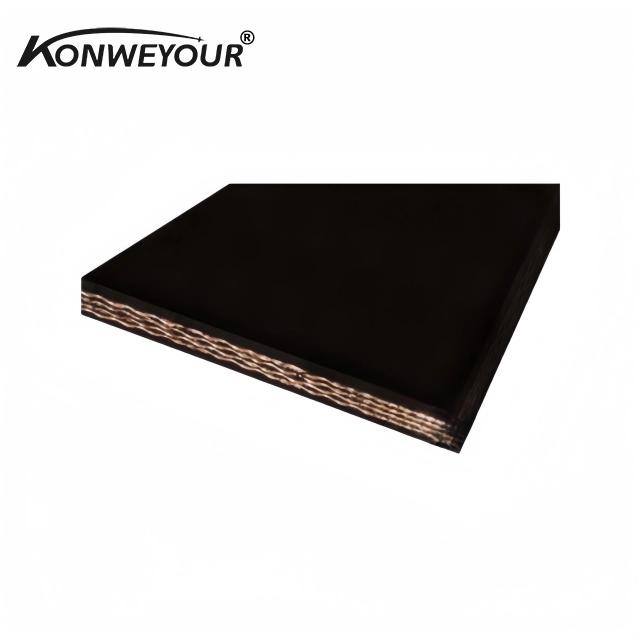
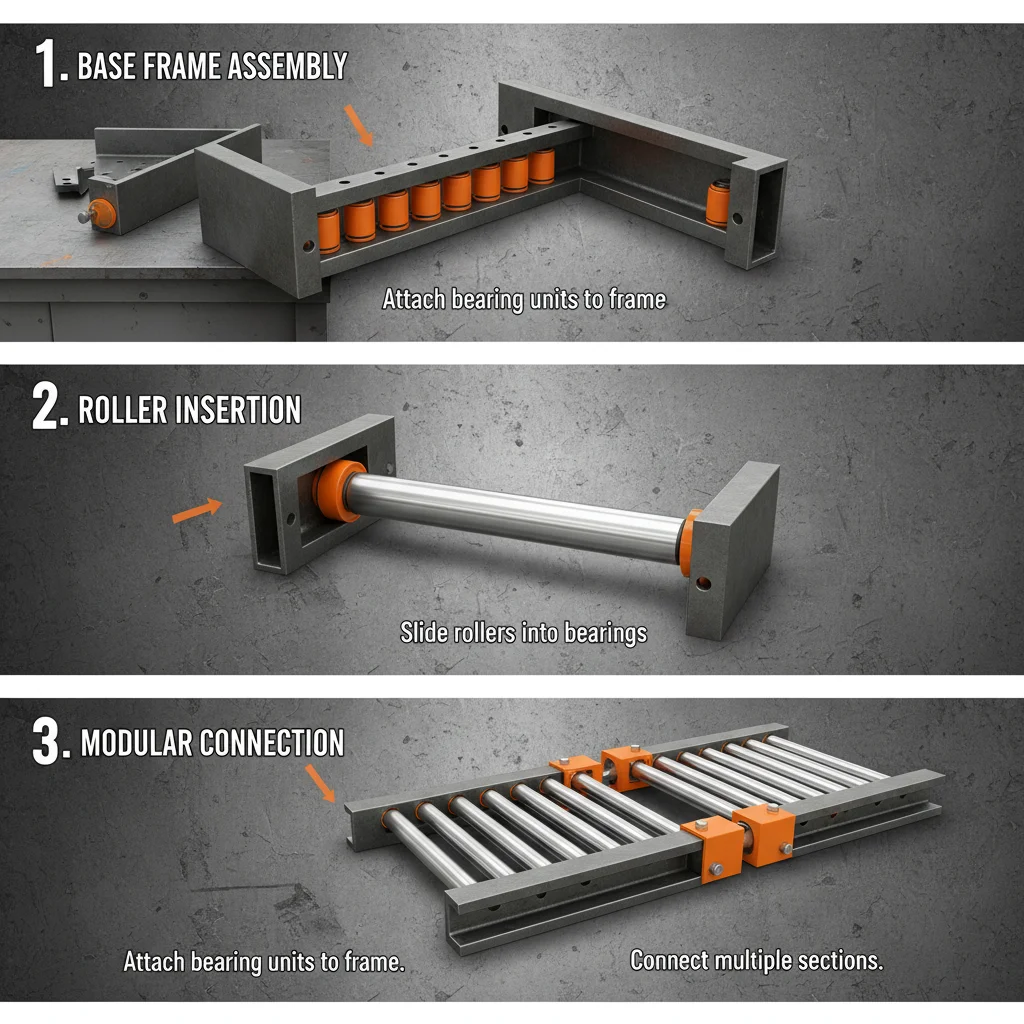
Frame sections are typically S355 or Q345 steel, laser-cut and MIG-welded; booms ride on precision bearings with zinc-plated rollers. Belts run PVC/PVG or oil-resistant rubber per ISO 14890; impact zones can use chevron or rough-top covers. After assembly, I’ve seen makers run no-load soak (8–12 h), belt tracking tests, brake/rollback checks per CEMA, and insulation tests on drives. Typical FAT data: belt wander ≤3 mm, runout ≤0.3 mm, and thermal rise at 80% load. Certifications commonly include CE, ISO 9001, and electrical conformity to EN 60204-1.
Why teams pick a Mobile Belt Conveyor With Telescopic Boom
- Throughput: loading times often drop 25–40% vs. manual roller lines.
- Safety: fewer in-trailer lifts; better ergonomics at the boom head; optional anti-collision light curtains.
- Flexibility: roll it to any door; adjust reach and height on the fly.
- Data: tie speeds and cycle counts into WMS or PLC dashboards.
Customization menu (the practical stuff)
Options typically include 2–4 boom stages, belt material (antistatic, flame-retardant), auto-levelling, hydraulic or electric height lift, LED dock lighting, soft-start VFDs, photo-eyes, E-stops at intervals, side guides, and even basic 3D obstacle sensing. Software-wise, I guess the sweet spot is simple PLC with I/O to your WMS; no need to overcomplicate.
Vendor landscape (quick comparison)
| Vendor |
Positioning |
Lead time |
Warranty |
Certs |
| JT Conveyor (No. 13 Gongqiang Road, Nangong Economic Development Zone, Xingtai City, Hebei) |
Balanced cost/performance; deep customization |
≈4–8 weeks |
18–24 months |
CE, ISO 9001 |
| EU Premium Brand |
Top-tier features; higher price |
≈10–14 weeks |
24–36 months |
CE, UL (select), ISO 9001 |
| Import Value Brand |
Lowest upfront cost; limited options |
≈6–10 weeks |
12 months |
CE (varies) |
Note: figures are indicative; configurations and local compliance may vary.
Field notes and case snippets
- Parcel hub, 14 doors: cycle time down 32%, OSHA recordables reduced after adding boom head controls and LED task lights.
- Agri-bag loading: oil-resistant belt per ISO 14890 Y cover; dust improved with simple skirt seals.
- Automotive CKD line: WMS-triggered start/stop prevented pile-ups; ROI in ≈11 months.
Operators often comment that the Mobile Belt Conveyor With Telescopic Boom “just removes the worst bit—reaching and twisting in the box.” It seems simple, but that’s usually where the injuries were hiding.
Standards and compliance touchpoints
Designers typically reference ISO 5048 (power calculations), CEMA belt guidelines, EN 619 for continuous handling safety, ISO 14890 for belt requirements, and EN 60204-1 for electrical. Site acceptance often includes noise checks ≤72 dB(A), emergency stop spacing ≤3 m, and load tests at 110% rated throughput.
Bottom line
If you need fast redeployable reach into trailers or containers, a Mobile Belt Conveyor With Telescopic Boom remains one of the lowest-friction upgrades you can make—cost-effective, safer, and, actually, pretty easy to live with day to day.
- ISO 5048:1989, Continuous mechanical handling equipment—Belt conveyors—Calculation of operating power.
- CEMA, Belt Conveyors for Bulk Materials, 7th Ed.
- ISO 14890:2013, Conveyor belts—Specification for rubber- or plastics-covered belts.
- EN 619:2002+A1, Continuous handling equipment and systems—Safety and EMC requirements.
- EN 60204-1:2018, Safety of machinery—Electrical equipment of machines.