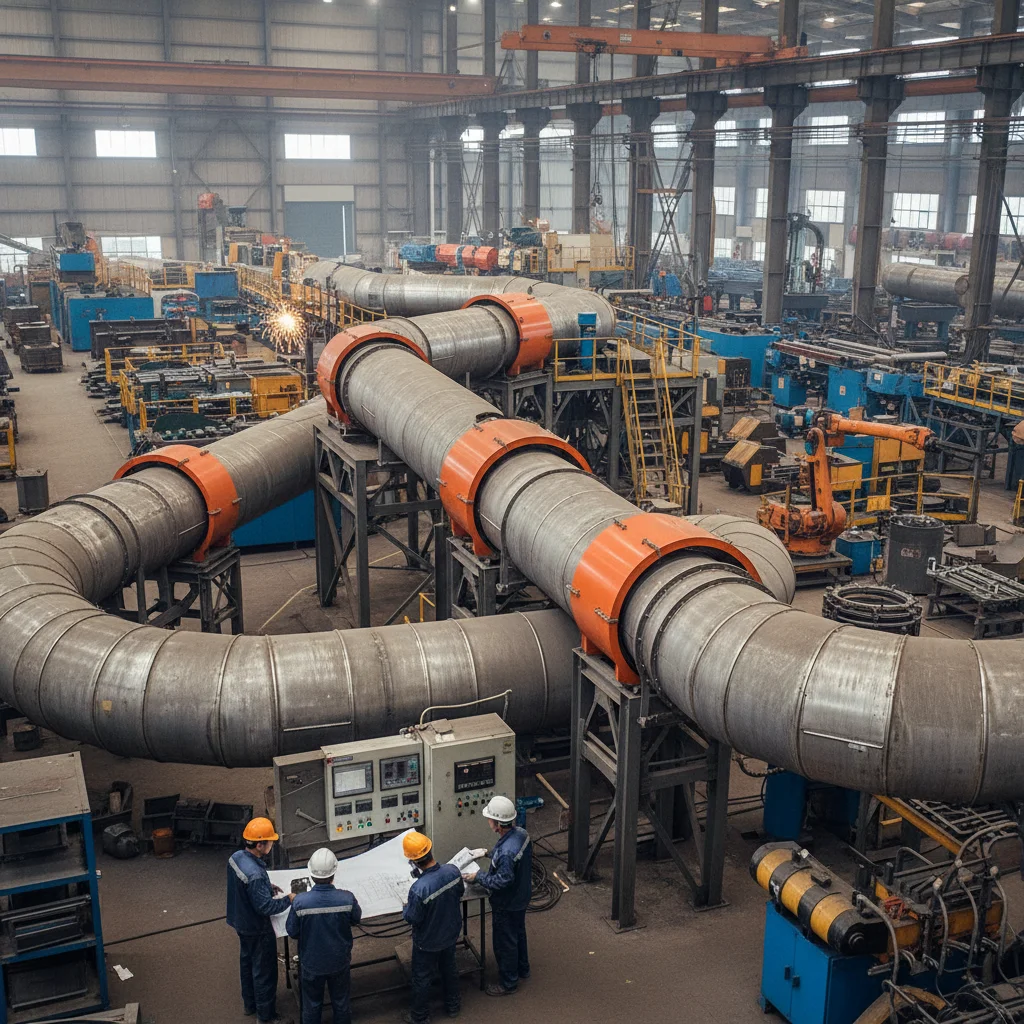
Optimizing the efficiency of material handling systems begins with a meticulous approach to roller design for conveyor. As the foundational support for the belt and the load, the design of these rollers directly influences the energy consumption, belt wear, and overall lifespan of the entire conveyance system. Whether in heavy-duty mining or precision logistics, the right engineering choices can mean the difference between seamless operation and costly unplanned downtime.
Across the global manufacturing landscape, the demand for higher throughput and lower operational costs has pushed the boundaries of how we approach roller design for conveyor. By focusing on friction reduction, material selection, and precise geometric alignment, engineers can significantly reduce the rolling resistance that often plagues long-distance belt systems. This technical refinement not only boosts productivity but also aligns with modern industrial goals of sustainability and resource optimization.
Understanding the nuances of roller design for conveyor allows operators to tailor their equipment to specific environmental challenges, such as extreme moisture, corrosive chemicals, or abrasive ore. By integrating advanced bearing technologies and specialized shell coatings, companies can transform a standard commodity component into a strategic asset. This guide explores the critical dimensions of roller engineering to help you maximize the reliability of your conveyor components.
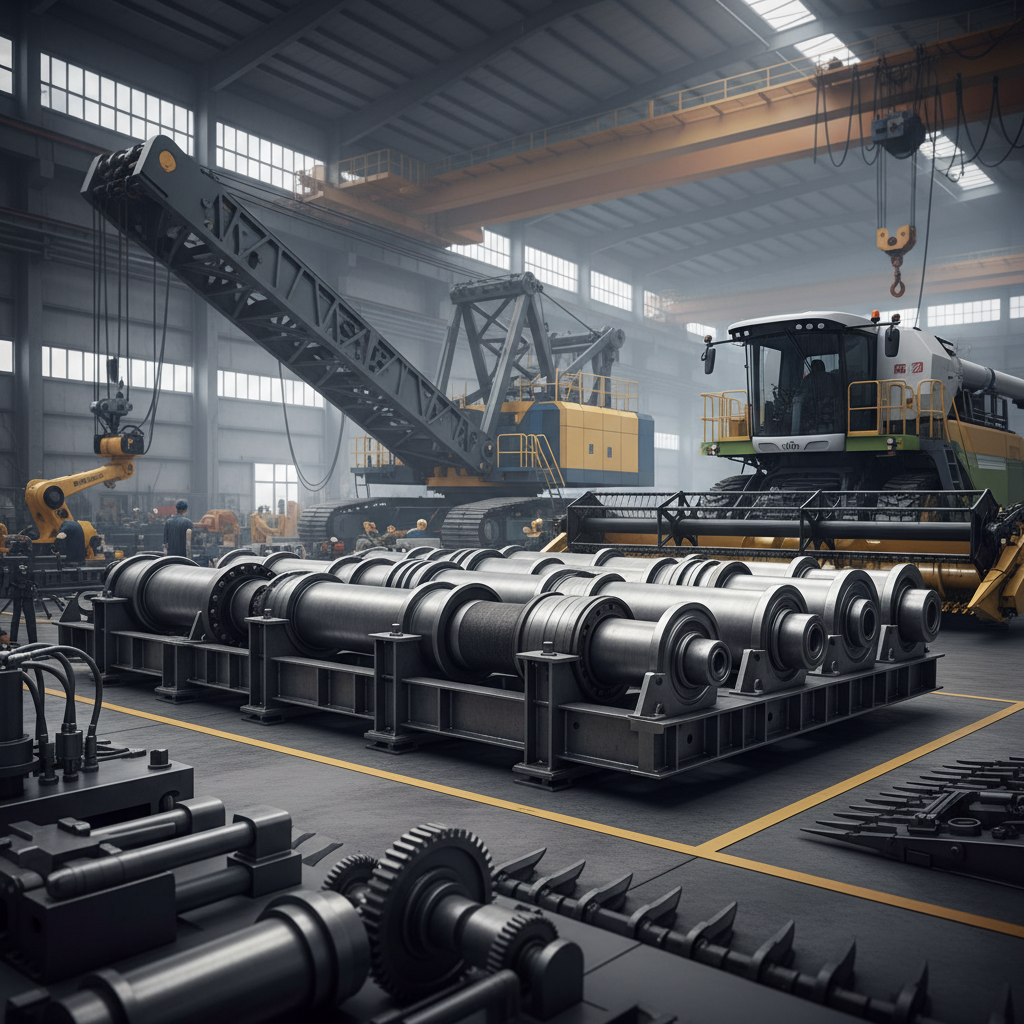
Global Relevance of Roller Design for Conveyor
In the current era of global industrialization, the movement of bulk materials is a cornerstone of the global economy. According to ISO standards for material handling, the mechanical efficiency of transport systems is heavily dependent on the interface between the belt and the supporting rollers. A flaw in roller design for conveyor can lead to increased power consumption by up to 15% in large-scale overland systems, creating a significant economic and environmental burden.
The challenge lies in balancing structural rigidity with rotational fluidity. In regions like the Australasian mining belt or the industrial hubs of Southeast Asia, conveyors operate in extreme climates where thermal expansion and abrasive dust can seize a poorly designed roller in days. This necessitates a global shift toward standardized yet adaptable designs that prioritize low-friction materials and sealed bearing assemblies to ensure continuous operation.
Defining the Fundamentals of Roller Engineering
At its simplest level, roller design for conveyor refers to the engineering process of specifying the diameter, material, bearing type, and shell thickness of the cylindrical supports that hold a conveyor belt. It is not merely about creating a rotating tube; it is about managing the distribution of load (the weight of the belt plus the material) to minimize indentation and friction. Proper design ensures that the belt maintains its trough shape, preventing material spillage and reducing belt sway.
This engineering discipline connects directly to the broader need for industrial efficiency. When rollers are designed with the correct "crown" or flatness, they help center the belt automatically, reducing the need for manual adjustment and preventing edge damage. This precision is vital for modern high-speed systems where even a slight misalignment can lead to catastrophic belt failure or significant material loss.
Furthermore, modern roller design focuses on the "Total Cost of Ownership" (TCO). Instead of selecting the cheapest available component, engineers now analyze the lifecycle of the roller, considering the frequency of replacement and the cost of labor during downtime. By utilizing high-grade steel or reinforced polymers, the initial investment in a superior roller design for conveyor pays for itself through extended maintenance intervals.
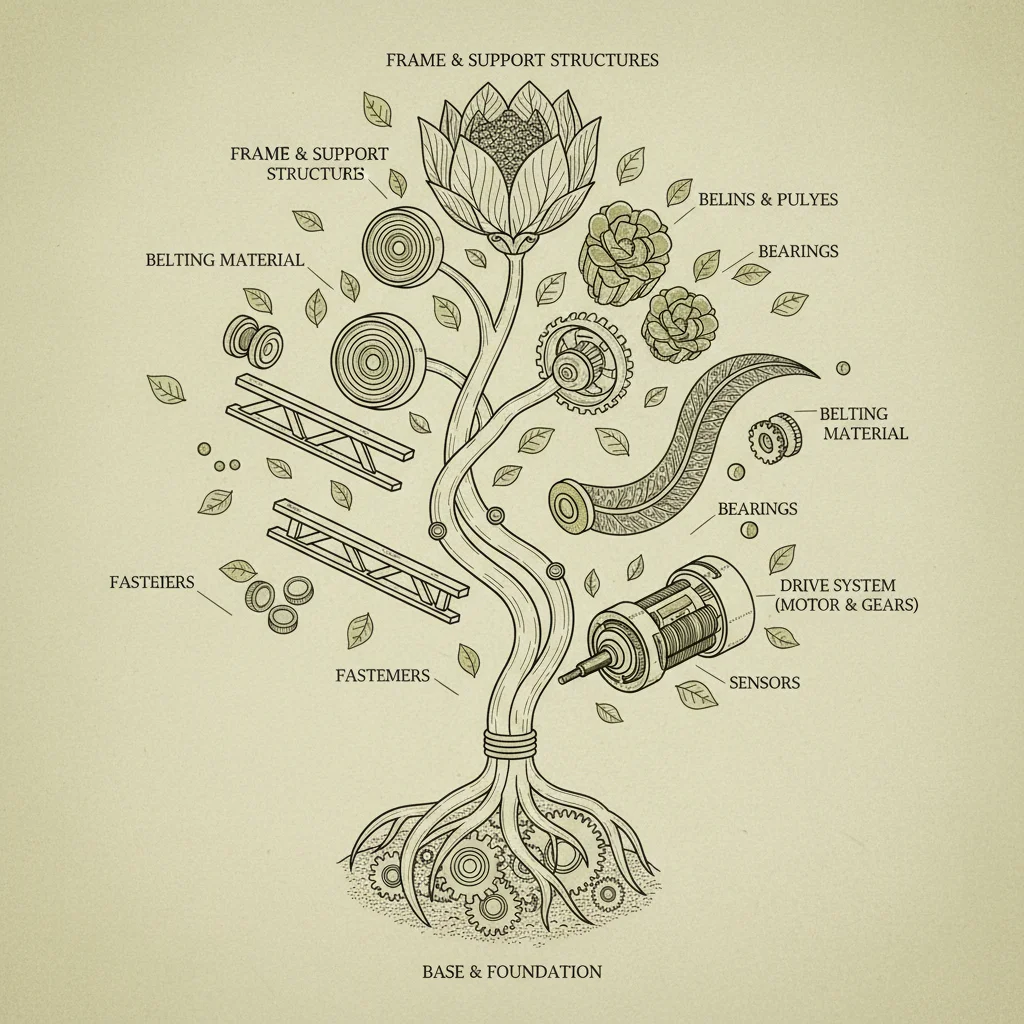
Core Components Impacting System Performance
One of the primary aspects of roller design for conveyor is the selection of shell materials. Depending on the environment, engineers may choose carbon steel for strength, galvanized steel for corrosion resistance, or HDPE for lightweight, non-corrosive applications in food processing or chemical plants. The thickness of the shell must be carefully calculated to prevent "flattening" under heavy loads, which would otherwise increase rolling resistance.
Bearing precision and sealing are perhaps the most critical variables in roller design for conveyor. A high-performance roller requires a labyrinth seal or a triple-lip seal to prevent the ingress of fine dust and moisture. When contaminants enter the bearing, friction increases exponentially, leading to overheating and eventual seizure, which can cause the conveyor belt to slide and burn.
Lastly, the axle and housing integration determines the stability of the roller within the frame. A robust roller design for conveyor utilizes precision-machined axles that fit snugly into the bearings to eliminate vibration. This synergy between the shell, the bearing, and the axle ensures that the conveyor runs quietly and consumes the minimum amount of electrical energy.
Comparative Analysis of Roller Design Methods
When evaluating different approaches to roller design for conveyor, engineers typically weigh the trade-offs between traditional steel rollers, composite materials, and specialized high-impact designs. Traditional steel rollers offer unmatched load-bearing capacity but are prone to rust and are heavy to install. In contrast, composite rollers reduce the weight of the system and eliminate corrosion, though they may require different load calculations.
The choice of design often depends on the specific zone of the conveyor. For example, in the loading zone, "impact rollers" with rubber rings are essential to absorb the shock of falling materials, whereas "troughing rollers" in the carry section are optimized for belt support and centering. This zoning approach ensures that each component is tailored to its specific stress profile.
Efficiency Ratings of Various Roller Design for Conveyor Approaches
Real-World Applications Across Global Industries
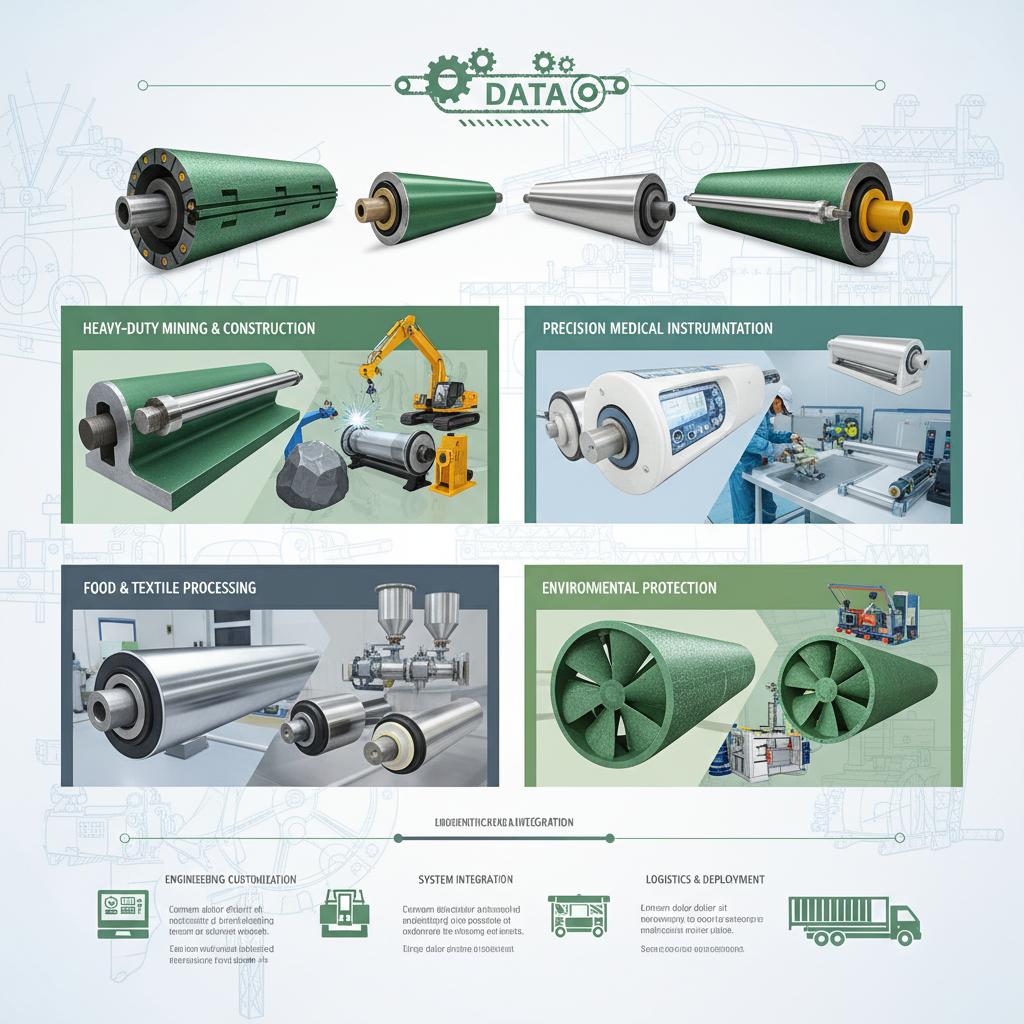
In the mining sectors of Chile and Australia, roller design for conveyor is focused on extreme durability and resistance to abrasive iron ore and copper tailings. These systems often utilize oversized rollers with reinforced shells and specialized sealing to prevent the fine, abrasive dust from penetrating the bearings, ensuring that overland conveyors can run for kilometers without frequent intervention.
Conversely, in the pharmaceutical and food industries in Europe and North America, the focus shifts toward hygiene and contamination control. Roller design for conveyor in these contexts emphasizes the use of stainless steel or antimicrobial polymers, combined with "easy-clean" geometries that prevent material buildup. Here, the goal is not just mechanical efficiency, but strict adherence to FDA and ISO health standards to ensure product safety.
Long-Term Value and Operational Advantages
The long-term value of investing in a high-quality roller design for conveyor manifests primarily in reduced energy expenditure. When rollers rotate freely with minimal resistance, the drive motor requires less torque to move the belt, leading to a measurable decrease in kilowatt-hour consumption. For a large-scale facility, this energy saving can amount to thousands of dollars per month.
Beyond the financial metrics, there is a significant safety and reliability advantage. Seized rollers are a leading cause of belt friction fires in underground mining; by implementing predictive roller designs and high-quality materials, companies can drastically reduce the risk of catastrophic failures. This fosters a culture of trust and safety for the workers operating the machinery.
Finally, the sustainability angle cannot be ignored. Rollers that last twice as long result in half the waste entering landfills. By choosing a design that prioritizes longevity and recyclability, industrial operators are not only optimizing their profit margins but also reducing their environmental footprint, aligning their operations with global "Green Industry" initiatives.
Future Trends in Sustainable Roller Technology
The future of roller design for conveyor is moving toward "Smart Rollers." By integrating IoT sensors directly into the roller housing, companies can now monitor vibration, temperature, and rotational speed in real-time. This allows for a shift from reactive maintenance to predictive maintenance, where a roller is replaced just before it fails, eliminating unplanned downtime entirely.
Material science is also evolving, with the introduction of carbon-fiber reinforced polymers and nano-coatings that provide the strength of steel with a fraction of the weight and total immunity to corrosion. These innovations are making conveyor systems more modular and easier to deploy in remote areas, such as post-disaster relief zones or temporary mining sites.
Additionally, there is a growing trend toward "Low-Resistance" roller geometries that utilize air-bearing technology or magnetic levitation in specialized high-speed applications. As we move toward a more automated, carbon-neutral industrial future, the humble conveyor roller will continue to evolve into a high-tech component of the global supply chain.
Comparative Analysis of Roller Design Specifications by Industry
| Industry Sector |
Primary Material |
Critical Design Focus |
Durability Rating (1-10) |
| Heavy Mining |
Hardened Steel |
Abrasion Resistance |
9 |
| Food Processing |
Stainless Steel/Polymer |
Hygiene & Wash-down |
7 |
| Chemical Plant |
HDPE / PVC |
Chemical Corrosion |
8 |
| Logistics/Warehousing |
Galvanized Steel |
Low Noise & Friction |
6 |
| Cement Industry |
Reinforced Steel |
Dust Sealing |
9 |
| Airport Baggage |
Aluminum/Composite |
Lightweight & Speed |
7 |
FAQS
The most critical factor is the balance between load capacity and rolling resistance. A roller must be strong enough to prevent deformation under the weight of the belt and material, but must also rotate with minimal friction. This is typically achieved through a combination of high-precision bearings and optimized shell thickness, which prevents the "flat spotting" that increases energy consumption.
Steel rollers are best for heavy-duty applications requiring maximum structural strength and impact resistance. Polymer or composite rollers are ideal for corrosive environments, food-grade applications, or where weight reduction is necessary. If your environment involves chemicals or moisture, a polymer roller design for conveyor will significantly outlast galvanized steel.
Replacement intervals vary by industry, but typically range from 12 to 36 months. However, utilizing predictive monitoring—such as checking for noise, vibration, or temperature spikes—allows you to replace rollers on a "condition-based" schedule. High-quality designs with superior sealing can often double the lifespan of a standard roller.
Yes, absolutely. Misaligned or seized rollers act like sandpaper against the belt, causing premature cover wear and edge fraying. A custom design that incorporates precise crowning and high-quality bearing alignment ensures the belt tracks correctly and glides smoothly, significantly extending the life of the conveyor belt.
Impact rollers are specialized rollers designed with rubber rings or cushioning layers to absorb the shock of materials falling from a height onto the belt. They should be used exclusively in the loading zones of the conveyor. Using standard rollers in these areas leads to rapid shell deformation and bearing failure.
In any industrial environment, sealed bearings are essential. Without a proper seal, dust and moisture enter the bearing race, causing oxidation and friction. A high-quality seal in your roller design for conveyor prevents this contamination, reducing the risk of seized rollers and minimizing the energy required to drive the system.
Conclusion
In summary, an optimized roller design for conveyor is far more than a simple mechanical requirement; it is a strategic investment in operational efficiency. By carefully selecting materials, prioritizing bearing protection, and tailoring the design to the specific industrial environment, operators can reduce energy costs, minimize belt wear, and eliminate the costly disruptions caused by unplanned downtime. The synergy between durability and low-friction engineering remains the gold standard for modern material handling.
Looking ahead, the integration of smart sensors and sustainable composite materials will redefine the benchmarks of conveyor performance. We encourage industrial engineers and facility managers to move beyond commodity purchasing and embrace a holistic design approach that considers the entire lifecycle of their components. For those looking to upgrade their systems with precision-engineered components, visit our website: www.jtconveyor.com