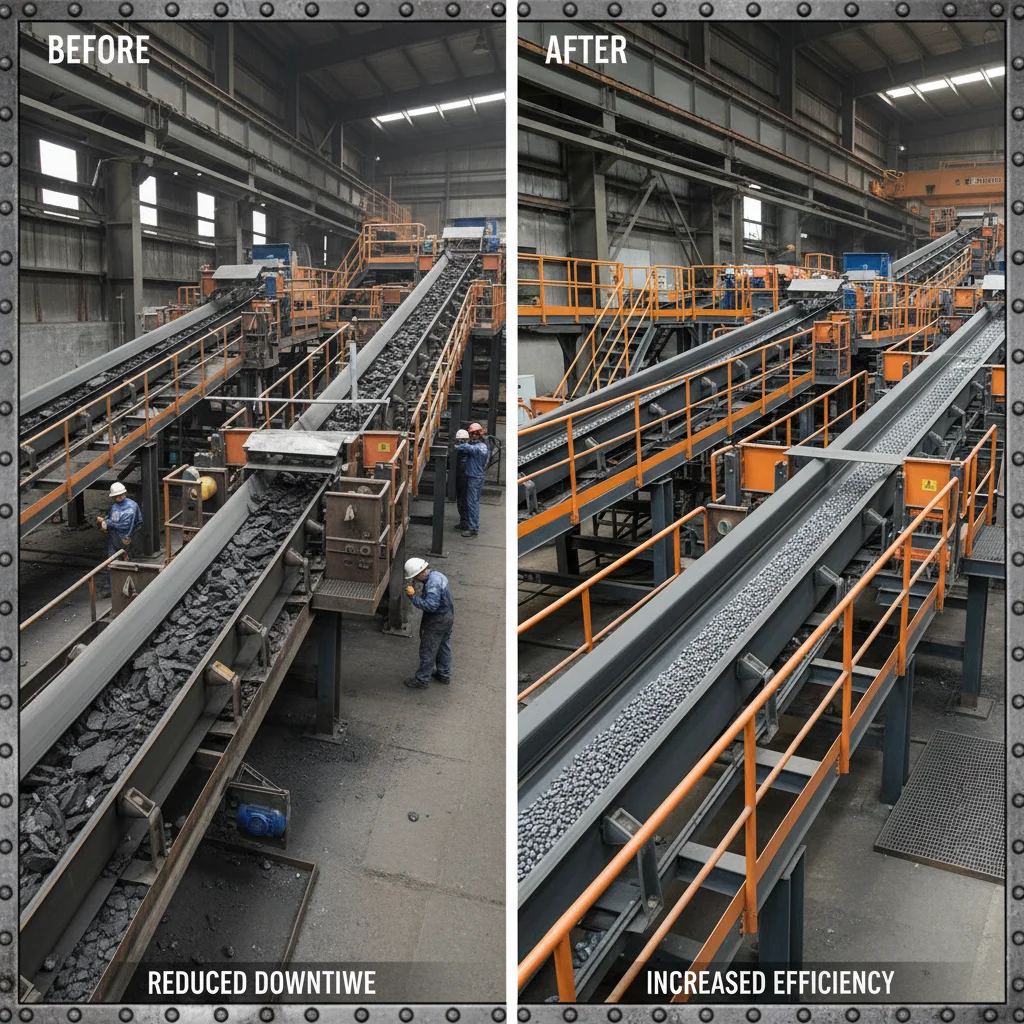
In the modern industrial landscape, efficient material handling is the backbone of productivity. Proper conveyor system design is not merely about moving an item from point A to point B; it is a complex engineering discipline that integrates mechanical precision, material science, and operational ergonomics to minimize downtime and maximize throughput.
Across global supply chains, from massive mining operations in Australia to high-speed logistics hubs in Europe, the strategic implementation of specialized transport systems determines a company's competitive edge. When a system is designed with foresight, it reduces energy consumption and prevents the premature wear of critical components like rollers and pulleys, directly impacting the bottom line.
Understanding the nuances of conveyor system design allows operators to scale their production capabilities while maintaining strict safety standards. By focusing on the synergy between the belt material, the drive mechanism, and the supporting structures, industries can achieve a seamless flow of goods that adapts to the volatile demands of the global market.
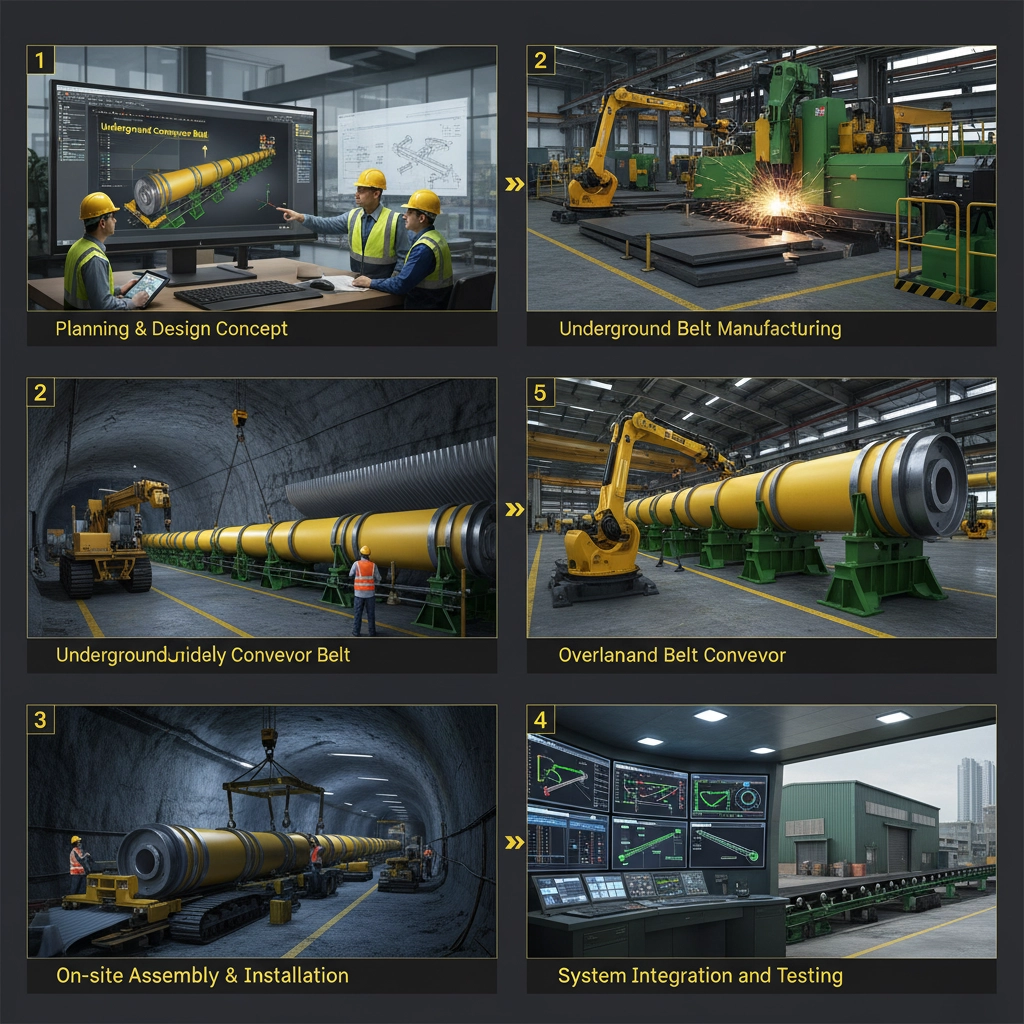
Global Relevance of Conveyor System Design
The global demand for automated material handling has surged as industries strive to meet ISO standards for safety and efficiency. In sectors like mining and bulk material handling, the scale of operation requires a sophisticated approach to conveyor system design to handle thousands of tons per hour across vast distances. Without precise engineering, companies face catastrophic failures and immense financial losses due to unplanned downtime.
Current statistics from global industrial reports indicate that optimized conveyor layouts can reduce operational energy costs by up to 20%. This makes the design phase the most critical part of the installation process, as early mistakes in tensioning or alignment lead to chronic belt drift and premature component failure.
Defining Modern Conveyor System Design
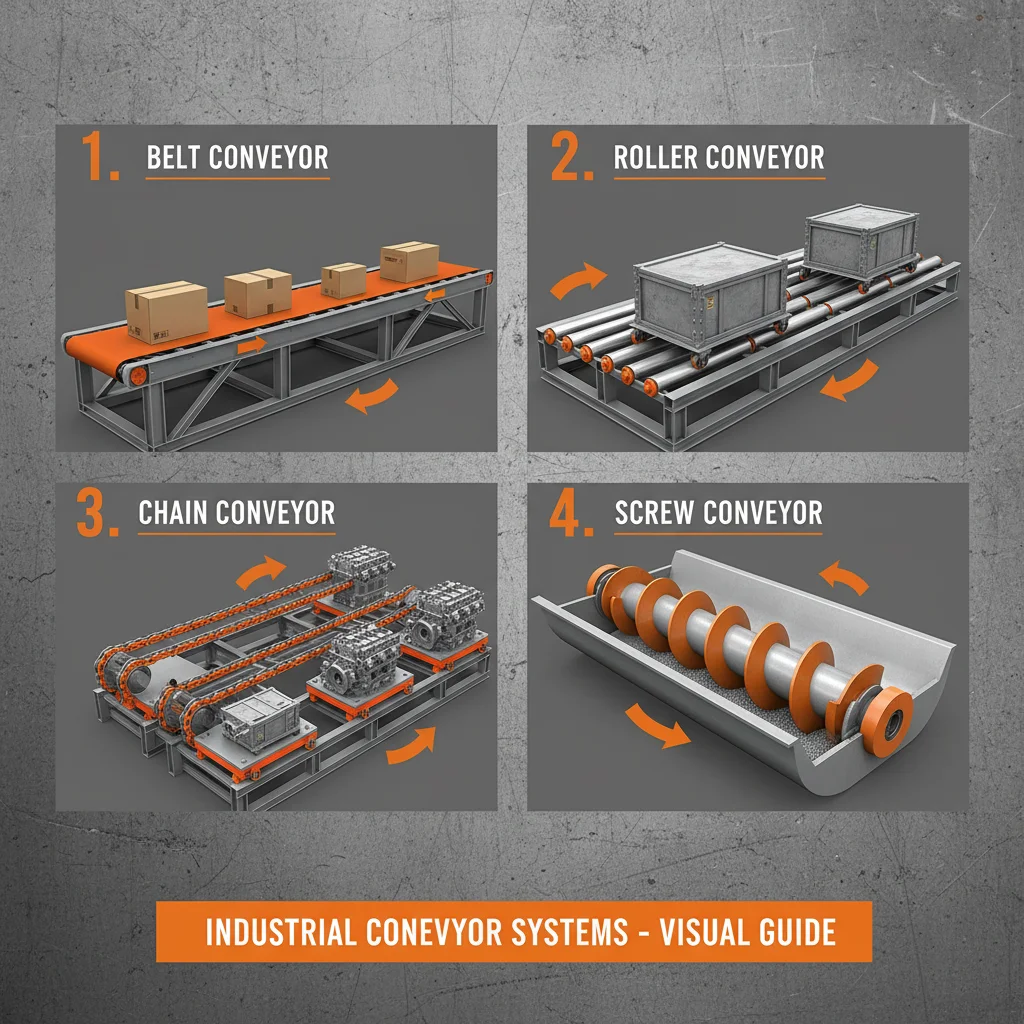
At its core, conveyor system design is the multidisciplinary process of planning, calculating, and configuring a mechanical system to move materials efficiently. It involves selecting the right belt type—whether it be a standard rubber belt or a specialized Corrugated Sidewall Conveyor—and calculating the necessary drive power to overcome friction and gravity.
In a broader industrial context, this design process is the bridge between raw production and distribution. It ensures that the throughput capacity of a factory is not throttled by a bottleneck in the transport phase. A well-designed system considers the chemical properties of the material being moved, the environmental conditions of the site, and the required speed of transport.
Modern design also integrates "human-centric" engineering. This means designing systems that are easy to maintain, safe for operators to work around, and modular enough to be updated as production needs grow. By blending mechanical strength with operational flexibility, designers create assets that last for decades.
Core Components for System Stability
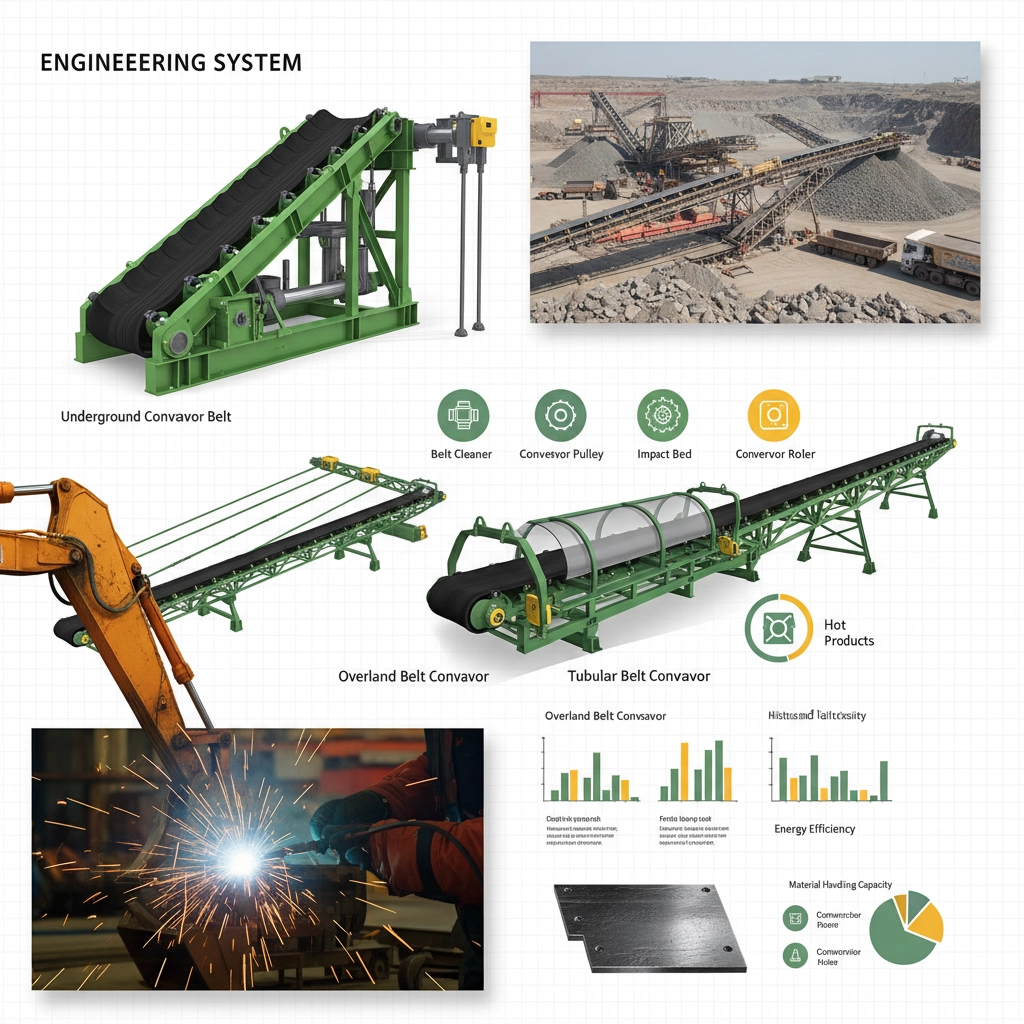
To achieve a reliable conveyor system design, one must prioritize the selection of high-quality components. The Conveyor Pulley and Conveyor Roller act as the primary support and drive mechanisms; if these are undersized or poorly aligned, the entire system will suffer from excessive vibration and belt wear.
The integration of a Belt Cleaner is often overlooked but is essential for long-term stability. By removing carry-back material, these cleaners prevent buildup on the return idlers, which is a leading cause of belt mistracking and premature failure in heavy-duty conveyor system design.
Finally, the foundation of the system—such as the Impact Bed—is crucial for protecting the belt at loading points. By absorbing the energy of falling materials, an impact bed prevents the belt from stretching or tearing, ensuring that the structural integrity of the conveyor system design remains intact under heavy loads.
Critical Factors in Performance Optimization
Optimizing performance in conveyor system design requires a delicate balance between belt tension, speed, and load capacity. Over-tensioning a belt can lead to pulley shaft failure, while under-tensioning causes slippage and reduced efficiency. Engineers must use precise calculations to determine the "sweet spot" for each specific application.
Another key factor is the environmental adaptability of the design. For instance, an Overland Belt Conveyor must be designed to withstand extreme weather and varying terrains, requiring specialized belt compounds and robust structural supports to prevent sagging and material spillage.
Efficiency Ratings of Different Conveyor System Design Approaches
Global Industrial Applications and Use Cases
In remote industrial zones, such as the iron ore mines of Western Australia or the copper mines of Chile, conveyor system design focuses on endurance and distance. Tubular Belt Conveyors are often employed here to prevent dust pollution and protect the material from wind and rain, ensuring that the transport process is environmentally sustainable.
Conversely, in urban logistics centers and food processing plants, the design shifts toward hygiene and precision. Corrugated Sidewall Conveyors allow for vertical transport of bulk materials in a compact footprint, maximizing the use of warehouse vertical space while maintaining strict sanitary standards.
Long-Term Value and Operational Advantages
The true value of a professional conveyor system design is realized during the operational phase. A system that is designed for longevity reduces the "Total Cost of Ownership" (TCO) by extending the intervals between component replacements. When high-quality Conveyor Rollers and Pulleys are specified, the frequency of emergency shutdowns drops significantly.
Beyond the financial gains, there is a profound impact on workplace safety. A stable, well-aligned system eliminates the need for workers to manually clear spilled materials from under the belt—a high-risk activity. This enhances the dignity and safety of the workforce, fostering a culture of trust and innovation.
Furthermore, scalability is a massive advantage. A forward-thinking design allows for the easy addition of new modules, such as Mobile Belt Conveyors, allowing a facility to adapt to new production lines without needing to tear down and rebuild the entire infrastructure.
Future Trends in Conveyor Engineering
The future of conveyor system design is being shaped by the "Industrial Internet of Things" (IIoT). We are seeing the rise of "smart rollers" equipped with sensors that monitor temperature and vibration in real-time, allowing for predictive maintenance before a failure occurs.
Sustainability is another driving force. New energy-efficient drive systems and biodegradable belt materials are being integrated into designs to reduce the carbon footprint of heavy industry. Green energy integration, such as regenerative braking on downhill conveyors, is turning transport systems into energy generators.
Automation and AI are also streamlining the design phase itself. Generative design software can now simulate thousands of conveyor layouts to find the one that offers the lowest friction and highest throughput, reducing the trial-and-error period typically associated with complex installations.
Comparison of Modern Conveyor Design Trends and Impacts
| Trend Component |
Primary Goal |
Implementation Difficulty |
Expected ROI Score |
| IIoT Smart Monitoring |
Predictive Maintenance |
Medium |
9/10 |
| Regenerative Drives |
Energy Recovery |
High |
8/10 |
| Modular Frameworks |
Rapid Scalability |
Low |
7/10 |
| Eco-friendly Belting |
Carbon Reduction |
Medium |
6/10 |
| AI Layout Simulation |
Efficiency Optimization |
Medium |
10/10 |
| Automated Tensioning |
Reduced Manual Labor |
Low |
8/10 |
FAQS
For heavy mining, belt tension and structural durability are paramount. The design must account for extreme loads and abrasive materials, making the choice of high-strength belts and reinforced pulleys critical. Proper alignment and the use of impact beds at loading points are also essential to prevent premature belt failure and ensure continuous operation in harsh environments.
A belt cleaner is vital for reducing "carry-back," which is material that sticks to the belt after discharge. In professional conveyor system design, adding a cleaner prevents material buildup on return rollers, which otherwise causes belt mistracking, increases friction, and accelerates wear on the belt and idlers, leading to higher maintenance costs.
Yes, one of the primary benefits of modern modular conveyor system design is scalability. By using standardized components and flexible frames, companies can add new sections, change the belt width, or integrate new features like Mobile Belt Conveyors without needing a complete overhaul, significantly reducing capital expenditure during expansion.
A standard belt is a flat surface, whereas a tubular belt is rolled into a pipe shape. In conveyor system design, tubular belts are used for long-distance transport to prevent material spillage, protect the cargo from the elements, and eliminate dust emissions, making them ideal for environmentally sensitive or remote areas.
Energy consumption can be reduced by selecting low-rolling-resistance rollers and optimizing the belt speed to match the required throughput. Additionally, utilizing high-efficiency motors and regenerative drive systems in downhill sections allows the conveyor to feed power back into the grid, lowering overall operational costs.
While it depends on the material being moved, a well-engineered conveyor system design typically schedules roller replacements every 2-5 years and belt replacements every 5-10 years. However, by implementing IIoT monitoring, you can move from a calendar-based schedule to a condition-based schedule, replacing parts only when they actually show signs of wear.
Conclusion
In summary, professional conveyor system design is a critical investment that transcends simple equipment procurement. By harmonizing the selection of high-performance components—such as pulleys, rollers, and cleaners—with a strategic layout and modern engineering principles, industries can achieve unprecedented levels of efficiency, safety, and sustainability.
Looking forward, the integration of AI-driven optimization and green energy solutions will define the next generation of material handling. We encourage operators to move away from "off-the-shelf" thinking and embrace customized, data-driven designs that can evolve alongside their business. For world-class solutions in conveyor engineering, visit our website: www.jtconveyor.com.