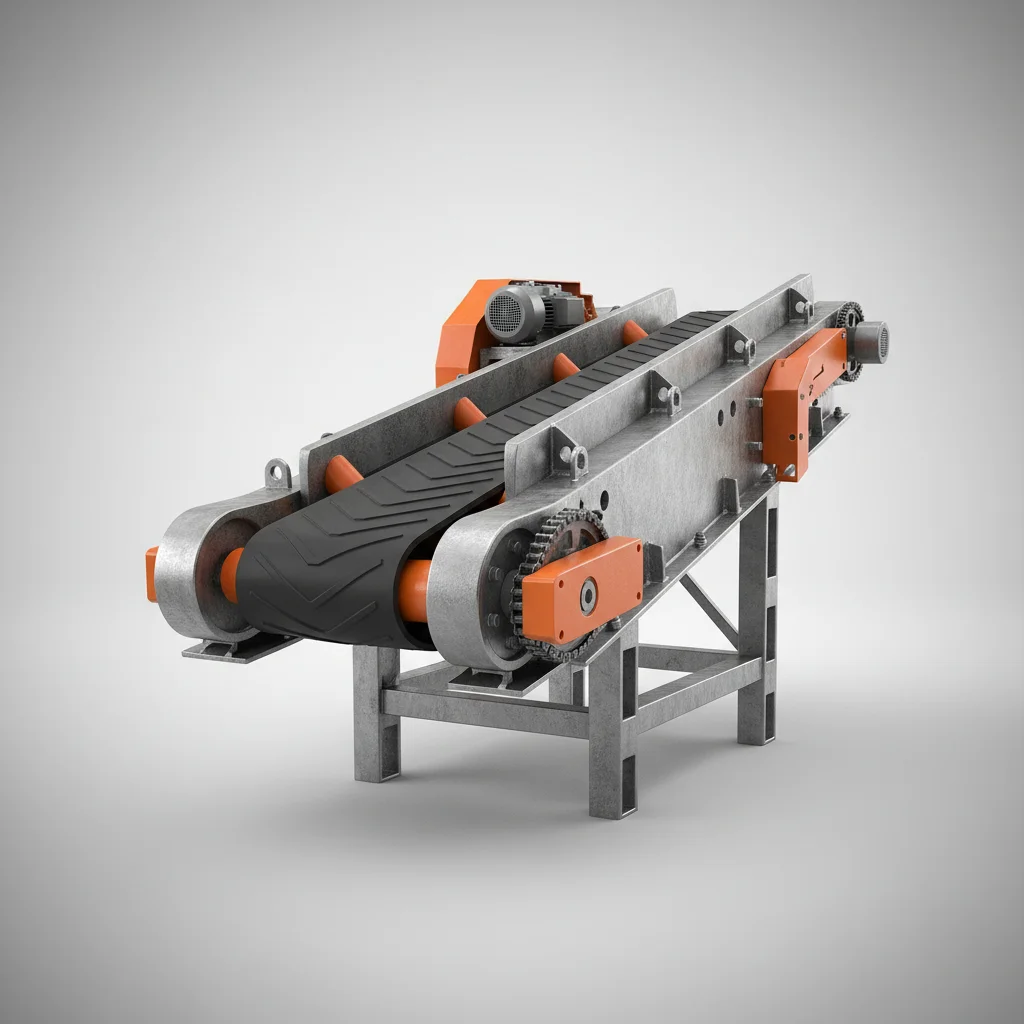
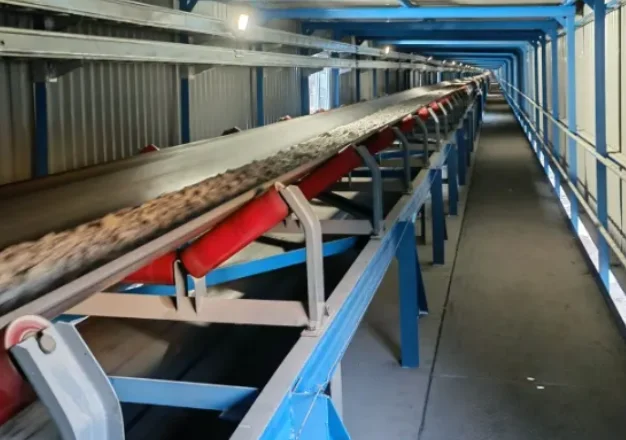
Understanding Pocket Belt Conveyor: A Subtle Powerhouse in Material Handling
If you've ever walked through a busy manufacturing plant or a bustling shipping warehouse, chances are you've seen a pocket belt conveyor quietly doing its job. It might not be the flashiest equipment, but this humble conveyor system plays a vital role in today's global logistics and industrial workflows. Knowing what a pocket belt conveyor is — and why it matters — opens up a window into an efficient kind of engineering many often overlook.
The benefits? Improved product handling, minimized damage, and enhanced throughput — critical factors whether you’re moving electronics in Shenzhen or food products in Iowa. This efficiency ripple effect matters globally, influencing supply chains, reducing waste, and boosting industrial productivity across the board.
Why Pocket Belt Conveyors Matter in the Global Industry
Our world runs on moving things — raw materials, manufactured goods, and everything in between. According to the International Organization for Standardization (ISO 15223-1:2016), reliable material transportation is essential for maintaining quality and efficiency throughout manufacturing. Pocket belt conveyor systems exemplify this principle by providing smooth, controlled transport especially for delicate or oddly shaped items.
Industries from automotive assembly to pharmaceuticals face persistent challenges: how to reduce product damage, streamline production lines, and conserve energy. Pocket belt conveyors answer many of these issues. Around the world, especially in automated factories across Germany, China, and the U.S., the demand for such conveyors is rising sharply. Yet, integrating them effectively often proves tricky when scales or materials vary widely.
What is a Pocket Belt Conveyor?
In simple terms, a pocket belt conveyor is a belt conveyor system fitted with multiple "pockets" or compartments that hold items securely during transportation. Think of it like a carry-on luggage organizer, but for products moving through a factory line. The pockets prevent items from shifting, falling, or colliding, which is particularly useful for small parts, loose pieces, or irregular shapes.
Connecting production flow with delicate handling needs, these conveyors perfectly align with modern industry’s push towards automation and quality assurance. Whether delivering fragile glassware or assembling electronics, the pocket belt conveyor keeps things orderly and efficient — lending a hand toward safer workplaces and consistent output quality.
Core Components and Key Factors
- Durability: The conveyor belts often use synthetic materials like polyurethane offering abrasion resistance and long life even under demanding loads.
- Adjustable Pocket Sizes: Depending on the products, pocket dimensions can be customized to accommodate different shapes and sizes, avoiding unnecessary handling.
- Scalability: Systems range from small-scale packaging lines to large industrial applications, making pocket belt conveyors versatile across sectors.
- Energy Efficiency: Many models feature low-friction designs and motors optimized for continuous operation, cutting down on energy waste.
- Integration with Automation: Modern pocket belt conveyors often come with sensors and programmable logic controllers (PLCs), syncing seamlessly with robotic arms or sorters.
Mini Takeaway: Pocket belt conveyors aren’t just “belts with pockets” — they’re thoughtfully engineered platforms built to balance strength, flexibility, and intelligent control.
Real-World Applications: How Pocket Belt Conveyors Keep Industries Moving
From pharmaceutical plants in Switzerland to post-disaster housing material transport in remote zones, pocket belt conveyors adapt across a surprising spread of scenarios:
- Food Processing: Snack manufacturers use pocket belts to carefully transport chips, nuts, or pastries without crushing.
- Electronics Assembly: Securely moving circuit boards or small components, reducing static and physical damage.
- Humanitarian Logistics: In refugee camps or disaster relief efforts, modular shelters or aid packages can be moved safely over rugged terrain using mobile pocket belt conveyors.
- Postal & Courier Services: Automated sorting facilities rely on compartmentalized conveyors to keep parcels properly spaced and directed.
Oddly enough, many engineers I’ve talked to say these conveyors solve age-old problems by embracing simplicity rather than gimmicks — an elegant approach to a stubborn challenge.
Advantages and Long-Term Value of Pocket Belt Conveyor Systems
In practical terms, investing in pocket belt conveyors means reliable product protection, less downtime to deal with jams or spills, and a smoother overall workflow. These benefits translate into significant cost savings over time. Beyond numbers, they foster safer workplaces — fewer dropped items means fewer hazards — offering peace of mind that’s hard to put a price tag on.
Additionally, companies get a reputation boost: stakeholders appreciate firms that consistently deliver high-quality products intact. There’s also sustainability to consider. Less product waste due to breakage, combined with energy-efficient motors and recyclable belt materials, underscores the green value of these systems.
Quick Overview: Pocket Belt Conveyor Specifications
| Specification |
Typical Value / Feature |
| Belt Material |
Polyurethane or PVC, FDA-approved options |
| Pocket Dimensions |
Customizable, 50-200mm width, 20-100mm depth |
| Maximum Load Capacity |
Up to 50 kg per pocket |
| Belt Speed |
0.5 - 2.5 m/s adjustable |
| Drive Type |
Electric motor with frequency inverter |
Comparing Popular Pocket Belt Conveyor Vendors
| Vendor |
Customization |
Pricing |
After-Sales Support |
Lead Time |
| JT Conveyor |
High - bespoke solutions available |
Mid-range |
24/7 hotline, on-site support |
3-5 weeks |
| FlexiBelt Inc. |
Medium - modular pockets only |
Competitive |
Business hours only |
4-7 weeks |
| GlobalConvey Solutions |
Low - standard models |
Budget-friendly |
Email support only |
2-3 weeks |
Looking Ahead: Innovations in Pocket Belt Conveyor Technology
The conveyor world isn’t standing still. We're seeing smart belts with IoT sensors that track load weight and pocket integrity in real time, aiding predictive maintenance. Plus, the push for sustainability is leading to belts crafted from recycled polymers, lowering environmental impact.
Automation also enters the scene, with conveyors integrated into fully robotic assembly lines, raising throughput while preserving precision handling. Combine that with industry 4.0's digital transformation, and pocket belt conveyors are becoming data-smart machines — not just passive transporters.
Challenges and Expert Solutions
That said, these systems aren't perfect. Limitations like wear on pocket edges, cleaning difficulties in food-grade environments, and initial setup costs can discourage some firms. But many experts recommend modular designs for easier maintenance, quick-release belts for sanitation, and tailored ROI analyses to justify the investment upfront.
The key is partnering with vendors (like JT Conveyor) that offer flexibility and after-sales training, so your team isn’t left guessing when issues pop up.
Frequently Asked Questions About Pocket Belt Conveyors
Q1: How does a pocket belt conveyor differ from a traditional flat belt conveyor?
A pocket belt conveyor includes compartments or 'pockets' along the belt, securing products individually, which reduces movement and damage. Flat belts simply transport items on a continuous surface without dedicated slots. This makes pocket systems ideal for small, delicate, or irregular items.
Q2: Can pocket belt conveyors handle wet or oily environments?
Yes, many belts are made from materials resistant to moisture and oils, such as certain polyurethanes or PVC compounds. Additionally, specialized cleaning and maintenance protocols help maintain longevity in these tougher conditions.
Q3: Are pocket belt conveyors customizable for different industries?
Absolutely. Vendors usually offer custom pocket dimensions, belt materials approved for food handling or pharmaceuticals, and options to integrate sensors or automation, tailoring the system to specific operational needs.
Q4: How do I ensure fast replacement of worn belts?
Look for modular or quick-release pocket belt designs, which simplify belt changes and reduce downtime. A trusted supplier will also provide spare parts and support services to keep your line running smoothly.
Q5: What factors influence the cost of installing a pocket belt conveyor?
Key factors include belt quality, length, level of customization, integration with existing systems, and after-sales service contracts. Considering total lifecycle costs rather than just upfront price leads to smarter investments.
Conclusion: The Quiet Backbone of Efficient Material Handling
In the end, pocket belt conveyors might not grab headlines, but their impact is real and measurable. These systems combine durability, adaptability, and smart design to solve tricky packaging and transport challenges worldwide. By preventing product damage, reducing waste, and supporting automation, they enhance both business outcomes and environmental sustainability.
Interested in exploring pocket belt conveyors for your operations? Visit our website at https://www.jtconveyor.com to discover tailored solutions that could quietly revolutionize your workflow.
References:
1. ISO 15223-1:2016 - Medical devices - Symbols
2. Wikipedia - Conveyor Belt
3. United Nations Industrial Development Organization (UNIDO), 2022 Industrial Automation Reports