Elevator Belt Conveyor: A Backbone of Modern Material Handling
If you’ve ever watched a package glide smoothly through an airport, or admired the efficiency of a busy warehouse, chances are an elevator belt conveyor was quietly doing its job. These systems may not be the flashiest or the most talked about innovation, but globally they’re crucial — moving countless tons of materials safely, cost-effectively, and efficiently every day. From mining sites in Australia to sprawling ports in the Netherlands and humanitarian supply lines in Africa, understanding elevator belt conveyors helps us appreciate how these mechanical workhorses keep industries moving.
Why Elevator Belt Conveyors Matter Globally
According to recent industry reports, the global conveyor belt market is projected to reach over $7 billion by 2027, driven by rapid industrialization and increasing demand for automated material handling (Wikipedia, Conveyor Belt). The United Nations Industrial Development Organization (UNIDO) also highlights how efficient conveyors improve supply chain resilience, especially in critical infrastructure sectors. But there’s a challenge that many overlook: lifting materials vertically—whether raw ore or packaged goods—with minimal spillage, wear, or downtime. This is exactly where elevator belt conveyors come into play.
It’s funny, because when people think “conveyor,” they picture flat, horizontal belts. But throw in vertical elevation and suddenly the complexity spikes. Engineers call it the “vertical challenge.” It’s solved elegantly — and somewhat invisibly — by elevator belt conveyors, using clever belt design and rollers that keep things gripping just right.
So, What Exactly Is an Elevator Belt Conveyor?
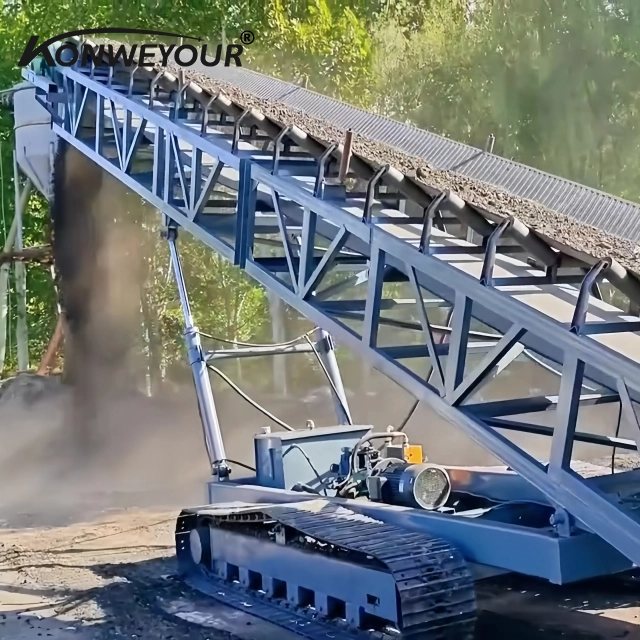
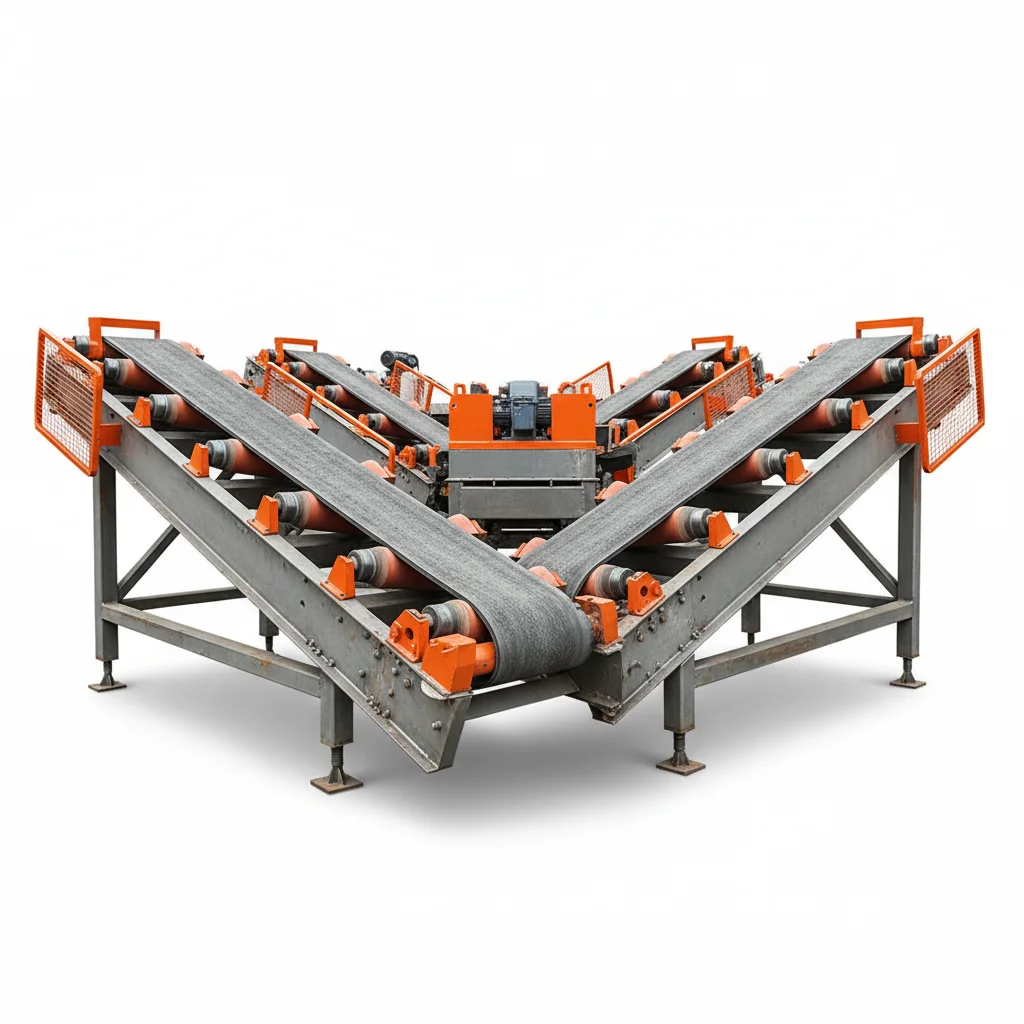
Simply put, an elevator belt conveyor is a specialized conveyor belt system designed to move bulk materials up and down vertical or steep inclines. Instead of flat conveyors that push items horizontally, these systems use cleated or belted surfaces combined with sidewalls or buckets to "carry" materials upward or lower them efficiently — almost like a giant moving staircase for goods.
They significantly aid mining, agriculture, manufacturing, and even disaster relief operations where moving cargo quickly up slopes or between floor levels is vital. For instance, in post-disaster scenarios, conveyors can shuttle tons of aid materials vertically at supply hubs, enabling faster reach to victims.
Mini takeaway:
- Elevator belt conveyors solve vertical material handling challenges using cleated or bucketed belts for secure transport.
- They support industries and humanitarian efforts by facilitating vertical movement where flat belts fall short.
Core Components and Features of Elevator Belt Conveyors
1. Durability and Material Composition
One of the first things engineers consider is the belt material. Since these conveyors often handle abrasive bulk materials—think coal, grain, cement—the belts need high tensile strength, resistance to wear, and heat endurance. Commonly, synthetic rubbers layered with nylon or polyester cords provide the perfect combo of strength and flexibility.
2. Cleats and Sidewalls
It’s not just a flat belt. Cleats (raised strips) and sidewalls help prevent material slippage on steep inclines. Cleat height, spacing, and shape vary depending on the material characteristics — a feature many say is the secret sauce for efficiency. You want enough grip to carry materials but smooth enough to avoid spillage on the return path.
3. Adjustable Speed and Automation Integration
Modern elevator belt conveyors often have variable speed drives, integrated sensors, and even IoT monitoring to adjust belt speed based on load, minimizing energy usage and mechanical stress. This kind of smart control is becoming the norm in large-scale facilities.
4. Frame and Support Structures
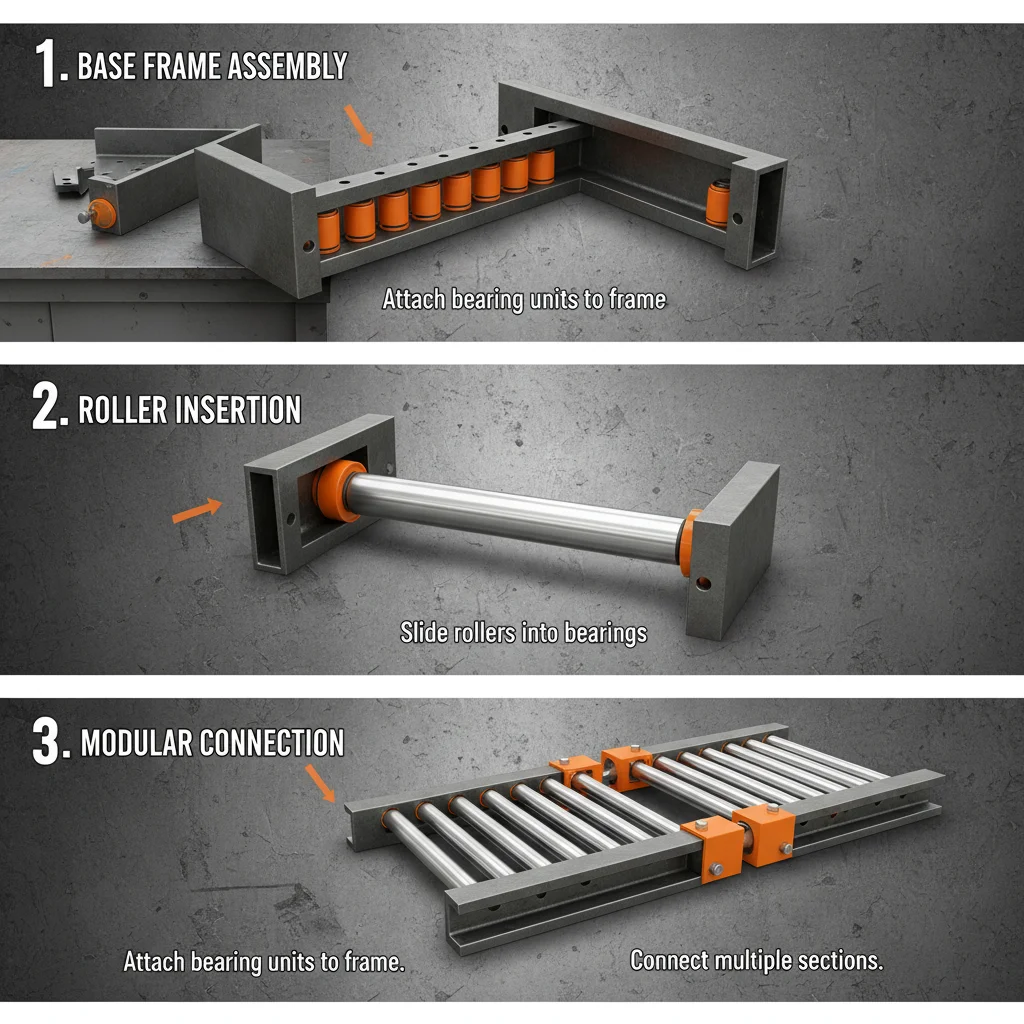
Fabricated from heavy-duty steel or aluminum alloys, the supporting frames must handle dynamic loads without vibration or wear-induced failures. Some are modular—allowing for quick installation or expansion—which is great for shifting industrial needs.
Mini takeaway:
- Durability comes from high-grade synthetic belts matched to material needs.
- Cleats and sidewalls prevent spillage during vertical transport.
- Increasing automation means smarter, more efficient, and safer conveyors.
Typical Specifications of an Elevator Belt Conveyor
| Specification |
Typical Range |
Notes |
| Belt Width |
300 mm – 1200 mm |
Depends on material volume |
| Cleat Height |
10 mm – 60 mm |
Varies with material type & angle |
| Maximum Lifting Height |
Up to 30 meters |
Depends on motor and tensioning |
| Speed |
0.5 – 3 m/s |
Typically adjustable |
| Power Supply |
220V – 480V, 3-phase |
Industry standard |
Hands-On: How Industries Use Elevator Belt Conveyors Worldwide
From what I’ve seen and read, their applications are surprisingly broad:
- Mining and Quarrying: Conveyor belts lift tons of mineral ore up from shafts or across rugged terrain. Example: nickel mines in Canada use vertical conveyors to optimize space.
- Food Processing: Moving grains, coffee beans, or packaged foods between production floors with cleanliness and reduced contamination risks.
- Logistics & Warehousing: Giant distribution centers utilize vertical conveyors to move parcels between sorting floors – think e-commerce giants like Amazon.
- Humanitarian Relief: In recent disaster relief operations in Southeast Asia, NGOs used compact elevator conveyors to stack emergency supplies efficiently.
Oh, and if you’re curious, here’s an interesting tidbit I stumbled upon: some countries with challenging geography like Switzerland rely heavily on these conveyors in timber yards nestled among alpine slopes.
Mini takeaway:
- Elevator belt conveyors power diverse industries from mining to disaster relief.
- Regional adaptations reflect local industry demands and terrain challenges.
Benefits: What Elevator Belt Conveyors Bring to the Table
- Cost Efficiency: Less labor, reduced manual handling accidents, and continuous operation translates to lower operational costs.
- Sustainability: Modern belts with low friction coatings and variable speed drives cut energy consumption, contributing to greener operations.
- Reliability & Safety: Enclosed systems minimize spillage, reduce dust exposure, and lower the risk of workplace injuries.
- Adaptability: Modular designs allow quick modifications, so businesses can respond rapidly to changing workflows or market demands.
- Social Impact: In humanitarian logistics, these conveyors bring dignity and efficiency, speeding aid delivery in crises.
Innovation on the Horizon: What’s Next for Elevator Belt Conveyors?
Frankly, the conveyor industry is quietly buzzing with innovation. The rise of elevator belt conveyor designs integrated with sensor suites and AI-driven predictive maintenance feels like the future coming to life.
- Smart Materials: New belts incorporate nano-coatings for anti-wear and heat resistance.
- Energy Efficiency: Regenerative drives that capture braking energy to power the system.
- Automation & IoT: Remote operation, diagnostics, and process optimization are evolving daily.
- Environmental Compliance: More manufacturers focus on recyclable belts and eco-friendly lubricants.
Common Challenges & How Industry Leaders Tackle Them
Of course, not everything is smooth sailing. These systems can face challenges like:
- Material spillage or belt misalignment causing downtime.
- Maintenance needs in hard-to-access vertical spaces.
- Cost of initial installation for large-scale systems.
Experts recommend thorough site surveys, choosing the right belt and cleat combo, and investing in easy-access maintenance designs. And many vendors now offer modular solutions that speed up installation, reducing upfront costs.
Elevator Belt Conveyor Vendor Comparison
| Vendor |
Key Offering |
Strengths |
Typical Price Range |
| JT Conveyor |
Customizable modular elevators |
Quick installation, IoT integration, strong after-sales |
$$$ |
| ConveyorTech Ltd. |
High-capacity industrial lifts |
Heavy-duty belts, energy-saving tech |
$$$$ |
| Global Belt Systems |
Standard conveyor kits |
Budget-friendly, wide distribution network |
$ |
Frequently Asked Questions About Elevator Belt Conveyors
Q1: What materials are best suited for elevator belt conveyors?
A1: Elevator belt conveyors excel with bulk solids like grains, coal, ores, and packaged goods. The belt material should match the load characteristics—synthetic rubber for abrasion resistance, cleated or bucketed belts for vertical transport. Choosing the right cleat height and belt width is critical to prevent spillage and wear.
Q2: How steep can an elevator belt conveyor safely operate?
A2: Vertical or near-vertical angles up to 90° are possible with proper belt design—cleated belts with sidewalls are common solutions. The ultimate steepness depends on factors like material type, belt speed, and conveyor length. Most industrial systems handle inclines between 45° and 90° efficiently.
Q3: What maintenance is required for elevator belt conveyors?
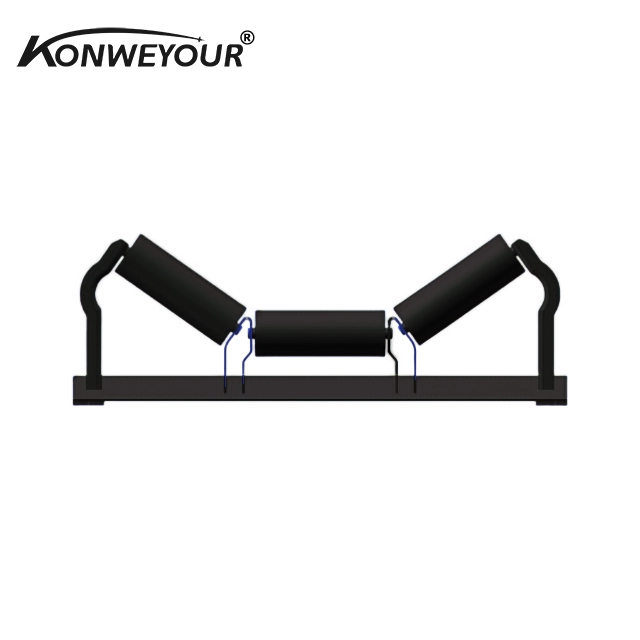
A3: Regular inspections for belt tension, wear on cleats, and roller alignment help avoid downtime. Lubricating moving parts and cleaning spills also prolong life. Smart conveyors now utilize sensors for predictive maintenance, signaling when parts need service.
Q4: Can these conveyors be customized for different industries?
A4: Absolutely. Modular designs and adjustable cleat heights enable customization to specific materials and environments, from dusty mining sites to food-grade cleanrooms.
Q5: Where can I find reliable suppliers for elevator belt conveyors?
A5: Companies like JT Conveyor (https://www.jtconveyor.com) specialize in customizable, IoT-enabled conveyors. Evaluate vendor experience, after-sales support, and customization options before deciding.
In Closing: Why Elevator Belt Conveyors Are Worth Your Attention
Now, thinking about it, elevator belt conveyors are kind of like the unsung heroes of supply chains, quietly conquering vertical challenges that pure flat belts just can’t manage. Their blend of durability, adaptability, and modern smart features make them invaluable across continents and industries. So whether you’re looking to improve your plant’s efficiency or aid rapid logistics in tough conditions, these conveyors offer tangible benefits you can trust.
If you want to explore further or get a custom quote, head over to https://www.jtconveyor.com. Sometimes the smoothest operations are just a belt away.
References
- Wikipedia: Conveyor Belt
- UNIDO: Promoting Efficient Material Handling
- ISO Standards on Conveyor Systems