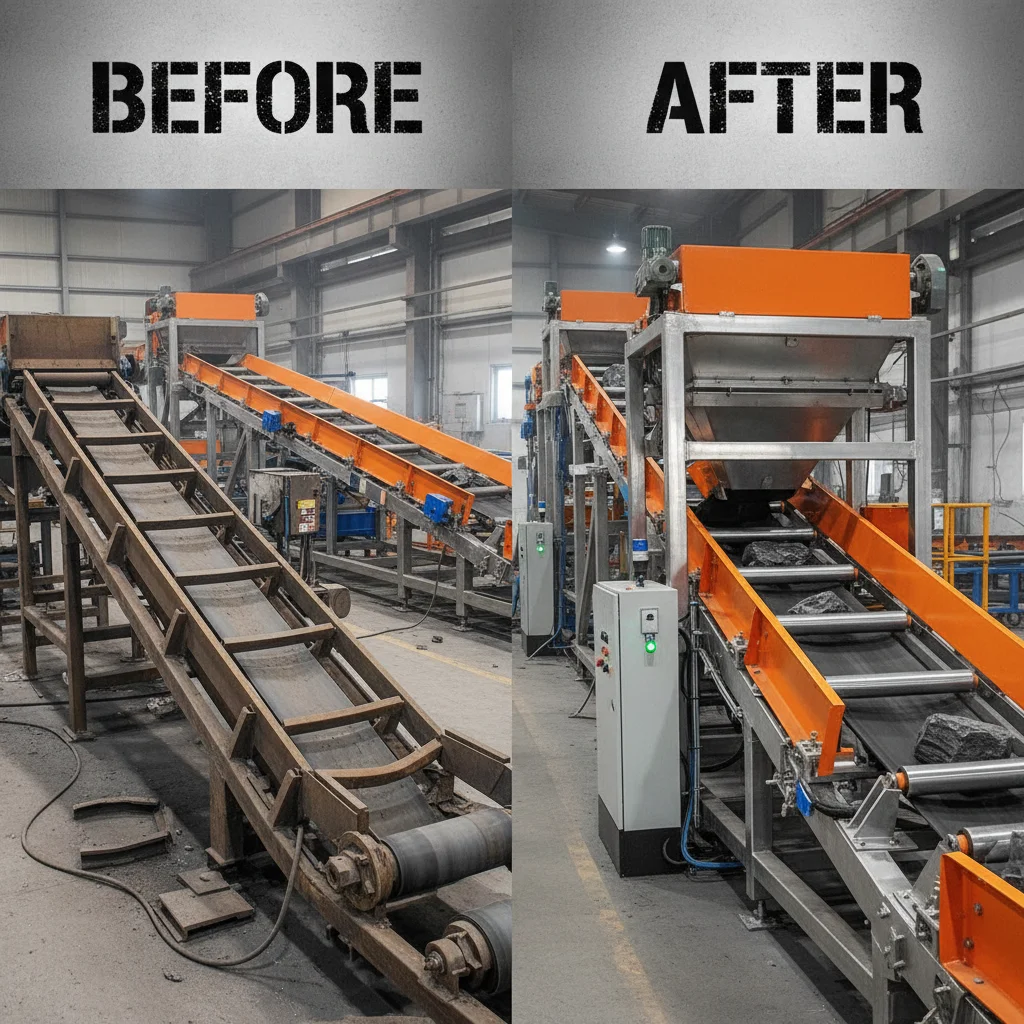
In the demanding world of underground mining and tunneling, the movement of bulk materials requires specialized engineering that prioritizes flexibility and strength. Efficient material handling is the backbone of operational productivity, ensuring that extracted resources move seamlessly from the face to the surface. Understanding the role of advanced transport systems is essential for any operation looking to optimize its workflow and reduce downtime in restrictive subterranean environments.
Modern industrial requirements have pushed the boundaries of conveyor design, leading to the development of systems that can adapt to the unpredictable geography of underground tunnels. These innovations address the critical challenge of "last-mile" transport within tunnels, where fixed-length machinery often fails to meet the changing dimensions of the excavation site. By integrating telescopic capabilities, operators can achieve a level of precision and adaptability previously unavailable in traditional bulk handling.
The strategic implementation of overhead conveyor systems and specialized underground equipment allows companies to maximize their throughput while minimizing the physical footprint of their machinery. By focusing on robust construction and adjustable lengths, these systems ensure that material flow remains constant regardless of the tunnel's layout. This shift toward adaptable machinery is not just a technical upgrade but a fundamental improvement in site safety and logistical efficiency.

The Mechanics of Adjustable Telescopic Design
The core innovation of the Adjustable Telescopic Underground Conveyor lies in its ability to modify its physical length to match the specific dimensions of a tunnel. Unlike static overhead conveyor systems, this telescopic structure allows for rapid adjustment, meaning the equipment can extend further into the loading zone or retract to clear passing traffic and other machinery.
This flexibility is achieved through a precision-engineered sliding frame that maintains structural integrity while in motion. By allowing for a customized fit, the system eliminates the gaps typically found between the material source and the conveyor belt, thereby significantly reducing spillage and the need for secondary manual cleaning.
Engineering for Harsh Underground Environments
Operating in underground mines or tunnels exposes equipment to extreme humidity, corrosive dust, and high mechanical stress. To combat these conditions, the Adjustable Telescopic Underground Conveyor is constructed from high-strength, durable materials designed to resist wear and tear. This robust construction ensures that the framework does not warp or degrade when subjected to the constant pressure of bulk material transport.
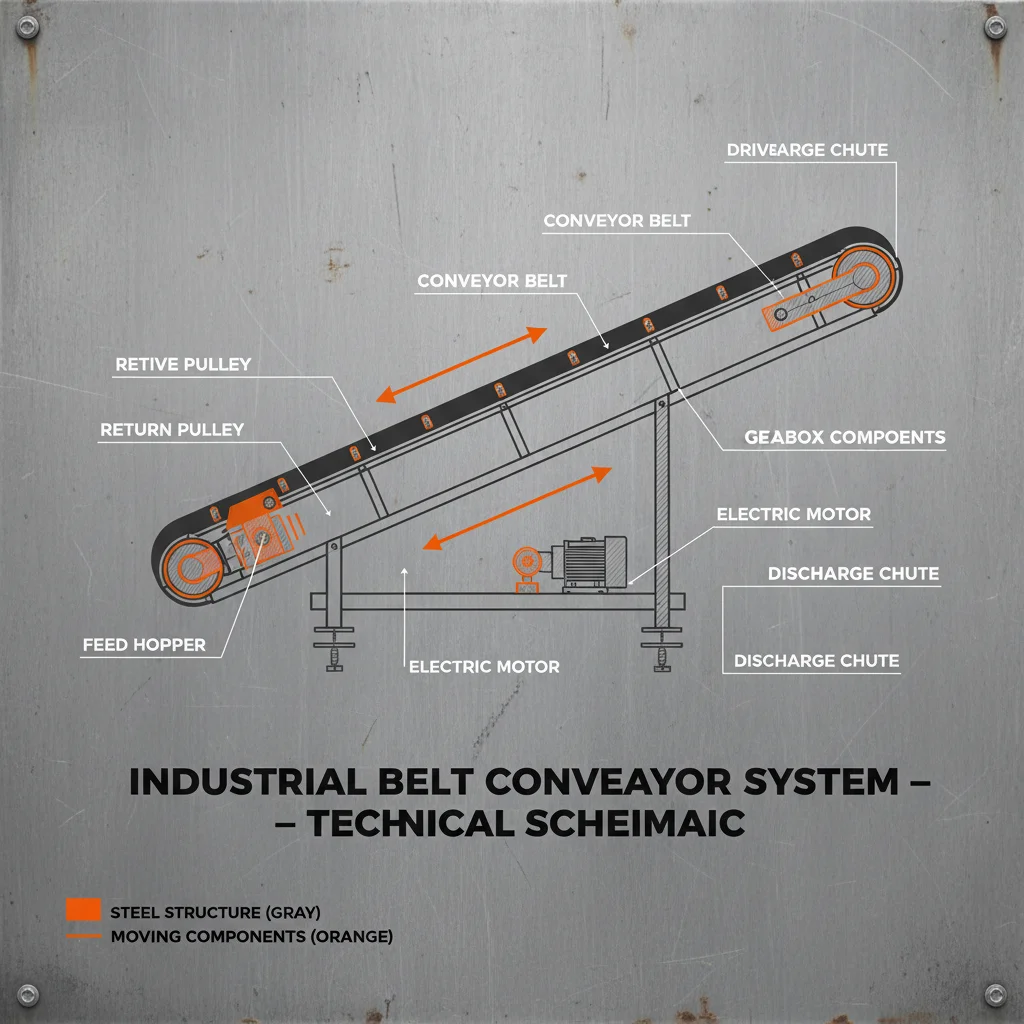
Beyond the frame, the selection of smooth-running rollers and high-grade reliable belts is critical. These components are engineered to minimize friction and resist abrasion, which is essential for maintaining a continuous flow of materials without frequent belt slips or roller failures. The synergy between the high-strength chassis and low-friction components creates a system capable of long-term stability.
Ultimately, the engineering focus is on reliability. In an underground setting, a machinery failure can halt an entire production line and create hazardous conditions. By prioritizing heavy-duty materials and simplified mechanical interfaces, the system provides a dependable solution that can withstand the rigors of 24/7 industrial operations in the most challenging terrains.
Space Optimization in Limited Tunneling Zones
In subterranean projects, space is the most valuable commodity. Traditional bulky transport methods often obstruct pathways, creating bottlenecks that hinder both personnel and vehicle movement. The compact design of these systems is a strategic response to this limitation, ensuring that the equipment occupies the minimum possible footprint while maximizing material throughput.
When compared to static overhead conveyor systems, the telescopic underground variant provides a dynamic way to manage space. The ability to retract the conveyor when not in full use allows for better traffic management within the tunnel, reducing the risk of collisions and facilitating faster emergency egress.
Furthermore, this space-saving approach directly impacts operational efficiency. By reducing the amount of manual handling required to bridge the gap between the excavation face and the transport line, the system optimizes the workflow. This integration of compact design and adjustable length transforms the restrictive environment of a tunnel into a streamlined production corridor.
Operational Efficiency and Maintenance Metrics
The true value of a conveyor system is measured by its uptime and the ease with which it can be maintained. The Adjustable Telescopic Underground Conveyor features a reasonable structural layout that allows technicians to access key components—such as rollers and belt tensioners—without requiring a complete system teardown. This accessibility is paramount in underground zones where lighting and workspace are limited.
By simplifying the maintenance process, operators can perform daily inspections more effectively, identifying wear and tear before it leads to critical failure. This proactive approach to maintenance reduces unplanned downtime and lowers the overall cost of ownership, making it a more sustainable choice than traditional, hard-to-reach overhead conveyor systems.
Performance Comparison of Underground Transport Methods
Global Applications in Mining and Construction
These adjustable systems are finding widespread use in global mining hubs, from the deep gold mines of South Africa to the potash mines of Canada. In these regions, the ability to adapt to varying tunnel sizes is not a luxury but a necessity for survival and profit. The conveyor's capacity to handle bulk materials in a continuous stream makes it ideal for high-output operations where speed is essential.
Beyond mining, the construction of massive underground infrastructure, such as subway tunnels and hydroelectric caverns, relies on these flexible solutions. Whether it is removing spoil from a Tunnel Boring Machine (TBM) or transporting raw aggregate for lining, the versatility of a telescopic system allows it to be deployed across different project phases without needing replacement.
Safety Enhancements and Risk Mitigation
Safety is the primary concern in any underground environment. One of the most significant advantages of the Adjustable Telescopic Underground Conveyor is its ability to reduce manual handling. By extending the conveyor directly to the loading point, the need for miners to manually shovel or move heavy debris is drastically reduced, which in turn lowers the risk of musculoskeletal injuries and accidents.
Furthermore, the stable operation of the system prevents material spills that could create slip hazards or block emergency paths. Because the system is designed for continuous and smooth operation, it eliminates the erratic movements often associated with intermittent haulage vehicles, creating a more predictable and controlled work environment.
When compared to the risk profiles of traditional overhead conveyor systems in tight spaces, the telescopic underground model offers superior safety by optimizing the interaction between the human worker and the machine. This reduction in direct contact with raw materials ensures that the site remains compliant with international safety standards and protects the workforce.
Future Trends in Continuous Transport Systems
The future of underground material handling is moving toward greater automation and "smart" integration. We are seeing a trend where telescopic conveyors are being equipped with sensors to automatically adjust their length based on the position of the excavation face. This integration of IoT (Internet of Things) allows for real-time monitoring of belt tension and roller health, enabling predictive maintenance.
Sustainability is also becoming a core driver of innovation. There is a growing shift toward using energy-efficient motors and recyclable high-strength polymers in conveyor belts to reduce the carbon footprint of mining operations. These "green" upgrades ensure that the equipment not only meets production goals but also adheres to stricter global environmental regulations.
As digital transformation accelerates, the blending of modular design with automated controls will redefine the industry. The goal is to create a fully autonomous transport chain where the telescopic conveyor acts as a flexible artery, seamlessly connecting the extraction point to the main shaft with zero human intervention.
Core Analysis of Future Underground Transport Trends
| Trend Dimension |
Technological Shift |
Expected Impact |
Adoption Priority |
| Automation |
Auto-length sensors |
Reduced manual labor |
High |
| Material Science |
Composite Alloys |
Increased durability |
Medium |
| Energy Efficiency |
Variable Frequency Drives |
Lower power consumption |
High |
| Maintenance |
Predictive AI Analytics |
Zero unplanned downtime |
Medium |
| Environmental |
Biodegradable Belts |
Reduced waste |
Low |
| Integration |
Modular Connectivity |
Faster deployment |
High |
FAQS
While overhead conveyor systems generally follow a fixed path to move items through a facility, a telescopic underground conveyor is designed to change its length. This allows it to extend directly into a loading zone in a tunnel, reducing the need for manual material movement and adapting to the changing size of the excavation area.
Yes, the system is constructed using high-strength materials specifically chosen for harsh underground conditions. The telescopic frame is engineered to maintain rigidity even when fully extended, ensuring stable operation under heavy loads of ore or rock.
On the contrary, the design focuses on accessibility. Because the structure is reasonable and components are exposed in a way that facilitates inspection, daily maintenance is often faster than with fixed systems. The use of high-grade rollers further reduces the frequency of replacement.
Absolutely. The materials used are resistant to corrosion and designed to operate in the humid, damp conditions typical of underground mining and tunneling. The smooth-running belts and rollers are treated to prevent clogging and wear from moisture.
It significantly reduces the need for manual handling of bulk materials, which minimizes the risk of worker injury. Additionally, by optimizing space and reducing material spillage, it keeps the tunnel walkways clear and safer for all personnel.
They are primarily used in underground mining, tunnel construction projects, and any large-scale subterranean excavation where material must be moved from a variable distance to a central collection point or shaft.
Conclusion
The Adjustable Telescopic Underground Conveyor represents a critical leap in subterranean logistics, combining the strength of industrial grade machinery with the flexibility required for unpredictable environments. By solving the dual challenges of space constraints and material handling efficiency, it outperforms traditional overhead conveyor systems in specialized underground contexts. Its focus on durability, safety, and ease of maintenance ensures that mining and construction operations can maintain high throughput with minimal risk.
Looking forward, the integration of smart sensors and sustainable materials will further enhance the value of these systems, turning simple transport lines into intelligent logistical assets. For companies aiming to optimize their underground operations, investing in adaptable and robust conveyor technology is the most effective path to increasing productivity and ensuring worker safety. To explore these solutions further, visit our website: www.jtconveyor.com