In the demanding landscape of industrial material handling, maintaining the structural integrity and operational precision of transport systems is paramount. A powered roller conveyor system represents the evolution of bulk movement, integrating mechanical drive force with strategic alignment to ensure that materials move seamlessly from one point to another without interruption. For industries dealing with high-volume throughput, the efficiency of these systems directly correlates with the overall profitability and safety of the facility.
One of the most persistent challenges in these setups is belt drift, where the conveyor belt gradually shifts off-center, leading to edge fraying, material spillage, and potential system failure. Addressing this requires more than just basic rollers; it demands an intelligent approach to tracking. By implementing self-aligning mechanisms, operators can transform a standard setup into a highly resilient powered roller conveyor system that corrects itself in real-time, reducing the need for constant manual intervention.
Integrating advanced components like self-aligning rollers into a powered roller conveyor system not only protects the expensive conveyor belt but also optimizes energy consumption. By reducing friction and eliminating the drag caused by misalignment, these engineering solutions extend the lifespan of the entire infrastructure. Understanding the synergy between automatic tracking and powered transport is key to achieving world-class industrial efficiency and minimizing unplanned downtime.

The Engineering Logic of Powered Roller Conveyor System Alignment
The fundamental logic behind a high-efficiency powered roller conveyor system relies on the ability to maintain a perfectly centered belt. When a belt drifts, it creates lateral pressure; self-aligning rollers leverage this pressure by pivoting freely, which naturally steers the belt back to the center. This dynamic adjustment occurs in real-time, ensuring that the system remains stable regardless of load fluctuations or external environmental stresses.
By automating this process, the system removes the human error associated with manual tracking. Instead of stopping production to adjust tensioners or roller positions, the self-adjusting mechanism works silently in the background. This creates a continuous operational flow that is essential for high-capacity sectors like mining and logistics, where every minute of downtime represents a significant financial loss.
Core Components for Enhanced System Stability
At the heart of a robust powered roller conveyor system are the materials used in its construction. High-strength industrial steel is employed for the roller shells to withstand the immense weight of bulk materials and the abrasive nature of mining environments. This ensures that the rollers do not deform under pressure, which would otherwise lead to premature belt wear and tracking failures.
Equally critical are the precision low-friction bearings. These components are engineered to reduce the energy required to move the belt, thereby increasing the overall energy efficiency of the powered roller conveyor system. By minimizing internal resistance, these bearings reduce heat buildup and extend the intervals between required maintenance cycles, ensuring the system runs cooler and longer.
Finally, the application of a specialized corrosion-resistant coating protects the internal and external steel surfaces from moisture and chemical exposure. In harsh industrial settings, rust is the primary enemy of precision engineering. This protective layer ensures that the self-aligning mechanism remains fluid and responsive, preventing the rollers from seizing and maintaining the integrity of the tracking system.
Operational Impacts on Industrial Throughput
The integration of self-tracking rollers into a powered roller conveyor system has a profound impact on daily throughput. When belts remain centered, material spillage is drastically reduced. Spillage is not just a waste of product; it is a safety hazard that requires labor-intensive cleanup and can damage other mechanical components located beneath the conveyor frame.
Furthermore, the prevention of edge wear is a critical economic advantage. In a standard powered roller conveyor system, belt fraying often leads to total belt failure, necessitating a complete and costly replacement. Self-aligning rollers eliminate this risk by maintaining precise center-line alignment, thereby significantly extending the usable lifespan of the conveyor belt.
From a management perspective, the predictability of a self-adjusting powered roller conveyor system allows for better resource planning. Maintenance teams can move from reactive "firefighting" to predictive scheduling, focusing on lubrication and inspection rather than emergency repairs. This shift increases total system uptime and ensures that production targets are met consistently.
Performance Metrics and ROI Analysis
Evaluating the return on investment for a powered roller conveyor system involves looking beyond the initial purchase price. While self-aligning rollers may have a higher upfront cost than standard rollers, the long-term savings in labor, material loss, and replacement parts are substantial. The reduction in unplanned stops alone often justifies the investment within the first few months of operation.
When comparing different configurations, it becomes clear that the synergy of precision bearings and automatic tracking creates a superior operational profile. By analyzing the "Cost per Ton" of material moved, companies find that the enhanced durability of the self-aligning powered roller conveyor system lowers the total cost of ownership over the equipment's life cycle.
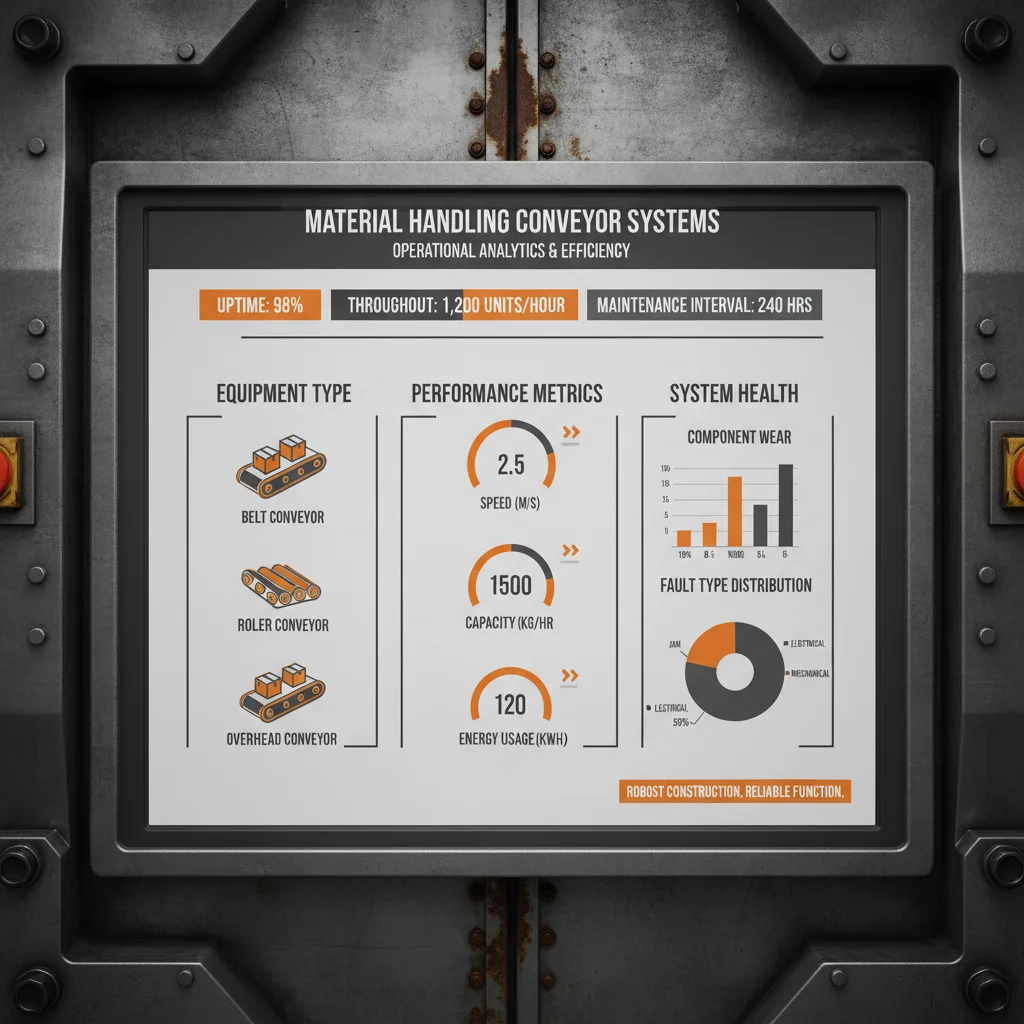
Operational Efficiency of Powered Roller Conveyor System Configurations
Global Applications in Heavy Industry
Across the globe, from the iron ore mines of Australia to the massive logistics hubs in North America, the powered roller conveyor system is the backbone of bulk transport. In the mining sector, where materials are often abrasive and loads are uneven, the ability to automatically correct belt drift is essential for preventing catastrophic system failures during 24/7 operations.
In the logistics and manufacturing sectors, these systems are used to move everything from automotive chassis to packaged consumer goods. The precision of a self-aligning powered roller conveyor system ensures that items are delivered to sorting stations with exact positioning, reducing the need for secondary manual adjustments and increasing the speed of the automated sorting process.
Overcoming Common Tracking Challenges
Belt misalignment is rarely caused by a single factor; it is usually a combination of uneven loading, frame misalignment, and material buildup on the rollers. In a traditional powered roller conveyor system, these issues require a technician to manually adjust the conveyor, which is time-consuming and often only a temporary fix.
The solution lies in the adoption of dynamic tracking. By installing self-aligning rollers at strategic intervals, the system can compensate for frame imperfections and uneven loads automatically. This "intelligent" response mechanism ensures that the belt stays centered even when the conditions that cause drift are still present.
Moreover, the use of precision low-friction bearings helps mitigate the impact of material buildup. When rollers rotate smoothly and efficiently, they are less likely to "grab" the belt and pull it off course. Combining high-grade steel with automatic tracking creates a powered roller conveyor system that is resilient to the most common operational pitfalls.
Long-term Value Comparison of Roller Technologies
When choosing between standard rollers and self-aligning options for a powered roller conveyor system, the primary consideration should be the total cost of ownership. Standard rollers are cheaper initially but lead to higher operational costs due to frequent manual adjustments, increased belt wear, and the labor required to clean up spillage.
In contrast, the self-aligning roller provides a long-term value proposition. By extending the lifespan of the conveyor belt and reducing the frequency of unplanned shutdowns, it ensures that the system maintains peak throughput for years. This reliability is especially critical in remote industrial zones where bringing in specialized repair teams can be prohibitively expensive.
Ultimately, the investment in high-performance components transforms the powered roller conveyor system from a simple transport tool into a strategic asset. The transition from reactive maintenance to automatic stability results in a leaner, safer, and more profitable operation.
Comparative Analysis of Standard vs. Self-Aligning Roller Systems
| Performance Metric | Standard Roller System | Self-Aligning System | Impact on ROI |
|---|
| Belt Lifespan | Frequent Edge Wear | Significantly Extended | High Saving |
| Maintenance Cost | High (Manual Adjusts) | Low (Automatic) | Operational Gain |
| Material Loss | Moderate Spillage | Minimal Spillage | Waste Reduction |
| System Uptime | Intermittent Stops | Continuous Operation | Maximized Output |
| Initial Cost | Low | Moderate | Short-term Cost |
| Overall Value | Short-term Low Cost | Long-term High Value | Strategic Asset |
FAQS
The self-aligning roller is engineered to pivot freely on its axis. When the conveyor belt begins to drift to one side, it applies lateral pressure to the roller. This pressure causes the roller to rotate and angle itself, creating a corrective force that steers the belt back toward the center of the conveyor frame automatically, without needing manual intervention.
Yes, they are specifically designed for such environments. Our rollers are manufactured using high-strength industrial steel and finished with specialized corrosion-resistant coatings. This ensures that the rollers maintain their structural integrity and pivoting functionality even when exposed to moisture, chemicals, and abrasive minerals common in mining.
In most industrial applications, our self-aligning rollers are designed for direct compatibility with existing conveyor frames. They typically slot into the same positions as standard rollers. However, we always recommend verifying your specific belt width and load requirements to ensure an optimal fit and maximum tracking efficiency.
While exact numbers vary by facility, most companies see a significant decrease in unplanned stops. By automating the alignment process, you eliminate the need for frequent manual tracking adjustments and reduce the number of emergency shutdowns caused by belt edge damage or severe mistracking, leading to a more consistent production flow.
The most common causes include uneven loading of materials, worn-out conveyor components, slight misalignments in the supporting frame, and the accumulation of debris on the rollers. Our self-aligning rollers mitigate these issues by dynamically correcting the belt's path regardless of the underlying cause of the drift.
No, our rollers utilize high-quality precision bearings designed for low friction and an extended service life. These bearings are engineered to minimize wear and tear, which significantly reduces the frequency of required lubrication and maintenance compared to standard industrial bearings, contributing to lower overall operating costs.
Conclusion
Optimizing a powered roller conveyor system requires a strategic shift from basic transport to intelligent material handling. By integrating self-aligning rollers, high-strength industrial steel, and precision bearings, companies can effectively eliminate the costly problems of belt drift, material spillage, and premature edge wear. The transition to an automated tracking system not only ensures a more stable and safe operational environment but also maximizes the lifespan of the entire conveyor infrastructure.
As industrial automation continues to evolve, the emphasis will increasingly fall on components that provide long-term reliability and energy efficiency. Investing in self-adjusting technology today is a proactive step toward reducing operational overhead and increasing system throughput. For those looking to enhance their facility's efficiency and reduce unplanned downtime, upgrading to a high-performance alignment solution is the most effective path forward. Visit our website: www.jtconveyor.com