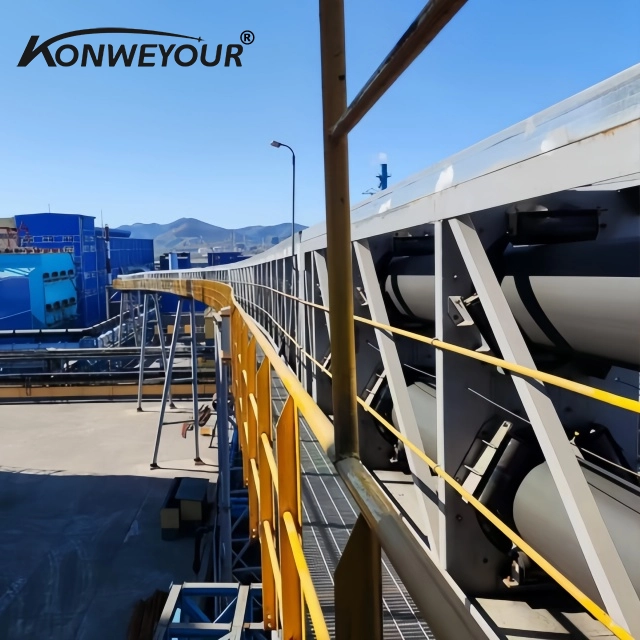
Industrial conveying has transitioned from simple belt movement to highly engineered systems designed for specific environmental and operational constraints. The primary goal is no longer just moving material from point A to point B, but doing so while maximizing throughput, minimizing waste, and ensuring strict adherence to safety and environmental regulations. This article examines the technical shift toward enclosed and specialized transporting systems. For sectors like mining, cement, and chemical processing, traditional open conveyors often lead to material loss and atmospheric pollution. The integration of advanced conveyor technologies allows for a fully sealed transport environment, which is critical for handling powdered or fragile bulk materials.
Precision Engineering Conveyor Belting Supply Solutions Elevating industrial productivity through high-performance continuous transmission systems. We deliver bespoke belting solutions designed for durability, efficiency, and seamless integration in the most demanding environments. 4200 Annual Output 168 Countries Served 6 Days Sample Lead Time 99.7 On-Time Delivery Premium Belting Excellence As a global leader in conveyor belting supply , we set the gold standard for material handling efficiency . Our systems are engineered to optimize flow, reduce downtime, and ensure maximum operational throughput. By integrating advanced polymer chemistry and aerospace-grade reinforcements, our conveyor belting supply solutions provide unparalleled resistance to wear, heat, and corrosion
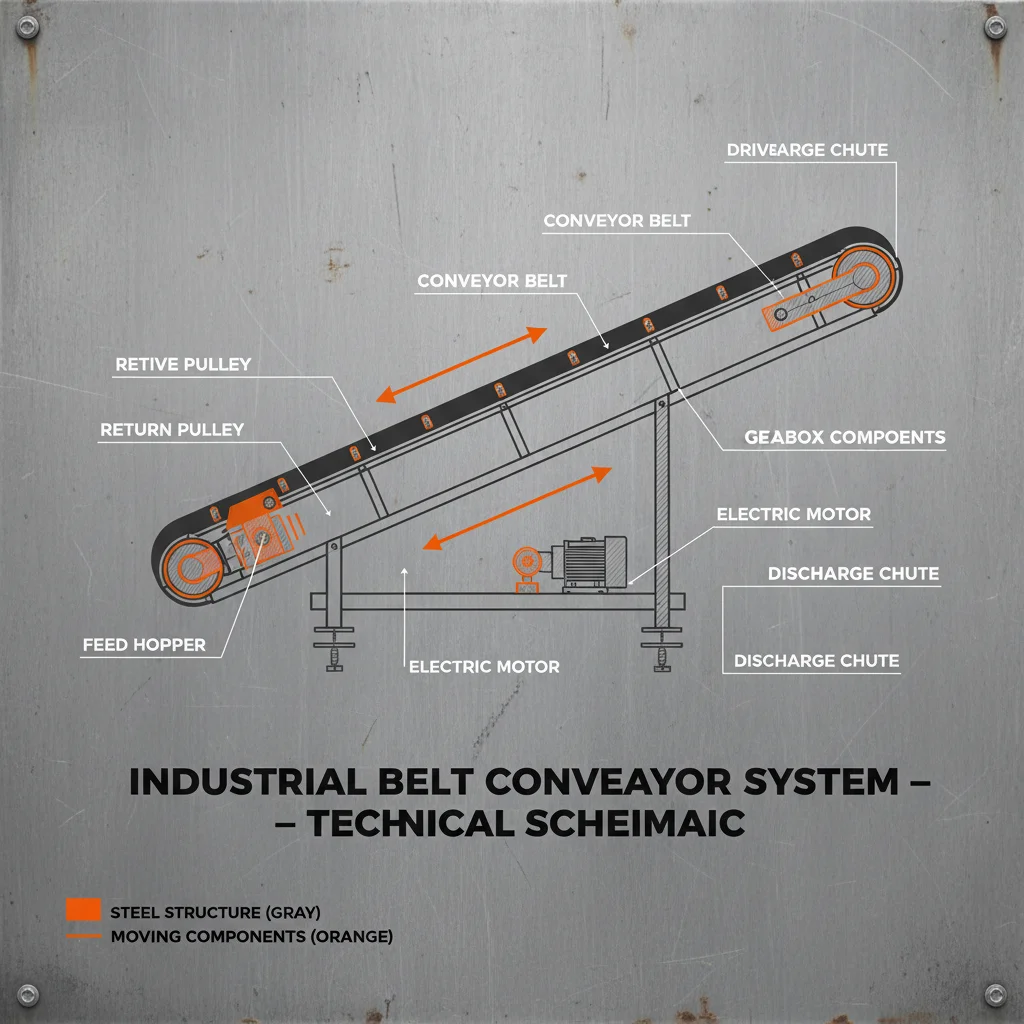
Belt conveyor equipment forms the backbone of modern material handling systems across countless industries. From agricultural harvesting to complex manufacturing lines, and even humanitarian aid distribution, the ability to efficiently and reliably move bulk materials is paramount. Understanding the nuances of belt conveyor equipment—its capabilities, limitations, and evolving technologies—is crucial for optimizing operational efficiency, reducing costs, and improving safety in a wide range of applications. Globally, the demand for belt conveyor equipment is driven by increasing industrialization, particularly in emerging economies. The UN estimates a continued surge in global trade, necessitating robust logistics infrastructure. The World Bank highlights the importance of efficient supply chains for economic development, and belt conveyors play a critical role in that efficiency. Furthermore, adherence to ISO standards regarding safety and performance is increasingly important for manufacturers and operators. The increasing need to transport large volumes of materials swiftly and cost-effectively is a significant challenge that belt conveyor equipment directly addresses.
Optimizing Material Handling with a Flexible Conveyor System In the modern manufacturing landscape, the ability to move bulk materials efficiently while adapting to complex facility layouts is a critical competitive advantage. A flexible conveyor system , particularly the Enclosed Tubular Belt Conveyor, offers an innovative solution for clean, efficient, and environmentally friendly transport. By eliminating material spillage and dust emissions, these systems ensure that industries maintain high hygiene standards and strict environmental compliance. Whether dealing with fragile granules or heavy powders, selecting the right conveying technology can drastically reduce product degradation and operational downtime.
If you've ever wondered what keeps industrial belt conveyors moving smoothly and reliably, a deep dive into line shaft conveyor parts offers answers. These often-overlooked components form the mechanical backbone of many conveyor systems worldwide—critical for moving goods in warehouses, manufacturing plants, and even humanitarian logistics.