
Optimizing Bulk Material Handling with Advanced Conveyor System Solutions in Japan

  • Home
  • Global Service
  • Optimizing Bulk Material Handling with Advanced Conveyor System Solutions in Japan

Optimizing Bulk Material Handling with Advanced Conveyor System Solutions in Japan

Providing high-reliability conveyor components and transfer systems engineered to meet JIS standards for Japan's demanding mining and industrial sectors.

High-Performance Material Handling and Transfer Systems

Addressing the need for precision and durability in Japan's industrial landscape, we integrate R&D and manufacturing to deliver robust conveyor system configurations tailored for energy efficiency and long-term operational stability.

Industrial Conveying Landscape in Asia - Japan

Analyzing the intersection of precision engineering and resource transport needs.

Japan's industrial sector is characterized by a rigorous commitment to precision, safety, and space optimization. In the realm of bulk material handling, there is a significant shift toward intelligent systems that reduce power consumption while maintaining high throughput. The market increasingly demands equipment that adheres strictly to JIS (Japanese Industrial Standards) to ensure seamless integration with existing infrastructure in ports and power plants.

Geographically, Japan's mountainous terrain and concentrated coastal industrial zones necessitate highly flexible conveyor transfer systems. These systems must be capable of navigating complex spatial constraints while resisting the corrosive effects of humid, maritime environments, making material selection for rollers and pulleys a critical procurement priority.

A primary challenge for local operators is the aging infrastructure in older mining and building material sites. The transition to modernized, energy-efficient components often faces hurdles due to strict technical specifications and the requirement for zero-downtime installations. This creates a demand for customized, high-reliability spare parts that can extend the lifecycle of existing systems without requiring a full overhaul.
Evolution of Bulk Conveying Technology

From basic mechanical transport to intelligent, eco-friendly ecosystems.

Industry Development Milestones

Early Mechanical Era
Focus was primarily on structural strength and basic belt movement to replace manual hauling, with limited focus on energy efficiency or component wear.

Standardization and Optimization
The introduction of international standards like CEMA and DIN allowed for interchangeable conveyor components, improving maintenance speed and system reliability.

The Intelligent Transition
Current systems integrate sensors and energy-saving drives, focusing on predictive maintenance and reducing the carbon footprint of material transport in mining and ports.

Future Technological Shifts

1. Predictive Wear Analytics

Integrating IoT sensors into idlers and rollers to monitor vibration and heat, allowing operators to replace parts before failure occurs.

2. Ultra-Low Friction Materials

Development of advanced polymers and coatings for pulleys and belts to minimize rolling resistance and significantly cut electricity costs.

3. Modular Rapid Deployment

Moving toward standardized modular units that allow for faster site assembly and easier reconfiguration as production needs change.

How global technological advancements are being localized for the Japanese market.

Operational Automation
Reducing manual oversight through automated belt tensioning and smart cleaning systems to increase safety.
Intelligent Monitoring
Real-time tracking of belt alignment and component health to prevent catastrophic failures in high-capacity mines.
Lean Procurement Models
Shifting toward JIT (Just-In-Time) delivery of high-quality spare parts to reduce onsite inventory costs.
Green Logistics
Implementing eco-friendly materials and energy-efficient motor drives to align with national carbon neutrality goals.

Future Industrial Outlook

Over the next three to five years, the Japanese material handling sector will likely see a deeper integration of AI-driven diagnostics. This will move the industry from scheduled maintenance to condition-based maintenance, drastically reducing operational expenditures for port and power plant operators.

Furthermore, as Japan continues to optimize its domestic supply chains, the demand for highly customized mine conveyor components that meet exact technical specifications will grow, rewarding suppliers who can blend global manufacturing scale with local precision standards.

Strategic Application Scenarios in Japan

Tailoring conveying solutions to specific regional industrial environments.

Coastal Port Terminal Handling

Port operators dealing with high-salinity air require corrosion-resistant rollers and pulleys to prevent premature failure and ensure continuous bulk cargo loading.

Underground Coal Extraction

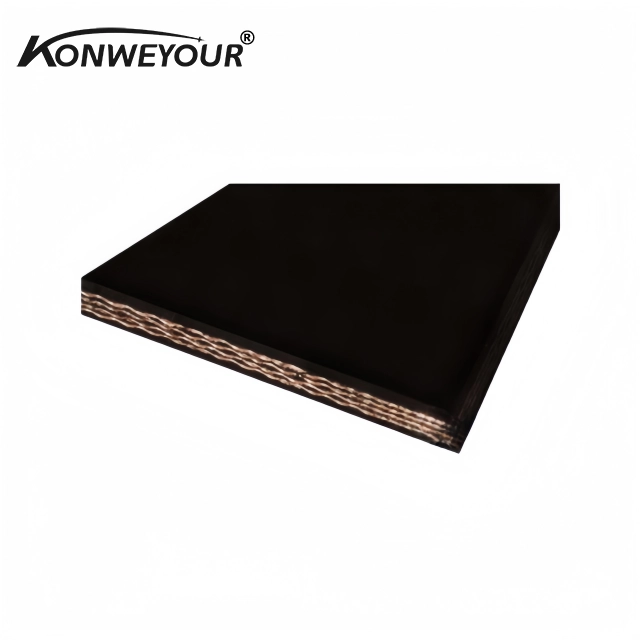
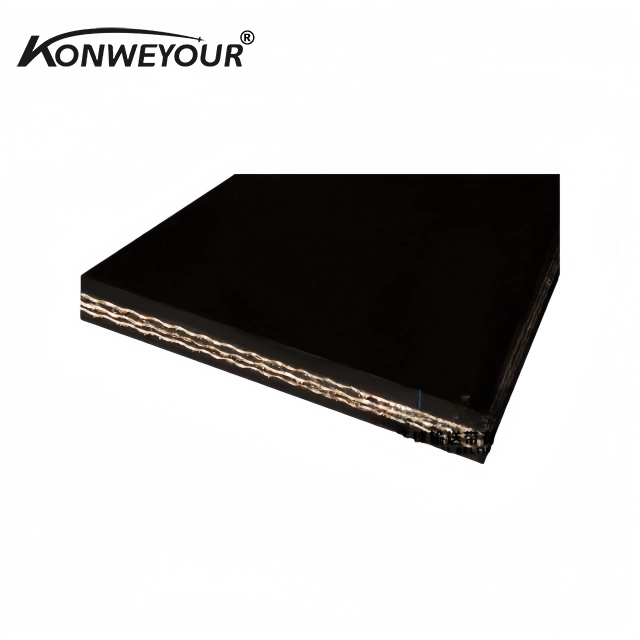
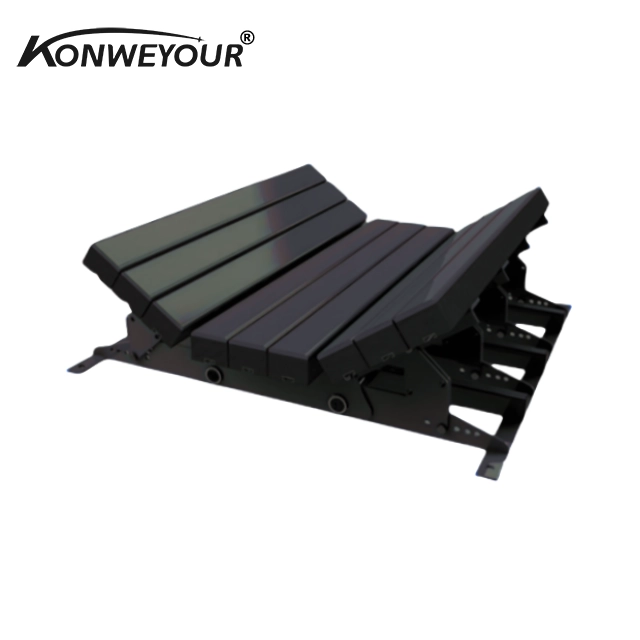
Mining enterprises utilizing coal mine conveyor systems need heavy-duty impact beds and reinforced belts to handle abrasive materials in confined spaces.

Power Plant Ash Removal

Utility providers require high-temperature resistant belt cleaners and specialized idlers to manage the transport of hot fly ash without system degradation.

Cement and Building Material Plants

Plants processing limestone and clinker utilize high-capacity transfer systems with precision-aligned pulleys to minimize material spillage and dust emission.

Automated Warehouse Logistics

Logistics hubs implementing precision-driven conveyor components to ensure high-speed sorting and seamless transition between different transport modes.

Engineering Excellence: The Hebei Juntong Journey

Our evolution from a domestic manufacturer to a global provider of industrial conveying solutions.

Established

Company Foundation

Focused on the design, manufacturing, sales, and installation of bulk material handling and conveying equipment.

Milestone 1

Product Innovation

Launched the first series of self-developed high-performance conveyor systems, gaining recognition for quality and reliability.

Milestone 2

International Expansion

Began exploring overseas markets with first exports to Southeast Asia, marking the step towards internationalization.

Milestone 3

Manufacturing Upgrade

Implemented advanced manufacturing technologies and modernized production lines, increasing annual capacity and efficiency.

Milestone 4

Global Market Presence

Products successfully exported to over 40 countries and regions, becoming a trusted global supplier.

Current

Sustainable Innovation

Continued investment in R&D to develop energy-efficient and eco-friendly conveyor solutions for clients worldwide.

Comprehensive Conveying Portfolio for Japan

From core conveyor hosts to precision spare parts, providing a full ecosystem of transportation support.

Conveyor System Inquiries for the Japanese Market

Answers to common technical and procurement questions regarding material handling.

Do your conveyor components comply with Japanese JIS technical standards?

Yes, we have flexible manufacturing capabilities that allow us to customize products to meet multiple national standards, including JIS, CEMA, DIN, and GB, ensuring compatibility with Japanese industrial infrastructure.

How do you ensure the durability of rollers in corrosive coastal environments?

We utilize specialized materials and coatings designed to resist salt-spray and humidity, combined with strict quality control processes certified by ISO9001, SGS, and CE to ensure long-life performance.

Why should we choose your transfer systems over local Japanese alternatives?

We combine global R&D integration with competitive manufacturing scale, providing high-reliability solutions that are both cost-effective and technically compliant with strict international and local specifications.

What is the typical procurement process for customized conveyor spare parts?

Clients provide the technical specifications or drawings. Our engineering team then validates the requirements against standards like JIS or CEMA before initiating precision manufacturing and quality testing.

Can your systems help reduce energy consumption in existing mining operations?

Our focus on intelligent and energy-efficient designs, including low-friction rollers and optimized belt cleaners, helps reduce the mechanical load on motors, thereby lowering overall electricity usage.

What certifications do you hold to guarantee quality for industrial projects?

We hold authoritative certifications including ISO9001, CE, SGS, BV, and TÜV, ensuring a full-process quality control system from the core hosts to the smallest precision spare parts.

Consult Our Technical Experts Today

Get customized conveyor solutions engineered specifically for the technical requirements of the Japan market.

Request a Quote

If you are interested in our products, you can choose to leave your information here, and we will be in touch with you shortly.

  • captcha