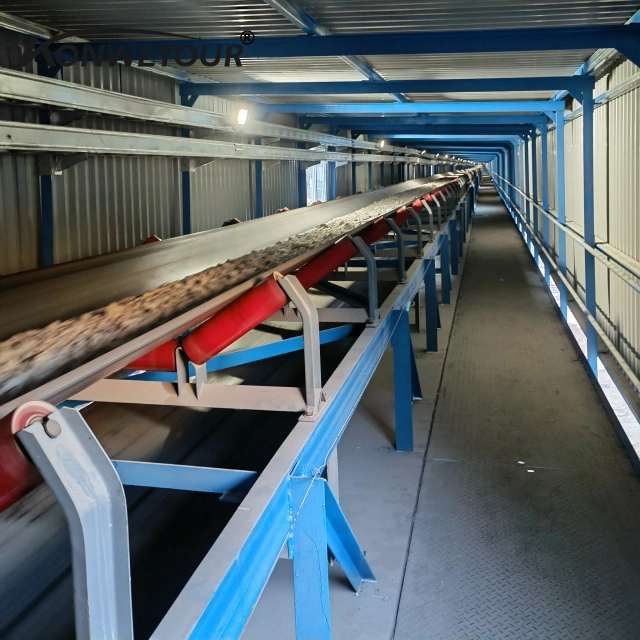



Japan's industrial sector is characterized by a rigorous commitment to precision, safety, and space optimization. In the realm of bulk material handling, there is a significant shift toward intelligent systems that reduce power consumption while maintaining high throughput. The market increasingly demands equipment that adheres strictly to JIS (Japanese Industrial Standards) to ensure seamless integration with existing infrastructure in ports and power plants.
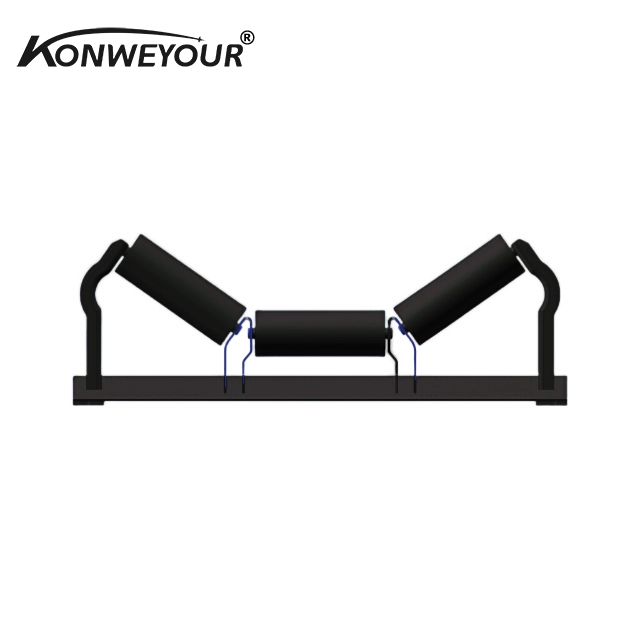
Geographically, Japan's mountainous terrain and concentrated coastal industrial zones necessitate highly flexible conveyor transfer systems. These systems must be capable of navigating complex spatial constraints while resisting the corrosive effects of humid, maritime environments, making material selection for rollers and pulleys a critical procurement priority.
A primary challenge for local operators is the aging infrastructure in older mining and building material sites. The transition to modernized, energy-efficient components often faces hurdles due to strict technical specifications and the requirement for zero-downtime installations. This creates a demand for customized, high-reliability spare parts that can extend the lifecycle of existing systems without requiring a full overhaul.