


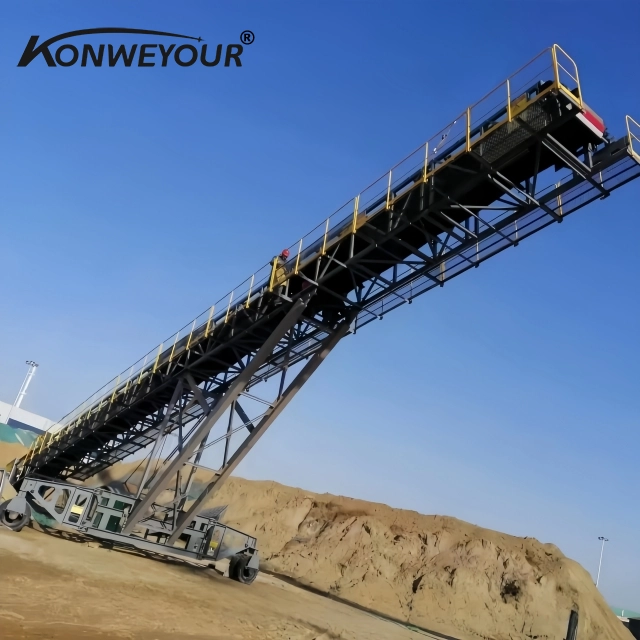

Malaysia's industrial structure relies heavily on the efficient transport of raw materials, particularly within the mining and palm oil sectors. The high humidity and heavy rainfall characteristic of the region demand a mine conveyor that can resist corrosion and withstand fluctuating moisture levels. From the tin mines of Perak to the diversified mineral extraction sites, the need for reliable, heavy-duty transport systems is critical to maintaining operational uptime.
In the specific context of energy production, the implementation of a robust coal mine conveyor requires a focus on high-torque stability and minimal material loss. Local operators are increasingly moving away from legacy systems toward integrated solutions that reduce energy consumption. The procurement trend in Malaysia now favors equipment that offers long-term durability over the lowest initial cost, reflecting a shift toward total cost of ownership (TCO) optimization.
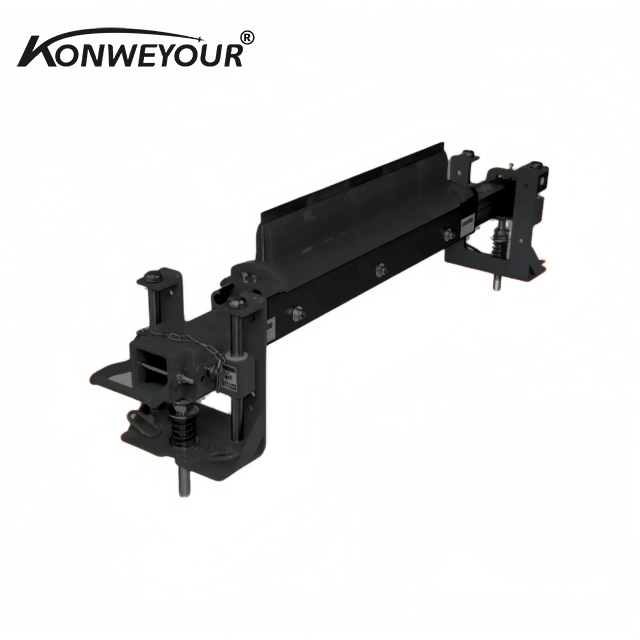
Furthermore, the integration of specialized conveyor components has become a priority for maintenance managers in Malaysian industrial zones. The transition toward smarter, more energy-efficient conveyor systems is driven by the need to lower operational overheads and comply with evolving environmental safety standards. This technical evolution is essential for companies looking to scale their throughput while maintaining strict safety protocols in hazardous environments.