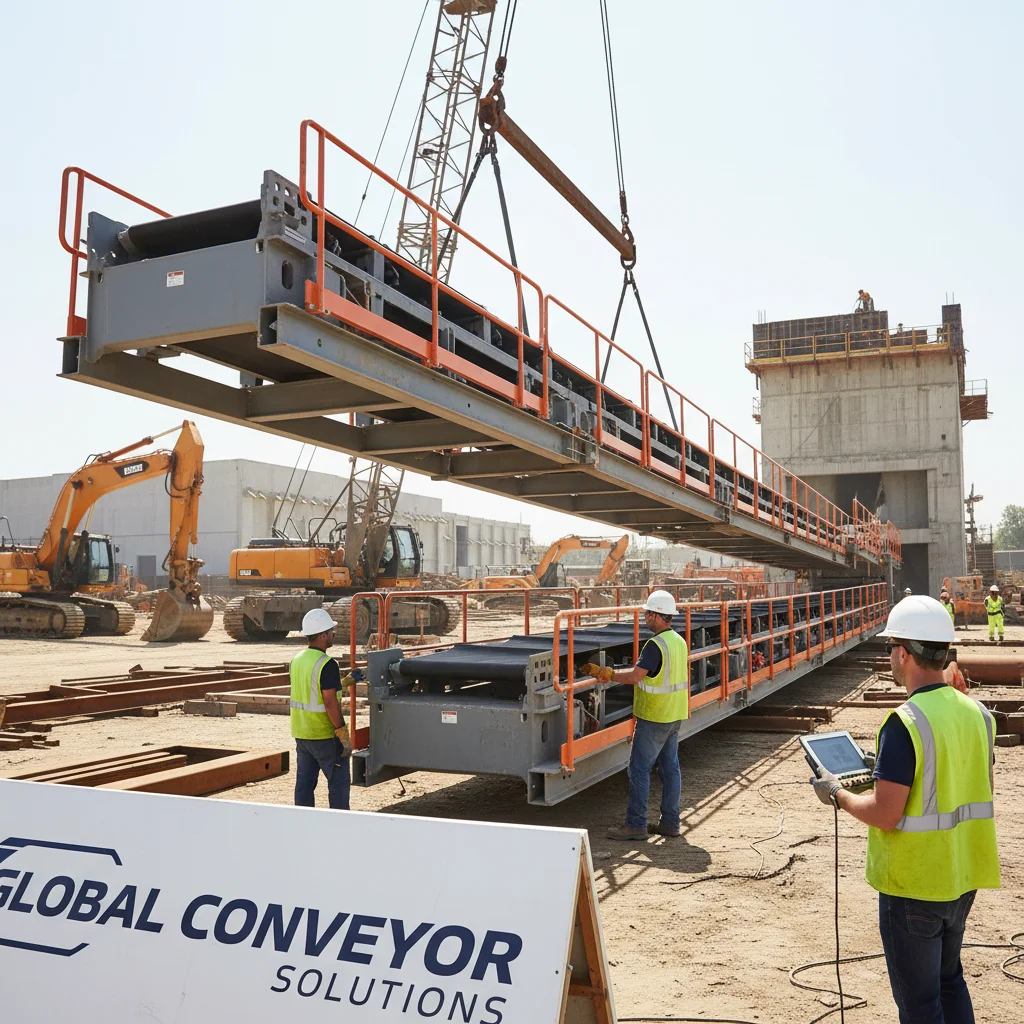
The efficiency of material handling in the mining sector is fundamentally dependent on the reliability of transport systems. In underground environments, the deployment of a high-performance conveyor belt in coal mines is not merely a logistical choice but a critical safety requirement. These systems must withstand extreme pressures, abrasive materials, and the constant threat of fire to ensure uninterrupted production and worker safety.
Across the global mining industry, the transition toward deeper deposits has increased the demand for specialized belts that can handle longer distances and heavier loads. Modern engineering has led to the development of flame-retardant compounds and high-tensile EP fabrics, which collectively reduce the risk of catastrophic failures. Ensuring that these belts meet international safety standards is paramount for any operation aiming for long-term sustainability.
Selecting the right conveyor belt in coal mines requires a deep understanding of the interplay between tensile strength, abrasion resistance, and fire safety. By utilizing materials like polyester/nylon (EP) fabrics and premium flame-retardant rubber, operators can significantly mitigate the risk of fire propagation and static electricity accumulation in hazardous underground zones.

Flame Retardant Performance in Mining
Fire safety is the most critical consideration when installing a conveyor belt in coal mines, as underground galleries can act as chimneys during a fire. The use of premium flame-retardant rubber compounds ensures that the belt does not act as a fuel source, adhering strictly to international standards such as ISO 340 and DIN 22103 to prevent rapid flame spread.
These specialized belts are engineered to self-extinguish or resist ignition even when exposed to high heat. By integrating high-quality flame-retardant formulas, the system effectively protects the infrastructure and provides precious evacuation time for personnel in the event of an emergency.
Structural Integrity of EP Fabric
The backbone of a reliable conveyor belt in coal mines is the EP (polyester/nylon) fabric layer. This composite material is chosen for its unique combination of high tensile strength and low elongation, ensuring that the belt maintains its tension over long distances without stretching excessively.
By utilizing multiple plies—ranging from 2 to 10 layers depending on the load requirement—the belt can handle the immense weight of raw coal and minerals. This structural stability is essential for preventing belt slip and reducing the energy consumption of the drive pulleys.
Furthermore, the EP fabric's resistance to moisture and chemicals prevents the internal carcass from degrading in the damp conditions typical of underground mines, thereby extending the overall service life of the conveyor system.
Wear Resistance and Longevity
Abrasion is a constant challenge for any conveyor belt in coal mines due to the jagged nature of mined materials. To combat this, the belt is equipped with a heavy-duty rubber covering layer that protects the inner fabric from cuts, gouges, and general surface wear.
The covering adhesive is engineered for extreme durability, with wear resistance values typically ≤200mm³. This allows the conveyor belt in coal mines to transport heavy-load materials without frequent replacements, significantly lowering operational downtime.
Depending on the application, the upper cover thickness can be customized from 3.0mm to 8.0mm, providing an additional sacrificial layer that absorbs the impact of falling coal, thereby safeguarding the structural integrity of the EP carcass.
Operational Stability and Thermal Range
Maintaining a consistent flow of material requires a conveyor belt in coal mines that can operate across diverse temperatures. These belts are designed to remain flexible and functional from -20°C to +80°C, ensuring that they do not become brittle in cold climates or soften excessively in high-heat environments.
Another critical safety feature is the anti-static property. In the dry, dusty atmosphere of a mine, the friction between the belt and the material can generate static electricity; by incorporating anti-static agents, the risk of sparks and subsequent explosions is greatly reduced.
Performance Ratings for Conveyor Belt in Coal Mines
Diversified Customization Options
Every mining operation has unique geological and spatial constraints, which is why a one-size-fits-all approach does not work for a conveyor belt in coal mines. Customization allows operators to specify the bandwidth, typically ranging from 300mm to 2200mm, to match the volume of material being moved.
Beyond dimensions, the number of EP plies (2-10) and the thickness of the covering rubber can be adjusted based on the predicted tonnage and the abrasiveness of the specific ore, ensuring that the belt is optimized for both cost and performance.
Application Scenarios in Hazardous Zones
The primary application of this technology is within underground coal mines, where the combination of combustible dust and limited ventilation makes fire prevention a priority. The flame-retardant EP rubber is specifically designed to prevent the propagation of fire along the transport line.
Beyond coal mining, these belts are equally essential in tunnels and power plants. In these settings, the belt must withstand not only mechanical wear but also the potential for chemical exposure and high ambient temperatures.
Steel mills also utilize these belts for transporting raw materials in areas where high-temperature slag or sparks might be present, proving that the flame-retardant conveyor belt in coal mines has versatility across multiple heavy-industrial sectors.
Comparative Analysis of Belt Specifications
To understand the value of a high-specification conveyor belt in coal mines, one must look at the technical parameters that define its performance. Tensile strength (≥12MPa) and low elongation (≤450%) are the primary indicators of how well a belt will handle heavy loads over long durations.
The method of joining the belt—whether through hot vulcanized joints or mechanical joints—also plays a role in the system's overall reliability. Hot vulcanization is generally preferred for underground mining as it creates a seamless, stronger bond that reduces the risk of joint failure.
Comparing these parameters against standard rubber belts highlights why the EP flame-retardant variant is the industry standard for hazardous environments, offering a balance of safety, strength, and longevity.
Technical Specifications of Flame Retardant Conveyor Belts
| Parameter | Standard Specification | Customizable Range | Performance Impact |
|---|
| Bandwidth | 1000mm | 300mm - 2200mm | Material Volume |
| Cover Thickness | 5.0mm (Upper) | 3.0mm - 8.0mm | Abrasion Resistance |
| EP Layers (PLY) | 4 Layers | 2 - 10 Layers | Tensile Strength |
| Operating Temp | Standard | -20°C to +80°C | Climate Adaptability |
| Flame Standard | ISO 340/DIN 22103 | Fixed Standard | Fire Safety |
| Joint Type | Vulcanized | Mechanical/Hot | Joint Durability |
FAQS
Coal mines are high-risk environments where methane gas and coal dust can ignite easily. A flame-retardant conveyor belt in coal mines prevents the belt itself from supporting combustion and stops the fire from spreading rapidly along the transport route, which is vital for protecting lives and infrastructure in confined underground spaces.
EP fabric, composed of polyester and nylon, provides a high-strength carcass with very low stretch (elongation). This ensures that the belt remains stable under heavy loads, reduces the need for frequent tensioning, and offers superior resistance to the damp, corrosive environments found in underground mining.
Yes, the covering adhesive thickness is fully customizable. For highly abrasive materials, a thicker upper cover (up to 8.0mm) is recommended to provide a larger wear margin. For lighter materials, a thinner cover can be used to reduce weight and cost without compromising the belt's structural integrity.
Hot vulcanized joints are chemically bonded using heat and pressure, creating a seamless and high-strength connection ideal for heavy-duty use. Mechanical joints use steel fasteners for faster installation and are better suited for temporary setups or quick repairs, although they may create more impact on rollers.
Absolutely. Our flame-retardant EP belts are engineered to operate stably between -20°C and +80°C. This ensures that the rubber compound remains flexible in cold air shafts and does not degrade or soften in the high-temperature zones often found in deep-level mining operations.
The rubber compound is blended with conductive additives that allow static electricity to dissipate safely throughout the belt and into the grounded conveyor structure. This eliminates the build-up of static charges that could otherwise cause sparks in gas-prone mining environments.
Conclusion
The implementation of a specialized flame-retardant EP rubber conveyor belt in coal mines is a fundamental requirement for modern, safe, and efficient mining operations. By combining high-tensile EP fabric with advanced flame-retardant and anti-static rubber compounds, these systems effectively mitigate the most severe risks associated with underground transport while maximizing the longevity and throughput of the material handling process.
As mining technology evolves toward greater depths and automation, the demand for customized, high-performance belting will only increase. Investing in belts that adhere to ISO 340 and DIN 22103 standards is not just a compliance measure, but a strategic decision to ensure operational continuity and the highest possible safety standards for the workforce. Visit our website: www.jtconveyor.com