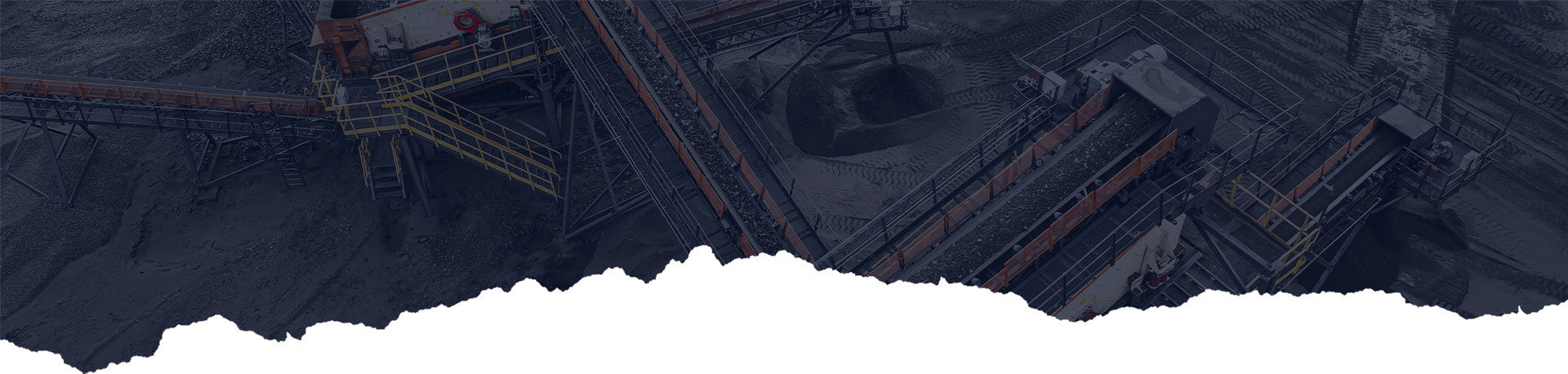
The efficiency of bulk material transport in heavy industrial sectors relies heavily on the stability and precision of the machinery involved. In high-capacity operations, a robust mining conveyor belt system is essential for ensuring that raw materials move from extraction points to processing plants without interruption, minimizing downtime and maximizing throughput.
Maintaining the alignment of the belt is one of the most significant challenges in these environments. When belts deviate from their intended path, it leads to increased wear, material spillage, and potential safety hazards, making the integration of specialized components like forward inclination offset carrying rollers critical for operational stability.
By implementing an optimized mining conveyor belt system, operators can significantly reduce energy consumption and maintenance costs while enhancing the overall lifespan of their conveyor infrastructure.
Global Relevance of Mining Conveyor Systems
On a global scale, the demand for minerals and raw materials continues to rise, pushing the mining industry toward higher capacities and more remote extraction sites. To meet these demands, the implementation of a high-performance mining conveyor belt system is no longer optional but a necessity for maintaining economic viability and operational safety in harsh terrains.
According to international industrial standards and reports from mining associations, inefficient material handling can account for up to 20% of total operational waste. The challenge lies in managing heavy loads over long distances while combating the abrasive nature of materials like ore, coal, and cement, which rapidly degrade standard equipment.
Understanding the Mining Conveyor Belt System
A mining conveyor belt system is a sophisticated assembly of belts, pulleys, rollers, and drive mechanisms designed to transport bulk materials continuously. Unlike simple conveyor setups, these systems are engineered to handle extreme weights, resist corrosion, and operate reliably in underground or open-pit environments where dust and moisture are prevalent.
At its core, this system is designed to bridge the gap between the excavation face and the processing plant. By automating the movement of materials, it replaces slower, more expensive hauling methods, thereby reducing the carbon footprint associated with heavy diesel truck transport and increasing the overall speed of the supply chain.
In the modern industrial context, these systems are integrated with advanced monitoring sensors and specialized carrying rollers to ensure that the belt remains centered, preventing costly edge damage and unplanned outages that can halt entire production lines.
Core Components for Enhanced Stability
To ensure a mining conveyor belt system operates at peak efficiency, the choice of supporting components is paramount. One of the most critical elements is the Forward Inclination Offset Carrying Roller, which is specifically engineered to address the common problem of belt misalignment.
The forward-inclined design of these rollers naturally guides the belt back toward the center, which is a vital function within a mining conveyor belt system to minimize material spillage. By combining this inclination with an offset structure, the system achieves better load distribution and significantly reduces damage to the belt edges.
Furthermore, the use of high-strength steel and anti-corrosion coatings ensures that these components can withstand the aggressive environments typical of a mining conveyor belt system. Precision bearings are utilized to lower friction, which not only saves energy but also ensures a smooth, reliable rotation under heavy loads.
Technical Performance Factors
The effectiveness of a mining conveyor belt system is measured by its ability to maintain belt tracking and minimize energy loss. Factors such as roller precision, material hardness, and the angle of inclination directly impact how much energy is required to move thousands of tons of material daily.
By utilizing forward-inclined offset rollers, operators can notice a tangible decrease in the frequency of manual belt adjustments. This technical optimization leads to a more stable flow of materials and a reduction in the "hunting" effect, where the belt oscillates from side to side.
Performance Comparison of Mining Conveyor Belt System Components
Global Applications and Industrial Use Cases
Mining conveyor belt systems are deployed across diverse geographical regions, from the iron ore mines of Australia and Brazil to the coal fields of North America and Asia. In these settings, the ability of the system to handle varying belt widths and high-speed transportation is crucial for maintaining production quotas.
Beyond traditional mining, these systems are widely used in cement plants, steel mills, and major shipping ports. In these environments, the Forward Inclination Offset Carrying Roller prevents material from spilling during the transition between different conveyor stages, ensuring a cleaner and safer workspace.
Long-Term Value and Operational Advantages
The long-term value of investing in high-quality components for a mining conveyor belt system lies in the reduction of Total Cost of Ownership (TCO). While precision-engineered rollers may have a higher initial cost, they drastically reduce the frequency of belt replacements and the labor costs associated with cleaning spillage.
From a safety perspective, a stable belt is a safe belt. By eliminating the need for operators to frequently enter the conveyor structure to manually adjust the tracking, the risk of workplace accidents is significantly lowered, fostering a culture of safety and reliability.
Furthermore, the energy efficiency gained from low-friction bearings and optimal belt centering translates into lower electricity costs and a smaller environmental footprint, aligning industrial growth with global sustainability goals.
Future Innovations in Conveyor Technology
The future of the mining conveyor belt system is moving toward full automation and "smart" monitoring. We are seeing the integration of IoT sensors into rollers to detect bearing failure before it occurs, allowing for predictive maintenance rather than reactive repairs.
Material science is also evolving, with new anti-corrosive coatings and composite materials being developed to further extend the service life of components in acidic or highly saline environments. These innovations ensure that conveyors can operate in even more extreme conditions.
Additionally, there is a growing trend toward integrating green energy sources to power these systems, combining high-efficiency mechanical components with renewable energy to create a truly sustainable material handling ecosystem.
Comparative Analysis of Conveyor Component Specifications
| Component Type | Material Durability | Alignment Effect | Maintenance Cycle |
|---|
| Standard Carrying Roller | Moderate | Neutral | Short |
| Inclined Roller | High | Centering | Medium |
| Offset Roller | High | Stability | Medium |
| Forward Inclination Offset | Very High | Active Correction | Long |
| Impact Bed Roller | Extreme | Shock Absorption | Medium |
| Heavy Duty Pulley | Extreme | Tension Control | Long |
FAQS
A forward inclination roller is designed to actively guide the belt back toward the center of the conveyor frame. By creating a gentle steering effect, it prevents the belt from drifting to the sides, which reduces edge wear and prevents materials from spilling over the sides of the system.
The offset structure provides superior support for the edges of the belt, ensuring that the load is distributed more evenly across the roller. This reduces localized stress on the belt fabric and prevents the belt from sagging or distorting under heavy loads in a mining conveyor belt system.
Yes, these rollers are manufactured from high-strength steel and treated with advanced anti-corrosion coatings. This makes them ideal for harsh environments, including salt mines, chemical plants, and coastal ports where moisture and corrosive agents are present.
Replacement cycles depend on the material being transported and the load. However, using precision-engineered components like forward inclination offset rollers typically extends the service life. Regular inspections for bearing noise or shell wear are recommended every 3-6 months.
Absolutely. By utilizing high-precision bearings and ensuring the belt is perfectly centered, the system minimizes frictional resistance. This allows the drive motors to operate more efficiently, reducing the overall electricity consumption of the mining conveyor belt system.
Yes, they are designed for wide compatibility. Whether you are operating a narrow underground belt or a massive overland conveyor, these rollers can be customized to fit various specifications and heavy-duty requirements.
Conclusion
Optimizing a mining conveyor belt system requires a holistic approach that combines high-strength materials with intelligent design. The integration of Forward Inclination Offset Carrying Rollers proves that small mechanical adjustments—such as adding a forward incline and offset support—can lead to massive gains in belt tracking, material containment, and overall system longevity. By focusing on these critical components, industrial operators can achieve a seamless flow of materials while drastically reducing operational waste.
As the industry moves toward smarter, more sustainable operations, the emphasis will continue to shift toward predictive maintenance and energy-efficient hardware. Investing in precision-engineered components today not only secures current production targets but also builds a resilient foundation for the future of bulk material handling. For more professional solutions, visit our website: www.jtconveyor.com.