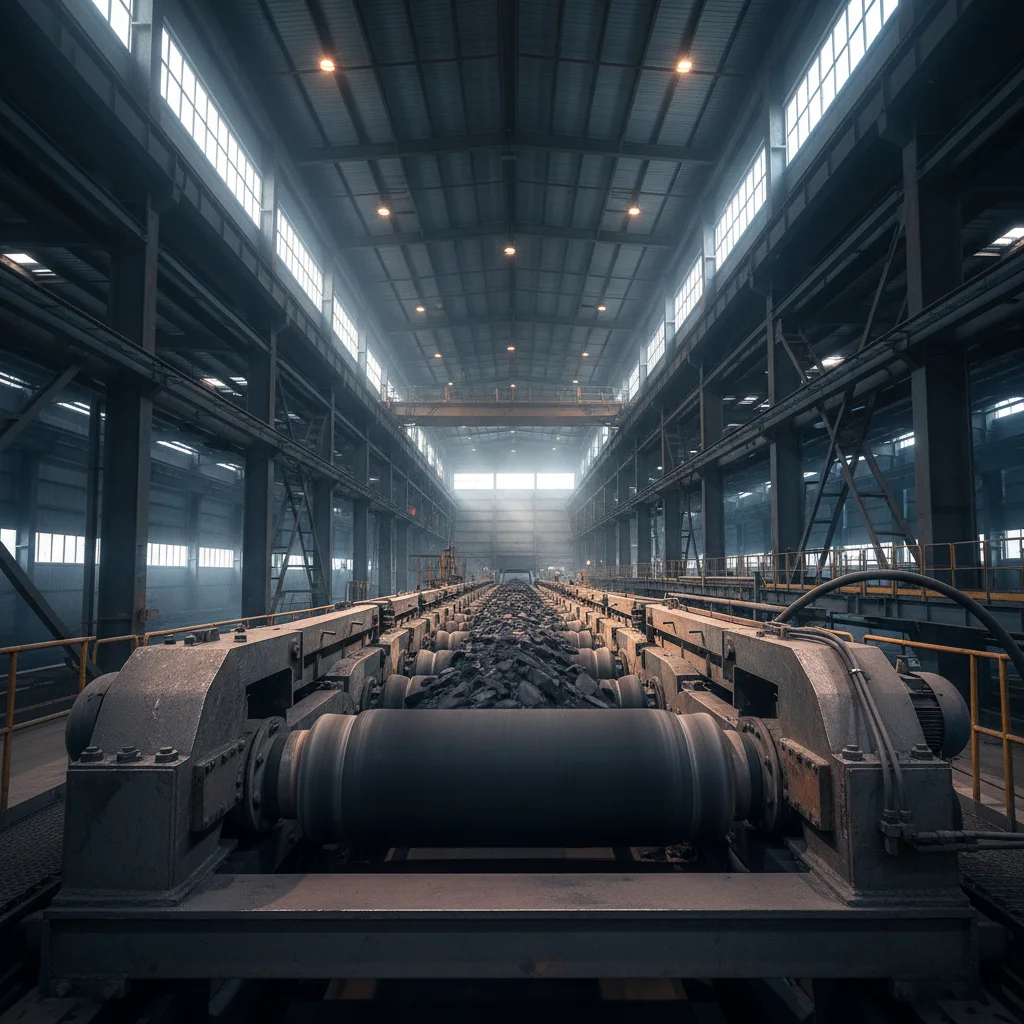
The global demand for efficient mineral extraction has pushed the boundaries of material handling, making the optimization of mining conveyor systems a top priority for operational success. As deposits become deeper and more remote, the ability to transport bulk materials across challenging terrains without loss or contamination is no longer just an advantage but a necessity for economic viability.
Modern industrial standards now demand a shift toward sustainable practices, focusing on reducing the carbon footprint and minimizing the environmental impact of dust and spillage. The integration of advanced engineering in bulk transport ensures that productivity remains high while adhering to stringent health and safety regulations globally.
By implementing high-performance mining conveyor systems, such as the enclosed tubular belt design, operators can achieve a seamless flow of materials that protects both the product and the environment.
Environmental Impact of Enclosed Systems
One of the most critical challenges in bulk material transport is the prevention of dust emission and material spillage. The Enclosed Tubular Belt Conveyor addresses this by utilizing a fully enclosed design that transforms the belt into a tube during operation, effectively sealing the material inside.
This innovation significantly reduces the environmental footprint of mining conveyor systems by eliminating leakage and preventing wind-blown dust. This makes it an ideal solution for sites requiring strict hygiene and environmental protection standards.
Versatility in Complex Layouts
Traditional conveying often requires massive land clearing and rigid straight lines, which can be prohibitively expensive in rugged terrains. The flexibility of tubular systems allows for seamless integration into existing infrastructures without requiring extensive modifications to the landscape.
These systems support a wide range of routing options, including horizontal, vertical, and multi-angle curved conveying. This adaptability allows operators to navigate narrow spaces and complex geographical obstacles that would normally stop a standard belt system.
By utilizing this flexibility, mining conveyor systems can be routed around buildings or over steep inclines, optimizing the layout for maximum throughput and minimum footprint.
Material Protection and Integrity
Material degradation is a common issue when transporting fragile or granular substances over long distances. When using standard open belts, the impact of materials falling or shifting can lead to product loss or quality reduction.
The tubular structure within modern mining conveyor systems provides a gentle handling environment. By reducing the impact and friction during the conveying process, the system protects the integrity of powdered and fragile materials.
This protective quality ensures that the end product reaches its destination in the same condition it was extracted, which is vital for high-value minerals or chemicals where purity and particle size are strictly monitored.
Operational Efficiency and Energy Savings
Energy consumption is a primary driver of operational cost in any mining facility. Optimizing the design of the conveyor to reduce friction and improve load distribution is essential for maintaining a competitive edge in the global market.
Enclosed tubular designs are engineered for high throughput over long distances with lower power requirements compared to older, inefficient models. This efficiency translates directly into reduced utility costs and a smaller operational carbon footprint.
Efficiency Ratings of Various Mining Conveyor Systems
Durability in Harsh Mining Conditions
The environment in a mine is inherently hostile, characterized by abrasive dust, corrosive chemicals, and extreme temperature fluctuations. To ensure a long service life, the components of mining conveyor systems must be constructed from high-strength, wear-resistant materials.
By utilizing corrosion-resistant alloys and reinforced belt fabrics, enclosed systems minimize the need for frequent replacements. This durability leads to lower maintenance costs and significantly reduces unplanned downtime, which can be incredibly costly in high-output mining operations.
Strategic Global Applications
From the copper mines of Chile to the coal fields of Australia, the application of enclosed tubular conveyors is expanding. These systems are particularly valuable in regions with strict environmental laws, where dust leakage can result in heavy fines or operational shutdowns.
Beyond mining, these systems are utilized in cement plants, power stations, and chemical engineering facilities. Any industry that handles bulk granular or powdered materials in a confined or environmentally sensitive area benefits from this technology.
In remote industrial zones, the ability of these mining conveyor systems to handle complex terrains makes them the preferred choice for connecting extraction points to processing plants without the need for massive road networks.
Technical Comparison of Conveying Methods
Choosing the right system requires a deep analysis of material properties, distance, and environmental constraints. While open belt conveyors are simple, they lack the protection and flexibility offered by the tubular design.
The enclosed system's ability to handle vertical and curved paths removes the need for multiple transfer points, which are typically the areas where the most material loss and wear occur.
When comparing long-term value, the initial investment in advanced mining conveyor systems is offset by the reduction in cleanup labor, energy costs, and material waste.
Technical Analysis of Bulk Material Conveying Methods
| System Type |
Environmental Seal |
Routing Flexibility |
Maintenance Cost |
| Tubular Enclosed |
Excellent (Full) |
High (Curved/Vertical) |
Low |
| Standard Trough |
Poor (Open) |
Low (Straight) |
Medium |
| Overland Belt |
Moderate (Partial) |
Medium |
Medium |
| Screw Conveyor |
Good (Enclosed) |
Low (Short Distance) |
High |
| Pneumatic System |
Excellent (Full) |
High (Piping) |
High |
| Mobile Conveyor |
Poor (Open) |
High (Adjustable) |
Medium |
FAQS
Enclosed tubular conveyors prevent material spillage and dust leakage, which is critical for environmental compliance and safety. Unlike open belts, they can also handle curved and vertical routes, reducing the need for transfer stations and minimizing material degradation.
Yes, the tubular structure reduces the impact and friction experienced by materials during transport. This gentle handling makes them ideal for powdered, granular, or fragile minerals that would otherwise break down or contaminate during transport.
By preventing spillage, there is far less material buildup around the rollers and pulleys, which reduces wear and tear. Additionally, the use of high-strength, corrosion-resistant materials extends the lifespan of the belt and structural components.
Absolutely. They are optimized for low power consumption and high throughput. By eliminating the need for multiple transfer points—each requiring its own motor and energy—the overall energy cost per ton of material moved is significantly lowered.
Yes, one of their primary advantages is routing flexibility. They can achieve horizontal, vertical, and multi-angle curved conveying, allowing them to fit into confined spaces where traditional straight conveyors would be impossible to install.
Cement plants, power plants, chemical engineering facilities, and grain processing plants all benefit from enclosed systems due to the need for dust control, environmental protection, and the safe handling of bulk powders.
Conclusion
The evolution of mining conveyor systems toward enclosed tubular designs represents a significant leap in industrial efficiency and environmental stewardship. By integrating superior sealing, routing flexibility, and material protection, these systems solve the most persistent problems of bulk transport—dust, spillage, and high operational costs.
As the industry moves toward a greener future, investing in high-durability, energy-efficient conveying solutions is the most effective way to ensure long-term profitability and regulatory compliance. For those looking to optimize their material handling, we invite you to explore our specialized solutions. Visit our website: www.jtconveyor.com