The global demand for efficient material handling has placed a significant spotlight on the role of professional conveyor system suppliers. In the complex ecosystem of industrial manufacturing, the ability to move bulk materials with precision and minimal waste is not just an operational advantage but a critical necessity for maintaining profitability and safety. From mining operations to massive cement plants, the quality of the equipment sourced from these suppliers determines the overall uptime of the production line.
Modern industrial challenges, such as increasing throughput requirements and the need for reduced energy consumption, have pushed the boundaries of conveyor technology. Companies are no longer looking for simple belts and rollers; they are seeking engineered solutions that address specific pain points like belt misalignment and material spillage. This shift has transformed the relationship between manufacturers and their equipment providers into a strategic partnership focused on long-term reliability.
When evaluating conveyor system suppliers, the emphasis has shifted toward precision-engineered components that can withstand the harshest environments. One such critical innovation is the Forward Inclination Offset Carrying Roller, a component designed to solve the perennial problem of belt tracking. By integrating advanced geometry and high-strength materials, these rollers ensure that the belt remains centered, thereby maximizing the efficiency of the entire transportation network.

The Strategic Role of Conveyor System Suppliers in Modern Industry
Reliable conveyor system suppliers serve as the backbone of bulk material logistics, providing the essential hardware that keeps the global supply chain moving. In sectors like mining and steel production, where thousands of tons of material are moved hourly, the failure of a single roller or a slight belt misalignment can lead to catastrophic downtime. Therefore, the selection of a supplier is not merely a procurement task but a risk management strategy.
By providing specialized components like the Forward Inclination Offset Carrying Roller, these suppliers help industries mitigate the risk of off-tracking. This specific engineering approach ensures that the belt is guided back toward the center, reducing the wear and tear on the belt edges and preventing costly material spillage. The synergy between high-grade materials and precision design allows operators to run their systems at higher speeds with greater confidence.
Defining Precision in Conveyor Component Engineering
In simple terms, conveyor system suppliers are the engineers and manufacturers who design, produce, and maintain the complex machinery used to transport materials across distances. While a basic conveyor may seem straightforward, the "precision" aspect involves calculating load distribution, frictional coefficients, and the environmental impact on metallurgy. A professional supplier ensures that every component, from the pulley to the carrying roller, works in harmony.
The connection between these suppliers and modern industry is profound. In an era of "Industry 4.0," the demand for components that require less maintenance and offer longer service lives has skyrocketed. For instance, using a forward-inclined design in carrying rollers is a direct response to the industrial need for autonomous belt centering, which reduces the need for manual intervention and improves overall site safety.
Ultimately, the goal of these suppliers is to maximize "Troughing" efficiency—the ability of the conveyor to hold material securely while moving it. By focusing on the offset structure of rollers, suppliers provide the necessary stability and support for heavy-duty loads, ensuring that the belt doesn't sag or shift, which is critical for maintaining high-speed throughput in ports and cement plants.
Core Technical Factors of Forward Inclination Rollers
When examining the offerings of top conveyor system suppliers, durability emerges as the first core factor. The Forward Inclination Offset Carrying Roller is manufactured from high-strength steel and treated with an anti-corrosion coating. This ensures that the component can withstand the abrasive nature of minerals and the corrosive atmosphere of chemical plants without premature failure.
The second critical aspect is the geometric design. Unlike standard rollers, the forward-inclined design effectively guides the conveyor belt back to the center. This inherent self-centering capability, provided by expert conveyor system suppliers, minimizes material spillage and protects the belt edges from damage, which significantly extends the lifespan of the belt itself.
Finally, operational efficiency is achieved through the use of high-precision bearings. These bearings reduce frictional resistance, which in turn lowers the energy consumption of the entire motor system. By reducing the "drag" on the belt, these precision components ensure a smooth and stable transportation process, allowing for higher load capacities without increasing the power draw.
Comparative Performance Analysis of Carrying Rollers
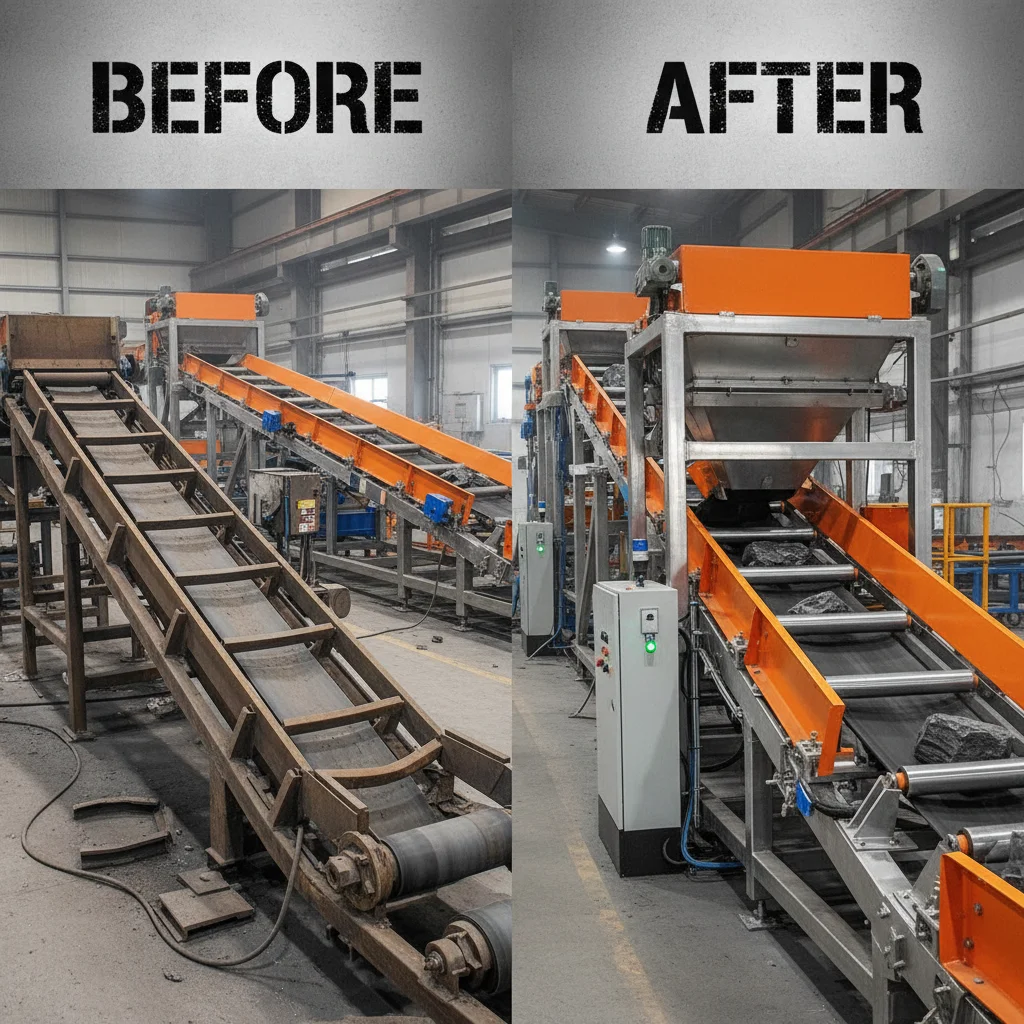
To understand the value provided by specialized conveyor system suppliers, one must compare the Forward Inclination Offset Carrying Roller against traditional carrying rollers. Standard rollers often struggle with belt drift, requiring frequent manual adjustments and resulting in significant material loss at the edges of the conveyor. In contrast, the inclined design proactively manages the belt's path.
The offset structure further enhances this performance by optimizing load distribution. This prevents the "bottoming out" effect often seen in overloaded systems, ensuring that the belt maintains its trough shape. This structural integrity is what separates a generic part from a precision-engineered solution designed for heavy-duty industrial applications.
Carrying Roller Performance Ratings by Supplier Type
Global Industrial Applications and Use Cases
The application of these specialized rollers spans multiple continents and industries. In the mining sectors of Australia and Brazil, where iron ore and coal are transported over massive distances, the use of forward-inclined rollers is essential to prevent belt drift across overland conveyors. Here, the reliability provided by conveyor system suppliers translates directly into millions of dollars in saved operational costs.
Similarly, in the cement and steel plants of Asia and Europe, the abrasive nature of the materials requires the high-strength steel and anti-corrosion coatings mentioned previously. In these environments, the offset structure of the rollers ensures that the belt can handle the heavy, dense loads of clinker or coke without sagging, maintaining a consistent flow of material to the furnaces and kilns.
Long-Term Value of High-Quality Conveyor Components
Investing in premium components from reputable conveyor system suppliers offers a dual advantage: immediate operational stability and long-term cost reduction. While the initial procurement cost of a Forward Inclination Offset Carrying Roller may be higher than a generic alternative, the Total Cost of Ownership (TCO) is significantly lower. This is due to the extended service life and the reduction in belt replacement frequency.
From a safety perspective, the value is even more pronounced. Material spillage is a major cause of workplace accidents and environmental contamination in industrial zones. By ensuring the belt stays centered and material remains contained, these rollers create a cleaner, safer working environment. This reduces the need for manual cleaning crews to enter hazardous areas, thereby enhancing overall site safety.
Furthermore, the energy efficiency gained from precision bearings contributes to the sustainability goals of modern enterprises. Lower friction means less strain on the drive motors, leading to a measurable reduction in electricity consumption over the years. In a world moving toward "Green Mining," these incremental efficiency gains are vital for regulatory compliance and corporate responsibility.
Future Innovations in Material Handling Technology
The future of the industry is leaning heavily toward "Smart Conveying." Top conveyor system suppliers are now integrating sensors into rollers to monitor vibration, temperature, and wear in real-time. This transition from reactive to predictive maintenance means that a roller can be replaced just before it fails, eliminating unplanned downtime and optimizing the maintenance schedule.
Another emerging trend is the use of advanced composite materials to replace steel in specific applications. While high-strength steel remains the standard for heavy-duty loads, new polymers are being developed to offer even greater corrosion resistance and lower weight, further reducing the energy required to rotate the conveyor system. This evolution continues to push the boundaries of what is possible in bulk material handling.
As automation increases, the integration of AI-driven belt tracking systems will complement the physical guidance provided by forward-inclined rollers. The combination of mechanical centering and digital monitoring will create a near-perfect transport environment, virtually eliminating spillage and belt damage across the most demanding industrial landscapes.
Comparison of Carrying Roller Specifications and Impact
| Roller Type |
Centering Ability |
Wear Resistance |
Energy Efficiency |
| Standard Carrying Roller |
Low (Passive) |
Moderate |
Standard |
| Forward Inclined Roller |
High (Active) |
High |
Enhanced |
| Offset Support Roller |
Moderate |
Very High |
Standard |
| Inclined Offset Hybrid |
Excellent |
Excellent |
Maximum |
| Polymer Coated Roller |
Moderate |
Excellent (Corrosion) |
High |
| Heavy Duty Steel Roller |
Low |
Maximum (Load) |
Moderate |
FAQS
The forward-inclined design creates a subtle geometric force that naturally guides the conveyor belt back toward the center of the system. Unlike static rollers, the angle allows the belt to slide slightly across the roller surface until it reaches the center point, effectively correcting deviation and preventing the belt from drifting toward the edges.
The offset structure provides enhanced stability and support for the edges of the conveyor belt. By optimizing the load distribution, it prevents the belt from sagging under heavy loads, which reduces edge damage and ensures that materials stay within the belt's trough, significantly reducing spillage.
They are most effective in heavy-duty industries such as mining, quarrying, cement production, and steel manufacturing. These sectors deal with abrasive materials and high-speed transportation where belt alignment and durability are critical to maintaining production targets.
Yes, professional conveyor system suppliers treat these rollers with high-quality anti-corrosion coatings and use high-strength steel. This makes them suitable for use in ports, chemical plants, and other environments where moisture and chemicals would otherwise lead to rapid oxidation and failure.
Precision bearings are engineered to have extremely low frictional resistance. Because the rollers rotate more freely, the motor requires less torque and power to move the belt and its load. Over a large-scale system with hundreds of rollers, this reduction in friction leads to significant energy savings.
While high-quality rollers last longer, a monthly visual inspection is recommended to check for belt tracking and audible signs of bearing wear. For critical high-speed systems, utilizing a supplier that offers smart monitoring sensors can allow for real-time condition tracking.
Conclusion
The optimization of bulk material handling relies heavily on the quality of components sourced from experienced conveyor system suppliers. By implementing specialized solutions like the Forward Inclination Offset Carrying Roller, industries can effectively solve the challenges of belt deviation, material spillage, and excessive energy consumption. The integration of high-strength materials, precision bearings, and strategic geometry ensures that conveyor systems operate at peak efficiency with minimal downtime.
Looking forward, the shift toward predictive maintenance and smart components will further revolutionize how we approach material logistics. For operators seeking to enhance their operational reliability and safety, investing in precision-engineered hardware is the most effective path to long-term success. To explore these high-performance solutions further, we invite you to visit our website: www.jtconveyor.com.