Jun. 29, 2026
In the modern manufacturing landscape, the ability to move bulk materials efficiently while adapting to complex facility layouts is a critical competitive advantage. A flexible conveyor system, particularly the Enclosed Tubular Belt Conveyor, offers an innovative solution for clean, efficient, and environmentally friendly transport. By eliminating material spillage and dust emissions, these systems ensure that industries maintain high hygiene standards and strict environmental compliance. Whether dealing with fragile granules or heavy powders, selecting the right conveying technology can drastically reduce product degradation and operational downtime. In this guide, we explore how the tubular design revolutionizes material flow across challenging terrains.

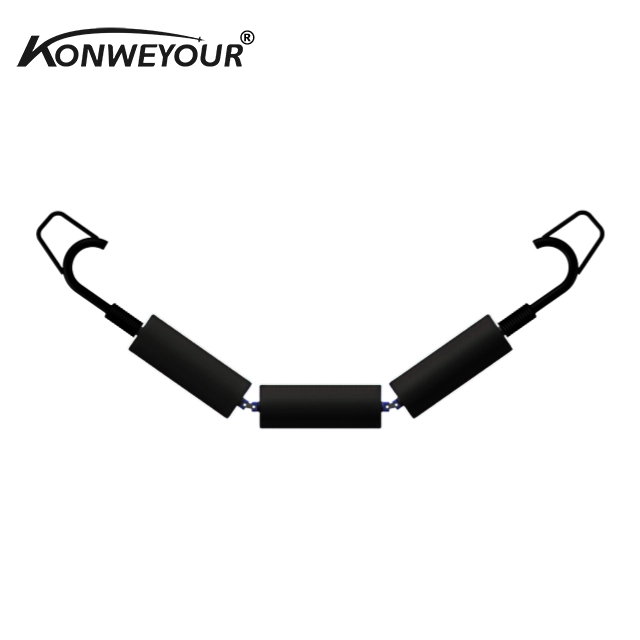
The core innovation of this flexible conveyor system lies in its ability to form a complete tube during operation. Unlike traditional open-trough belts, the enclosed structure acts as a sealed pipe, which is paramount for transporting materials that are sensitive to external contamination or those that generate significant dust. This design not only protects the environment from pollutants but also protects the material from moisture and wind, ensuring that the purity of the product is maintained from the loading point to the discharge outlet. This makes it a superior choice for chemical and food processing plants.
Design Advantage: The fully enclosed tubular structure prevents 100% of material spillage and dust leakage, making it the most eco-friendly option for bulk handling in restricted industrial zones.
One of the most significant challenges in plant design is navigating around existing infrastructure. A flexible conveyor system solves this by supporting horizontal, vertical, and multi-angle curved conveying. This adaptability allows engineers to design routes that utilize narrow spaces and cross complex terrains without the need for multiple transfer points, which are often the primary source of material loss and mechanical wear. By reducing the number of transfers, the overall efficiency of the production line is significantly enhanced.

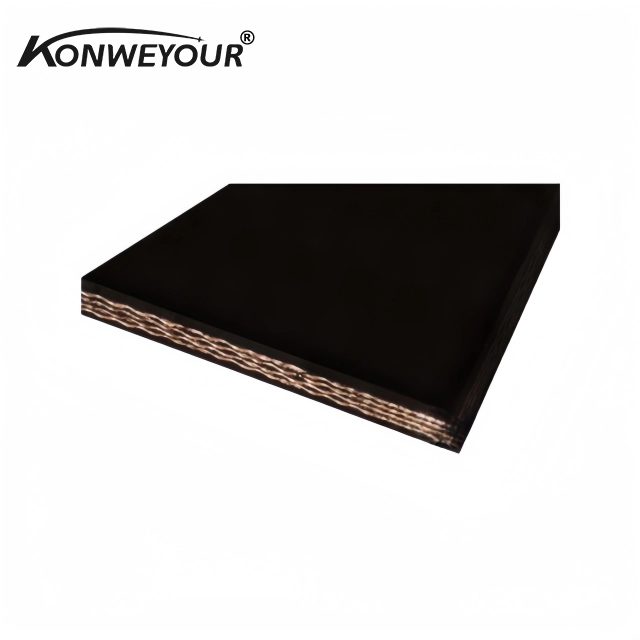
When evaluating the return on investment, it is essential to compare the tubular system against standard conveyor belts. Traditional systems often require expensive cladding or covers to prevent dust, and they are limited to straight lines or simple curves. In contrast, the flexible conveyor system integrates the cover into the belt itself. This leads to lower maintenance costs and a smaller footprint within the facility. The reduction in material degradation is another key factor, as the tubular flow is gentler on fragile materials.
Sustainability in manufacturing is no longer optional. The optimized design of the flexible conveyor system focuses on low power consumption combined with high throughput. By minimizing friction and optimizing the belt's tubular trajectory, the system can transport large capacities over long distances with significantly less energy than traditional pneumatic or screw conveying systems. This efficiency directly translates to lower operational costs and a reduced carbon footprint for the plant.
Performance Highlights:
• High-strength materials for wear and corrosion resistance
• Reduced maintenance cycles due to enclosed components
• Optimized for long-distance, large-capacity transport
The versatility of the Enclosed Tubular Belt Conveyor allows it to serve a myriad of industries. In mining and cement plants, it handles abrasive materials without polluting the surrounding air. In agriculture and food processing, it ensures that grains and powders are moved without contamination from external pests or dust. Even in power plants and chemical engineering, where safety and environmental regulations are stringent, this flexible conveyor system provides a secure way to handle volatile or hazardous bulk materials.
Long-term operational reliability is achieved through the use of high-strength, wear-resistant materials. The flexible conveyor system is designed to withstand corrosive environments, which is essential for chemical and mining applications. Because the belt is enclosed, the internal rollers and drive components are shielded from external debris, which significantly reduces the frequency of mechanical failures. This leads to lower maintenance costs and ensures that the production line remains active for longer periods without unscheduled stops.
The transition to a flexible conveyor system represents a strategic upgrade for any facility prioritizing efficiency, environmental protection, and material integrity. By combining the versatility of curved routing with the security of a fully enclosed tubular design, businesses can optimize their layouts and reduce waste. Whether you are upgrading an existing line or designing a new plant, the Enclosed Tubular Belt Conveyor provides a durable, energy-efficient, and scalable solution for the modern industrial era.
The enclosed tubular system is specifically engineered to handle three-dimensional routing. By utilizing a specialized belt that maintains its tubular shape even during incline and vertical shifts, the system prevents material backflow and ensures a steady stream of bulk materials to higher elevations. This eliminates the need for multiple separate conveyor sections and transfer towers, greatly simplifying the facility layout and reducing the total energy required for vertical lifting.
Yes, it is highly recommended for fragile materials. In a traditional belt, materials often tumble or slide, leading to breakage. In our tubular flexible conveyor system, the material is gently cradled within the tube. This reduces the impact and friction during transport, making it ideal for granular, powdered, or delicate items that would otherwise suffer degradation during a standard conveying process.
Many industries face strict regulations regarding air quality and dust emissions. The enclosed tubular design prevents particles from escaping into the atmosphere, essentially acting as a sealed transport pipeline. This prevents the need for expensive external dust collection systems and ensures the workplace remains clean and safe for employees. By eliminating spillage, it also removes the need for manual cleanup and prevents raw material waste, helping companies meet ISO and environmental standards.
Compared to open systems, tubular conveyors generally require less frequent maintenance. Since the drive components and the belt are protected from external contamination, wear and tear are significantly reduced. Most maintenance involves periodic inspection of the belt tension and lubrication of the drive motors. Because the system is designed for high durability with corrosion-resistant materials, the lifespan is extended, and the total cost of ownership is lowered over the long term.
Apr 22,26
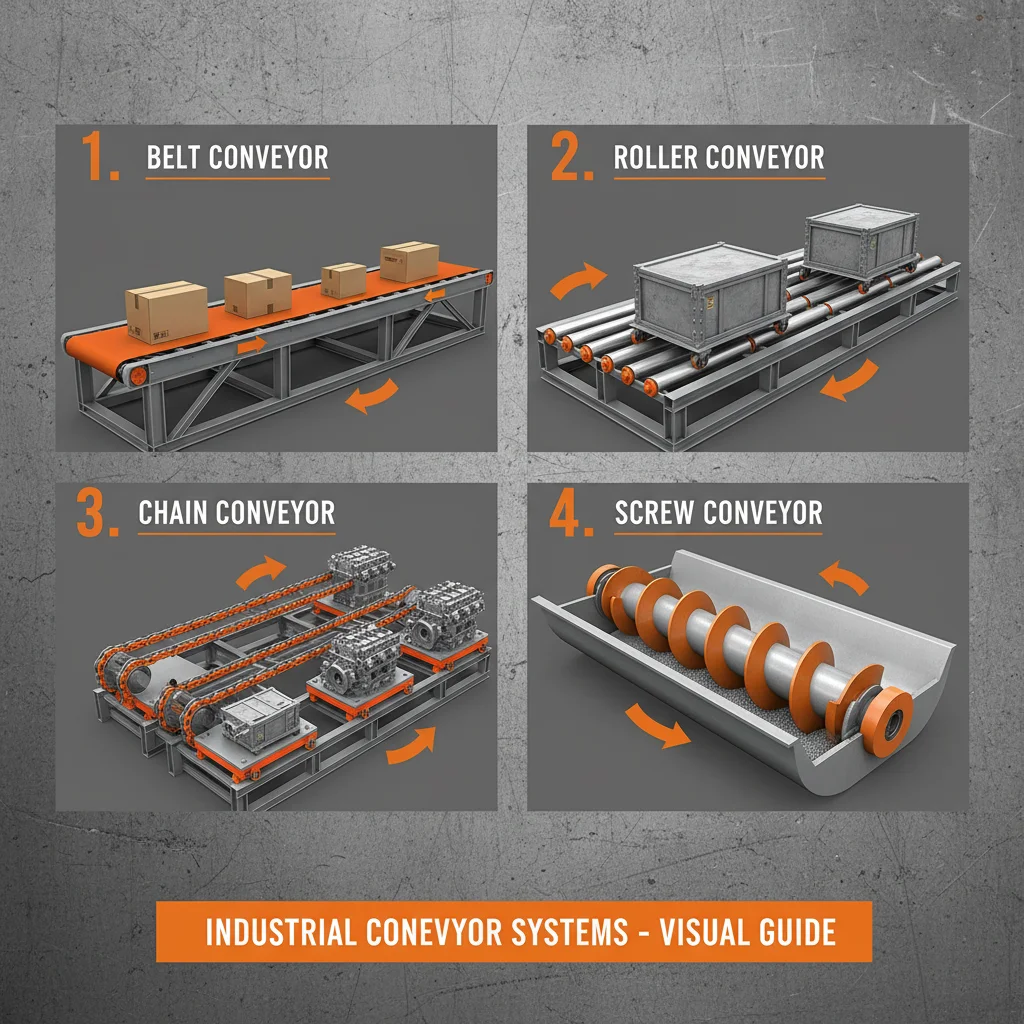
Understanding Different Types of Conveyor System for Industry
Mar 11,26
Optimizing Manufacturing Processes with Advanced Factory Conveyor Systems

Jul 01,26
Optimizing Industrial Logistics with conveyor transfer systems
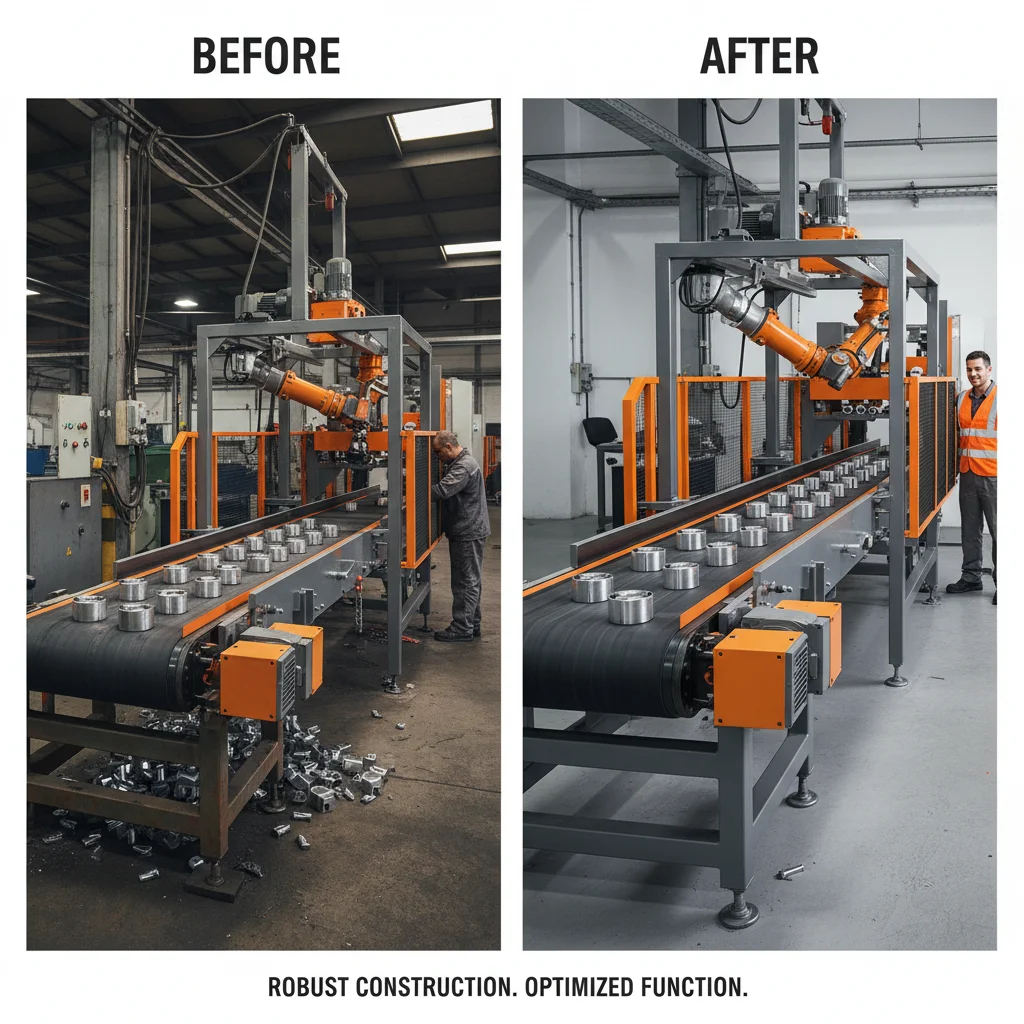
Mar 06,26
Optimizing Factory Efficiency with Advanced Conveyor Belt Systems
Apr 04,26
Comprehensive Guide to Conveyor Rollers and Idlers for Efficient Material Handling

Oct 28,26
Top Engineering Guide for Mining Conveyor Manufacturers
SUBSCRIBE NEWSLETTER