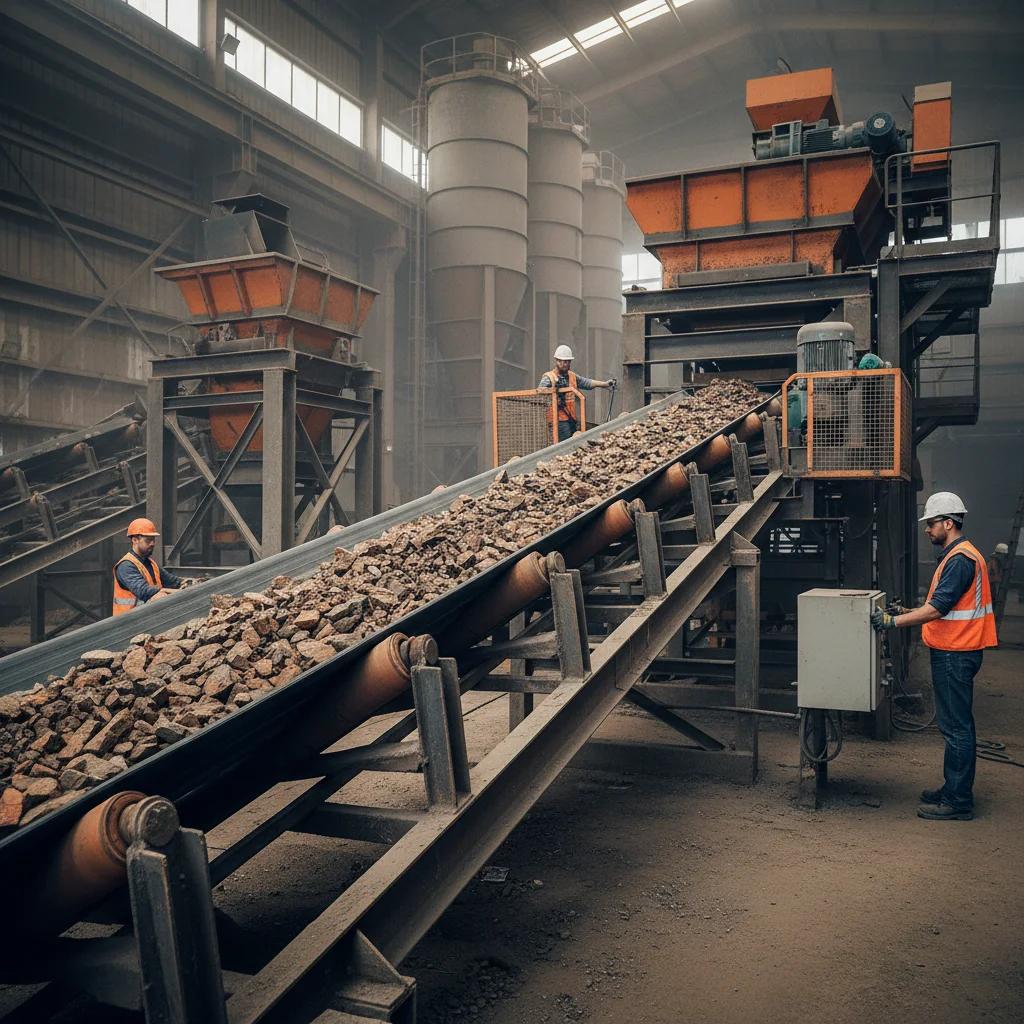
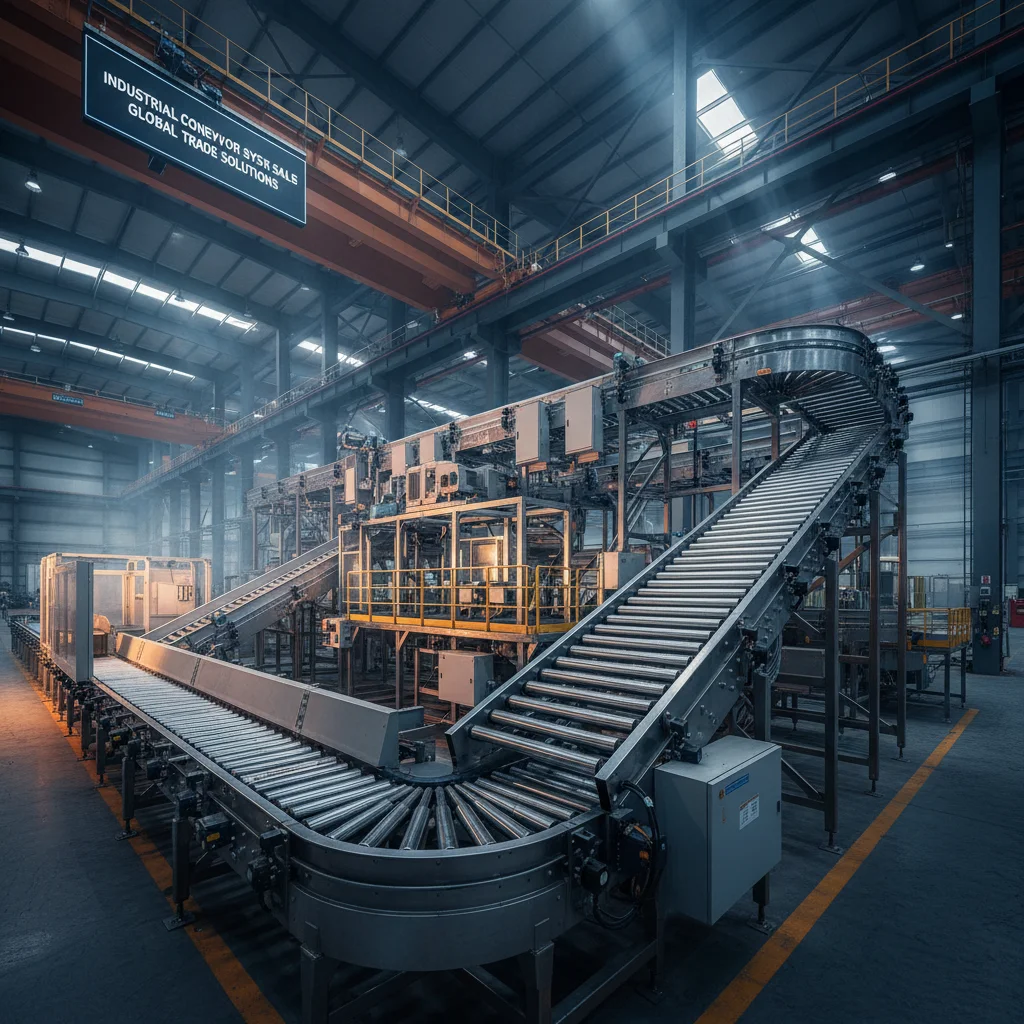
Managing the movement of high-volume raw materials requires more than just a basic belt; it demands a synchronized bulk conveyor system capable of withstanding extreme mechanical stress and environmental volatility. Whether transporting abrasive ores in a mine or cement in a processing plant, the efficiency of the entire production chain depends on the reliability of the continuous conveying equipment.
The challenge for industrial operators often lies in the balance between throughput volume and equipment longevity. Standard systems frequently succumb to premature wear or catastrophic failure when exposed to sub-zero temperatures or highly abrasive loads, leading to costly unscheduled downtime.
By analyzing the technical intersection of material science and structural engineering, companies can transition from reactive maintenance to a strategic operational model. This exploration focuses on how specialized components and cold-resistant materials optimize the lifecycle of bulk material handling systems.

Addressing Operational Bottlenecks in Bulk Material Handling

Most industrial bottlenecks in bulk transport occur not during peak flow, but during the failure of a single critical component. In extreme environments, the primary culprit is often the belt material itself, which can harden and crack in temperatures below -20°C, effectively halting the entire supply chain.
The transition to a high-reliability system requires a deep understanding of the interaction between the belt carcass, the rubber compound, and the supporting components like rollers and pulleys. When these elements are misaligned or underspecified for the climate, the resulting friction increases energy consumption and accelerates wear.
To mitigate these risks, the industry is shifting toward integrated solutions that combine high-tensile carcasses with specialized rubber formulas. This approach ensures that the conveyor remains flexible and structurally sound, regardless of the external thermal fluctuations.
Technical Determinants of High-Performance Conveying Systems
The core of a durable bulk conveyor lies in its material composition. For instance, the use of Nylon-Nylon (NN) fabric carcasses provides a superior strength-to-weight ratio compared to traditional polyester, offering better shock absorption and resistance to stretching under heavy loads.
Beyond the carcass, the rubber compound must be engineered for specific environmental stressors. Cold-resistant formulas allow operation down to -40°C without the risk of brittleness. This is critical for polar mining or cold storage facilities where standard rubber becomes as fragile as glass.
Complementary components such as impact beds and belt cleaners further extend the system's life. By reducing the impact force at loading points and preventing material carry-back, these components protect the primary belt investment from premature abrasion.
Critical Application Scenarios for Heavy-Duty Conveyors
Mining operations in arctic or high-altitude regions represent the most demanding scenario for conveyor technology. In these zones, the ability of the belt to maintain adhesion to the pulley in freezing conditions is the difference between continuous operation and a complete site shutdown.
Port operations and coastal terminals face a dual challenge: extreme cold and saline corrosion. Here, the integration of wear-resistant covers and corrosion-resistant rollers is essential to maintain structural integrity against the abrasive nature of bulk minerals and the corrosive sea air.
Additionally, cement plants and power stations utilize these systems for the long-distance transport of clinker and coal. The use of overland belt conveyors allows for efficient movement across vast distances, reducing the need for multiple transfer points which are often the primary sources of material loss and dust emission.
Quantitative Analysis of System Reliability and Uptime
Comparing standard rubber belts with cold-resistant NN belts reveals a stark difference in operational uptime during winter months. While standard belts often experience intermittent failure due to cracking, specialized materials maintain a stable performance curve.
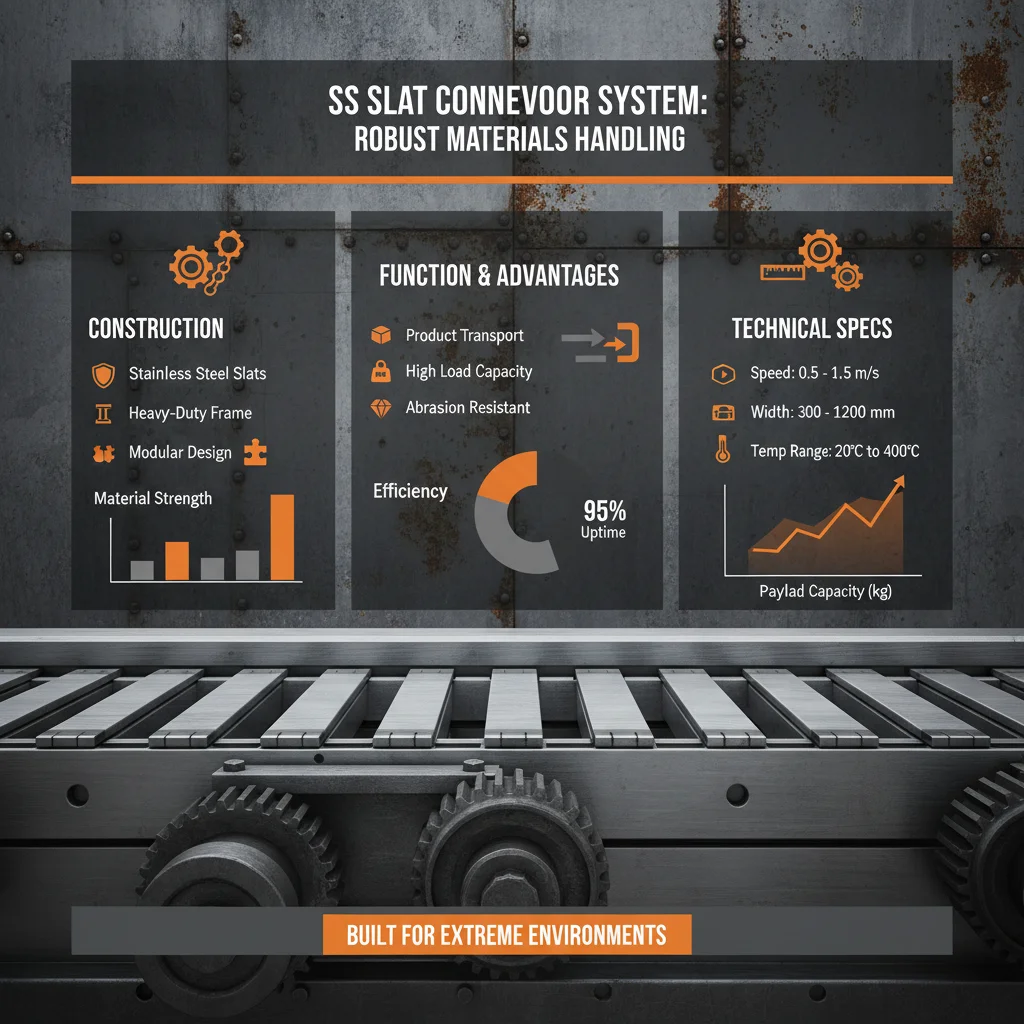
The following data illustrates the relative performance of specialized bulk conveyor systems against industry benchmarks in challenging environments, focusing on flexibility, wear resistance, and operational stability.
bulk conveyor Performance Metrics
As indicated, the reduction in cracking risk and the maintenance of elasticity at -40°C significantly boost the overall equipment effectiveness (OEE), ensuring that throughput remains consistent even during the harshest seasonal shifts.
Strategic Procurement and Implementation Frameworks
Procuring a bulk conveying solution is not merely about selecting a belt width; it is about defining the technical boundary of the entire ecosystem. Engineers must evaluate the total cost of ownership (TCO) rather than the initial purchase price.
A robust implementation framework begins with a precise climate audit. If the operating environment drops below -20°C, the specification must mandate a cold-resistant rubber compound. Failure to do so results in a replacement cycle that can be three times shorter than that of a specialized belt.
Furthermore, quality assurance certifications such as ISO9001, CE, and SGS provide a baseline for trust. Verifying the tensile strength and elasticity of the rubber before dispatch ensures that the equipment will perform as promised under heavy-load, long-distance hauling conditions.
Evolution of Energy-Efficient Conveying Technologies
The future of bulk material handling is moving toward "intelligent conveying." This involves the integration of wear monitoring sensors and automated tension adjustment systems that react in real-time to temperature fluctuations.
New materials, such as reinforced corrugated sidewalls, are allowing for steeper incline transport, which reduces the overall footprint of the conveyor system and minimizes the energy required for material lifting. These innovations are likely to reduce the overall carbon footprint of mining and industrial logistics.
Moreover, the development of energy-efficient rollers with lower rolling resistance is expected to decrease power consumption. When paired with a high-performance NN belt that minimizes slippage, the cumulative energy savings can be substantial for large-scale operations.
Comparative Selection Guide for Industrial Conveyor Solutions
Selecting the right system depends on matching the technical specifications to the material characteristics and environmental stressors. A one-size-fits-all approach often leads to systemic inefficiency.
The table below compares different technical approaches to bulk conveying based on operating conditions and performance requirements to help procurement officers make informed decisions.
| Solution Type | Primary Environment | Technical Advantage | Maintenance Focus |
|---|---|---|---|
| Cold-Resistant NN Belt | Polar / Cold Storage | Flexibility to -40°C | Elasticity Monitoring |
| Overland Conveyor | Long-Distance Mine | Reduced Transfer Points | Tension Calibration |
| Tubular Belt | Environmental Sensitive | Zero Material Spillage | Seal Integrity |
| Corrugated Sidewall | High-Angle Transport | Vertical Space Efficiency | Sidewall Wear |
| Standard Rubber Belt | Temperate Industrial | Low Initial Cost | Frequent Winter Checks |
| Underground Belt | Subterranean Mining | Fire Resistance / High Strength | Safety Certification |
Ultimately, the choice should be driven by the most restrictive variable in the process—be it temperature, material abrasiveness, or transport distance. Users can review detailed product specifications and company capabilities through www.jtconveyor.com.
Frequently Asked Questions
Conclusion
The reliability of a bulk conveyor system in challenging environments is not a product of chance, but of precise material engineering. Transitioning to cold-resistant NN rubber belts and integrating supporting components like impact beds ensures that industrial throughput remains stable regardless of the climate.
For companies operating in mining, ports, or cement plants, the investment in high-performance conveying equipment translates directly into reduced downtime and optimized ROI. To explore customized solutions that meet strict technical specifications like CEMA or DIN, professionals are encouraged to visit www.jtconveyor.com.