
Efficient bulk material handling in subterranean environments requires more than just raw power; it demands structural adaptability. When evaluating conveyor products for underground mining or tunneling, the primary challenge is often the dynamic nature of the excavation face, where fixed equipment quickly becomes an obstacle rather than an asset.
The shift toward telescopic systems represents a critical evolution in material logistics. By allowing the transport mechanism to extend and retract in real-time, operators can maintain a continuous flow of debris or minerals without the costly downtime associated with frequent equipment relocation.
This analysis examines the technical architecture and operational ROI of adjustable telescopic underground conveyors, providing a framework for engineers and procurement managers to optimize throughput in confined, high-corrosion subterranean sites.

The Structural Logic of Telescopic Underground Conveyors

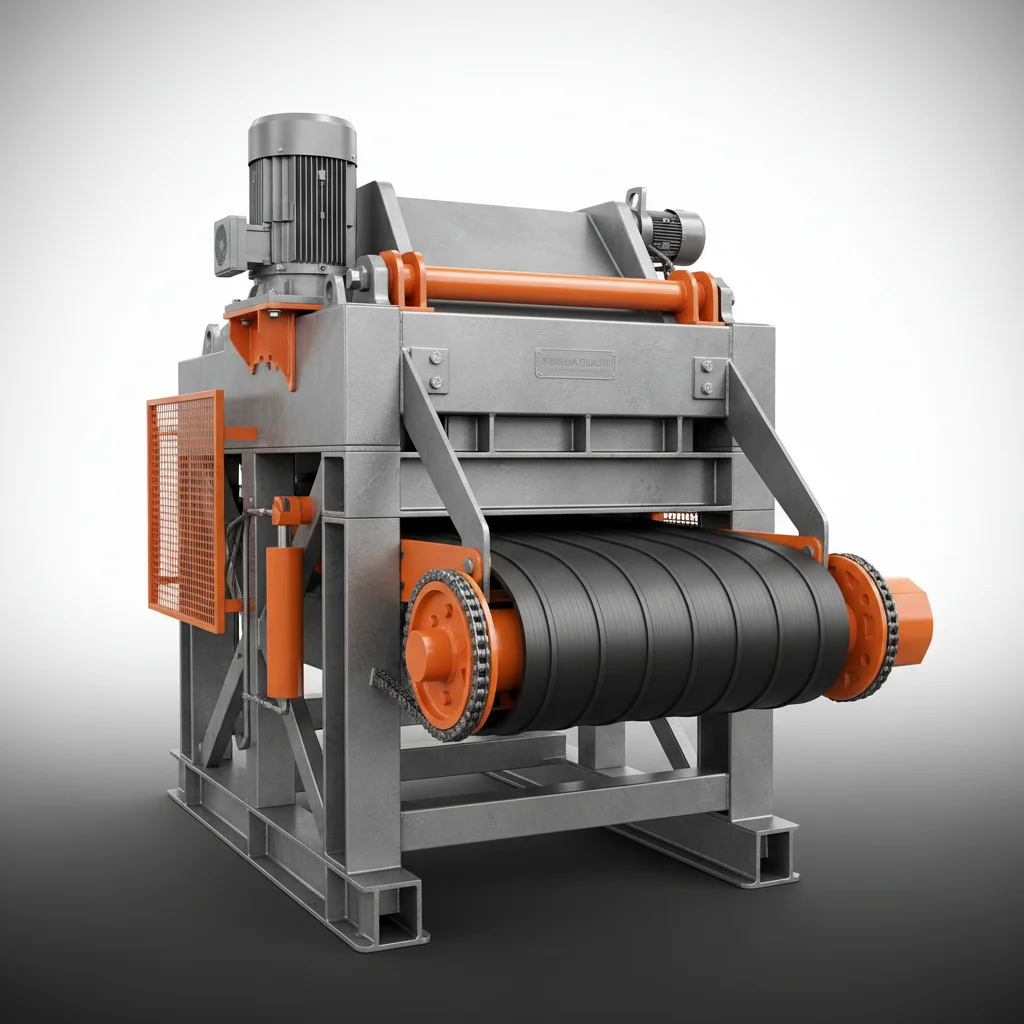
Unlike traditional rigid belts, the adjustable telescopic underground conveyor is engineered with a precision sliding structure. This allows the system to change its length dynamically, ensuring that the discharge or loading point remains optimized relative to the active excavation face.
From a material science perspective, these systems utilize high-strength alloy steel to combat the extreme compressive forces and abrasive particles found in mining environments. The integration of smooth rollers and heavy-duty belts ensures that the telescopic movement does not compromise the belt's tension or tracking stability.
This design philosophy addresses the "last mile" problem of underground transport: the gap between the main haulage line and the moving work face. By eliminating the need for manual shoveling or frequent machine shifts, the system maximizes the utility of limited tunnel space.
Core Technical Advantages for Subterranean Logistics
The primary value of a telescopic system lies in its operational flexibility. In subterranean construction, where tunnel dimensions vary and space is at a premium, a compact footprint is not just a preference—it is a safety requirement to prevent congestion and accidental collisions.
Durability is further enhanced through specialized corrosion-resistant coatings. Given the high humidity and chemical volatility of underground water, standard steel would degrade rapidly. High-strength alloys ensure long-term stability and reduce the frequency of unplanned structural failures.
Furthermore, the integration of an automated tensioning mechanism prevents the belt from slipping during extension or retraction, maintaining a constant flow rate regardless of the current length of the conveyor.
Critical Application Scenarios in Mining and Tunneling
In deep-shaft mining, the transition from the excavation face to the primary transport hub is often the most inefficient link. Telescopic conveyors bridge this gap by extending directly into the muck pile, allowing for continuous removal of blasted rock.
Tunnel Boring Machine (TBM) support systems also benefit from this technology. As the TBM advances, the accompanying conveyor must adapt to the newly created void. An adjustable system allows for seamless integration with the rest of the material handling chain without pausing the boring process.
Subterranean urban construction, such as subway extensions, utilizes these conveyors to remove spoil from confined pits where heavy machinery cannot easily maneuver. The ability to retract the system allows other utility installations to proceed in the same corridor without removing the conveyor entirely.
Measuring Operational Efficiency and Throughput Gains
When comparing telescopic systems to traditional fixed-length setups, the most significant gains are seen in "Effective Operating Time." Fixed systems require periodic disassembly and repositioning, creating dead zones in the production cycle.
The efficiency increase is particularly evident in labor reduction and safety metrics. By automating the extension process, the need for workers to manually move materials in high-risk zones is virtually eliminated, lowering the probability of workplace accidents.
conveyor products Performance Metrics
As indicated by the data, the reduction in setup time and the optimization of space utilization contribute to a faster return on investment (ROI) compared to traditional conveyor products used in similar subterranean environments.
Procurement Framework for High-Strength Conveying Systems
Selecting the right subterranean transport system requires a strict evaluation of material grades and compliance with international standards. Procurement managers should prioritize equipment that meets CEMA or DIN specifications to ensure compatibility with other conveyor components like rollers and pulleys.
Key evaluation factors include the alloy's resistance to the specific pH levels of the site's groundwater and the flexibility of the telescopic mechanism. A system that is too rigid may fail under uneven ground loading, while one that is too flexible may suffer from belt misalignment.
Maintenance schedules should be a primary consideration. Systems with a "Low-Maintenance Design," featuring self-lubricating rollers and accessible tensioning points, significantly reduce the operational burden on underground technical teams.
Future Directions in Intelligent Material Transport
The integration of real-time monitoring is the next frontier for underground conveying. Future iterations are likely to include sensors that automatically adjust the telescopic length based on the position of the excavation face, further reducing human intervention.
Energy efficiency is also becoming a focal point. The adoption of variable frequency drives (VFDs) could allow these conveyors to adjust their power consumption based on the current material load and extension length, potentially lowering the overall energy footprint of the mining operation.
Furthermore, the development of smarter "Safety Alert" systems, which can instantly notify operators of anomalies in belt tension or structural vibration, will likely enhance site safety and move the industry closer to fully autonomous material logistics.
Comparative Analysis of Fixed versus Adjustable Systems
To determine the most viable solution, it is essential to weigh the versatility of telescopic systems against the simplicity of fixed conveyors. While fixed systems may have a lower initial cost, their lack of adaptability often leads to higher long-term labor expenses.
The following matrix provides a technical comparison based on typical subterranean operating conditions, highlighting where the adjustable approach provides a clear competitive edge.
| Metric | Fixed Conveyor | Telescopic Conveyor | Operational Impact |
|---|---|---|---|
| Installation Speed | Slow / Manual | Rapid / Adjustable | Reduces Initial Downtime |
| Space Utility | High Footprint | Optimized Compact | Prevents Tunnel Congestion |
| Labor Intensity | High Manual Shift | Low Automated Flow | Lowers OpEx Costs |
| Versatility | Single Length | Highly Flexible | Fits Diverse Tunnel Sizes |
| Maintenance | Low Complexity | Moderate (Sliding Parts) | Requires Quarterly Lube |
| ROI Recovery | Moderate/Slow | Fast / High | Increased Tonnage/Hour |
Ultimately, for projects involving active excavation and variable tunnel geometry, the adjustable telescopic underground conveyor is the superior technical choice, ensuring that the material handling process evolves in sync with the project's progress.
Frequently Asked Questions
Conclusion
The transition toward adjustable, high-performance telescopic systems is a logical step for the mining and tunneling industries. By solving the conflict between static infrastructure and dynamic excavation, these conveyors enable a more fluid, safe, and cost-effective transport ecosystem.
Engineers and project managers looking to optimize their subterranean material flow can review relevant product specifications and company capabilities available through www.jtconveyor.com to find a solution tailored to their specific site constraints.