
Optimizing the movement of raw materials and finished goods through high-performance factory conveyors is essential for maintaining throughput in the modern continuous conveying equipment manufacturing sector. These systems serve as the circulatory system of a production plant, where any bottleneck or mechanical failure can lead to significant operational losses and decreased efficiency across the entire supply chain.
The primary challenge for plant managers is balancing high load capacities with minimal maintenance downtime, particularly when dealing with abrasive bulk materials that cause premature wear on rollers and pulleys. Finding a solution that reduces material carryback and ensures precise belt tracking is critical to avoiding costly unplanned stoppages and ensuring worker safety.
This analysis provides a comprehensive framework for evaluating conveyor system components, focusing on technical specifications, application-specific configurations, and strategic selection criteria to help engineers and procurement officers maximize their return on investment in material handling infrastructure.

Core Components of Industrial Conveying Systems

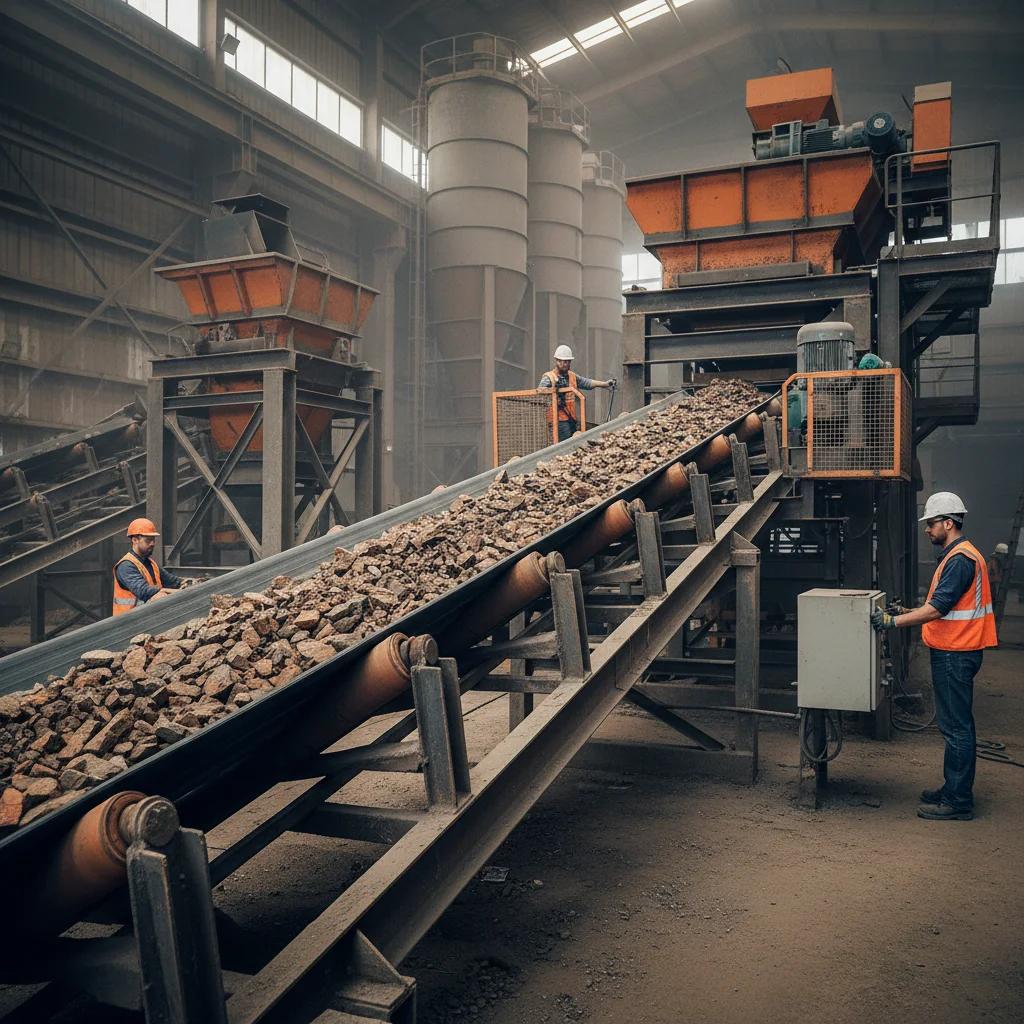
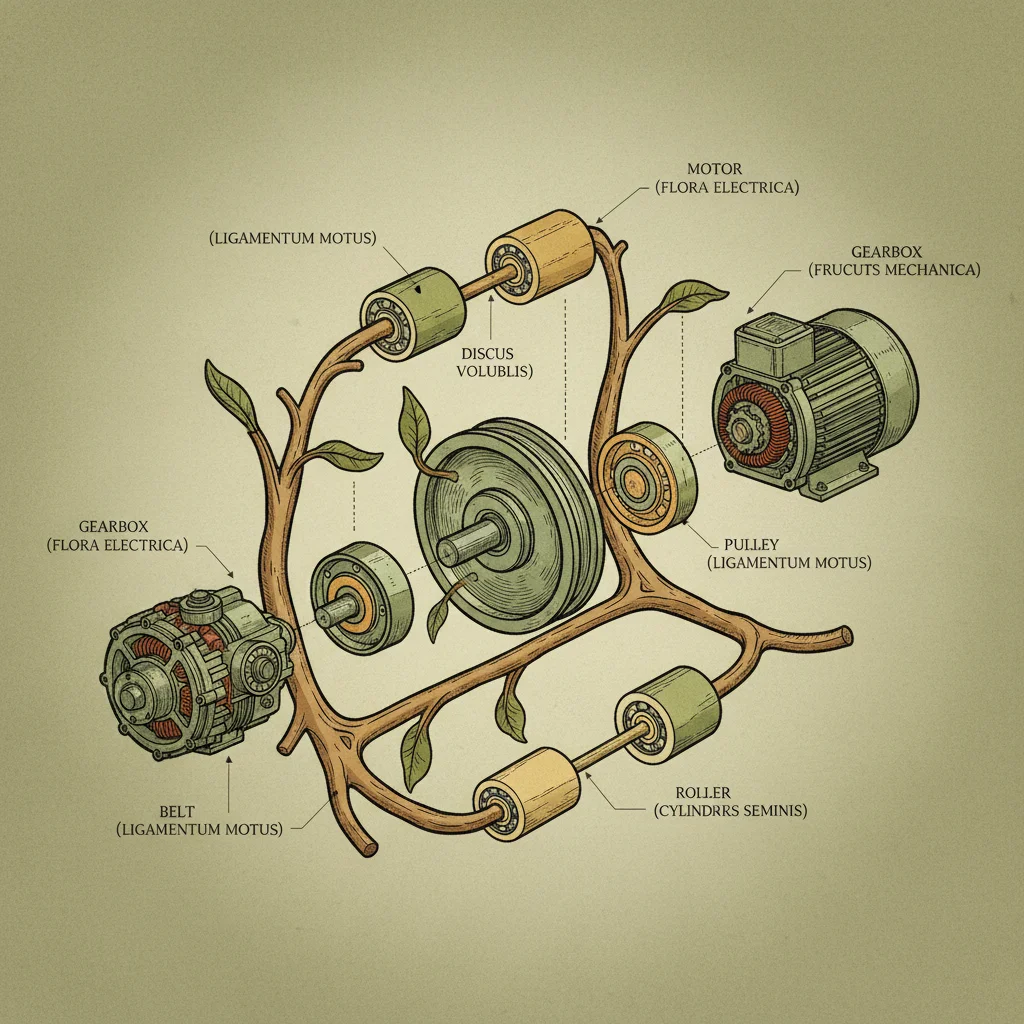
A robust factory conveyors setup relies on the seamless integration of several critical components. The system typically comprises the conveyor belt, which acts as the primary transport medium; conveyor rollers and idlers, which support the belt and the load; and conveyor pulleys, which drive the belt and manage tension. Each component must be synchronized to ensure the material flows without interruption or deviation.
For specialized environments, additional elements like impact beds are utilized at loading points to protect the belt from shock loads, while belt cleaners are installed to remove residual materials. Hebei Juntong Machinery Manufacturing Co., Ltd. integrates these components into comprehensive solutions, ensuring that specifications meet global standards such as CEMA, DIN, and JIS to provide reliability in demanding industrial settings.
Solving the Material Buildup Problem
Material accumulation on pulleys, often referred to as carryback, is a leading cause of belt misalignment and premature wear. When debris builds up on the tail pulley, it changes the pulley's diameter and surface profile, forcing the belt to track off-center. This not only damages the belt edges but also creates hazardous conditions in the workspace.
To address this, specialized hardware like the Self-Cleaning Crown Tail Wing Pulley is employed. This design utilizes a unique airfoil wing structure that automatically ejects materials and impurities during rotation. By preventing accumulation and reducing the need for manual cleaning, this technology significantly decreases maintenance downtime and extends the operational lifespan of both the pulley and the conveyor belt.
Application Scenarios for Bulk Material Handling
The deployment of factory conveyors varies significantly based on the material's physical properties and the facility's layout. In mining and quarrying, heavy-duty overland belt conveyors are required to transport ore over long distances, often necessitating high-strength steel construction and precision bearings to handle extreme loads.
In contrast, cement plants and aggregate facilities may utilize corrugated sidewall conveyors for steep inclinations or tubular belt conveyors for enclosed transport to prevent dust emission. For underground operations, specialized underground conveyor belts are engineered to resist moisture and corrosive elements, ensuring continuous transport in confined and harsh geological environments.
Performance Drivers in Continuous Conveying
Efficiency in material handling is measured by the relationship between throughput, energy consumption, and maintenance frequency. The following conceptual index illustrates the relative impact of different technical optimizations on overall system availability and operational stability.
As shown in the relative evaluation, the implementation of self-cleaning mechanisms and precision belt tracking (crown profiles) yields the highest impact on reducing unplanned downtime. While high-strength steel construction provides the necessary foundation for durability, the intelligent management of material carryback is what typically prevents the most frequent system failures.
Evaluating Component Durability and Materials
The selection of materials for conveyor components directly correlates with the expected service life. High-strength steel is the industry standard for pulleys and shafts, providing the necessary rigidity to prevent deflection under heavy loads. Precision bearings are critical to reduce friction and heat generation, which can otherwise degrade the belt's rubber compounds.
When evaluating components, engineers must consider the environment. For instance, in dusty or wet conditions, the ability of a pulley to self-clean or a roller to resist corrosion becomes more valuable than absolute load capacity. The integration of heavy-duty shafts and precision-engineered profiles ensures that the system remains centered and operates smoothly even under fluctuating load conditions.
Common Implementation Risks and Mitigations
One of the most frequent mistakes in conveyor installation is the neglect of precise alignment. Even a minor deviation in the pulley axis can lead to severe belt drift, causing material spillage and increasing the risk of belt tearing. Implementing crowned profiles on pulleys helps naturally center the belt, mitigating this risk through passive geometric alignment.
Another risk involves the underestimation of impact forces at the loading zone. Without an appropriate impact bed, the conveyor belt absorbs the full energy of falling bulk materials, leading to carcass damage and shortened belt life. A strategic approach involves combining impact protection with efficient cleaning systems to ensure the belt remains in optimal condition throughout its cycle.
Decision Framework for Conveyor Procurement
Choosing the right conveyor system requires a weighted analysis of the material being moved, the environmental constraints, and the desired maintenance interval. The following table provides a comparative framework for selecting the appropriate technology based on operational priorities.
| Priority Factor | Conventional System | Advanced Solution | Impact on ROI |
|---|---|---|---|
| Maintenance Effort | High (Manual Cleaning) | Low (Self-Cleaning) | Reduced Labor Cost |
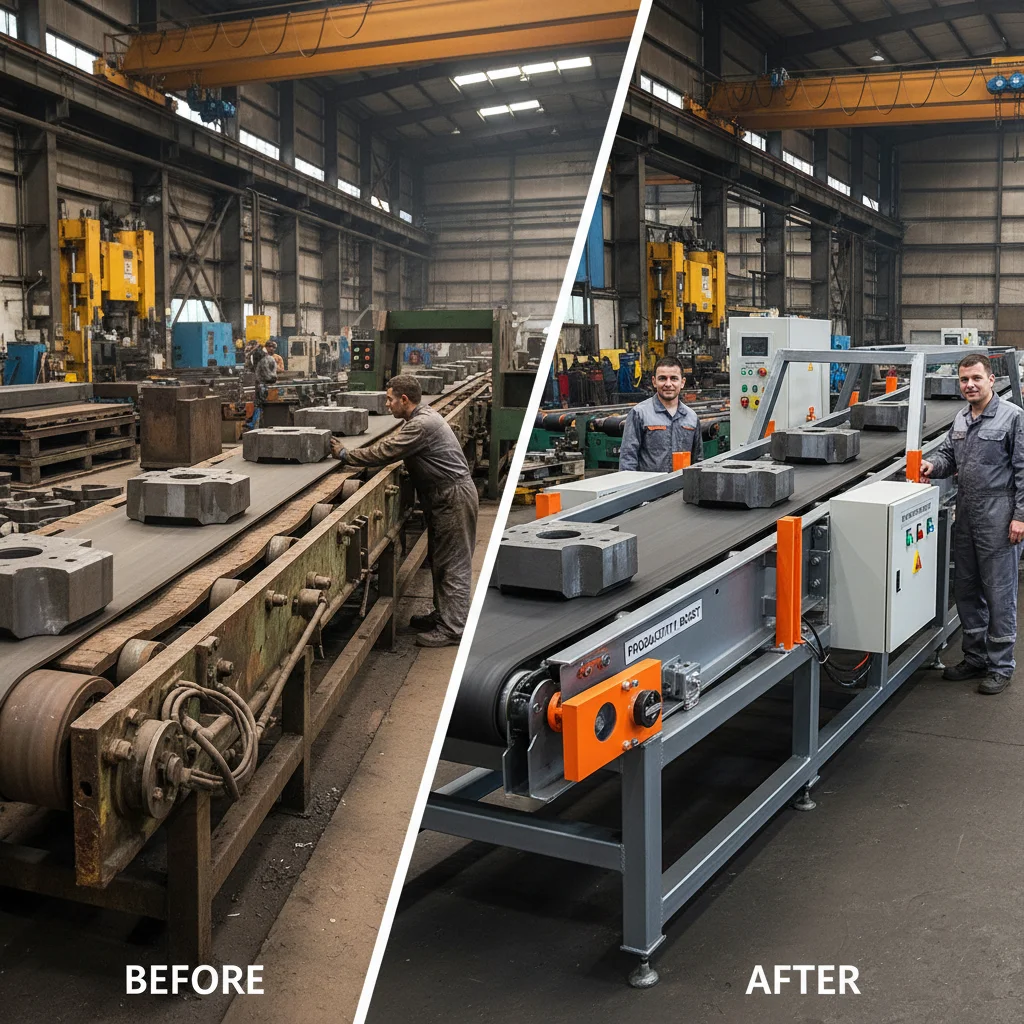
| Belt Alignment | Manual Adjustment | Automatic (Crowned) | Lower Belt Wear |
| Load Capacity | Standard Steel | Heavy-Duty Alloy | Increased Throughput |
| Environmental Fit | General Purpose | Application-Specific | Higher Reliability |
| Operational Life | Short to Medium | Extended Life | Lower CapEx over time |
| Downtime Risk | Moderate to High | Low (Preventative) | Stabilized Production |
Ultimately, the decision should shift from initial purchase price to the total cost of ownership (TCO). Investing in advanced components like self-cleaning pulleys and precision rollers reduces the hidden costs of production loss and manual maintenance, providing a more sustainable operational model for bulk material handling.
Frequently Asked Questions
It uses a specialized wing or airfoil design that automatically throws off debris and material during operation, preventing build-up that would otherwise require manual cleaning and cause belt misalignment.
A crowned profile is slightly convex, which helps the conveyor belt naturally track toward the center of the pulley, reducing the risk of the belt drifting to the side and causing edge damage.
Corrugated sidewall conveyors are typically best for steep inclinations because the sidewalls prevent the material from sliding backward during transport.
Impact beds provide a cushioned support surface at the point where material is loaded onto the belt, absorbing the shock and preventing the material from punching through the belt carcass.
Depending on your region, look for compliance with CEMA (USA), DIN (Germany), JIS (Japan), or GB (China) standards to ensure structural integrity and interchangeability of parts.
Yes, tubular conveyors are ideal for dusty environments because the enclosed design completely contains the material, preventing dust emissions and protecting the material from external contamination.
Conclusion
Maximizing the efficiency of factory conveyors requires a strategic focus on the quality of individual components and their systemic integration. By transitioning from conventional hardware to advanced solutions—such as self-cleaning pulleys and precision-engineered tracking systems—manufacturers can significantly reduce operational risks and maintenance expenditures while increasing overall system availability.
For organizations evaluating their material handling infrastructure, detailed technical specifications and customized solution designs are available at www.jtconveyor.com to ensure that the chosen system aligns with specific industrial load and environmental requirements.