Industrial conveyor products are specialized mechanical systems designed to transport bulk materials, components, or finished goods across production lines with precision and efficiency. In high-risk environments, these systems—particularly those utilizing anti-static steel cord rubber—play a critical role in maintaining operational safety by preventing electrical discharge and ensuring structural integrity under heavy loads.
For many heavy industries, the primary challenge lies in balancing high-capacity throughput with stringent safety regulations, especially in explosive or hazardous zones. Static electricity buildup in traditional belts can lead to catastrophic failures or ignition, making the selection of conductively formulated rubber and high-tensile steel reinforcements a technical necessity rather than an optional upgrade.
This comprehensive analysis explores the technical specifications, application scenarios, and procurement criteria for advanced industrial conveyor products. Readers will gain a deeper understanding of how to select materials that minimize downtime, comply with international safety standards, and optimize the overall ROI of their material handling infrastructure.

1Understanding Anti-Static Steel Cord Technology

The integration of steel cords into rubber conveyor belts provides the essential tensile strength required for long-distance and high-tonnage transport. When combined with anti-static rubber compounds, these products create a safe pathway for static charges to dissipate into the grounded system, effectively eliminating the risk of sparks in volatile environments.
This technology is particularly vital for industries handling flammable dust or gases. By utilizing high-tensile steel cords, the belt maintains low elongation, which reduces the tension required from the drive motors and extends the overall lifespan of the conveyor components.
From a structural perspective, the bonding between the steel cord and the rubber matrix is the most critical factor. Superior adhesion prevents delamination, ensuring that the belt does not separate under the stress of extreme impact or heavy loading cycles common in mining and port operations.
2Core Technical Features and Value Drivers
High-performance industrial conveyor products are defined by several key technical attributes. First, anti-static protection is achieved through specialized rubber additives that allow electrons to flow freely. Second, the use of premium steel cords ensures that the belt can handle extreme loads without stretching, which is essential for maintaining synchronization in automated systems.
Durability is another primary driver, with outer covers engineered for maximum resistance to abrasion and impact. This reduces the frequency of belt replacements and prevents material leakage, which can otherwise lead to equipment contamination or safety hazards on the facility floor.
Furthermore, the ability to customize these belts to meet international standards such as CEMA, DIN, or JIS ensures that the equipment is compatible with global machinery, facilitating easier maintenance and spare parts procurement for multinational operations.
3Critical Application Scenarios in Heavy Industry
The deployment of anti-static steel cord belts is most common in coal mines, chemical plants, and power stations. In these settings, the movement of dry bulk materials creates significant friction, which generates static electricity. Without conductive belts, this energy could trigger explosions in the presence of methane or chemical vapors.
In port operations, these conveyor products are used for the rapid movement of ores and grains over long distances. The high tensile strength allows for fewer support idlers and longer spans, reducing the initial capital expenditure on the conveyor structure and simplifying the overall layout.
Additionally, in the building materials sector, these belts are employed to transport abrasive aggregates. The wear-resistant rubber compound protects the internal steel structure from being compromised by sharp edges, ensuring a long service life even under harsh mechanical stress.
4Performance Metrics and Conductive Efficiency
Measuring the efficacy of industrial conveyor products involves analyzing the surface resistivity of the rubber and the breaking strength of the steel cords. A high-quality anti-static belt will maintain a consistent electrical resistance that allows charges to dissipate safely to the ground via the conveyor pulleys.
Operational stability is also measured by the elongation rate. Low-elongation belts reduce the need for frequent tension adjustments, which lowers the wear and tear on the take-up units and increases the overall availability of the transport system.
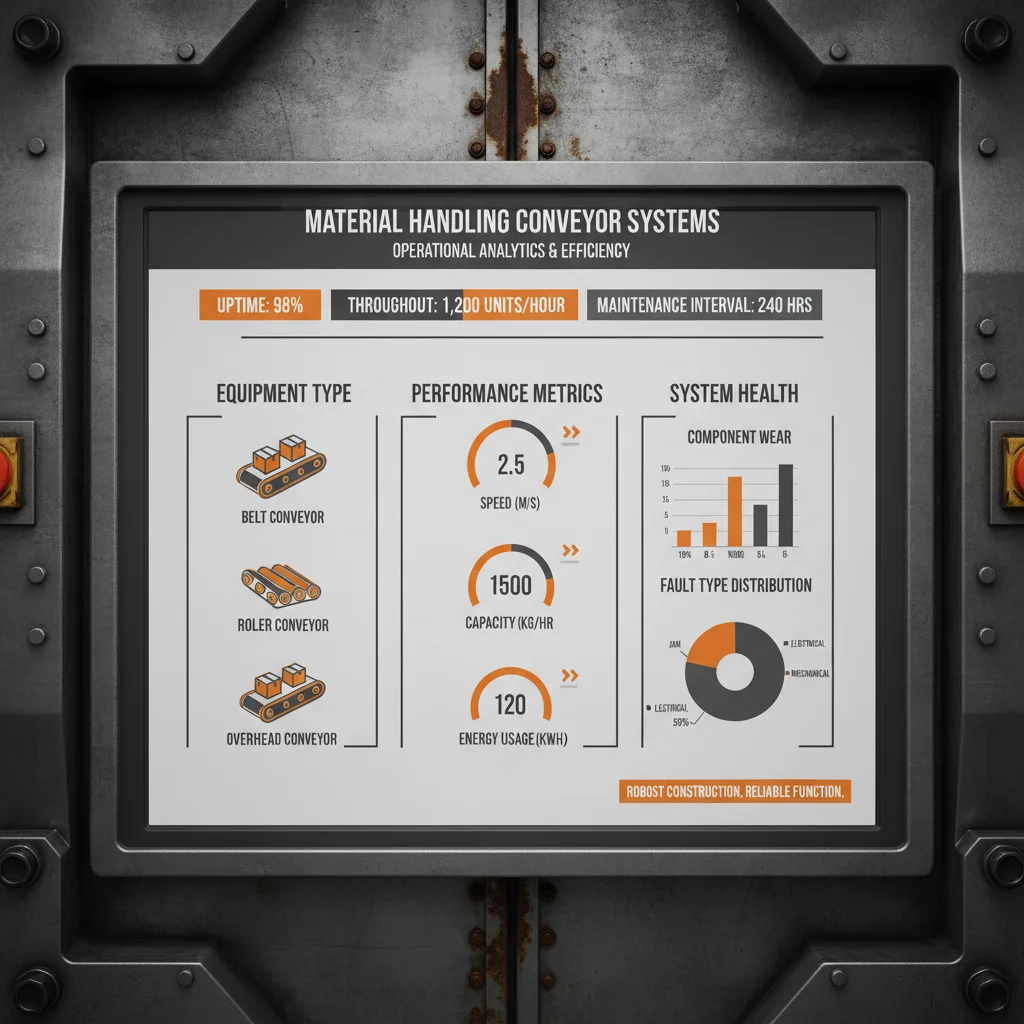
industrial conveyor products Performance Metrics
When evaluating these metrics, it is important to consider the environment. For instance, in extremely humid conditions, surface conductivity may change, but the internal steel cord reinforcement remains the primary provider of structural stability and safety.
5Procurement Criteria and Selection Best Practices
Selecting the right conveyor belt requires a detailed analysis of the material being transported and the environment of operation. Procurement teams should first define the required tensile strength based on the total load, including the belt's own weight and the maximum material capacity.
Compatibility with existing components is another critical factor. The belt must be compatible with the current conveyor pulleys and rollers to avoid premature wear. Ensuring a proper match in belt width and thickness is essential for preventing tracking issues and belt drift.
Finally, the total cost of ownership should be prioritized over the initial purchase price. A higher-quality belt with superior abrasion resistance may cost more upfront but will significantly reduce the cost of downtime and replacement labor over a five-year horizon.
6Innovation Trends in Conveying Systems
The industry is currently moving toward intelligent conveyor systems that integrate sensors for real-time monitoring of belt wear and tension. By detecting thin spots in the rubber cover, operators can schedule maintenance before a belt failure occurs, shifting from reactive to predictive maintenance.
Energy efficiency is another major focus. New rubber compounds are being developed to reduce rolling resistance, which lowers the amount of electricity required to move the belt. This not only reduces operational costs but also aligns with global corporate sustainability goals.
Additionally, there is an increasing demand for eco-friendly rubber materials that maintain high performance while reducing the environmental impact of the manufacturing process, reflecting a broader industry shift toward green industrialization.
7Comparative Analysis of Conveyor Belt Types
Choosing between different conveyor products depends on the trade-off between cost, strength, and specific environmental risks. While fabric belts are sufficient for light-duty applications, steel cord belts are indispensable for heavy-duty, long-distance hauling.
The following table provides a qualitative comparison to assist engineers and procurement officers in making an informed decision based on their specific operational requirements.
| Belt Type | Primary Strength | Best Use Case | Main Limitation |
|---|---|---|---|
| Steel Cord Anti-Static | Extreme Tensile Strength | Mining/Hazardous Zones | Higher Initial Cost |
| Fabric Ply Belt | Flexibility/Low Cost | Light Manufacturing | High Elongation |
| Steel Cord Flame-Resistant | Fire Safety/Strength | Underground Coal Mines | Complex Splicing |
| Rubber Modular Belt | Ease of Replacement | Food/Pharmaceutical | Lower Load Capacity |
| Tubular Conveyor | Dust Containment | Environmental Protection | Higher Mechanical Complexity |
| Corrugated Sidewall | Vertical Transport | Bulk Grain/Powders | Limited Speed Range |
Ultimately, the selection must align with the safety profile of the facility. In any environment where static discharge could lead to a fire or explosion, the anti-static steel cord rubber belt remains the gold standard for safety and reliability.
Frequently Asked Questions
Conclusion
The selection of industrial conveyor products is a critical decision that directly impacts the safety, efficiency, and longevity of a production facility. By utilizing anti-static steel cord rubber technology, companies can effectively mitigate the risks of static discharge while ensuring the structural strength necessary for heavy-duty bulk material handling.
For procurement teams and engineers evaluating suitable solutions for their specific operational needs, detailed product specifications and customization options can be reviewed at www.jtconveyor.com to ensure the highest standards of industrial safety and performance.