
When navigating the procurement of heavy-duty material handling systems, the primary challenge often lies in balancing rigid industrial strength with the need for site-specific flexibility. For operations in underground mining and tunneling, a standard fixed conveyor often falls short because the environment is dynamic, with tunnel dimensions and loading points shifting as the project progresses. This creates a critical need for engineering solutions that can adapt without requiring a complete system overhaul.
The efficiency of subterranean logistics depends heavily on how well the equipment integrates with the available space. Utilizing specialized systems like the Adjustable Telescopic Underground Conveyor allows operators to maximize throughput while minimizing the risks associated with manual material handling. For professional buyers, evaluating industrial conveyor manufacturers requires looking beyond basic belt specifications to understand how telescopic mechanisms and reinforced materials impact long-term operational stability.
This analysis explores the technical requirements for underground transport, focusing on how adaptive length control and high-strength industrial steel enhance safety and productivity. By examining the intersection of modular design and harsh-environment durability, we provide a roadmap for selecting the right equipment. To explore high-performance systems, you can consult the technical standards of industrial conveyor manufacturers to ensure your logistics network is optimized for the most abrasive subterranean conditions.


The Adjustable Telescopic Underground Conveyor is engineered as a high-performance material handling solution that prioritizes structural versatility. At its core is an innovative telescopic frame that enables the system to extend or retract, allowing it to adapt to varying tunnel widths and complex layout configurations without the need for complete re-installation. This structural flexibility is supported by high-strength industrial steel, ensuring that the frame remains stable even when fully extended under heavy bulk material loads.
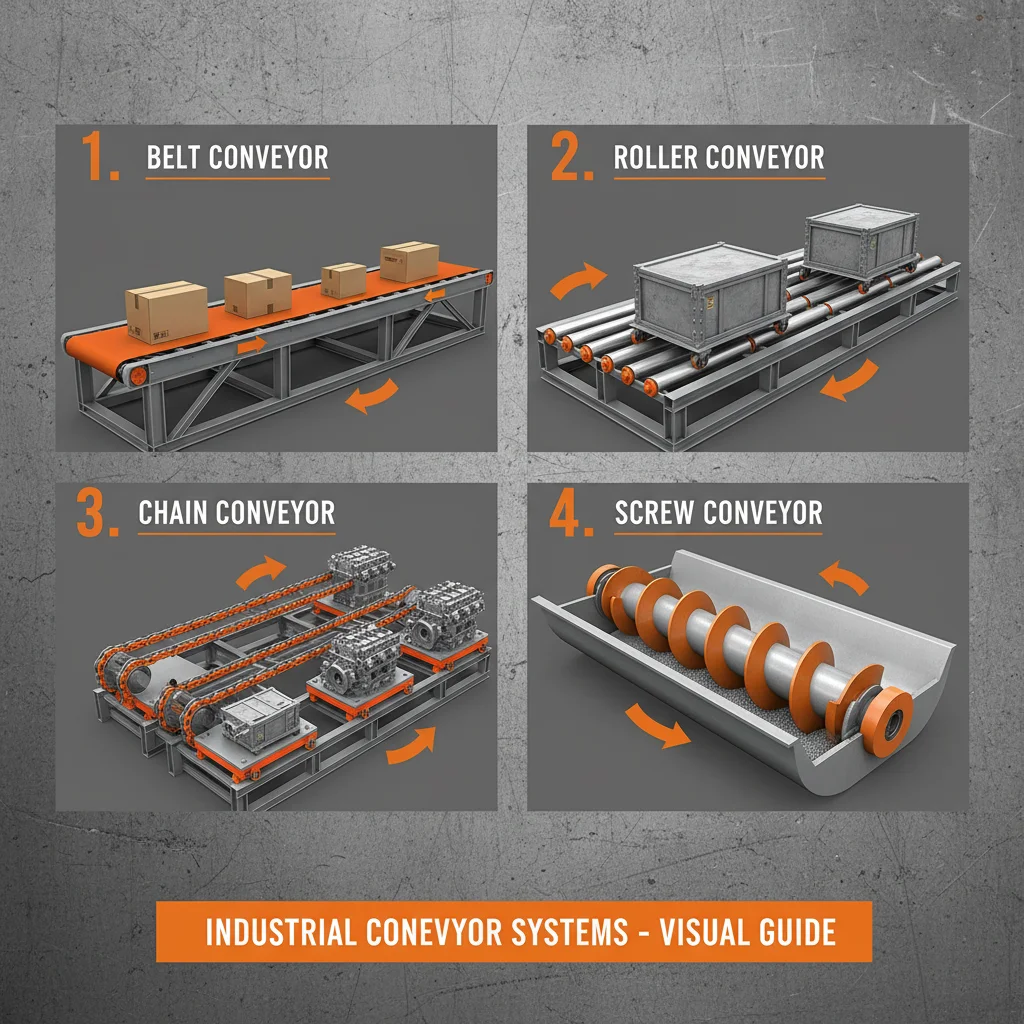
Beyond the frame, the system integrates precision-engineered rollers and heavy-duty reinforced belts designed for continuous, stable transport. The interaction between the smooth, low-friction rollers and the high-abrasion-resistant belt ensures that energy loss is minimized while throughput is maximized. This modular approach allows the conveyor to function as a seamless bridge between extraction points and main transport arteries in subterranean environments.
When selecting equipment for underground mining or civil tunneling, the priority must be on material grade and environmental resistance. Subterranean environments are characterized by high moisture, abrasive dust, and corrosive elements. Consequently, the use of high-strength, corrosion-resistant industrial steel is non-negotiable to prevent structural failure and extend the equipment's operational lifespan.
Reliability in underground conveying is achieved by integrating reinforced belts with low-friction roller systems, which directly reduces the frequency of unplanned downtime and lowers the overall maintenance burden in hard-to-reach tunnel sections.
Additionally, the integration of safety interlocks and emergency stop systems is vital. Because underground space is limited, the risk of accidents during loading and unloading is elevated. A reliable system must include automated wear alerts for belts and rollers, ensuring that maintenance is proactive rather than reactive, thereby maintaining a consistent flow of materials without risking worker safety.
The primary value of adaptive length control is the drastic reduction in installation and reconfiguration time. In traditional fixed conveyor setups, any change in the tunnel face or the addition of a new extraction point requires a labor-intensive process of dismantling and rebuilding. In contrast, a telescopic design allows for rapid adjustment, which translates directly into lower manual labor costs and faster project timelines.
Adaptive length control transforms the conveyor from a rigid piece of infrastructure into a dynamic tool, optimizing limited underground space and significantly increasing the ROI by minimizing the time between tunnel advancement and material transport.
Furthermore, this flexibility enhances the overall safety of the site. By extending the conveyor closer to the loading point, the need for manual shoveling or the use of temporary, less-safe transport methods is eliminated. This streamlines the bulk material logistics chain, ensuring a continuous flow and reducing the probability of accidents in hazardous subterranean zones.
To understand the practical advantage of telescopic systems, one must compare the resource allocation required for setup and adaptation. Fixed conveyors are highly efficient for permanent, long-haul transport but offer zero flexibility. When the operational environment changes—as is common in tunneling—the cost of modifying a fixed system can be prohibitive in terms of both time and labor.
Telescopic conveyors, however, excel in dynamic environments. By analyzing metrics such as installation speed, space utilization, and adaptability, it becomes clear that while the initial mechanical complexity is higher, the long-term operational savings are significant. This is particularly evident in projects with multi-layout requirements where one system must serve several shifting positions.
The application of telescopic conveyors is most impactful in subway tunneling and civil construction projects where space is a premium. In these scenarios, the ability to optimize the conveyor's footprint prevents congestion in the tunnel, allowing other machinery and personnel to move freely. This optimization of space is not just about convenience; it is a critical factor in maintaining the throughput of bulk materials like excavated soil and rock.
In underground mining, these systems are typically deployed at the face of the mine. As the mine expands, the conveyor extends, ensuring that the distance between the extraction point and the primary transport belt is kept to a minimum. This synchronization reduces the reliance on secondary hauling equipment, thereby lowering energy consumption and reducing the noise and dust pollution within the mine shafts.
The evolution of material handling is moving toward intelligent, data-driven systems. Future iterations of underground conveyors are expected to integrate real-time capacity monitoring and performance analytics. By tracking material throughput in real-time, operators can optimize transport cycles and reduce energy waste during periods of low loading, aligning with global trends toward sustainable industrial operations.
Another plausible direction is the further integration of automated wear-alert systems. Using sensors to detect belt thinning or roller friction increases, the system can notify maintenance crews before a failure occurs. This transition from scheduled maintenance to condition-based maintenance is essential for reducing unplanned downtime in deep-tunnel projects where access for repairs is difficult.
Finally, the development of eco-friendly materials for belts and rollers will play a key role. Reducing the friction coefficient not only improves energy efficiency but also extends the life of the components. As industrial conveyor manufacturers focus on energy-efficient and eco-friendly solutions, the goal is to create a low-consumption, long-life industrial transportation ecosystem.
Despite the advantages, implementing telescopic systems involves navigating certain technical limitations, such as the increased complexity of the drive mechanism and the need for precise alignment during extension. If the telescopic sections are not perfectly synchronized, it can lead to belt misalignment, increasing the wear on the edges of the conveyor belt.
To solve this, modular designs are employed to simplify daily inspections. By making rollers and belts easily accessible, the time required for routine checks is minimized. Additionally, using high-strength industrial steel for the telescopic joints ensures that the system does not warp under the pressure of heavy bulk materials, maintaining the integrity of the transport path.
The choice between a telescopic and a fixed system ultimately depends on the project's lifespan and the predictability of the layout. For projects with high variability, the investment in telescopic technology is justified by the reduction in manual labor and the increase in site safety.
| Metric | Fixed Conveyors | Telescopic Systems | Selection Priority |
|---|---|---|---|
| Installation Time | High (Fixed Site) | Low (Adjustable) | Rapid Deployment |
| Space Usage | Rigid / Limited | Dynamic / Optimized | Tight Environments |
| Labor Cost | High Handling | Minimized Automation | OpEx Reduction |
| Adaptability | Low (Single Layout) | High (Multi-Layout) | Dynamic Site Plans |
| Maintenance | Standard Scheduled | Modular/Targeted | Low Downtime |
| Long-term ROI | Moderate | Significant Increase | Total Lifecycle Value |
The primary advantage is the ability to extend and retract the conveyor to fit varying tunnel widths and lengths. This eliminates the need to reinstall the entire system whenever the mine face advances, saving significant time and reducing the manual labor required for equipment repositioning.
They improve safety by reducing the need for workers to manually move bulk materials in hazardous underground areas. By bringing the conveyor closer to the material source, the risk of physical strain and accidents associated with manual handling is effectively lowered.
The systems use high-strength, corrosion-resistant industrial steel and heavy-duty reinforced belts. These materials are specifically selected to withstand the constant abrasion, high moisture, and chemical exposure common in mining and tunneling environments.
While the mechanism is more complex, the maintenance is streamlined through a modular design. This allows for quick inspection and replacement of rollers and belts, which minimizes unplanned downtime and prevents small issues from becoming system-wide failures.
Yes, they are designed for seamless integration with various conveyor rollers, pulleys, and impact beds. This allows the telescopic unit to serve as a flexible extension of a larger, comprehensive continuous transport network.
They are widely used in underground mining, subway tunneling, and large-scale civil construction projects. Any environment where bulk material handling is required but the layout is subject to change benefits most from this equipment.
Selecting the right material handling system for underground operations requires a strategic balance between durability and flexibility. As demonstrated, the Adjustable Telescopic Underground Conveyor addresses the core challenges of subterranean logistics by reducing installation time and optimizing limited space. By utilizing high-strength industrial steel and precision-engineered components, these systems ensure that bulk material transport remains stable and efficient even in the most abrasive environments.
For organizations looking to elevate their operational throughput and site safety, investing in adaptive conveying technology is a decisive step toward modernization. Whether for mining or civil tunneling, the goal is to create a low-consumption, long-life transportation ecosystem. To find a solution tailored to your specific tunnel dimensions and material requirements, you can explore the customizable options available at https://www.jtconveyor.com.

SUBSCRIBE NEWSLETTER