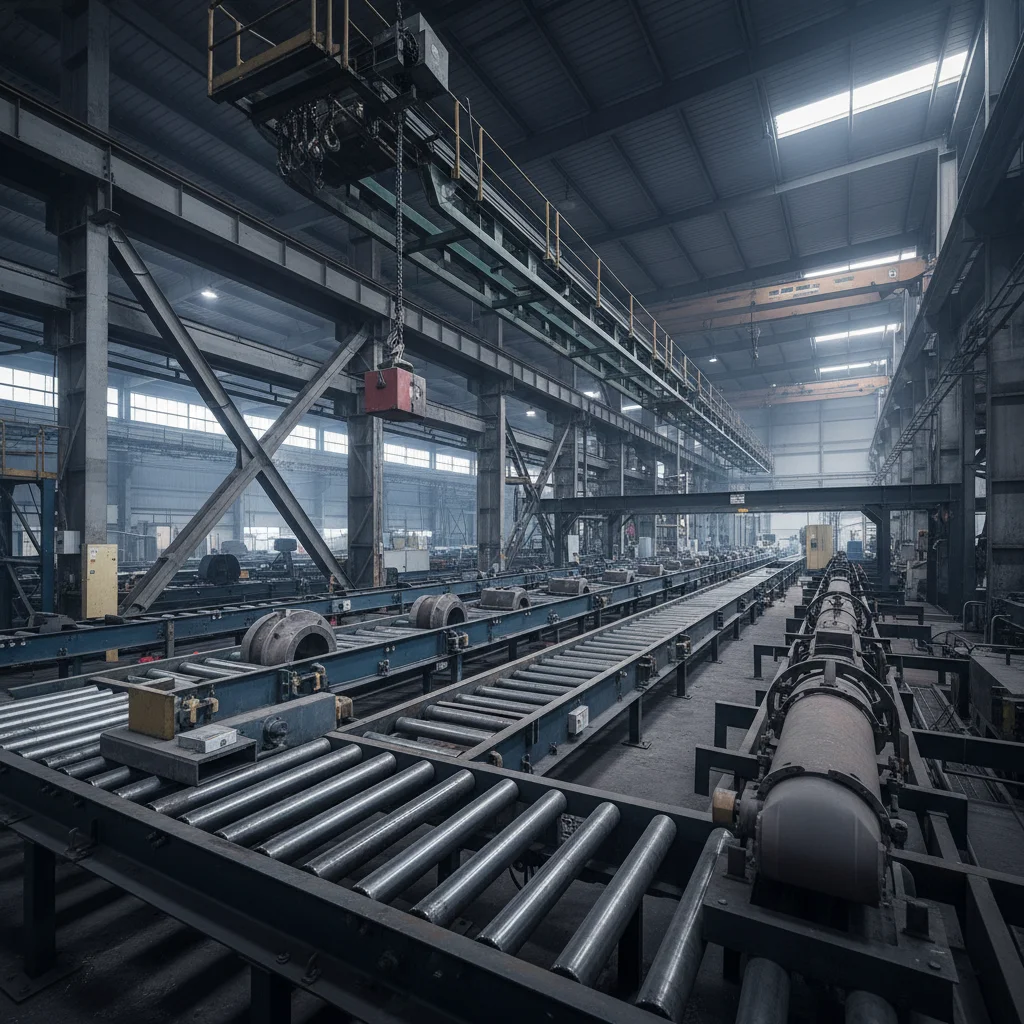
Selecting the right equipment for bulk material handling in extractive industries requires more than just matching a belt width to a volume requirement. The environmental stressors—ranging from caustic chemicals to abrasive ores—dictate the operational lifespan of the entire system.
As mining operations push deeper underground and expand into more remote territories, the demand for high-tensile, weather-resistant, and low-maintenance systems has surged. This shift is forcing a move away from generic hardware toward specialized engineering that accounts for incline angles, material viscosity, and extreme thermal fluctuations.
Understanding the technical capabilities of mining conveyor manufacturers is essential for reducing unplanned downtime and optimizing the total cost of ownership in heavy industrial transport.


Historically, material handling relied on simple belt-and-pulley systems that often failed under the weight of heavy ores or the corrosive nature of chemical additives. The transition toward modern industrial conveying has been marked by the integration of advanced polymers and steel-cord reinforcements.
Today, the focus has shifted from mere capacity to "system resilience." This involves the use of specialized rubber compounds and precision-engineered components—such as high-performance rollers and impact beds—to ensure that the system can operate continuously in subterranean or high-altitude environments without catastrophic failure.
Design logic for heavy-duty conveying starts with the carcass construction. Whether utilizing high-strength canvas or steel wire rope frames, the carcass must provide the necessary tensile strength to prevent stretching and dimensional instability under load. This structural integrity is what allows for the long-distance transport typical of overland belt systems.
Beyond the core, the interface between the belt and the material is critical. The selection of cover rubber determines the belt's resistance to cutting, abrasion, and chemical degradation. For example, in environments where lubricants or hydrocarbons are present, oil-resistant rubber compounds are mandatory to prevent the belt from swelling or softening.
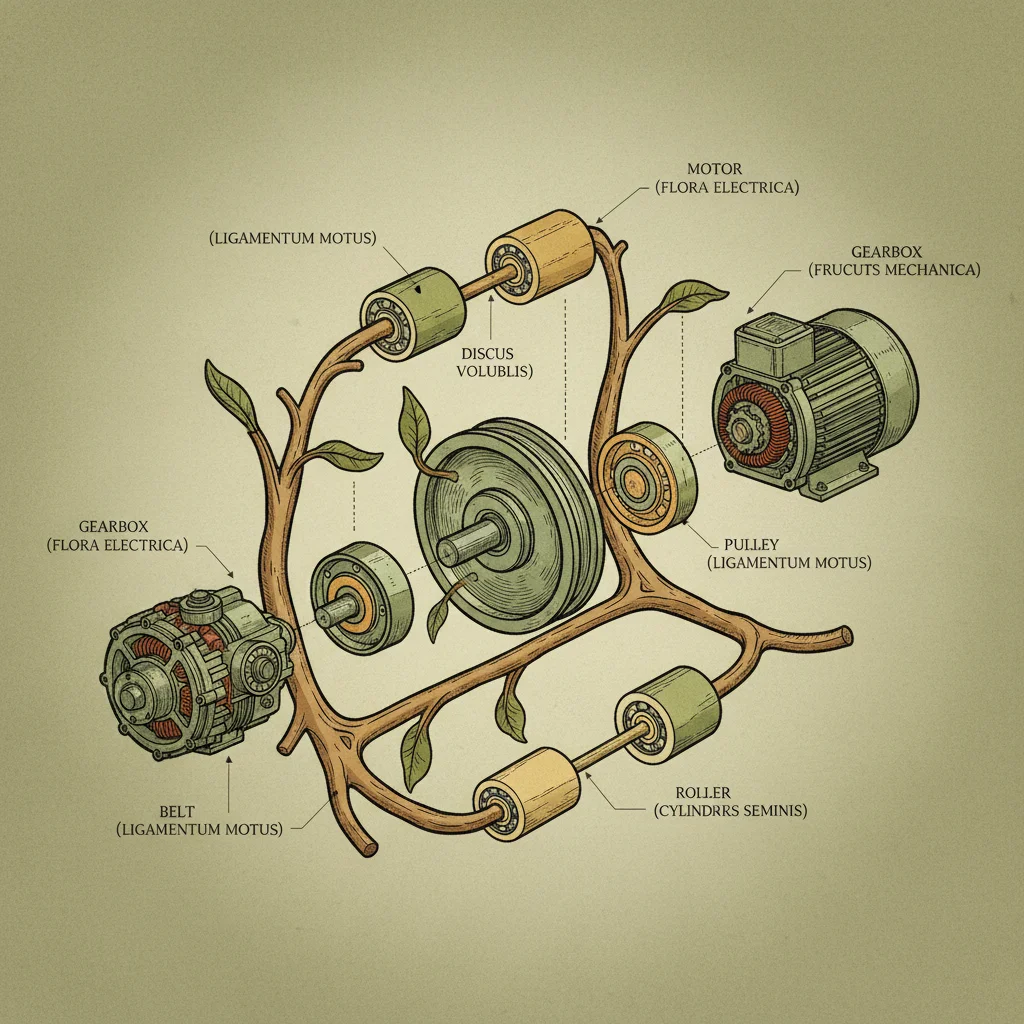
Finally, the synchronization of conveyor components—such as the pulley diameter, roller spacing, and belt cleaner efficiency—determines the overall energy consumption. Precision engineering in these spare parts ensures that friction is minimized and the belt remains aligned, reducing the risk of edge wear and material spillage.
Transporting bulk materials on slopes presents a significant mechanical challenge: gravity-induced slippage. When smooth belts are used on inclines, material rollback can cause congestion at the loading point and decrease the overall throughput of the operation.
The implementation of chevron (herringbone) pattern treads creates a mechanical grip that significantly enhances friction, allowing materials to be conveyed on steep slopes without sliding backward.
This design is particularly effective for cohesionless materials. When combined with a robust skeleton structure, these belts maintain their profile under heavy loads, ensuring that the "grasping" capacity of the tread remains effective throughout the conveyor's service life.
Evaluating the suitability of a conveyor belt requires a qualitative analysis of its material properties relative to the operating environment. Factors such as oil resistance, abrasion tolerance, and thermal stability are not binary but exist on a spectrum of performance.
By analyzing the relative effectiveness of different rubber formulations, operators can predict the replacement cycle of their belts. For instance, a specialized oil-resistant compound will outperform standard rubber in a refinery setting, while a high-abrasion cover is more valuable in a granite quarry.
In a typical industrial setting, such as an automotive manufacturing plant or a chemical processing facility, conveyors often encounter slippery materials. The use of an Oil-Resistant Chevron Pattern Rubber Conveyor Belt is a strategic choice here, as it addresses both the chemical risk of rubber swelling and the physical risk of material slippage.
For underground mining, the requirements shift toward fire resistance and extreme tensile strength. In these scenarios, the integration of steel cord reinforcement and specialized underground conveyor belts ensures that the system can handle the immense tension of vertical or long-distance hauling while maintaining safety certifications.
The industry is currently moving toward "energy-efficient" and "intelligent" conveying. This transition is driven by the need to reduce the carbon footprint of mining operations and the desire to implement predictive maintenance. Rather than replacing rollers on a fixed schedule, sensors now monitor vibration and heat to identify failing components before they cause a belt tear.
Another significant trend is the adoption of modularity. The use of interchangeable conveyor components—such as standardized pulleys and rollers—allows operators to perform rapid repairs without needing custom-fabricated parts for every section of the line. This reduces the lead time for spare parts and lowers inventory costs.
Future developments are likely to focus on "smart belts" with embedded sensors that can detect rips in real-time, automatically shutting down the system to prevent extensive damage. This integration of IoT with traditional mechanical engineering represents the next frontier for global conveyor system providers.
Choosing between different conveyor configurations requires a trade-off analysis. For instance, while a tubular belt conveyor offers superior dust containment and environmental protection, it is significantly more complex to install than a standard open belt system.
The decision process should be governed by the material's physical properties and the site's geography. A manufacturer evaluating their options must consider whether the priority is maximum throughput, minimal spillage, or resistance to extreme chemical exposure.
To assist in this process, the following framework outlines the relative suitability of different system types based on common industrial challenges.
| Environmental Factor | Standard Belt | Chevron Pattern | Tubular/Closed | Steel Cord |
|---|---|---|---|---|
| Slope Conveying | Low | High | Medium | Medium |
| Oil/Grease Exposure | Low | Medium | Medium | Medium |
| High Tensile Load | Medium | Medium | Medium | High |
| Dust Containment | Low | Low | High | Low |
| Abrasive Materials | Medium | High | Medium | High |
| Installation Cost | Low | Low | High | Medium |
Mining conveyors are engineered for extreme durability and high tensile strength. Unlike general industrial belts, they often feature steel cord reinforcement to handle immense loads over long distances and use specialized rubber covers that resist high abrasion, cuts, and chemical erosion common in extractive environments. They also integrate heavy-duty components like impact beds to withstand the force of falling bulk ore.
A chevron or herringbone pattern should be selected whenever materials must be transported on an incline. The raised treads increase the friction between the belt and the material, effectively preventing the bulk load from sliding backward. This is critical for maintaining consistent throughput and preventing material accumulation at the bottom of the conveyor line.
Standard rubber compounds can absorb hydrocarbons, leading to "swelling" where the rubber softens and loses its structural integrity, eventually causing the belt to delaminate or tear. Oil-resistant compounds are formulated to resist this degradation, ensuring the belt maintains its hardness, adhesion, and flexibility even when exposed to grease, lubricants, or petroleum-based chemicals.
Belt cleaners remove residual material (carry-back) from the belt surface as it returns to the tail pulley. In mining, this prevents material buildup on rollers and pulleys, which would otherwise cause belt misalignment, premature wear of the carcass, and significant waste of the transported product. Efficient cleaning is key to extending the overall service life of the conveyor components.
The choice depends on the tension requirements. Fabric reinforcement is suitable for short-to-medium distance conveying with moderate loads. Steel cords, however, provide far superior tensile strength and minimal stretch, making them the only viable option for long-distance overland conveyors or high-capacity vertical lifts where dimensional stability is paramount.
Yes, adhering to standards like CEMA, DIN, or JIS ensures interoperability and safety. Using standardized components means that spare parts—such as rollers and pulleys—can be sourced and replaced more easily across different brands of equipment, and that the load-bearing calculations used during the design phase are based on globally recognized safety margins.
The efficiency of a mining operation is inextricably linked to the reliability of its conveying systems. By prioritizing the correct rubber compounds and structural reinforcements, companies can transition from a reactive maintenance model to a proactive one, significantly reducing the cost per ton of material moved.
As the industry evolves toward smarter, more energy-efficient solutions, the synergy between high-quality mechanical components and intelligent monitoring will define the next generation of industrial transport. Investing in specialized engineering today ensures a resilient and sustainable operational ecosystem for the future.

SUBSCRIBE NEWSLETTER