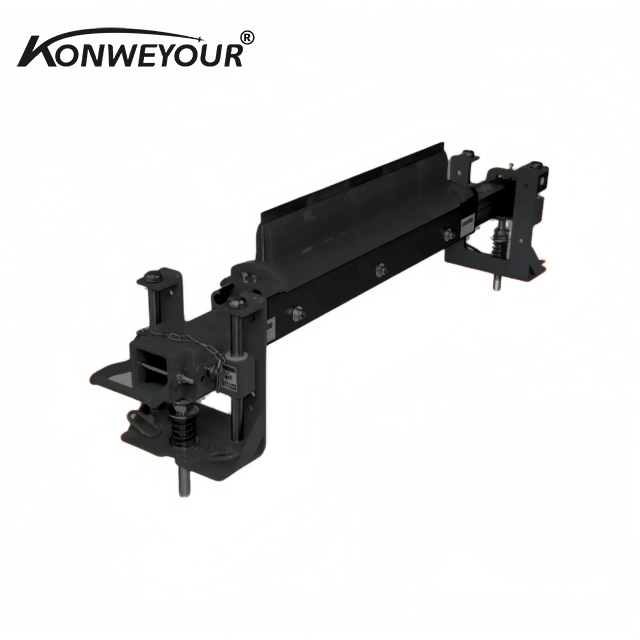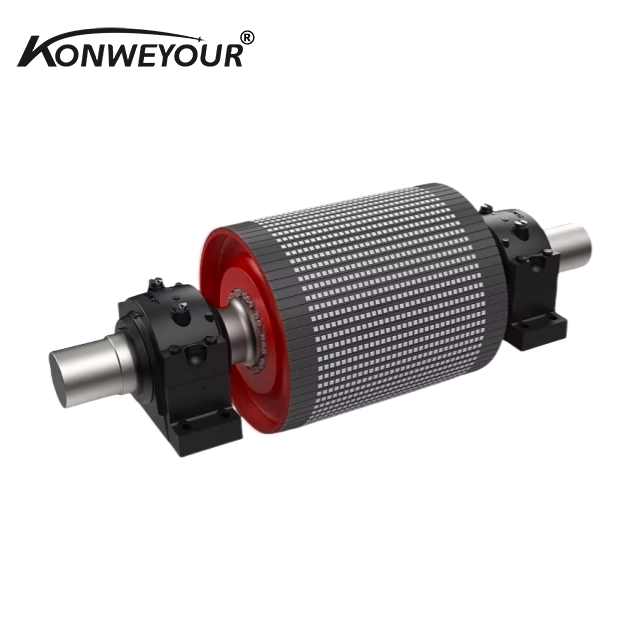



Precision-engineered components designed to optimize bulk material transport in demanding environments.
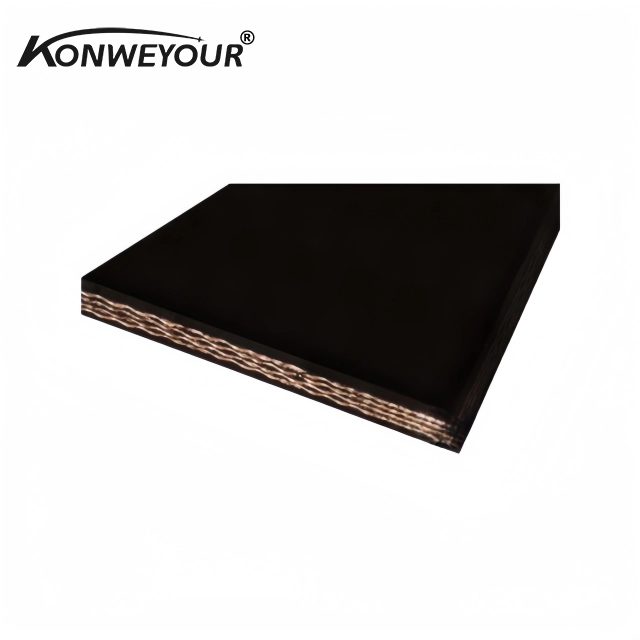
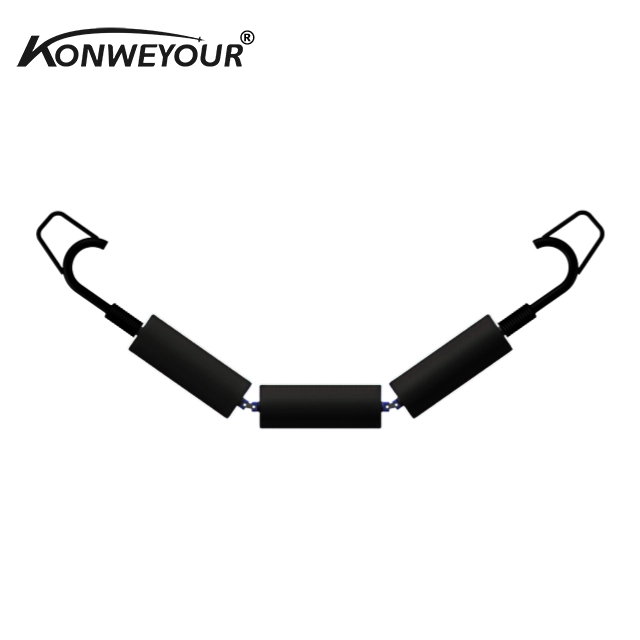
Adapting heavy-duty transport systems to regional industrial conditions and operational constraints.
Industrial operations in Palestine often face unique geographical and infrastructural challenges. For bulk material handling, the focus is on deploying equipment that can withstand varying environmental stress while maintaining consistent throughput, particularly in quarrying and construction material sectors.
Local buyers prioritize long-term reliability and low maintenance overheads. There is a growing demand for conveyor components that adhere to global standards like DIN and CEMA, ensuring that spare parts are interchangeable and system downtime is minimized.
Procurement in the region is shifting toward integrated solutions rather than isolated parts. The need for comprehensive conveyor transfer systems is increasing as facilities seek to automate the transition between different transport stages to reduce manual labor and material loss.
Tracing the shift from basic mechanical transport to intelligent, energy-efficient ecosystems.
Strategic shifts influencing the design and procurement of industrial transport systems.
Moving toward fully automated loading and unloading sequences to enhance safety and speed.
Customizing belt materials and roller types based on the abrasive nature of the specific minerals.
Adopting eco-friendly materials and low-emission drive systems to meet environmental standards.
Implementing real-time data tracking for belt tension and roller alignment via IoT.
The coming years will likely see a convergence of traditional mechanical engineering and digital oversight. As industrial sites in Palestine modernize, the demand for high-efficiency coal mine conveyor and bulk transport systems will move toward modularity, allowing operators to upgrade components without replacing entire lines.
From a business perspective, this transition will reduce operational risks and improve the ROI of infrastructure investments. The focus will shift from initial procurement cost to the Total Cost of Ownership (TCO), emphasizing longevity and energy efficiency.
Practical implementation of conveying solutions across various industrial landscapes.
Deploying heavy-duty belt conveyors to move crushed stone and sand from primary crushers to stockpiles, focusing on impact-resistant beds for high-drop zones.
Integrating precise conveyor transfer systems to move limestone and additives through different processing stages while minimizing dust emission.
Utilizing high-capacity conveyor systems for the rapid movement of imported bulk raw materials from berths to inland storage warehouses.
Implementing specialized coal mine conveyor technology for the reliable transport of fuel, emphasizing fire safety and belt tracking.
Using customized conveyor belts and cleaners to transport industrial debris for processing, focusing on corrosion resistance and easy cleaning.
A global provider of integrated industrial conveying solutions and precision components.
The company was established with a primary focus on the design, manufacturing, sales, and installation of bulk material handling and conveying equipment.
Launched the first series of self-developed high-performance conveyor systems, gaining strong market recognition for quality and reliability.
Successfully expanded exports to over 40 countries and regions, including Asia and the Middle East, achieving certifications like SGS, CE, BV, TÜV, and ISO9001.
Continued investment in R&D to develop energy-efficient and eco-friendly conveyor solutions, integrating academic research with industrial application.
Comprehensive range of conveyor belts and precision components compliant with CEMA, DIN, JIS, and GB standards.
Expert guidance on selecting and maintaining industrial conveying equipment.
Selection should be based on the material's Mohs hardness and particle size. For highly abrasive materials, we recommend high-grade rubber belts and reinforced idlers. Ensure that the impact beds are correctly positioned at loading points to prevent premature belt wear.
Most industrial projects in the region follow international standards such as DIN (German), CEMA (American), or ISO. Hebei Juntong provides flexible manufacturing that complies with these multiple national standards to ensure global compatibility.
Transfer systems are critical for maintaining material flow. To optimize them, consider the angle of the transfer chute and the velocity of the material to prevent blockage and reduce dust emission.
Maintenance cycles depend on the load and environment. However, a monthly inspection of roller rotation and belt alignment is recommended. Replacing worn idlers proactively prevents belt misalignment and unexpected system failure.
Yes. For steep inclines, specialized belts with cleats or high-friction surfaces are used. We design customized drive systems and braking mechanisms to ensure safe and stable uphill material transport.
We integrate R&D, manufacturing, and service, offering a full range of spare parts from pulleys to cleaners. Our adherence to SGS, CE, and ISO9001 certifications ensures that every component meets strict quality control for long-life industrial ecosystems.
Whether you are upgrading an existing mine or designing a new industrial plant, our technical team provides customized conveying solutions tailored to your specific operational requirements.
Contact Us Now