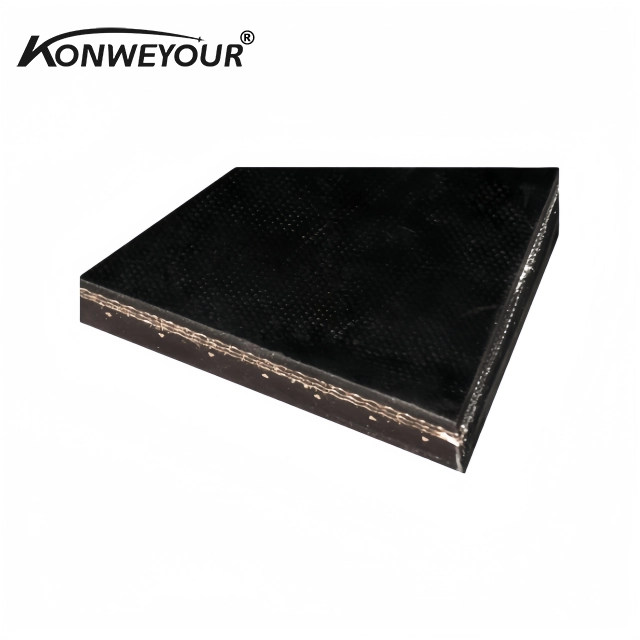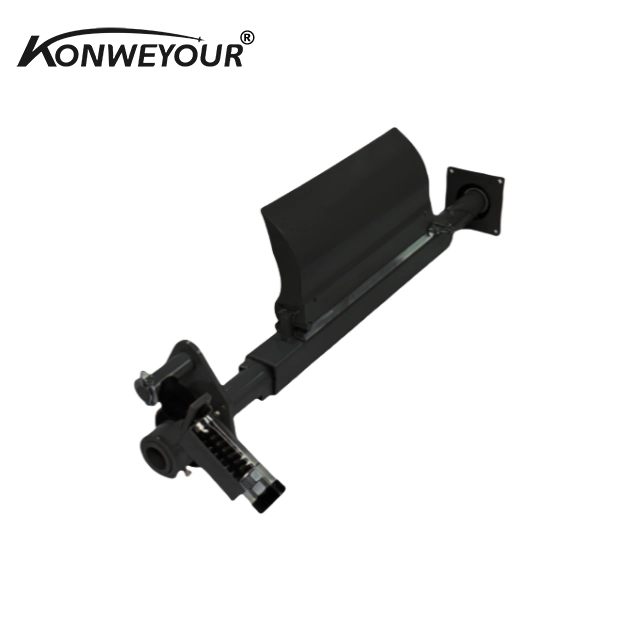

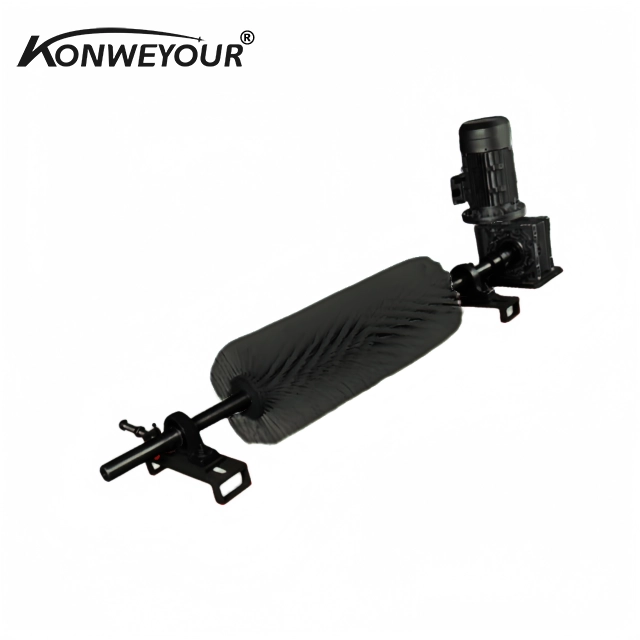
Precision-engineered components and complete systems designed to optimize material flow and reduce operational downtime.

Addressing the specific operational challenges of the Central Asian mining and industrial landscape.
The geographical landscape of Uzbekistan, characterized by significant mineral deposits and varied terrain, necessitates robust transportation infrastructure. Local operations often face extreme temperature fluctuations, requiring materials that maintain structural integrity and elasticity under both intense heat and cold.
Industrial buyers in the region are increasingly shifting toward high-reliability mine conveyor technology to reduce manual labor and increase throughput. The primary focus is on energy-efficient systems that can handle heavy loads of coal and ores with minimal wear on the belts.
Procurement trends show a growing preference for equipment that complies with multiple international standards, such as DIN and ISO. Ensuring that conveyor components are interchangeable and easily sourced is critical for maintaining continuous operation in remote mining sites.
From traditional mechanical transport to intelligent, integrated conveying ecosystems.
Key technological and operational shifts shaping the next generation of material handling.
Transitioning toward modular conveyor units that allow for rapid installation and flexible reconfiguration based on site expansion.
Integrating IoT sensors into conveyor components to monitor real-time tension, temperature, and alignment.
Developing advanced alloy rollers and reinforced belt cleaners to extend service life in abrasive mining environments.
Reducing the carbon footprint of bulk transport through lightweight materials and energy-efficient drive systems.
The demand for specialized coal mine conveyor systems is expected to remain strong as the region optimizes its energy production and mineral export capacities. The focus will shift from mere capacity increase to operational efficiency and the reduction of material wastage during transfer.
From a commercial perspective, the ability to customize equipment to meet specific technical standards (CEMA, DIN, GB) will be the primary differentiator for suppliers, as Uzbekistan continues to integrate international engineering practices into its industrial growth.
Practical implementation of conveying solutions across various heavy-industry sectors.
Implementing heavy-duty belt conveyors to transport raw coal from extraction points to processing plants, utilizing impact beds to handle high-drop loading.
Deploying precise conveyor transfer systems to ensure a consistent flow of coal into boilers, focusing on dust-tight enclosures.
Using specialized rollers and pulleys to move limestone and clinker, where heat resistance and abrasion control are paramount.
Integrating long-distance conveying systems for efficient loading of minerals onto rail or ships, emphasizing high-speed stability.
Installing compact, high-strength conveyor belts and reinforced components capable of operating in confined, high-humidity environments.
A global provider of industrial conveying solutions integrating R&D, manufacturing, and technical service.
Focused on the design, manufacturing, sales, and installation of bulk material handling and conveying equipment.
Launched self-developed conveyor systems, gaining strong recognition for quality and reliability in the industrial market.
Expanded footprint to over 40 countries across Asia, Europe, Africa, and the Americas, establishing trust as a global supplier.
Established laboratories with top research institutes to develop energy-efficient and intelligent conveying solutions.
Achieved authoritative certifications including SGS, CE, BV, TÜV, and ISO9001, ensuring full-process quality control.
Our product portfolio is engineered to meet CEMA, DIN, JIS, and GB specifications, ensuring seamless integration into any industrial facility.
Technical insights and procurement guidance for conveyor systems in Uzbekistan.
Selection should be based on the material's abrasive nature, required throughput, and environmental conditions. For coal mining, we recommend heavy-duty belts with integrated impact beds at loading points and high-strength idlers to minimize sagging and energy loss.
Most projects in the region adhere to DIN (German) or ISO standards for precision and interchangeability. Hebei Juntong provides customization to meet CEMA, DIN, JIS, and GB specifications to ensure compatibility with existing infrastructure.
Utilizing high-grade belt cleaners and impact-resistant rollers significantly extends belt life. Regular alignment checks and the use of precision-engineered conveyor pulleys prevent edge wear and premature belt failure.
Integrated systems reduce material spillage and dust emissions at transition points. By optimizing the angle and speed of transfer, companies can lower energy costs and reduce the manual labor required for cleanup.
Yes. We use specialized rubber compounds for belts and corrosion-resistant coatings for rollers and frames to ensure the system remains operational during both harsh winters and extreme summer heat.
Our manufacturing process is ISO9001 certified, and our products carry authoritative certifications such as CE, SGS, BV, and TÜV, ensuring they meet rigorous international safety and quality benchmarks.
Whether you are upgrading an existing mine or designing a new industrial facility in Uzbekistan, our engineers provide the technical expertise needed for efficient material transport.
Contact Us Now