



Mining and industrial operators face critical infrastructure hurdles that impact overall throughput and operational safety.
Abrasive minerals in Uganda's mining sites lead to premature failure of idlers and rollers, causing frequent unplanned downtime and increasing maintenance costs.
Inefficient transfer points often result in significant coal or ore loss, creating safety hazards and requiring intensive manual cleanup in the plant.
High humidity and variable climatic conditions in East Africa accelerate the oxidation of steel frames, compromising the structural integrity of conveyor systems.
Outdated motor configurations and high-friction components lead to excessive power draw, inflating the operational budget for large-scale transport systems.
Difficulty in sourcing components that meet global standards like CEMA or DIN locally leads to prolonged system outages and inefficient makeshift repairs.
Lack of integrated belt cleaners and impact beds increases the risk of belt tears and workplace accidents during high-capacity bulk handling.
We provide an integrated ecosystem of hardware and design to ensure continuous flow and minimal intervention.
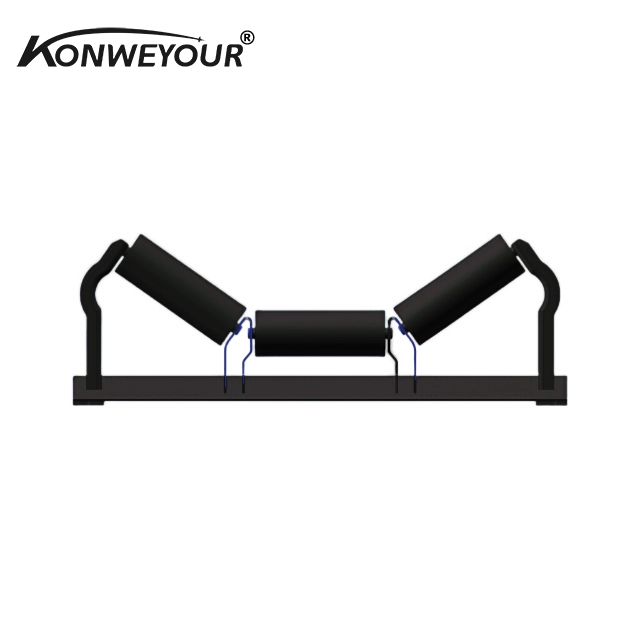
Utilizing high-grade steel and precision bearings to resist abrasion, significantly extending the replacement cycle of conveyor components.
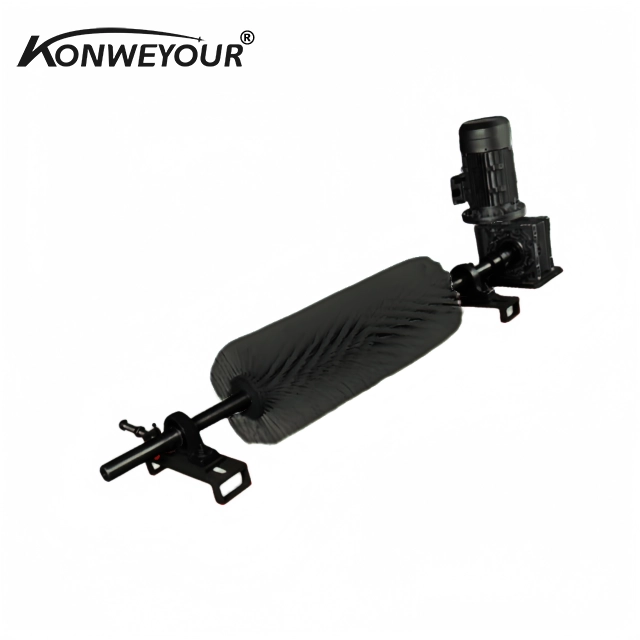
Implementing multi-stage cleaning systems that remove residual material at the head pulley, eliminating spillage and protecting the return belt.
Applying specialized industrial coatings and galvanization to frames, ensuring long-term durability against the humid Ugandan climate.
Integrating low-friction pulley designs and optimized motor alignments to reduce torque requirements and lower overall electricity costs.
Manufacturing to CEMA, DIN, and JIS specifications, ensuring that all conveyor transfer systems are interchangeable and easy to maintain.
Installing heavy-duty impact beds at loading zones to absorb shock, preventing belt punctures and maintaining conveyor alignment.


Technical benchmarks ensuring high-capacity throughput and long-term structural stability.
Analyzing the demand for robust material handling in East Africa's growing mining sector.
Uganda possesses significant mineral wealth, including gold, copper, and cobalt, which drives a consistent demand for heavy-duty bulk material handling. The local market is characterized by a shift from artisanal methods to industrialized mining operations. This transition requires the implementation of reliable mine conveyor systems capable of handling high tonnage in remote locations with limited immediate access to technical support, making equipment durability a primary procurement criterion.
Current market trends show an increasing emphasis on automation and energy efficiency. Operators are moving away from fragmented, manually operated systems toward integrated conveyor networks. There is a growing preference for components that comply with international standards such as CEMA and DIN, as this ensures compatibility with global machinery and simplifies the supply chain for spare parts. The adoption of intelligent monitoring for belt wear and idler health is becoming a key differentiator for top-tier mining sites.
While growth is strong, constraints remain in the form of infrastructure logistics and the need for specialized installation expertise. The opportunity lies in providing customized, modular conveyor solutions that can be easily shipped and assembled on-site. The outlook for the Ugandan market is positive, with projected increases in mineral exports necessitating more efficient coal mine conveyor and ore transport systems to reduce operational overhead and increase safety.
From simple belt movements to intelligent, energy-efficient transport ecosystems.
Modern conveyor systems are moving toward modularity, allowing operators to replace specific sections or components without dismantling the entire line, which is critical for remote Ugandan sites.
There is a significant trend toward using recyclable steel and biodegradable lubricants in conveyor components to meet stricter environmental regulations in the mining sector.
The shift from reactive to predictive maintenance, using sensors to detect bearing failure in rollers before they cause a belt snap, is reducing unplanned outages across the industry.
How technology is redefining the efficiency of bulk conveyor systems.
Integrating automated sensors and adjustable gates at transfer points to optimize material flow and prevent blockages in real-time.
Moving toward advanced synthetic materials that offer higher tensile strength and lower stretch, reducing the frequency of belt tensioning adjustments.
Developing new bearing seals and roller surfaces to minimize rolling resistance, directly lowering the kilowatt requirements for conveyor drives.
Combining pull-cord switches and belt misalignment sensors into a single control loop to ensure immediate shutdown during faults.
The convergence of mechanical robustness and digital intelligence is the primary driver for current system upgrades. In high-tonnage environments, the ability to predict component failure is no longer a luxury but a operational necessity. By utilizing high-precision conveyor components and integrating them with smart monitoring, operators can transition from costly emergency repairs to planned maintenance schedules.
Furthermore, the global push for sustainability is influencing the choice of materials. The industry is seeing a rise in the use of high-performance alloys that offer better strength-to-weight ratios, reducing the carbon footprint associated with transporting heavy machinery to remote sites in Uganda. These advancements ensure that conveyor systems are not only more productive but also more environmentally responsible over their entire lifecycle.
How specialized conveyor solutions are applied in diverse industrial contexts.
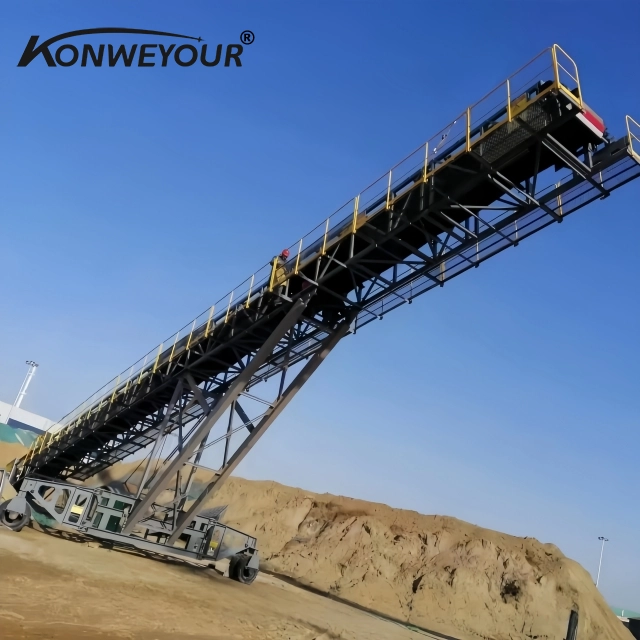
In remote mining areas, heavy-duty mine conveyors are used to move raw ore from the pit to the processing plant. Due to the abrasive nature of the material and the dusty environment, the system utilizes reinforced impact beds at loading points and dust-sealed idlers to prevent premature bearing failure, ensuring continuous flow during peak extraction periods.
At energy production sites, coal mine conveyor systems are deployed for stockpile management. The primary challenge is coal fines buildup on the return belt; the solution involves installing high-efficiency primary and secondary belt cleaners, which reduce manual cleaning labor and prevent material spillage on the facility floor.
In urban industrial zones, conveyors transport limestone and clinker. These systems prioritize energy efficiency and noise reduction. By using precision-engineered pulleys and low-friction rollers, plants can reduce their energy expenditure while meeting local urban noise regulations, maintaining a steady supply of materials for production.
For mineral exports, conveyor transfer systems are used to move material from warehouses to ship loaders. Given the salty air and high humidity of coastal environments, all steel components are treated with advanced anti-corrosion coatings, and stainless steel fasteners are used to prevent structural degradation over time.
Transporting grains or coffee beans requires hygiene-compliant and low-damage systems. The application uses food-grade belt materials and smooth-surface rollers to prevent product contamination and minimize seed breakage, ensuring that the quality of Uganda's agricultural exports is maintained throughout the transport process.
Illustrating the operational impact of high-standard conveyor components in real-world settings.
In high-abrasion ore mining, the implementation of reinforced rollers and specialized impact beds typically results in a significant reduction in belt tearing and unplanned downtime. By upgrading to CEMA-standard components, operators often find that their maintenance intervals are extended, allowing for more predictable production schedules in remote areas.
The transition to integrated belt cleaning systems in coal handling facilities eliminates the need for constant manual sweeping. The combination of primary and secondary scrapers ensures that the return belt remains clean, which not only improves plant hygiene but also prevents the accumulation of combustible dust in the facility.
Sourcing components that meet DIN and JIS specifications is crucial for maintaining diverse fleets of machinery. Using standardized pulleys and idlers ensures that replacement parts fit perfectly without needing on-site modifications, which is essential for maintaining the efficiency of large-scale transfer systems in industrial hubs.
A global provider of industrial conveying system solutions integrating R&D, manufacturing, and service.
Hebei Juntong Machinery Manufacturing Co., Ltd. was established with a dedicated focus on the design, manufacturing, sales, and installation of bulk material handling and conveying equipment.
Launched the first series of self-developed high-performance conveyor systems, gaining strong recognition in the domestic market for quality and reliability.
Began exploring overseas markets, with the first batch of products exported to Southeast Asia, marking the company’s step towards internationalization.
Implemented advanced manufacturing technologies and modernized production lines, significantly increasing annual production capacity and efficiency.
Products successfully exported to over 40 countries and regions, including Asia, Europe, Africa, the Americas, and the Middle East.
Continued investment in R&D to develop energy-efficient and eco-friendly conveyor solutions, meeting the evolving needs of clients worldwide.

Common questions regarding the selection and maintenance of industrial conveying equipment.
CEMA (Conveyor Equipment Manufacturers Association) and DIN (Deutsches Institut für Normung) are the two primary global standards. The main differences lie in the dimensional specifications of rollers, pulleys, and load ratings. CEMA is widely used in North America, while DIN is the standard in Europe and many African regions. Choosing the correct standard ensures that replacement idlers and rollers fit your existing frames without modification. We manufacture to both standards to provide maximum flexibility for international clients.
In abrasive mining environments, weekly visual inspections are recommended, with detailed technical audits every month. Key indicators of failure include unusual noise, visible wear on the roller shell, or seized bearings. In high-tonnage operations, implementing a predictive maintenance schedule based on operating hours is more effective than reactive replacement. Using high-grade, precision-engineered rollers can extend these intervals, reducing the risk of belt misalignment or catastrophic belt failure.
Yes, customization is a core part of our service. For the Ugandan market, we specifically offer enhanced anti-corrosion coatings for steel structures to combat high humidity and oxidation. We can also specify specialized belt materials that resist the specific chemical properties of the minerals being transported. Whether it is adjusting the frame gauge for extra rigidity or selecting high-temperature bearings for specific processing areas, our engineering team tailors the system to the local environmental and operational constraints.
The most effective approach is a combination of proper chute design and the use of impact beds. Impact beds absorb the energy of falling material, preventing the belt from sagging and creating gaps where spillage occurs. Additionally, installing high-efficiency belt cleaners at the head pulley prevents material from being carried back along the return belt. Ensuring that the transfer point is correctly aligned with the receiving conveyor is also critical to minimize turbulence and side-spillage.
Pulley lagging increases the friction between the pulley and the belt, which prevents belt slippage, especially in wet or dusty conditions. This is critical for maintaining the rated capacity of the conveyor. Proper lagging reduces the wear on the belt's inner surface and ensures that the motor's power is efficiently transferred to the material. We offer various lagging materials, including rubber and ceramic, depending on the required grip and the abrasiveness of the material being transported.
The first step is a comprehensive technical audit to identify the current bottlenecks—whether it is frequent component failure, high energy costs, or excessive spillage. Once the pain points are mapped, we recommend a phased upgrade: starting with the most critical components like idlers and belt cleaners, followed by the integration of impact beds, and finally optimizing the drive systems. This allows operators to improve reliability immediately while spreading the investment over a manageable timeframe.
Whether you are managing a gold mine, a coal facility, or an industrial plant, Hebei Juntong Machinery provides the precision engineering required to eliminate downtime. Our team is ready to help you select the right CEMA or DIN compliant components to ensure your operations run smoothly and safely in any environment.
Discuss Your Requirements

