



Mining and industrial operators in Egypt face specific environmental and technical constraints that hinder transportation efficiency.
High concentrations of desert sand and mineral dust in Egyptian mines cause rapid erosion of conveyor belts and rollers, leading to frequent unscheduled downtime and high replacement costs.
Extreme temperature fluctuations in North African climates cause belt stretching and tension fluctuations, which often result in belt misalignment and increased risk of material spillage.
Mixing legacy equipment with new parts often creates mismatched specifications. The lack of standardized conveyor components leads to inefficient transfers and mechanical vibration.
Outdated drive systems and high-friction idlers in older coal mine conveyor setups increase electricity costs and carbon footprints, impacting the overall profitability of the site.
The difficulty of sourcing high-precision spare parts locally in Egypt often extends the mean time to repair (MTTR), stalling critical production lines for days or weeks.
Ineffective cleaning systems allow sticky or fine minerals to adhere to the belt, contaminating the conveyor structure and increasing the labor required for manual cleaning.
We provide a systematic approach to eliminate bottlenecks through precision manufacturing and global technical standards.
Utilizing high-grade alloys and specialized coatings, our rollers resist abrasive desert dust, extending the service life of the support system in harsh Egyptian environments.
Customized pulley systems and advanced take-up units compensate for thermal expansion, ensuring the belt remains centered and stable despite extreme temperature shifts.
We manufacture according to CEMA, DIN, and JIS standards, ensuring that our conveyor transfer systems integrate seamlessly with existing global machinery.
By optimizing bearing precision and shell smoothness, we reduce rolling resistance, which directly lowers the energy required to drive heavy-duty mining loads.
Providing a one-stop supply of impact beds, pulleys, and belts reduces procurement lead times, allowing Egyptian operators to maintain lean inventories without risking downtime.
Our advanced belt cleaners utilize precision blade geometry to remove carry-back material effectively, maintaining system hygiene and reducing manual intervention.
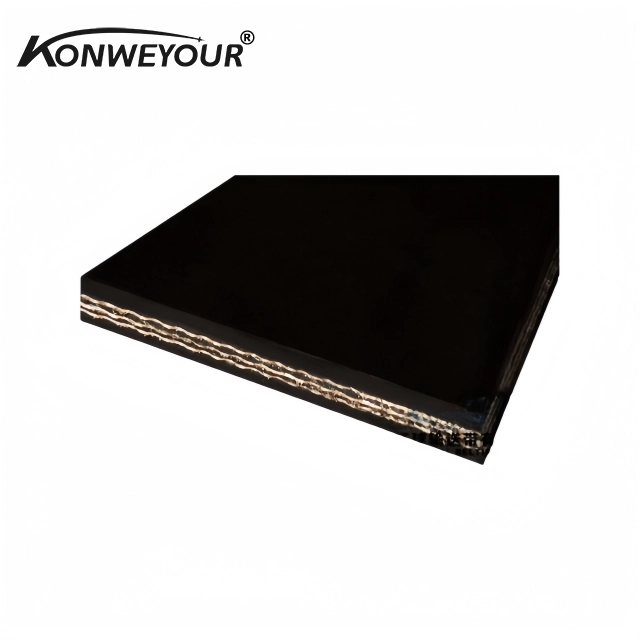
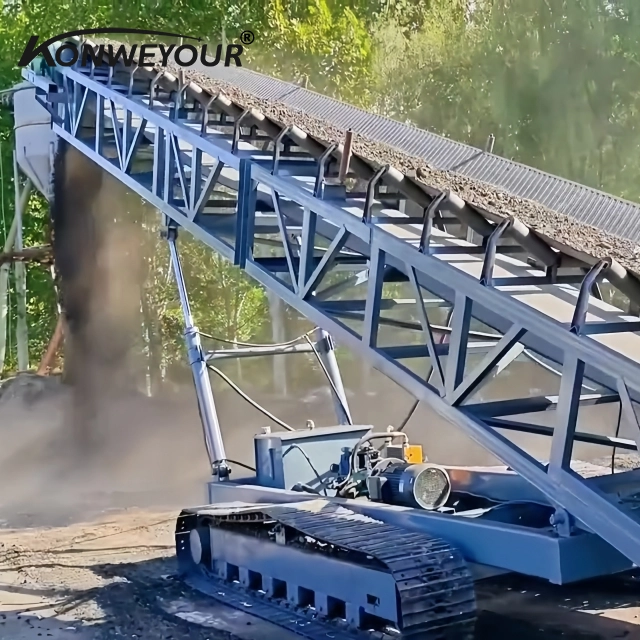
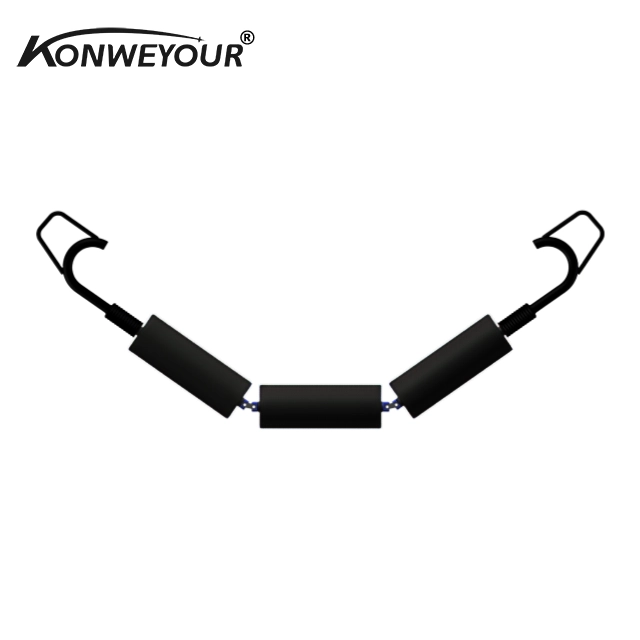
Quantifiable benchmarks reflecting our manufacturing precision and global reach.
Analyzing the intersection of mining growth and infrastructure modernization in North Africa.
Egypt's industrial sector, particularly in mining and minerals, is characterized by massive bulk material movements across challenging terrains. From phosphate mining in the south to port logistics along the Suez Canal, the demand for robust mine conveyor systems is critical. The market is currently transitioning from basic mechanical transport to integrated systems that can withstand high salinity in coastal areas and extreme alkalinity in mining zones, necessitating materials that offer superior corrosion and wear resistance.
Current market trends show a significant shift toward energy-efficient automation. Egyptian operators are increasingly moving away from fragmented spare parts procurement toward comprehensive solution providers who can guarantee the interoperability of idlers, pulleys, and belts. There is a growing emphasis on "Life Cycle Cost" (LCC) rather than initial purchase price, as the cost of downtime in large-scale coal or mineral mines outweighs the investment in high-performance, precision-engineered components.
The outlook for the Egyptian market is one of strategic modernization. As the government invests in infrastructure and mining expansion, the primary constraint remains the availability of high-standard technical support and genuine spare parts. This creates a significant opportunity for providers who can offer customized solutions meeting international CEMA or DIN specifications, allowing local industries to align their operational efficiency with global benchmarks while reducing dependence on erratic local supply chains.
From simple belts to intelligent, energy-efficient transportation ecosystems.
The industry has moved from selling individual rollers to providing fully engineered transfer systems. This shift ensures that every part of the conveyor system is optimized for the specific material density and environmental conditions of the site.
The introduction of advanced polymers and reinforced alloys has drastically reduced the friction coefficient and wear rates. This allows for longer conveyor spans and reduced energy consumption per ton of material moved.
Modern systems are now designed to accommodate sensors that monitor bearing temperature and vibration, allowing operators to replace components before a failure occurs, thus eliminating unplanned shutdowns.
Identifying the technological drivers that will define the next decade of industrial transport.
Implementation of variable frequency drives (VFDs) and low-rolling-resistance idlers to cut power consumption by aligning belt speed with actual load requirements.
Shift toward recyclable belt materials and lubricants that are biodegradable, reducing the environmental impact of leakage in sensitive ecological zones.
Development of "plug-and-play" conveyor segments that allow for rapid onsite assembly and reconfiguration, drastically reducing installation time and labor costs.
Integration of vibration and heat sensors in conveyor components to feed real-time data into central dashboards for predictive maintenance.
The convergence of automation and material science is transforming the conveyor from a passive tool into an active asset. In regions like Egypt, the focus is not just on moving material, but on doing so with minimal energy waste. The transition toward intelligent systems allows for "demand-based" conveying, where the system adjusts its performance based on the real-time flow of minerals, significantly reducing wear on pulleys and belts during low-load periods.
Furthermore, the industry is seeing a rise in "Hybrid Transport Systems" that combine traditional belt conveyors with specialized transfer points to minimize material degradation. This is particularly important for fragile minerals or those prone to dusting, where the precision of the transfer system determines the final quality of the output. By optimizing the angle and speed of transfer, companies can reduce dust emissions and improve overall plant safety.
Real-world applications of high-performance conveying systems across various Egyptian industrial sites.
In high-dust environments with abrasive phosphate ore, operators deploy wear-resistant idlers and heavy-duty belts. The local condition of extreme heat and fine silica dust requires sealed bearings and reinforced shells to prevent premature failure and maintain continuous flow from the pit to the processing plant.
Coastal ports handle massive volumes of grain and minerals. Due to high humidity and salt spray, corrosion-resistant conveyor components are essential. The solution involves galvanized structures and specialized pulley coatings to ensure long-term structural integrity against marine corrosion.
Continuous coal mine conveyor systems are used to feed boilers. The problem is often coal dust accumulation and belt slip. By implementing precision belt cleaners and high-friction lagging on drive pulleys, plants reduce material wastage and eliminate slip-related downtime.
Cement production involves transporting limestone and clay. Heavy impact at loading points causes belt punctures. The installation of specialized impact beds at transfer points absorbs the kinetic energy of falling rocks, protecting the belt and extending its service life significantly.
In Egypt's agricultural hubs, grain transport requires food-grade belt materials and dust-proof enclosures. Using low-friction rollers and precision alignment systems prevents grain leakage and reduces the risk of dust explosions, ensuring compliance with safety regulations.
Illustrating how our systems perform in typical industrial environments.
Typical mining operations in North Africa often struggle with roller failure due to fine dust. By upgrading to sealed, high-precision idlers, operators generally see a marked decrease in unplanned maintenance and a more stable material flow across long-distance conveyors.
In port logistics, the combination of salt air and heavy loads creates a corrosive environment. The implementation of galvanized conveyor components and specialized pulley lagging provides the necessary durability to ensure 24/7 operation without frequent corrosion-related repairs.
For heavy-duty cement plants, impact beds are the most critical investment. Replacing standard rollers with impact-absorbing beds at the loading zone typically eliminates the most common cause of belt tears, significantly increasing the uptime of the raw material feed line.
A legacy of precision, innovation, and global service in the conveying industry.
Hebei Juntong Machinery Manufacturing Co., Ltd. was established with a core focus on the design, manufacturing, sales, and installation of professional bulk material handling and conveying equipment.
Launched the first series of self-developed high-performance conveyor systems, gaining strong recognition in the domestic market for quality, reliability, and engineering excellence.
Began exploring overseas markets, with the first batch of products exported to Southeast Asia, marking the company’s strategic transition into a global equipment supplier.
Implemented advanced manufacturing technologies and modernized production lines, significantly increasing annual production capacity and operational efficiency.
Products successfully exported to over 40 countries and regions, including Asia, Europe, Africa, the Americas, and the Middle East, establishing a trusted global brand.
Continued investment in R&D to develop energy-efficient and eco-friendly conveyor solutions, meeting the evolving technical and environmental needs of clients worldwide.

Technical clarifications regarding conveyor systems and their implementation in Egypt.
CEMA (Conveyor Equipment Manufacturers Association) and DIN (German Institute for Standardization) differ primarily in dimensional tolerances, load ratings, and testing methodologies. CEMA is widely used in North American markets, while DIN is common in Europe and many African regions. Hebei Juntong manufactures components compliant with both, allowing us to provide the specific geometry and load capacity required for your existing system's architecture without needing costly structural modifications.
The most effective way to reduce maintenance costs is to transition from standard rollers to high-precision, sealed idlers and to install efficient belt cleaners. Sealed bearings prevent the ingress of abrasive dust, which is the leading cause of roller seizure. Additionally, a high-quality belt cleaning system prevents carry-back, which reduces the wear on return idlers and minimizes the labor cost associated with manual cleaning. Implementing a preventive replacement cycle based on measured wear rates further avoids catastrophic downtime.
Yes, we specialize in customization for extreme climates. For the Egyptian market, we provide belt materials with higher thermal stability and tensioning systems designed to handle significant expansion and contraction cycles. Our pulleys can be specified with heat-resistant lagging to ensure consistent grip and prevent slippage during the hottest months of the year. We analyze the specific temperature range of your site to recommend the appropriate material grade and mechanical tolerances.
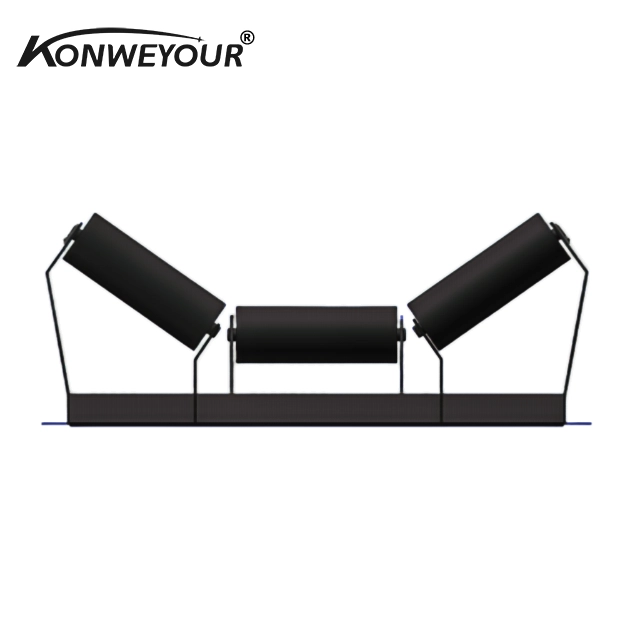
Standard idlers provide point support, which allows the belt to sag under heavy impact, creating stress concentrations that lead to punctures and tears. Impact beds provide a continuous, cushioned support surface that distributes the energy of falling bulk materials evenly. This mechanism prevents belt deformation, protects the belt carcass from puncture, and ensures that the material is centered on the belt, reducing spillage and improving the overall efficiency of the transfer point.
Selection depends on the material density, belt speed, and the abrasiveness of the load. For heavy mining applications, a larger diameter often reduces the rolling resistance, while a thicker shell prevents deformation under high loads. In abrasive environments like Egyptian phosphate mines, we recommend reinforced shell thickness to extend the wear life. Our engineering team evaluates your specific tonnage per hour and belt tension to provide a technical specification that balances cost with the required equipment lifespan.
The first step is to provide us with your current technical specifications, including belt width, material type, tonnage requirements, and the specific environmental challenges of your site. Once we have this data, our engineers will perform a requirement analysis and propose a customized bill of materials, including the optimal combination of idlers, pulleys, and cleaning systems. You can initiate this process by visiting our contact page to submit your requirements for a professional technical consultation.
Whether you are managing a large-scale mining project in the Western Desert or port logistics along the coast, our team provides the technical expertise to reduce your downtime. From precision conveyor components to full system design, we help Egyptian operators build sustainable and low-consumption transport ecosystems. Discuss your technical requirements with us today to receive a customized solution tailored to your specific operational environment.
Discuss Your Requirements

