
Jun. 20, 2026
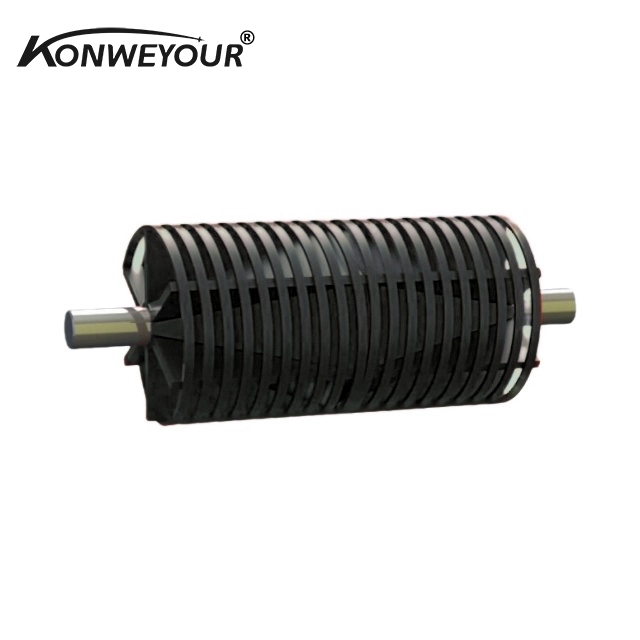
In the demanding world of material handling, the durability of your equipment directly impacts your operational uptime. rubber covered conveyor rollers serve as a critical component in ensuring that conveyor belts operate smoothly while minimizing wear and tear. By adding a resilient rubber layer to the steel core, these rollers provide superior grip, shock absorption, and protection against corrosive environments. Whether you are managing a mining site or a food processing plant, understanding the technical advantages of rubber lagging can help you reduce maintenance costs and prevent unexpected downtime. In this guide, we will explore why these specialized rollers are the preferred choice for heavy-duty industrial applications.

Standard steel rollers are efficient for light loads, but they often suffer from slippage and rapid wear when handling heavy or abrasive materials. The primary advantage of rubber covered conveyor rollers is the significantly increased coefficient of friction. This prevents the conveyor belt from slipping, especially in wet or oily conditions, which ensures a consistent flow of materials. Additionally, the rubber layer acts as a cushion, absorbing impacts from falling debris that would otherwise dent a steel surface. This shock-absorbing quality not only protects the roller but also extends the overall lifespan of the conveyor belt itself by reducing localized stress points.
Industry Insight: Rubber lagging can reduce belt slippage by up to 40% in high-moisture environments, directly increasing the throughput of the entire production line.
When selecting the right roller, it is essential to consider the hardness of the rubber and the bonding method used. Most high-quality rubber covered conveyor rollers are manufactured using cold-vulcanization or heat-curing processes to ensure the rubber does not peel away under high tension. Depending on the application, the rubber compound may be formulated for oil resistance, high-temperature tolerance, or extreme abrasion resistance. Below is a detailed specification table for standard industrial rubber rollers.
While both rubber and polyurethane (PU) provide a covering for conveyor rollers, they serve different purposes. rubber covered conveyor rollers are generally more cost-effective and provide superior shock absorption, making them ideal for bulk material handling where impact is frequent. Polyurethane, on the other hand, offers higher abrasion resistance and better chemical stability but at a significantly higher price point. For most general industrial applications, rubber provides the best balance of performance and ROI.

The versatility of these rollers allows them to be used across a vast array of sectors. In the Mining and Quarrying industry, they are used to move heavy ores where the rubber prevents the belt from slipping under extreme loads. In Logistics and Warehousing, they ensure that parcels move smoothly without slipping off the line. Furthermore, the Food and Pharmaceutical industries utilize specialized food-grade rubber covered conveyor rollers that are easy to clean and resistant to organic acids. Their ability to operate quietly also makes them a preferred choice for indoor environments where noise pollution must be minimized.
To maximize the investment in your rubber covered conveyor rollers, a proactive maintenance schedule is essential. First, regularly inspect the rubber surface for "flat spots" or deep gouges that could cause belt misalignment. Second, ensure that the rollers are properly aligned; a misaligned roller will cause uneven wear on the rubber covering, leading to premature failure. Lastly, clean the rollers to remove buildup of debris or chemicals that could degrade the rubber compound over time. By implementing these simple steps, operators can significantly extend the time between replacements.
Not all rollers are created equal. The quality of the bonding between the rubber and the steel core is the most common point of failure. When sourcing rubber covered conveyor rollers, look for suppliers who provide certified materials and utilize precision machining. A reputable manufacturer will offer a variety of rubber compounds tailored to your specific environmental needs—whether that is heat resistance for smelting plants or oil resistance for automotive assembly lines. Investing in high-precision rollers ensures that your system maintains its efficiency without frequent interruptions.
Implementing high-quality rubber covered conveyor rollers is a strategic move for any operation looking to enhance reliability and reduce operational costs. By providing essential grip, impact protection, and durability, these rollers solve the most common problems associated with belt slippage and mechanical wear. From mining to logistics, the right roller choice ensures that your conveyor system operates at peak performance. For those seeking the best in industrial conveyor solutions, choosing precision-engineered rubber rollers is the path to long-term efficiency.
The replacement cycle varies based on the material being handled and the environment. In mild conditions, rubber rollers can last several years. However, in highly abrasive mining environments, they may need inspection every 6-12 months. You should replace them immediately if you notice significant rubber peeling, "flat spots" from prolonged inactivity, or if the roller no longer provides sufficient grip, leading to belt slippage. Regular audits can prevent sudden system failures.
Yes, but it depends on the rubber compound used. Standard rubber is suitable for ambient temperatures, but for high-heat applications, specialized heat-resistant rubber (such as silicone or EPDM blends) is required. These specialized rubber covered conveyor rollers can withstand temperatures up to 120°C or higher without degrading or losing their adhesive bond to the steel core. Always specify your operating temperature when ordering.
Delamination—where the rubber peels away from the steel—is usually caused by poor bonding during manufacturing or exposure to incompatible chemicals. If the steel core wasn't properly cleaned and primed before the rubber was applied, the bond will be weak. Additionally, using a standard rubber roller in an environment with strong solvents or oils can chemically break down the bond. Choosing a supplier with advanced vulcanization processes is the best way to prevent this issue.
Actually, they often decrease energy consumption in the long run. While the rubber adds a small amount of rolling resistance, the elimination of belt slippage means the motor doesn't have to work harder to overcome friction loss caused by sliding. By improving the efficiency of the power transmission from the drive roller to the belt, rubber covered conveyor rollers help the system run more smoothly and consistently.
Mar 05,26
Comprehensive Guide to Steel Conveyor Rollers with Bearings for Efficient Systems

Aug 24,26
High Performance Rubber Steel Spiral Conveyor for Sale
Dec 03,25
Comprehensive Guide to Conveyor Belt System Parts – Industry & Global Applications

Jun 20,26
Advanced Tracking Solutions for Coal Mine Conveyor Belt Systems
Dec 08,25
Reliable Conveyor Parts Manufacturer for Industrial Equipment
Dec 07,25
Conveyor Parts Suppliers: Insider Tips & Vendor Comparison
SUBSCRIBE NEWSLETTER