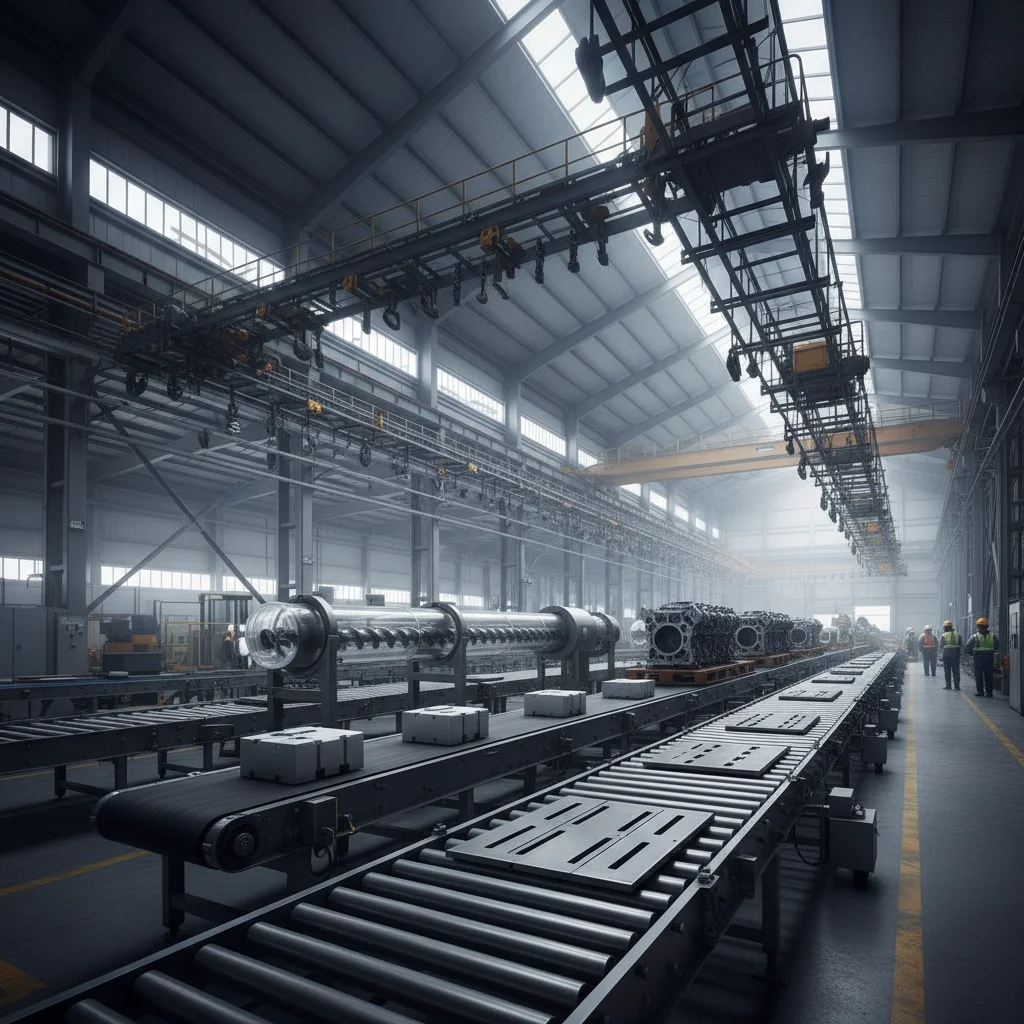
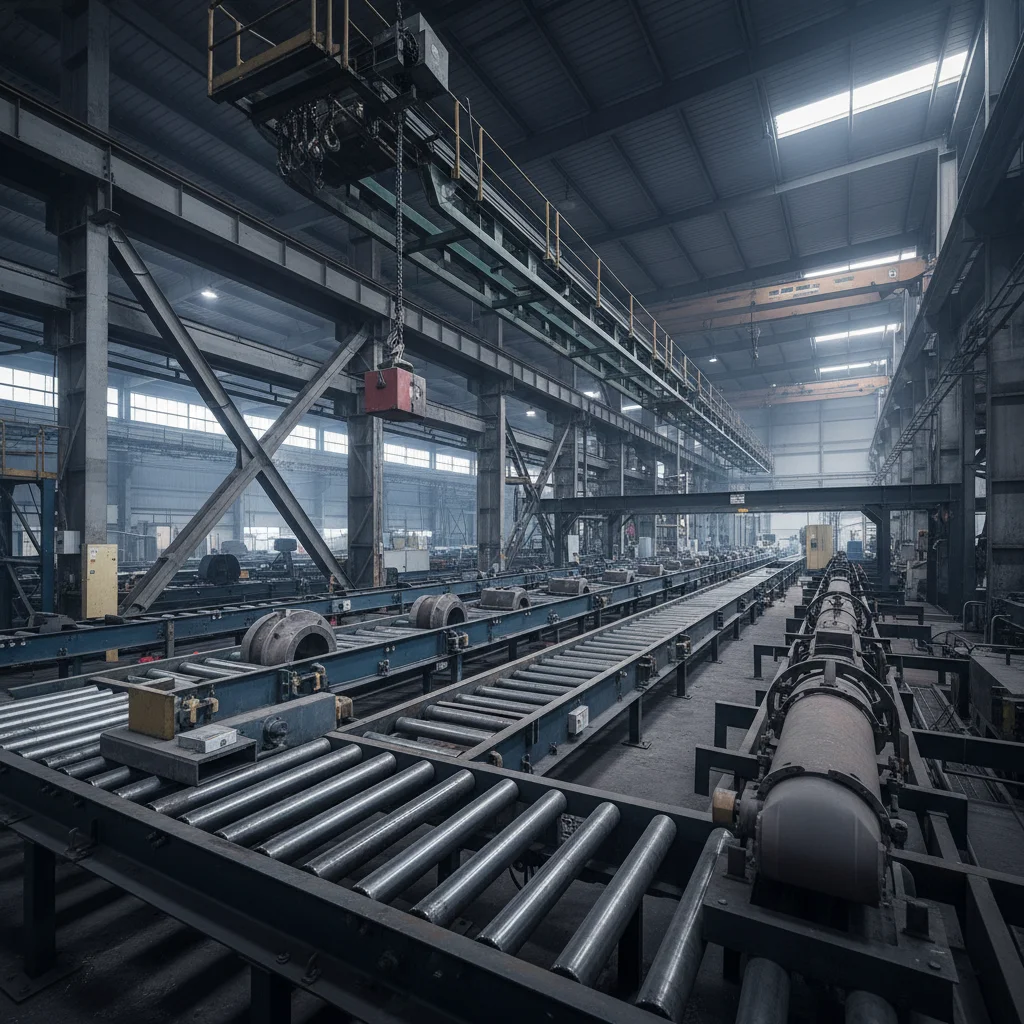
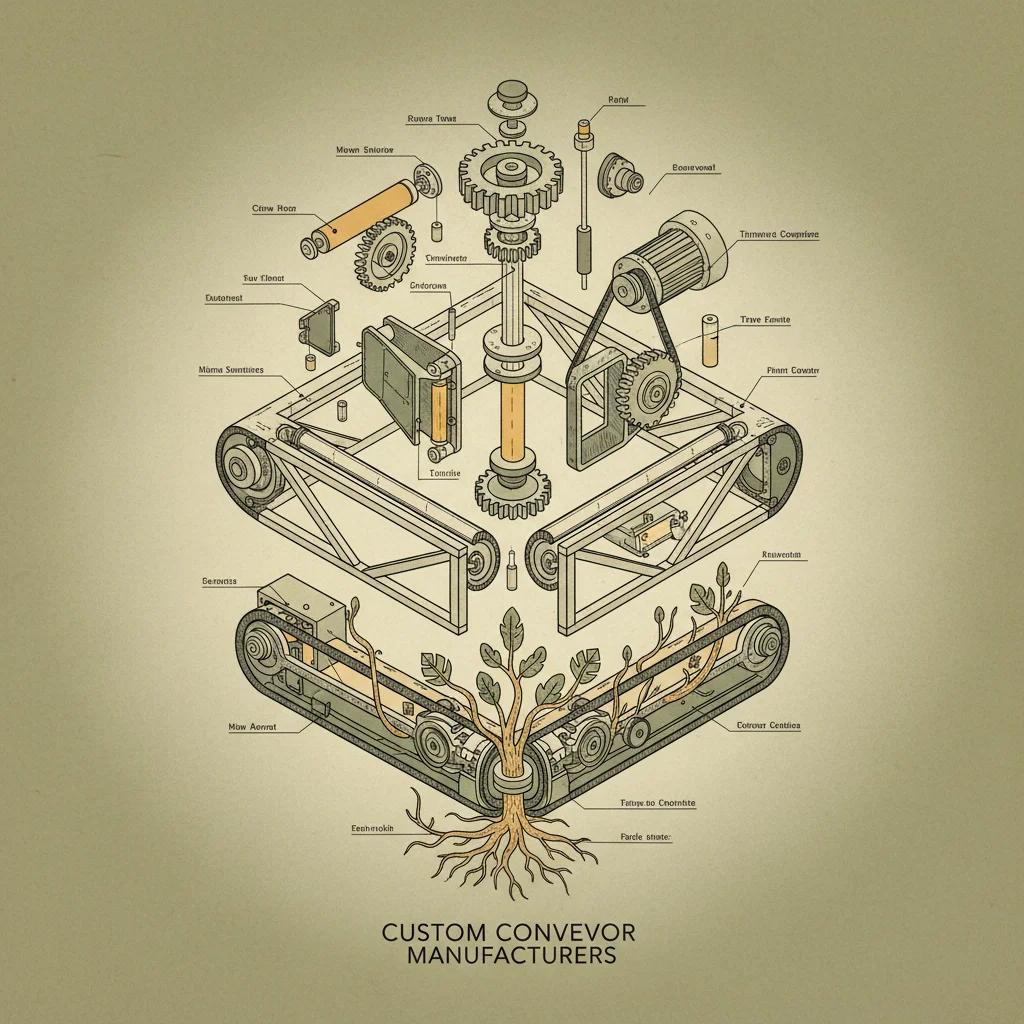
In the demanding landscape of industrial logistics, the efficiency of bulk material handling conveyors serves as the backbone for global production. These systems are engineered to move vast quantities of raw materials—from mineral ores to construction aggregates—with precision and speed, ensuring that supply chains remain uninterrupted. Understanding the nuances of conveyor components is essential for any operation seeking to maximize throughput while minimizing operational risk.
One of the most critical challenges in these systems is the management of impact forces at loading points. When heavy or bulky materials drop onto a moving belt, the resulting shock can lead to premature belt wear, structural deformation, and costly unplanned downtime. Addressing these stresses requires specialized engineering solutions that can absorb energy without compromising the stability of the entire conveying line.
The introduction of advanced components, such as Impact Rollers With Rubber Rings, has revolutionized how industries approach belt protection. By integrating cushioning technology directly into the support structure, operators can significantly extend the service life of their bulk material handling conveyors, transforming a high-wear zone into a streamlined, durable segment of the production line.

The Critical Role of Impact Protection in Conveying Systems
In any high-capacity setup involving bulk material handling conveyors, the loading zone is the most vulnerable point. This is where gravity-fed materials hit the belt at high velocities, creating localized pressure spikes that can cause the belt to sag or the carcass to rupture. Without proper impact buffering, the frequency of belt replacement increases exponentially, leading to significant financial losses.
The implementation of specialized impact rollers transforms this vulnerability into a strength. By providing a flexible yet supportive base, these components ensure that the kinetic energy of falling material is dissipated through the roller rather than being absorbed by the conveyor belt, thereby maintaining the integrity of the entire transport system.
Engineering the Impact Roller With Rubber Rings
The Impact Roller With Rubber Rings is a precision-engineered component designed specifically for the harshest environments. At its core is a high-strength steel tube that provides the necessary structural rigidity to support heavy loads without bending. Surrounding this core are high-quality rubber rings, which act as dynamic cushions that compress upon impact and then return to their original shape.
This synergy between the steel core and the rubber rings ensures a balance of durability and flexibility. The rubber is selected for its high resistance to abrasion and deformation, meaning it can withstand thousands of impact cycles without losing its buffering capacity. This is essential for bulk material handling conveyors operating in abrasive environments like mining or quarrying.
Furthermore, the design focuses on reducing the overall vibration of the conveyor frame. By absorbing shock at the source, these rollers prevent the transmission of vibrations through the support structure, which not only protects the bearings and pulleys but also creates a safer, quieter working environment for personnel.
Core Functional Benefits for Industrial Operations
The primary objective of integrating specialized rollers into bulk material handling conveyors is the drastic reduction of belt wear. By cushioning the impact forces, the rubber rings prevent the material from "punching through" the belt cover, which is a common cause of carcass exposure and eventual belt failure.
Operational stability is significantly enhanced through vibration reduction. In large-scale systems, excessive vibration can lead to the loosening of fasteners and the misalignment of bulk material handling conveyors components, causing tracking issues that further damage the belt edges. The buffering effect of the rubber rings mitigates these risks.
Beyond physical protection, there is a clear economic advantage. Reducing the frequency of belt repairs and roller replacements lowers the total cost of ownership (TCO). When downtime is measured in thousands of dollars per hour, the reliability provided by high-quality impact rollers becomes a critical competitive advantage.
Performance Metrics and Comparative Efficiency
When evaluating the effectiveness of different support systems for bulk material handling conveyors, the focus is usually on impact absorption and longevity. Standard steel rollers offer high load capacity but zero shock absorption, whereas rubber-ringed rollers provide a tailored response to dynamic loads.
The following data illustrates the comparative performance ratings of various support methods used in impact zones, highlighting why cushioned solutions are preferred for heavy-duty bulk handling.
Impact Support Efficiency for Bulk Material Handling Conveyors
Strategic Applications Across Global Industries
The versatility of the Impact Roller With Rubber Rings makes it indispensable across various sectors. In the mining and quarrying industries, where heavy ores and crushed stone are transferred at high volumes, these rollers protect the belt from the sheer force of falling rocks. This ensures that bulk material handling conveyors can operate continuously in the most abrasive environments on earth.
Beyond mining, these components are widely used in metallurgy, dock operations, and large-scale construction sites. Whether it is handling coal at a power plant or aggregates at a concrete batching plant, the ability to reduce noise and vibration while protecting the belt surface makes rubber-ringed rollers the professional choice for any high-impact transfer station.
Long-Term Value and Maintenance Reduction
Investing in high-quality impact protection for bulk material handling conveyors is a strategic decision that pays dividends in reduced maintenance costs. By preventing the initial damage to the belt, the need for frequent patching and splicing is eliminated, which in turn reduces the labor costs associated with conveyor maintenance.
Furthermore, the reduction in noise pollution is a significant secondary benefit. The rubber rings act as acoustic dampers, reducing the deafening clang of materials hitting steel rollers. This improves the workplace environment and helps facilities comply with strict occupational health and safety (OHS) noise regulations.
Ultimately, the stability provided by these rollers leads to higher production efficiency. When a conveyor system is stable and the belt is in peak condition, the risk of material spillage is reduced, and the overall throughput of the bulk material handling conveyors remains consistent, maximizing the ROI of the entire installation.
Technical Specifications and Material Analysis
The performance of an Impact Roller With Rubber Rings is directly tied to the quality of its materials. The steel core must be treated to resist corrosion, especially in wet or chemical-heavy environments, while the rubber must be formulated to resist ozone degradation and temperature extremes.
In the context of bulk material handling conveyors, the geometry of the rubber rings is also critical. The spacing and thickness of the rings are calculated to provide the optimal balance between support and flexibility, ensuring the belt does not sag excessively while still absorbing the maximum amount of shock.
To better understand the technical suitability of these rollers, we can analyze them across several key performance dimensions.
Technical Performance Analysis of Rubber Ring Impact Rollers
| Performance Dimension | Material Requirement | Operational Impact | Efficiency Score (1-10) |
|---|
| Shock Absorption | High-Elasticity Rubber | Reduces belt carcass stress | 10 |
| Structural Rigidity | High-Strength Steel Core | Prevents roller deformation | 9 |
| Abrasion Resistance | Wear-Resistant Rubber | Extends component lifespan | 8 |
| Vibration Damping | Damping Rubber Rings | Stabilizes conveyor frame | 9 |
| Corrosion Protection | Galvanized/Coated Steel | Suitable for outdoor use | 7 |
| Noise Reduction | Composite Rubber | Improves workplace safety | 9 |
FAQS
Unlike standard rollers, which are typically solid steel or PVC and provide rigid support, Impact Rollers With Rubber Rings feature an elastic cushioning layer. This allows them to absorb the kinetic energy of falling materials in bulk material handling conveyors, preventing the belt from sustaining impact damage and reducing overall system vibration.
These rollers are specifically designed for "impact zones." This includes loading points where material is first dropped onto the belt, transfer stations where material moves from one conveyor to another, and any area where bulky or heavy materials are introduced into the system.
Yes, they are designed for such conditions. By utilizing high-quality, wear-resistant rubber and a durable steel core, these rollers maintain their structural integrity even when exposed to abrasive bulk materials, making them ideal for mining and quarrying applications.
Absolutely. The most common cause of belt failure in bulk material handling conveyors is impact-induced punctures or tears at loading points. By buffering these forces, the rollers significantly extend the belt's service life, reducing the frequency and cost of replacements.
Replacement is necessary when the rubber rings show signs of excessive wear, deep cracking, or permanent deformation (loss of elasticity). Additionally, if you notice increased belt sagging or audible noise in the loading zone, the rollers may have lost their buffering capacity.
Yes, they are compatible with most standard conveyor belts used in bulk handling, including rubber-covered belts and fabric-reinforced belts. They are designed to provide a universal cushioning effect regardless of the belt material.
Conclusion
The integration of Impact Rollers With Rubber Rings is a fundamental step in optimizing the performance and longevity of bulk material handling conveyors. By combining the structural strength of steel with the energy-absorbing properties of high-grade rubber, these components effectively eliminate the most common points of failure in material transport systems. From reducing belt wear and mitigating vibrations to lowering long-term maintenance costs, the value they add to industrial operations is undeniable.
As industries move toward greater automation and higher throughput, the demand for reliable, low-maintenance components will only grow. Investing in superior impact protection today ensures that your conveying systems remain resilient, safe, and efficient for years to come. For those looking to enhance their system's durability and operational stability, exploring advanced conveyor components is the most effective path forward. Visit our website: www.jtconveyor.com