Understanding Belt Trackers Conveyor: Why They Matter Globally
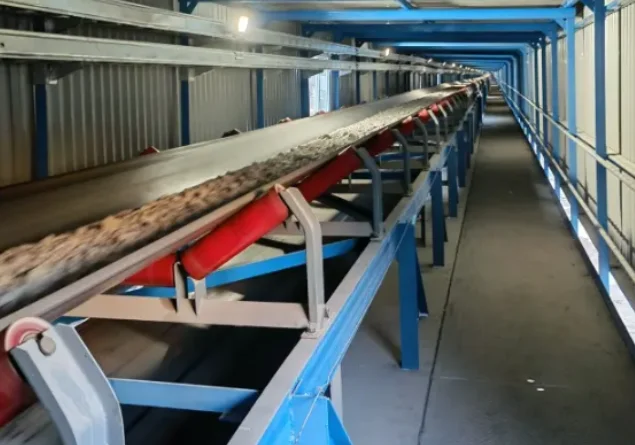
If you’ve ever had the chance to peek inside a busy warehouse or an industrial plant, you might have noticed endless conveyor belts hustling to move products, materials, or goods. But have you ever stopped to wonder what keeps those belts running smoothly and aligned? That’s exactly where belt trackers conveyor systems come into play. They’re a quiet yet essential backbone ensuring conveyor belts stay on track—literally.
Globally, the efficient movement of goods fuels industries, lowers waste, and boosts safety. According to the International Organization for Standardization (ISO), conveyor belt misalignment is among the leading causes of downtime in manufacturing plants worldwide, costing billions each year. Understanding and leveraging belt tracker systems can drastically reduce these inefficiencies, making supply chains more resilient and operational costs leaner.
Mini takeaway: Belt trackers conveyor isn’t just a tech detail—it’s a vital element that supports global industry, safety, and sustainability.
Why Belt Trackers Conveyor Systems Are More Relevant Than Ever
Industrial automation is on the rise, fueled by reports from the United Nations showing that manufacturing output has grown by over 3% annually in emerging economies since 2010. Yet as production scales, so do the challenges. Conveyor belts, the silent workhorses, face constant strain—misalignment, wear, and tear lead to costly halts and maintenance.
Here’s the challenge: when a conveyor belt drifts off-center, it causes uneven wear, product spillage, and safety hazards. In logistics hubs—think ports and warehouses—this can create ripple effects that delay deliveries globally. Enter the solution: belt trackers conveyor to the rescue.
What is a Belt Tracker Conveyor Exactly?
Simply put, a belt tracker conveyor system is a device or set of components designed to keep conveyor belts properly aligned during operation. Staying true to its word, it “tracks” the belt’s path, correcting lateral shifts before they escalate into bigger problems.
Such systems range from mechanical rollers, edge guides, to smart sensors paired with automated actuators in high-tech setups. Their importance stretches beyond factories. For instance, in humanitarian aid supply chains, where timely delivery of relief materials can save lives, belt trackers keep everything flowing even in adverse conditions.
Mini takeaway: Belt tracking is a deceptively simple concept with outsized impacts, especially where precision and reliability can’t be compromised.
Core Components that Make Belt Trackers Conveyor Work
1. Mechanical Alignment Rollers
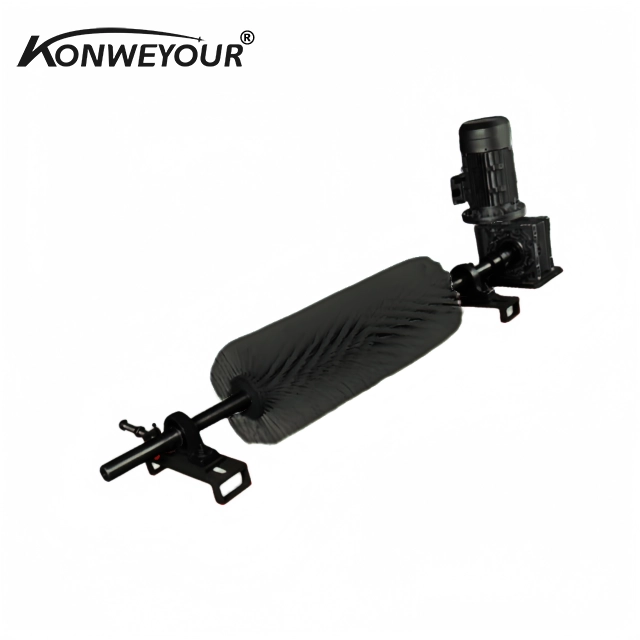
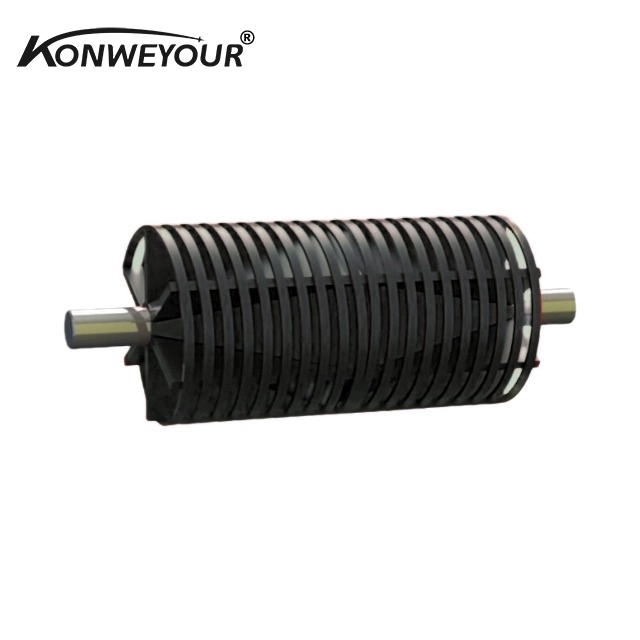
The most fundamental element, these rollers physically nudge belts back on track. Often adjustable, they provide a first line of defense against lateral belt shifts.
2. Sensor-Based Detection Systems
Modern trackers use optical or ultrasonic sensors that detect misalignment early. Once identified, controls activate actuators to realign belts automatically—a kind of conveyor “self-awareness.”
3. Automated Actuators and Controls
These parts play a corrective role by adjusting roller angles or tension, helping the belt find its groove again without requiring manual intervention.
4. Durability and Material Selection
Because these systems often face harsh industrial environments—extreme temperatures, dust, moisture—their components need to be robust. Corrosion-resistant metals and wear-resistant plastics dominate here.
5. Scalability and Custom Design
Whether a small food packaging line or a huge mining operation, conveyor systems come in all sizes. Effective belt trackers conveyor solutions scale accordingly and can be customized to fit specific belt widths, speeds, and material types.
6. Cost Effectiveness
While initial investments might vary widely, the reduction in downtime and maintenance cost often leads to rapid ROI. Smart designs focus on balancing upfront costs with long-term savings.
| Specification |
Typical Value |
Notes |
| Belt Width Compatibility |
300 mm - 1800 mm |
Adjustable for various industrial uses |
| Roller Material |
Stainless steel / Hard plastic |
Chose for corrosion resistance, durability |
| Sensor Type |
Optical / Ultrasonic |
Enables early detection of misalignment |
| Operating Temperature |
-20°C to 60°C |
Suitable for most indoor/outdoor settings |
| Power Requirement |
12V - 24V DC |
For sensor-actuator systems |
| Typical Correction Response Time |
0.5 - 1 second |
Fast-acting to reduce wear and downtime |
Mini takeaway: The essence of effective belt trackers conveyor systems lies in smart integration of mechanical durability and intelligent control.
Global Applications & Real-Life Use Cases
If I were to name one thing I find fascinating, it’s how belt tracker conveyor technology stretches across continents and industries. Mining operations in Australia rely on robust belt trackers conveyor systems to keep tons of ore moving smoothly. Meanwhile, sprawling ports in Rotterdam use sensor-driven trackers to manage container loaders efficiently.
Interestingly, after natural disasters like hurricanes or earthquakes, emergency warehouses equipped with conveyor lines and belt trackers help speed up relief distribution—an often overlooked but crucial application. These systems work even when conditions are less than ideal, reducing manual labor and human error.
Manufacturing isn’t the only beneficiary: food processing plants, recycling centers, and material handling in automotive assembly lines all owe their uptime to effective belt tracking.
Mini takeaway: From heavy industry to humanitarian efforts, belt tracking is the silent champion behind timely, efficient material flow.
Advantages & Long-Term Value of Belt Trackers Conveyor
- Reduced Downtime: By preventing belt misalignments early, operations remain uninterrupted.
- Cost Savings: Less wear-and-tear extends belt life and reduces repair costs.
- Safety Enhancements: Properly aligned belts reduce spillage and hazards.
- Environmental Impact: Saving materials and energy through efficiency helps organizations meet sustainability goals.
- Operational Trust: Knowing your conveyor won’t unexpectedly fail makes planning smoother and builds confidence among onsite workers.
I imagine it feels reassuring to managers and operators alike when a belt tracker is installed: an extra set of “eyes” and “hands” that make sure the intricate dance of conveyor operation never misses a beat.
Future Innovations on the Horizon
Automation and IoT are beginning to intersect fascinatingly with belt trackers conveyor technology. Imagine trackers that not only correct belt position but also predict issues before picking up on them—thanks to machine learning and sensor fusion. Some companies are exploring solar-powered, wireless tracker models to minimize wiring and energy consumption.
On the materials front, there’s a push for even more wear-resistant composites and eco-friendly parts that biodegrade or recycle. Digitally integrated conveyor trackers could soon integrate seamlessly with factory-wide control systems for real-time analytics.
Challenges and How to Overcome Them
Despite the obvious benefits, installing and maintaining belt trackers is not without complications. The first hurdle often comes in retrofitting older conveyor lines that weren’t designed with tracking in mind. This can mean higher upfront costs and longer downtime.
Another challenge lies in environmental extremes—dust, moisture, or extreme cold can hamper sensor accuracy. Experts recommend ruggedized sensors combined with regular maintenance schedules to keep these systems reliable.
Finally, selecting the right tracker for your specific belt speed, load, and width requirements can be tricky—consulting vendors with expertise in your industry is crucial.
| Vendor |
Product Range |
Special Features |
Typical Industries Served |
Global Support |
| JT Conveyor |
Mechanical & Sensor-Based Trackers |
Custom design & online support |
Mining, Warehousing, Logistics |
Yes (24/7 remote) |
| ConveyorTech |
Automated Trackers with IoT |
Machine learning diagnostics |
Manufacturing, Food Processing |
Regional focus (Europe, North America) |
| Global Movers |
Standard Mechanical Trackers |
Quick installs & spare parts |
Ports, Agriculture |
Global (limited remote) |
Frequently Asked Questions About Belt Trackers Conveyor
Q: How does a belt tracker conveyor prevent damage to the belt?
A: By detecting and correcting lateral movement early, belt trackers reduce uneven wear on belt edges, which is a primary cause of damage. This keeps the belt running smoothly longer and cuts downtime.
Q: Can belt trackers conveyor be retrofitted to existing systems?
A: Yes, many belt trackers are designed for retrofit, though complexity varies. It’s best to consult with vendors who can assess factors like belt width and system layout for a tailored solution.
Q: Are sensor-based belt trackers more reliable than mechanical ones?
A: Sensor-based systems offer early warning and automated correction, often leading to better reliability. But mechanical ones remain popular due to simplicity and lower cost, especially in less demanding environments.
Q: What industries benefit most from these systems?
A: Mining, logistics, manufacturing, food processing, and emergency supply chains gain substantial advantages by using belt trackers conveyor to keep operations safe and efficient.
Conclusion: Keep Your Conveyor On Track, Worldwide
From factories humming with activity to disaster relief efforts racing against time, belt trackers conveyor systems quietly keep things moving—and keep them moving right. Their installation and upkeep translate directly into fewer hiccups, reduced costs, and greater operational trust.
If you’re considering upgrading or specifying a conveyor system, don’t overlook this vital component. It can mean the difference between frustrating downtime and smooth flow. Curious to see what an ideal belt tracking solution looks like? Explore trusted options at JT Conveyor and take the first step toward smarter, safer operations.