What Is a Powered Belt Conveyor — and Why It’s More Relevant Than Ever
At first glance, a powered belt conveyor might seem like just another piece of industrial machinery — a simple belt that moves stuff from Point A to Point B. But, in real terms, these conveyors are the silent workhorses powering entire production lines, logistics hubs, and supply chains worldwide. With globalization accelerating, the demand for efficient, reliable, and scalable handling systems like those grounded in conveyor technology is soaring. From automating warehouses to streamlining humanitarian aid deliveries, understanding these systems shapes the future of industries, sustainability, and operational efficiency.
The global market for belt conveyors was valued at over $6 billion in 2023, with projections hinting at steady growth fueled by the booming e-commerce sector and increasing automation across industries [ISO]. But beyond dollars and cents, powered conveyors answer a very practical challenge: how do you move massive quantities of materials quickly, safely, and with minimal human intervention?
Mini takeaway: Powered belt conveyors aren’t just about moving items—they’re about enabling industries to keep up with an ever-faster world and complex supply demands.
Powered Belt Conveyor: A Clear Definition
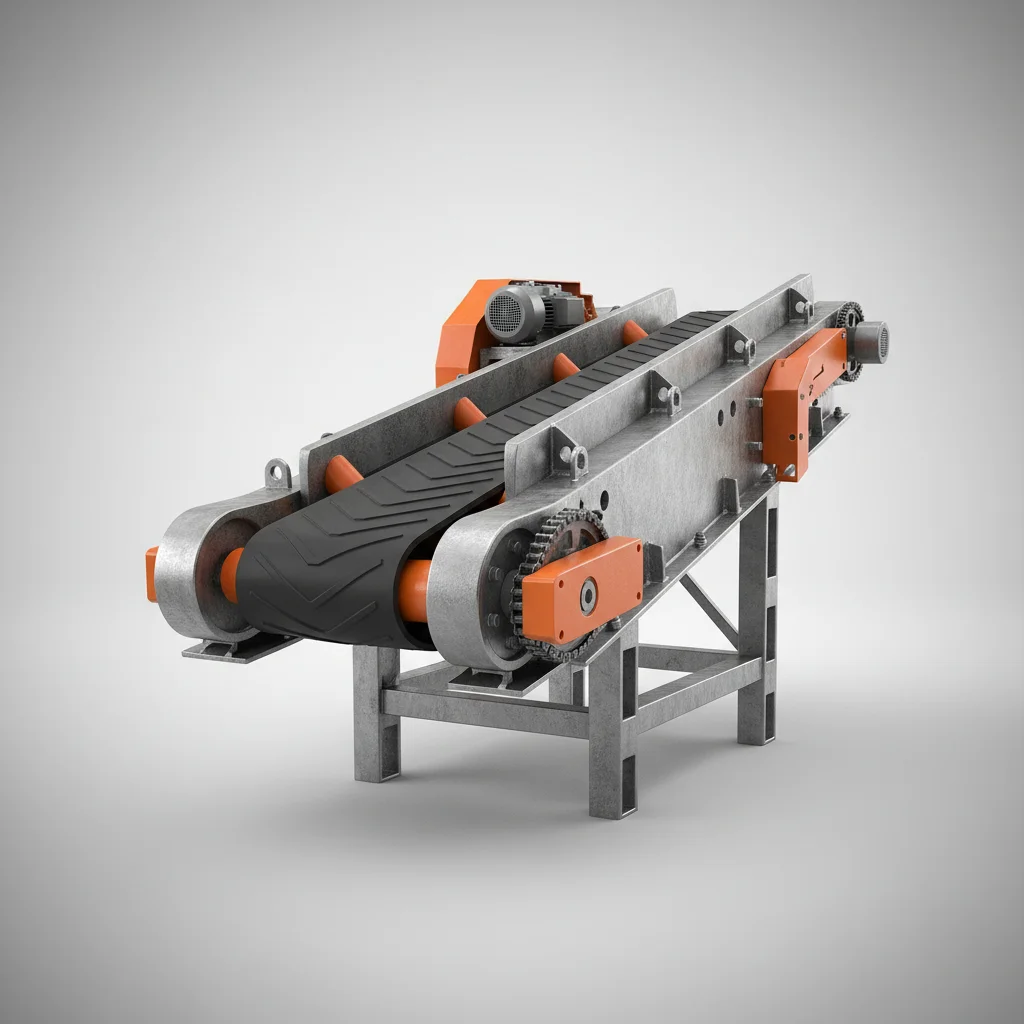
Simply put, a powered belt conveyor is a mechanical device consisting of a continuous belt loop driven by motors that transports bulk or packaged goods across varying distances and terrain. Unlike gravity or manual conveyors, these use powered pulleys or drive motors to maintain steady motion, even with heavy loads or slopes.
These conveyors are essential in sectors ranging from mining to food processing. They're even vital for humanitarian logistics—for instance, moving relief supplies in disaster zones where manual labor might be too slow or unsafe.
Mini takeaway: Powered belt conveyors are fundamentally about marrying mechanical efficiency with operational reliability to keep industries moving forward.
Core Components That Define Performance
1. Durability and Material Quality
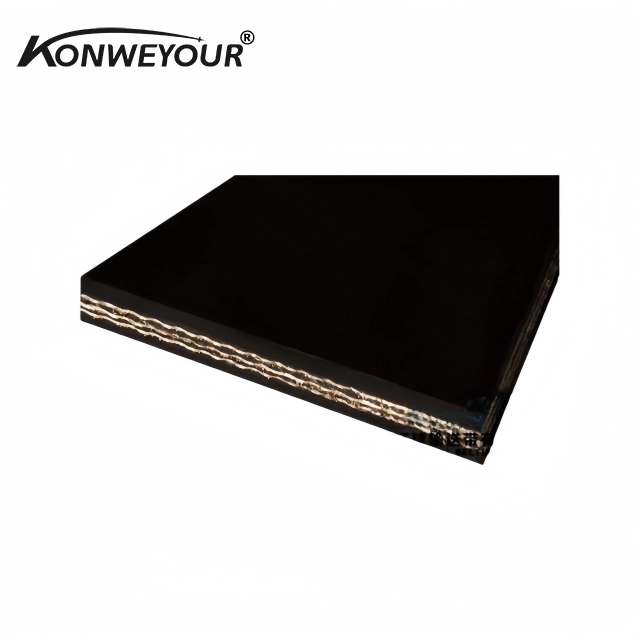
The belt material itself—often polyester or reinforced rubber—has to resist wear, tear, and environmental conditions. Many engineers swear by PVC belts for food-grade applications due to their hygiene but prefer rubber compounds for heavier industrial use thanks to abrasion resistance.
2. Drive Mechanism & Motor Efficiency
The “powered” part means an electric motor or direct drive system propels the belt. Energy-efficient motors reduce operating costs. Some conveyors now incorporate regenerative drives that feed energy back into the grid — neat, right?
3. Scalability and Customization
Conveyors come in all shapes and sizes—from tiny belts moving small packages to massive systems hauling tons of ore. Modular designs mean systems can expand as businesses grow or pivot, making them surprisingly future-proof.
4. Safety Features
Since these conveyors can handle heavy and fast-moving materials, safety is paramount. Emergency stops, protective guards, and sensors now standardly minimize workplace accidents.
5. Load Capacity and Speed Control
Adjusting belt speed ensures delicate handling or rapid throughput, depending on industry needs. Load sensors help maintain consistent flow without jamming.
Mini takeaway: Each component—from motor type to belt material—shapes how well a powered belt conveyor fits a specific industrial or logistical need.
Where Around the World Are These Conveyors Making a Difference?
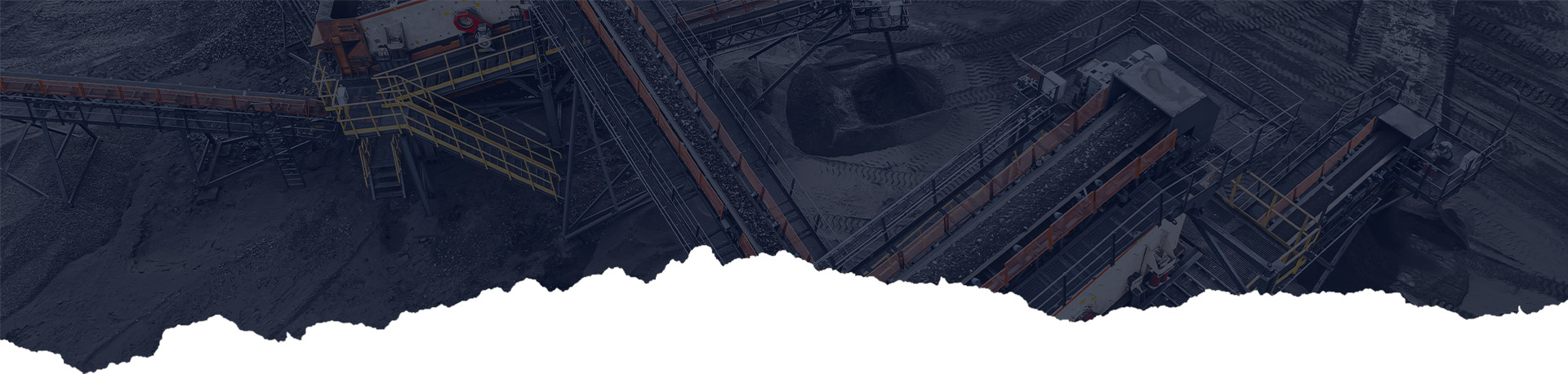
Powered belt conveyors are everywhere — from sprawling mining operations in Australia to high-tech pharma plants in Europe, and massive e-commerce warehouses in the U.S. Oddly enough, they even show up in humanitarian projects. For example, after the 2015 Nepal earthquake, powered conveyors were deployed in remote areas to move supplies faster across difficult terrains.
In East Africa, cocoa processing factories leverage these conveyors to streamline production, turning raw beans into chocolate faster and with less waste. The rise of powered belt conveyor systems in emerging markets showcases their adaptability to diverse conditions.
- Mining in Canada and Australia
- Food processing in the EU and USA
- Disaster relief logistics in Asia and Africa
- Automotive assembly in Germany and Japan
Mini takeaway: Powered belt conveyors aren’t confined to factories — they’re vital cogs in global supply chains across diverse geographies and sectors.
The True Advantages of Powered Belt Conveyors
If you ask those in the field, the benefits go beyond mere numbers. Sure, they save time and cut labor costs, but there’s more:
- Sustainability: Energy-efficient designs reduce carbon footprints; fewer manual interventions mean safer workplaces.
- Reliability: Continuous operation with minimal downtime keeps supply chains flowing.
- Cost-effectiveness: Less damage to materials and fewer accidents translate to long-term savings.
- Social impact: Automated systems can improve worker safety and dignity, reducing physically taxing tasks.
- Flexibility: Easily integrated with other equipment from sorting machines to robotics.
Many managers report that after implementing powered belt conveyors, their throughput doubled while workplace injuries declined noticeably — a win-win scenario.
Product Specification Spotlight: Typical Powered Belt Conveyor
| Feature |
Specification |
| Belt Width |
500 mm - 2000 mm |
| Max Load Capacity |
Up to 5,000 kg per meter |
| Belt Speed |
0.5 - 3.0 m/s (adjustable) |
| Drive Motor |
1.5 kW to 15 kW, variable frequency drive |
| Material |
Reinforced rubber or PVC (food-grade options available) |
| Safety |
Emergency stops, belt misalignment detectors |
Comparing Top Vendors of Powered Belt Conveyors
| Vendor |
Best For |
Customization Options |
Price Range |
Warranty |
| ConveyorCo |
Heavy industrial |
Full modular & custom length |
$$$ |
5 years |
| FlowBelt |
Food & pharma |
FDA-compliant belts, sanitary design |
$$$$ |
3 years |
| EcoMover |
Environment-focused |
Energy-saving tech, recycled materials |
$$ |
4 years |
| JT Conveyor |
Custom solutions & global delivery |
Fully customizable, fast deployment |
$$$ |
5 years |
Emerging Trends & What’s Next for Powered Belt Conveyors
It feels like just yesterday conveyors were simple mechanical setups — but today, we're seeing radical innovation. IoT sensors now monitor load, speed, and belt wear in real time, reducing unscheduled downtimes. Many companies are moving toward green energy integration by powering conveyors with solar or regenerative braking systems.
Material science has also stepped up: belts using biodegradable compounds or more durable composites mean less waste and longer service life. And as warehouses grow smarter, we’ll likely see closer coupling between conveyors and robotics, accelerating the shift towards fully automated “dark” factories.
Mini takeaway: Powered belt conveyors are evolving from workhorses to smart, sustainable components within Industry 4.0 ecosystems.
Common Challenges — And How Experts Recommend Tackling Them
Not everything is smooth sailing. Conveyor belts face issues like misalignment, belt slippage, and load jams, especially in dusty or wet environments. Maintenance downtime can still hurt productivity if not planned carefully.
The best approach? Predictive maintenance powered by sensor data, plus using proper belt materials designed for your environment. Some newer systems come with quick-change belts and modular components, trimming repair times drastically. Plus, employee training remains crucial — even the most advanced conveyor can’t compensate for overlooked operational errors.
FAQ: What You Really Want to Know About Powered Belt Conveyors
- Q: How do I choose the right belt type for my materials?
- A: First, consider material weight, size, and sensitivity. For heavy bulk, reinforced rubber belts work well; for food-grade items, PVC or PU is safer and compliant. Environmental factors like temperature and moisture also influence the choice.
- Q: Can powered belt conveyors be customized for unusual layouts?
- A: Absolutely. Many manufacturers offer modular systems with adjustable lengths, curve options, and incline capabilities to fit tight or complex spaces.
- Q: What maintenance is required to keep conveyors running smoothly?
- Routine inspections for belt tension, wear, and alignment are essential. Cleaning debris and lubricating drive elements reduce breakdowns. Some advanced conveyors feature self-diagnostic alerts to simplify upkeep.
- Q: Are powered belt conveyors energy efficient?
- Modern drives and motors have improved efficiency significantly. Integration with IoT allows for energy optimization during low-load periods, which can lead to cost savings.
- Q: Where can I find reliable suppliers with global shipping?
- Vendors like JT Conveyor specialize in worldwide delivery and tailor-made solutions. Checking warranties and customization support helps ensure smooth project execution.
Wrapping It Up: Why Powered Belt Conveyors Matter Long-Term
When all is said and done, these conveyors do more than just move materials. They represent a convergence of engineering, sustainability, and adaptability that industries rely on to thrive. Whether you’re scaling a factory floor or coordinating emergency aid, the right powered belt conveyor can be a game-changer.
Curious to see what options fit your project? Visit our website for expert advice and custom solutions suited to your needs.
Sometimes, it’s easy to overlook how these simple belts keep the gears of progress turning—but in reality, they’re indispensable.
References
- International Organization for Standardization (ISO)
- Wikipedia – Conveyor Belt
- United Nations Conference on Trade and Development (UNCTAD) – Transport and Logistics